Back to the Future

Well, this spring we are shaking it up a bit.  For the last few years we have followed our preferred pattern for traveling. Find a home base and from there explore.  Valencia, Spain last year. Ontiente, Spain the year before.  The Dordogne or Occitaine, France and years ago Umbria, Italy. All were explored from a place we called home for two or three weeks, or in the case of Valencia, two months.

Years ago we used to travel a bit like the bad movie, “If It’s Tuesday, It Must Be Belgium.”  (Don’t know it? Don’t bother looking for it. As you might guess it’s about traveling through Europe with a different hotel room every night).  Our version wasn’t quite that hectic or silly, and certainly more interesting, but we did cover a lot of ground in a relatively short period of time when that’s all the time we had. It suited our circumstances then just fine. Can we still manage that? Or have those travel muscles atrophied?  

This year our primary travel focus is the Highlands of Scotland with a week in the Fife region, a few days near Edinburgh, a week in Somerset, and a couple nights in both London and Paris.  Not quite a different hotel room every night, but definitely more movement than we’ve been used to.  The closest we’ve been to near constant movement was four years ago in Spain, mainly in Andalusia, and then we relied upon a nearly full-service travel company to manage all the different hotels, train trips and tours. It was a breeze! Can we do it by ourselves this time?
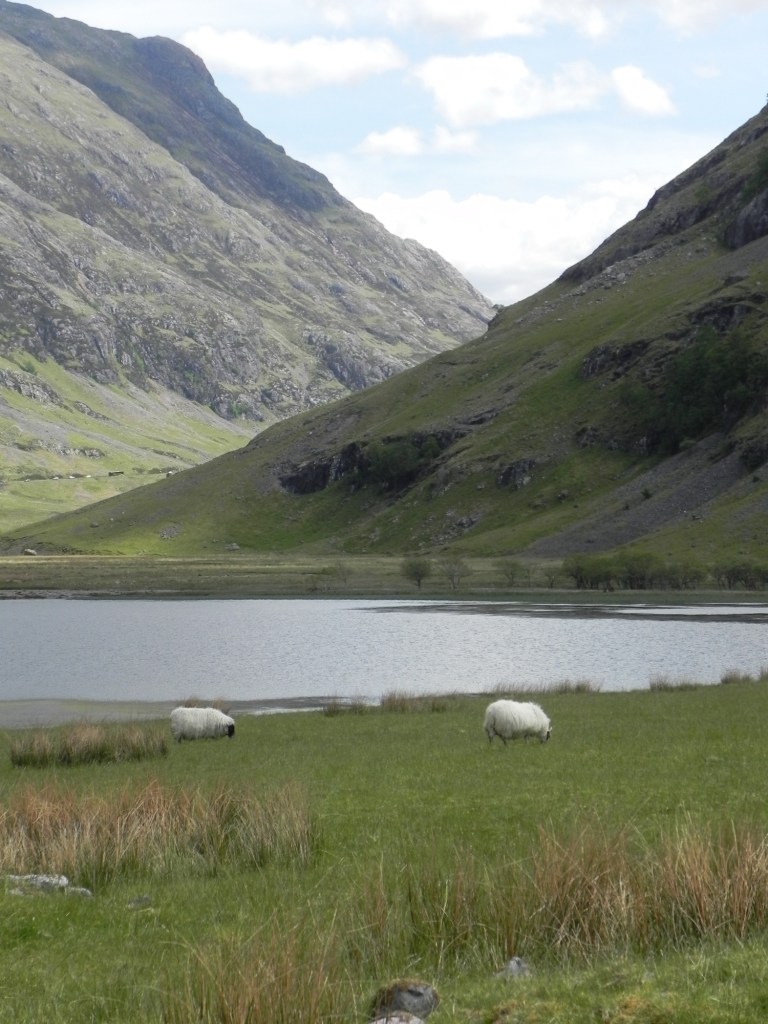
Glencoe

Well, we aren’t totally on our own.  We’ve shared the planning for the core 21 days with our travel companions and then tacked on 14 additional days on our own.  Even so, the trip involves more than 10 different plane, train and car rentals reservations and 15 different hotels, B&B’s, and vacation rental stays. Lots of planning went into each step.  Lots!  Some pieces of the trip our friends planned.  Some we did. Many we planned together.  We talked, discussed and debated options, texted and emailed ideas and then reservations back and forth.  Some parts of the trip are planned in great detail (dinner reservations on our walk along the Fife Coastal Walk where a hiking service carries our bags from inn to inn as we carry a light rucksack) and others left open (a couple nights in London with only a vacation rental booked).

Making all these arrangements wasn’t the only challenge.  In addition to the four day hike along the Fife coastal path, we also want to do some hiking in Glencoe, around Ullapool and Wester Ross, and near Fort William.  That meant packing bulky hiking gear and enough clothes for those stretches when we wouldn’t have access to washer/dryers.  Weather in Scotland is unpredictable, especially in May.  Sun, rain, wind or even snow at higher elevations? So we also have to pack rain gear and warm layers. Then there’s London and Paris where those hiking shoes will never be seen!  And by the end of the trip the weather in London and Paris could be quite warm.  Short sleeves?  Shorts?  Sandals? Not enough room. Didn’t take long for us to realize our usual carry-on roll-aboards wouldn’t hold it all.

We purchased every book we saw on Scotland over the last year and then had to pare down to just two (plus the one Mary smuggled in when Peter wasn’t looking). Camera?  Bring the big, good camera or rely upon our iPhones?  Big camera won.  Binoculars?  Just one pair. We’ll have to share. And so it went. One large suitcase, one roll-aboard and two backpacks later we were packed.

So how will it go?  Will we survive packing and repacking our bags every second or third day?  Will it get old fast trying to find a decent espresso in each new location or even worse, not finding any at all. Will we miss having our boulangerie, our patio, our market, our neighborhood or will the variety and parade of new vistas more than compensate?  
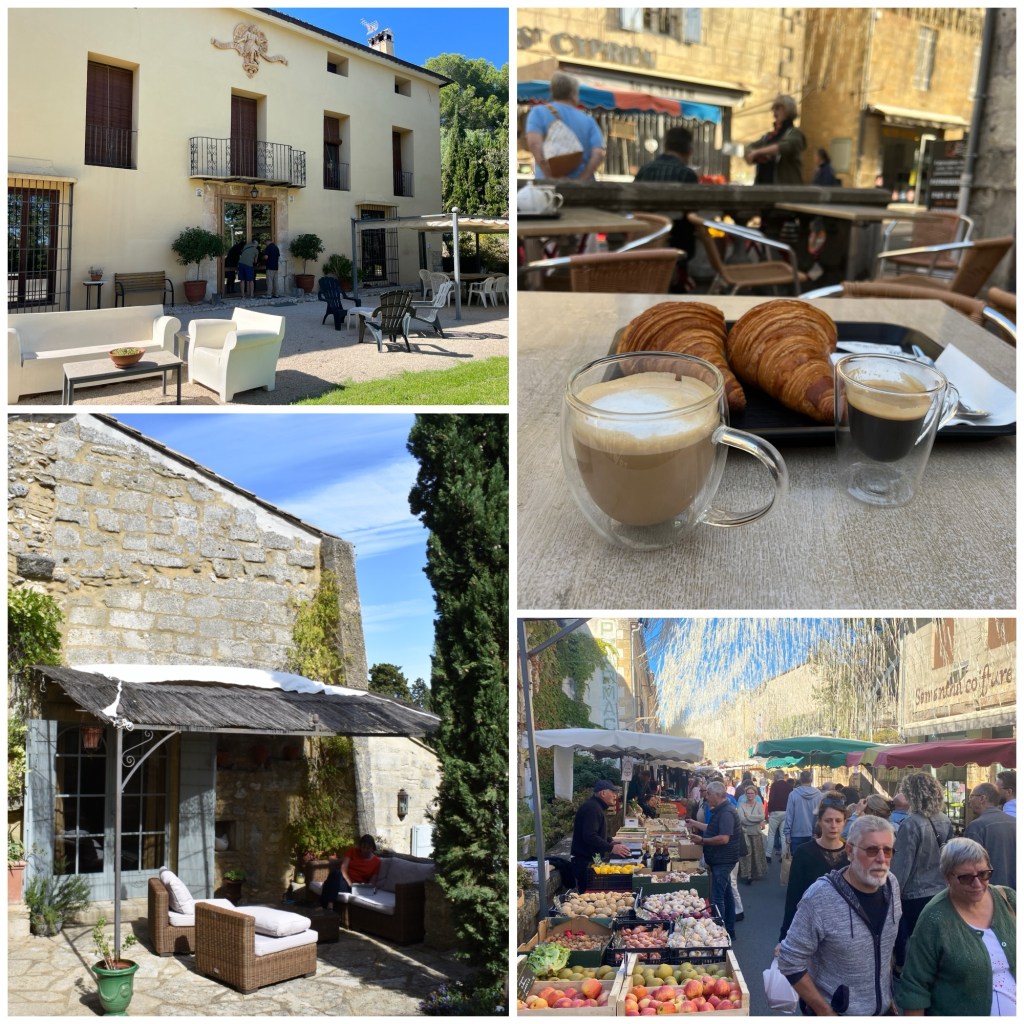
“Our” patio, home, espresso, and market in previous slow trips to France and Spain

Stay tuned.  The adventure has just begun. Oh, and our first hotel was the lovely Holiday Inn at the Newark Airport—a transit stop on our way to Paris.
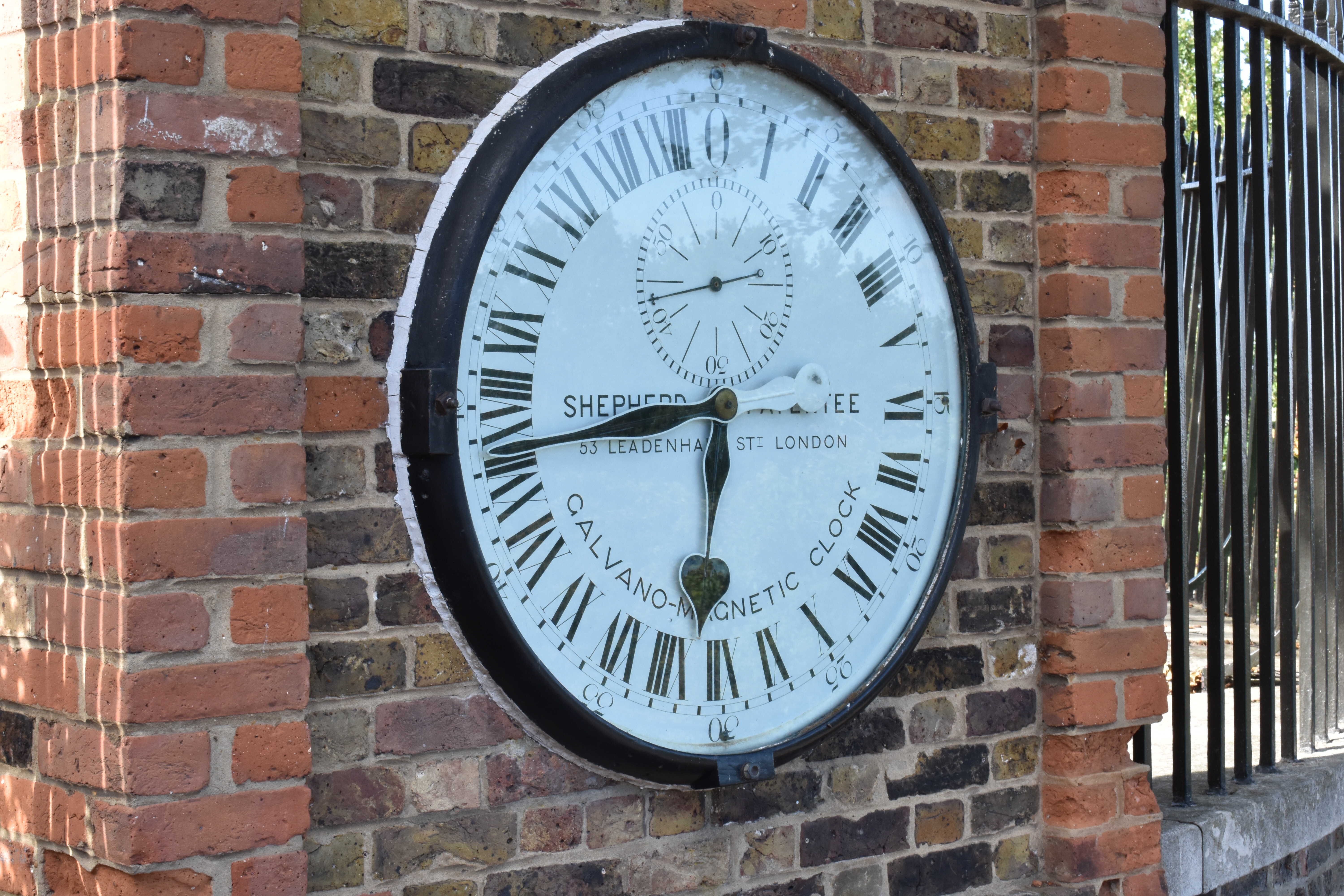
Greenwich — A Mean Time!

We’ve tried every jet lag cure. It doesn’t seem to matter what we do, the first few days in a place seven or eight time zones aways hurts. Sleepless nights. Afternoons of overwhelming exhaustion. And while our better-living-through-chemistry philosophy leads us to take sleeping pills, we still aren’t at our best those first few days.

So knowing that our safari in Zimbabwe was truly a once in a lifetime trip, we didn’t want to miss a beat. And a four day layover in London — a place we had been to several times before — seemed a great way to get over jet lag before an eleven hour flight, due South, with only one time zone change. Plus we had seen most of the sights we absolutely wanted to see in London. Now we could browse leisurely. Well, part of the plan worked.

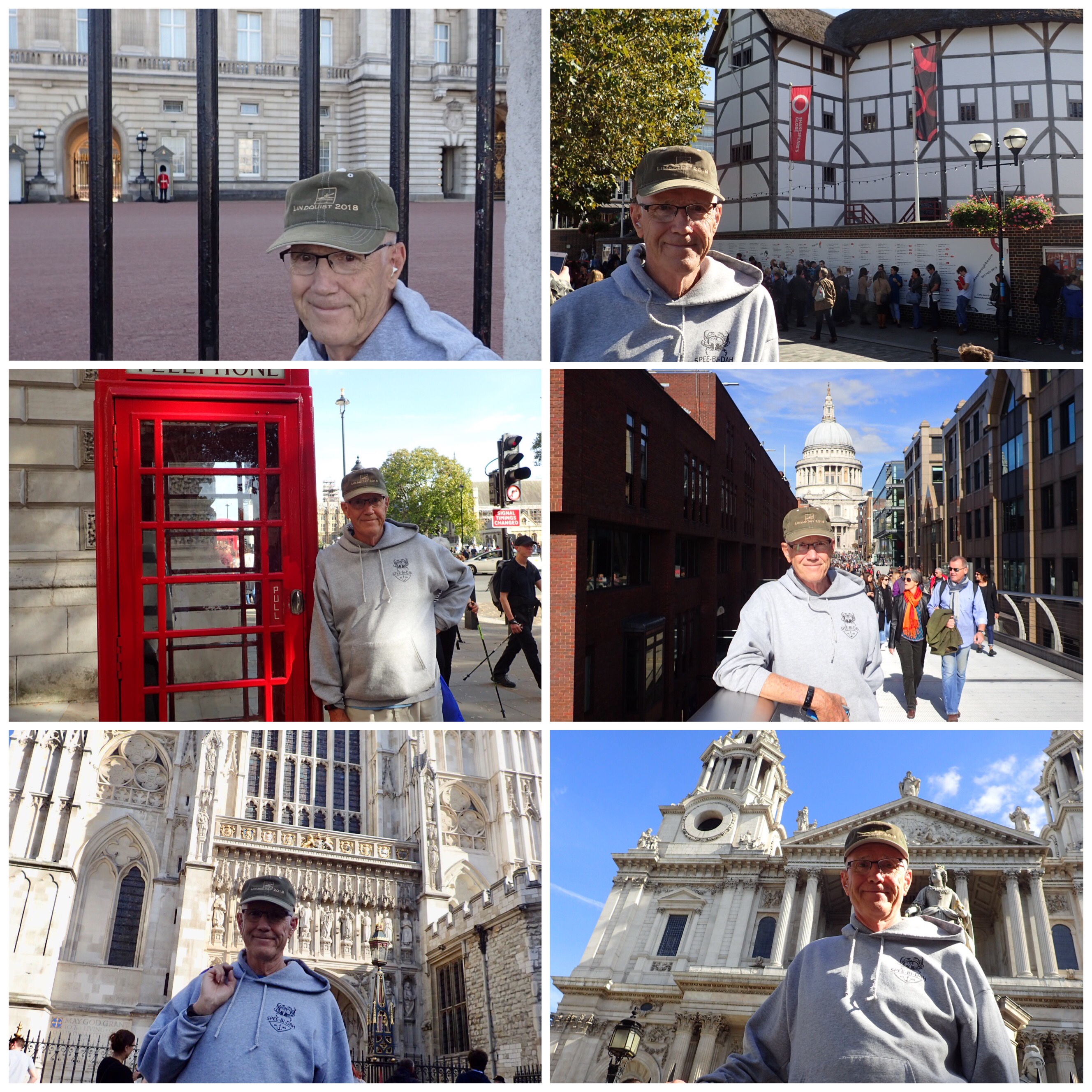
London in those last days of September and first days of October was perfect! Sunny weather, but cool temperatures. Perfect for walking. And we walked. 24 miles in the first two and a half days.

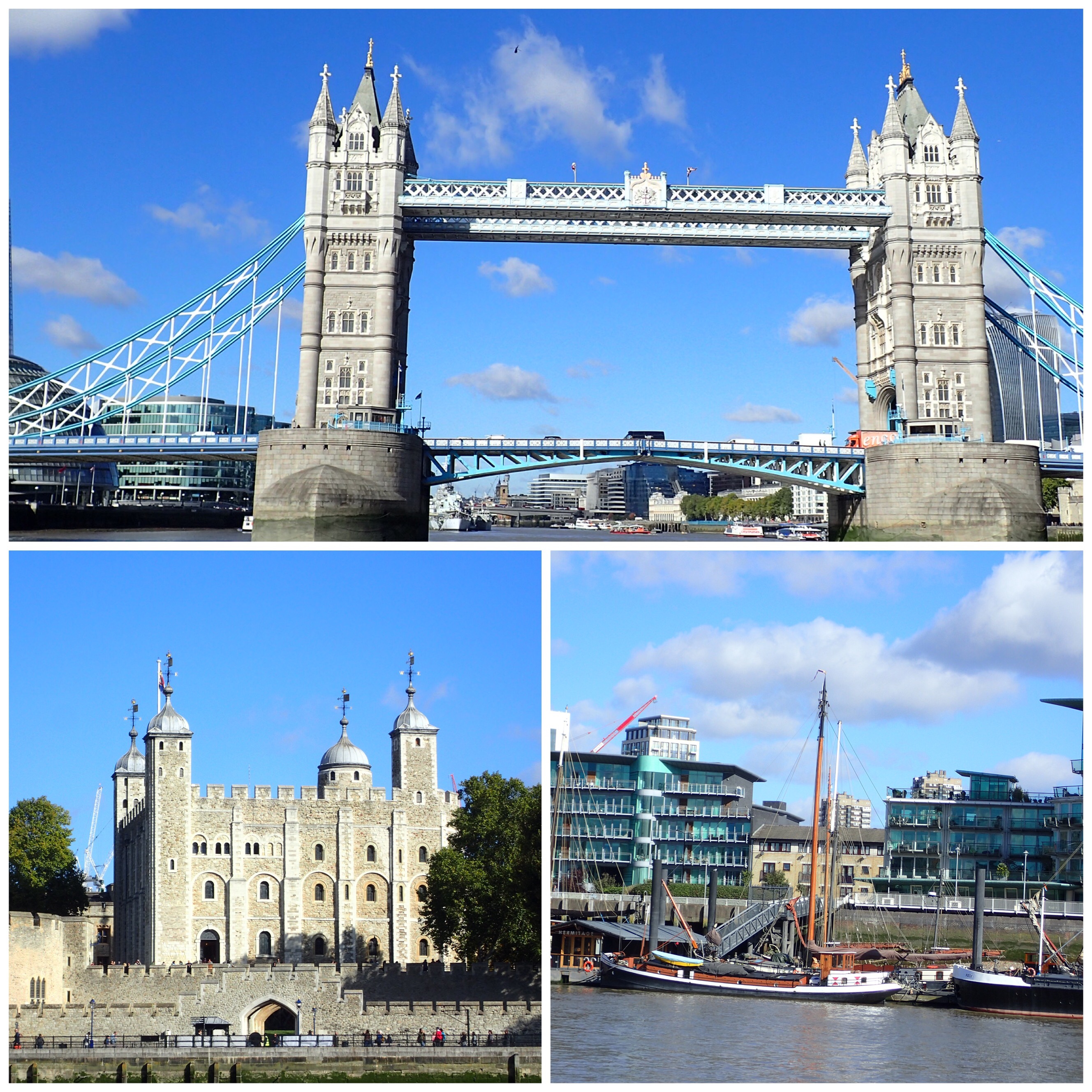
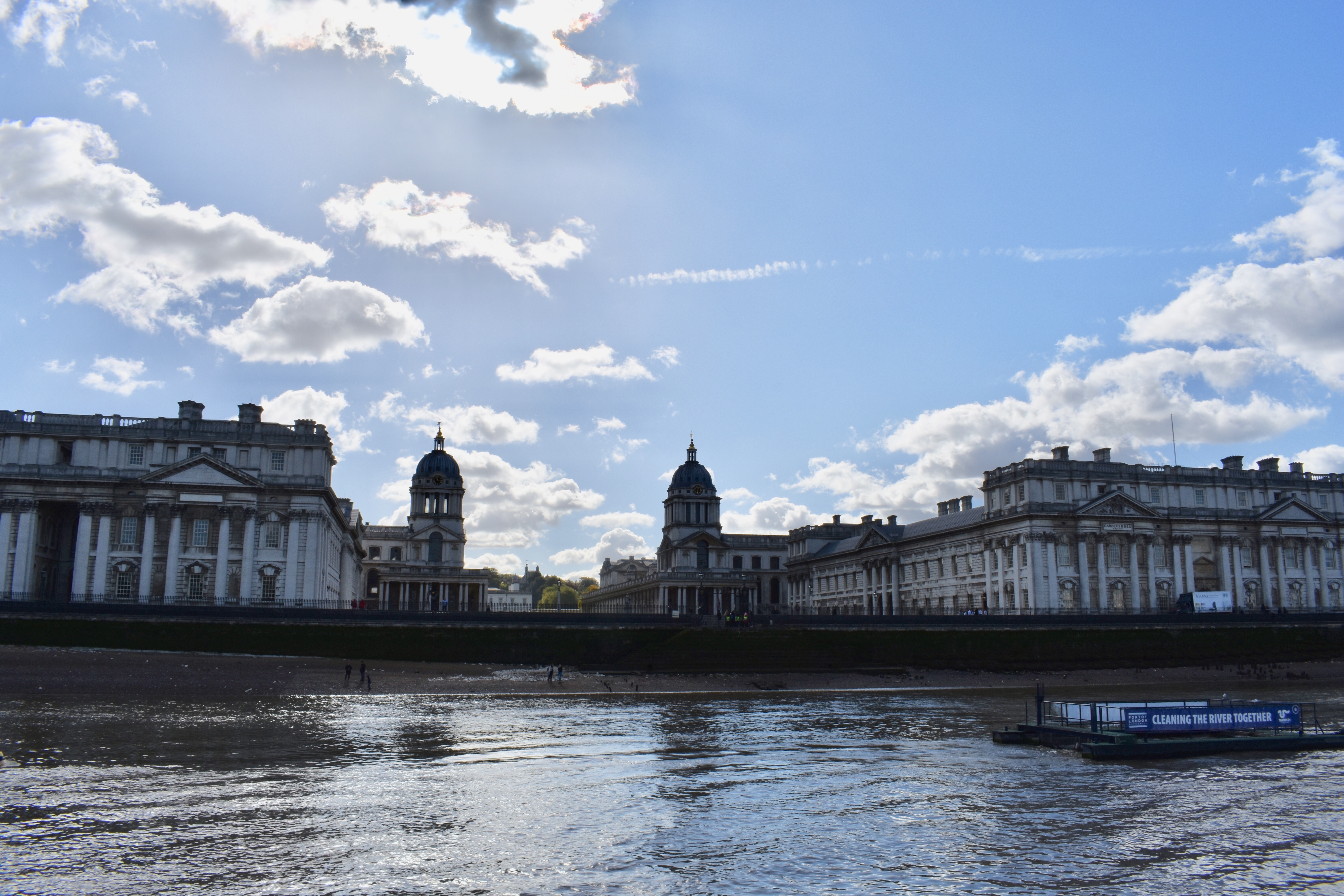
Seeing Greenwich had been on our list before, but it always got missed. This time we hopped the boat at Westminster and enjoyed the views on the way to Greenwich, the birthplace of Henry VIII and his three children. We had anticipated taking the 90 minute tour (greenwhichtours.co.uk 8£) and then taking the Tube back to London for more sights. Didn’t happen. Once we started the tour we realized there was more to see and do than we could accomplish in one day.

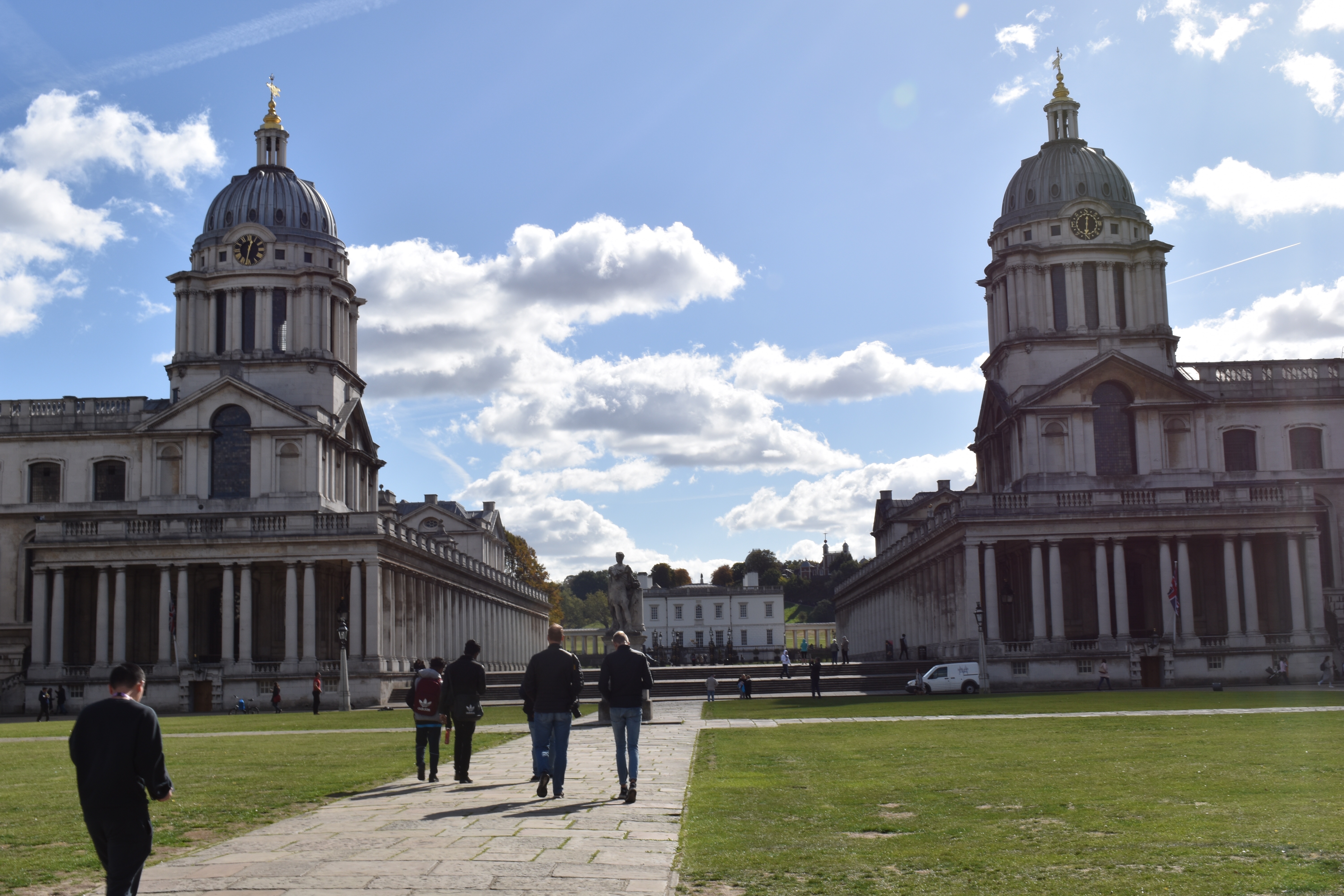
We lucked out. Just the three of us signed up for the tour so we got essentially a private tour of the Old Royal Naval College, it’s chapel and the prime meridian as well as the park grounds. While tourists may consider Greenwich to be a second rate tourist site, it was the birth place of Henry VII, Henry VIII, and the remaining Tudors monarchs. As a palace it fell out of favor when Henry VIII divorced wife #1 and was marginally used until Charles II decided to build a riverfront palace on the site. He demolished the original building and started on his grand palace, only to be thwarted as Parliament flexed its control of the purse strings and England’s constitutional monarchy began to emerge. Charles incomplete building sat largely unused until William and Mary decided to build a home for the multitude of British infirm sailors. They donated the land and convinced renowned London architect Christopher Wren to design a home.

Later this became the Old Royal Naval College Today the buildings house a university and art college. We did a quick stop in the Royal chapel where the pattern on the marble floor mimics the rope on Restoration era ships.

And then began the long climb to the observatory and prime meridian. Wonderful views of the Thames and newer parts of London.

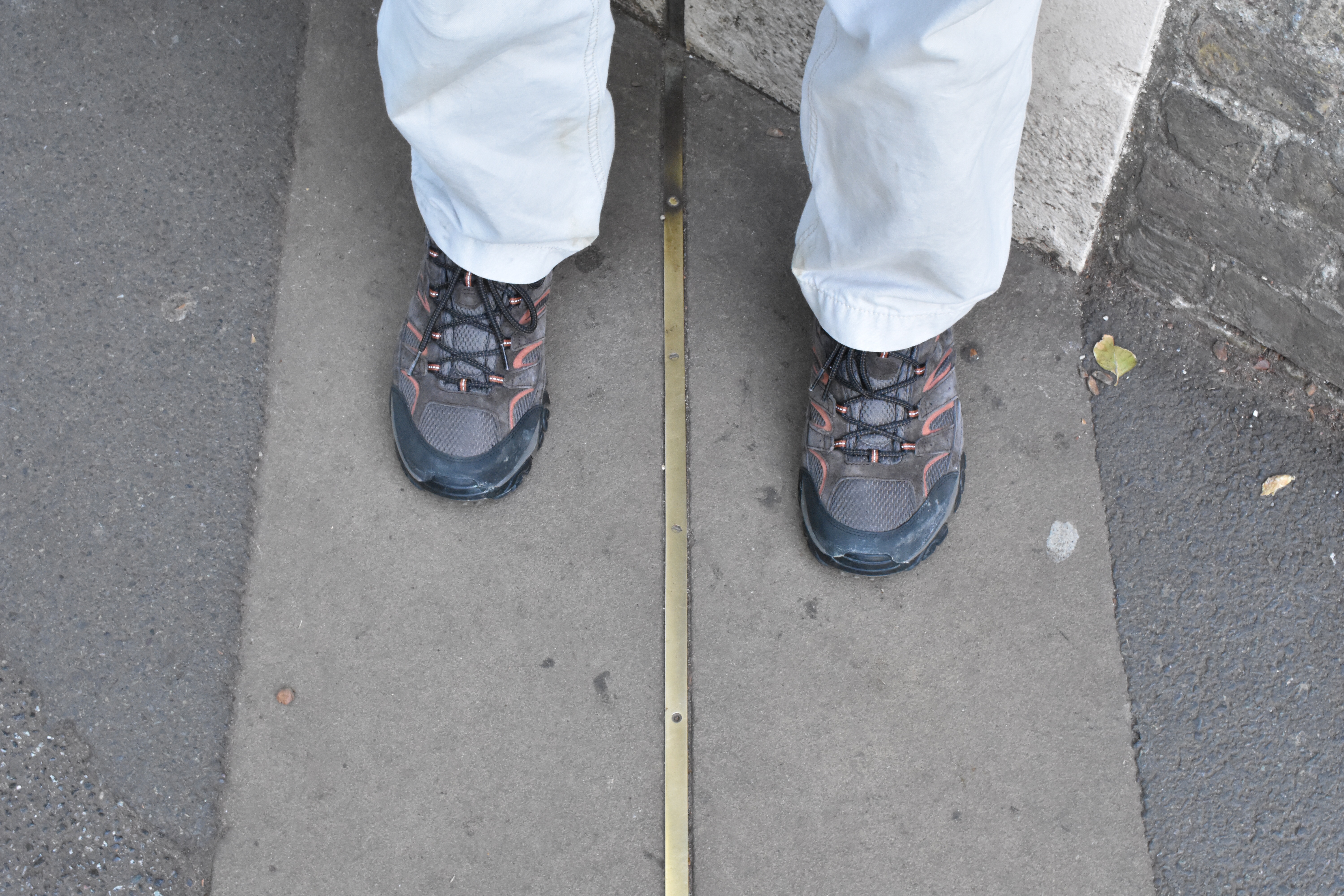
And we took the usual tourist pictures of us straddling the Eastern and Western hemispheres.

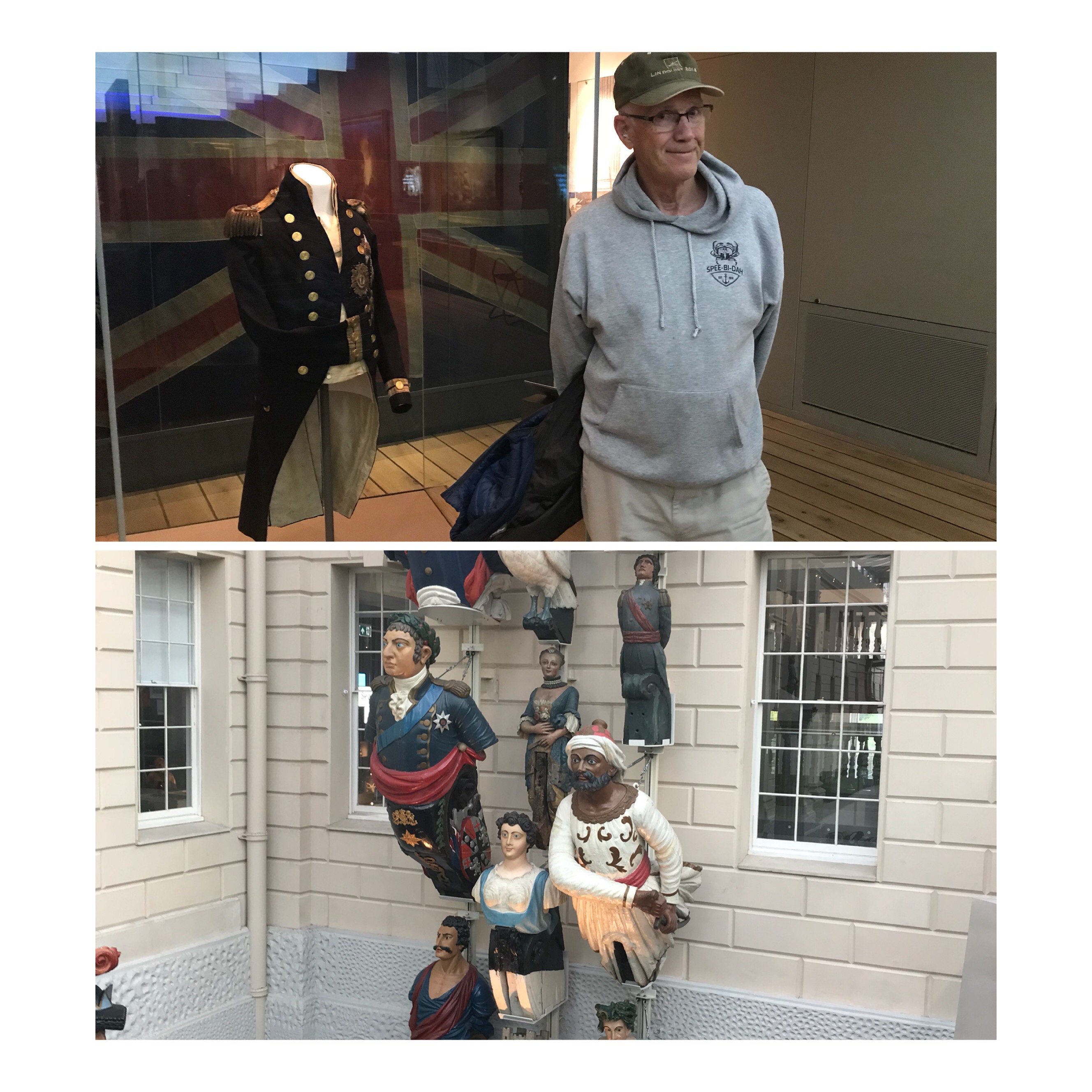
After the tour concluded we decided we could not do all three museums. We opted to skip the Royal Observatory — tough choice— and focus on the other two. Even then we were rushed as we went through the Maritime Museum. We focused in on the Napoleanic era and Lord Nelson’s triumphs with quick spin through Great Britain’s maritime history in the Pacific.

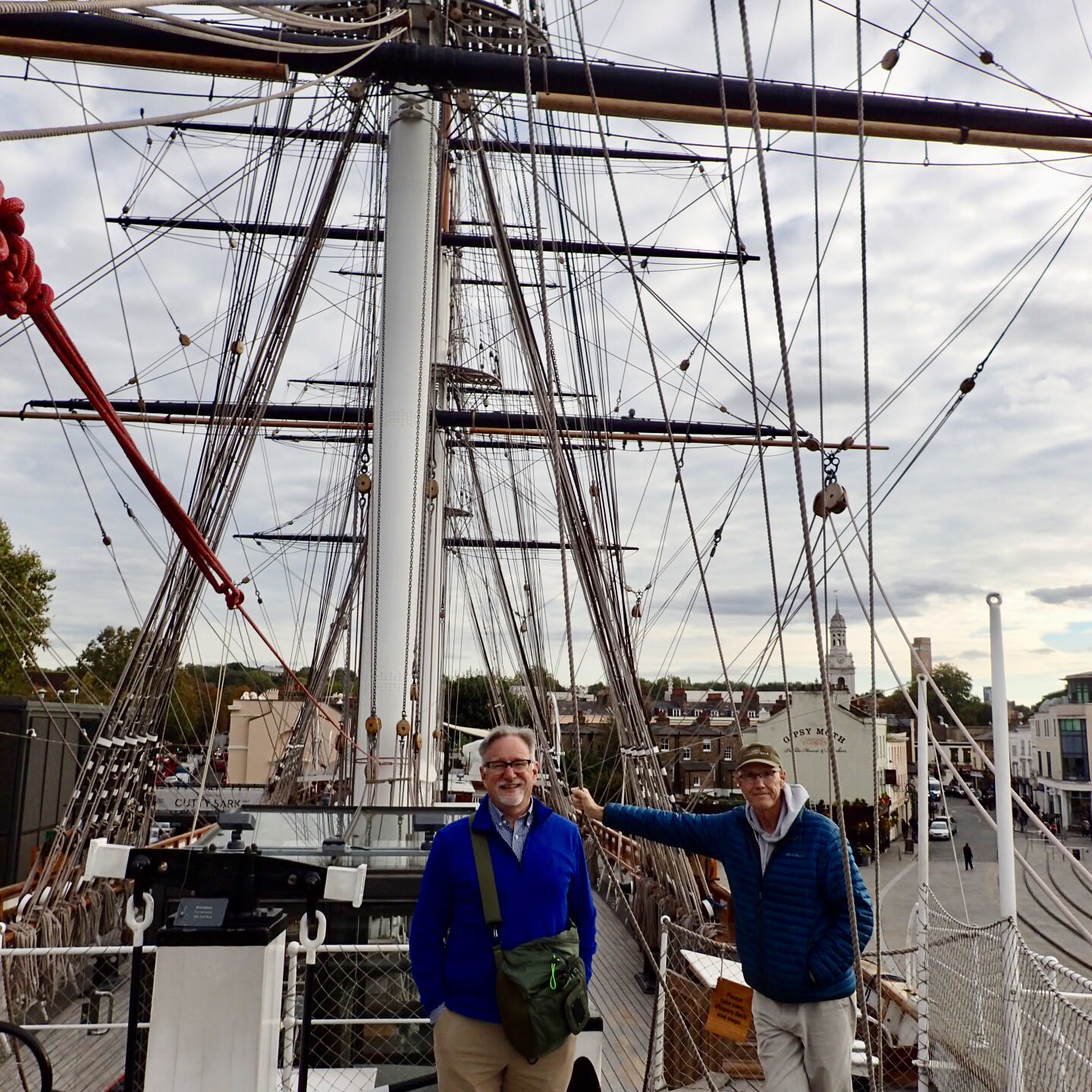
Our last stop of the day was the restored Cutty Sark. It had a $15 entrance fee, but being members of the National Trust brought that cost down for us to $10 a person. Well worth it. This ship, often referred to the fastest sailing cargo ship (although there were multiple races and Cutty Sark didn’t win them all), had a crew of just two dozen. The exhibit is exceptionally well done.

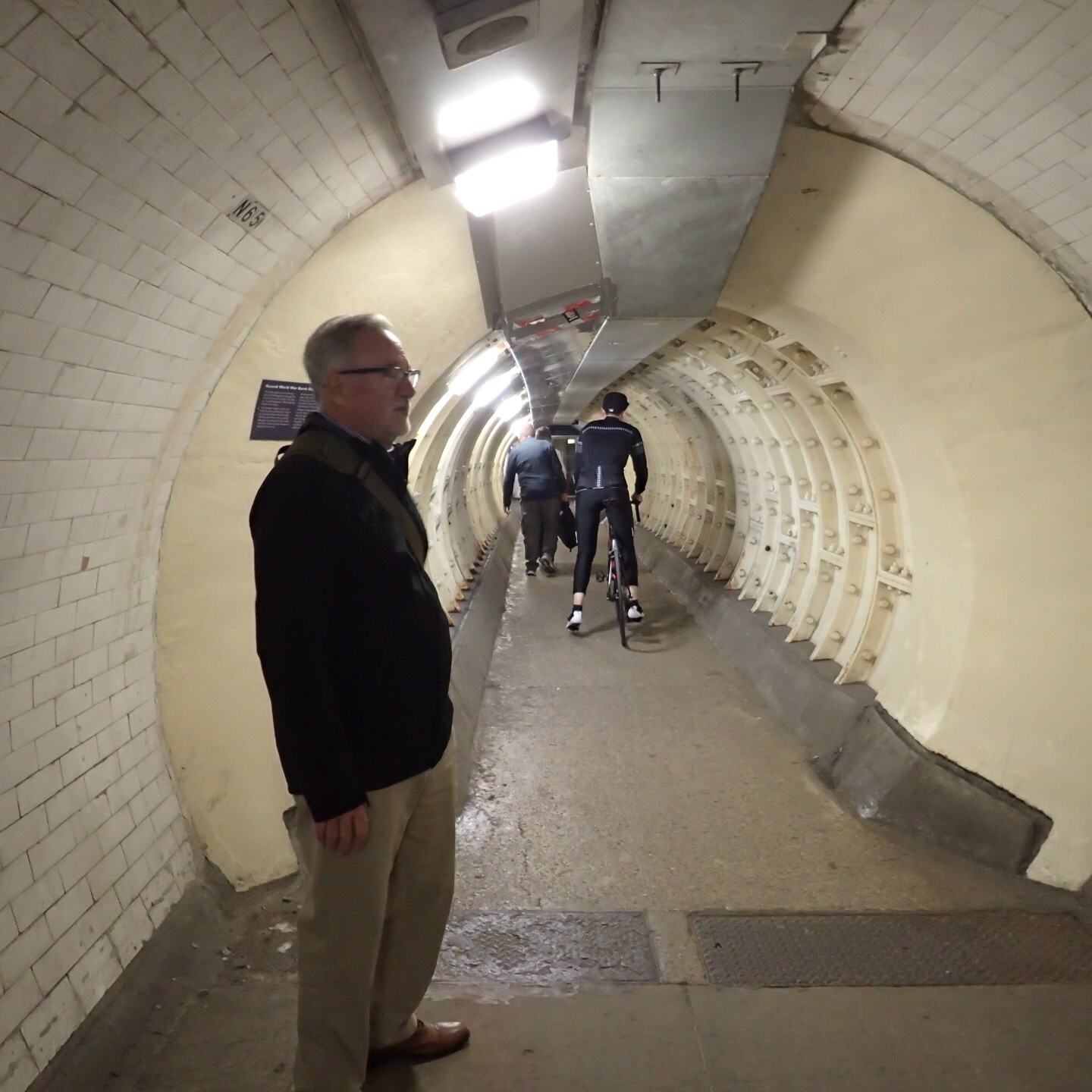
On the advice of our guide, we walked across the Thames — through a pedestrian tunnel build in the early 1900’s so worked could get to London’s docks and warehouses and not be dependent upon the ferrymen that charged exorbitantly. A little spooky to be under the river, particularly when we reached the end that had been repaired after bomb damage at the end of the German bombing of London.

So the bottom line? Greenwich is definitely a first rate sight. (By the way, the term first rate is a British naval term and refers to the size of the ship. Nothing wrong with being second or third rate; you’re just smaller)