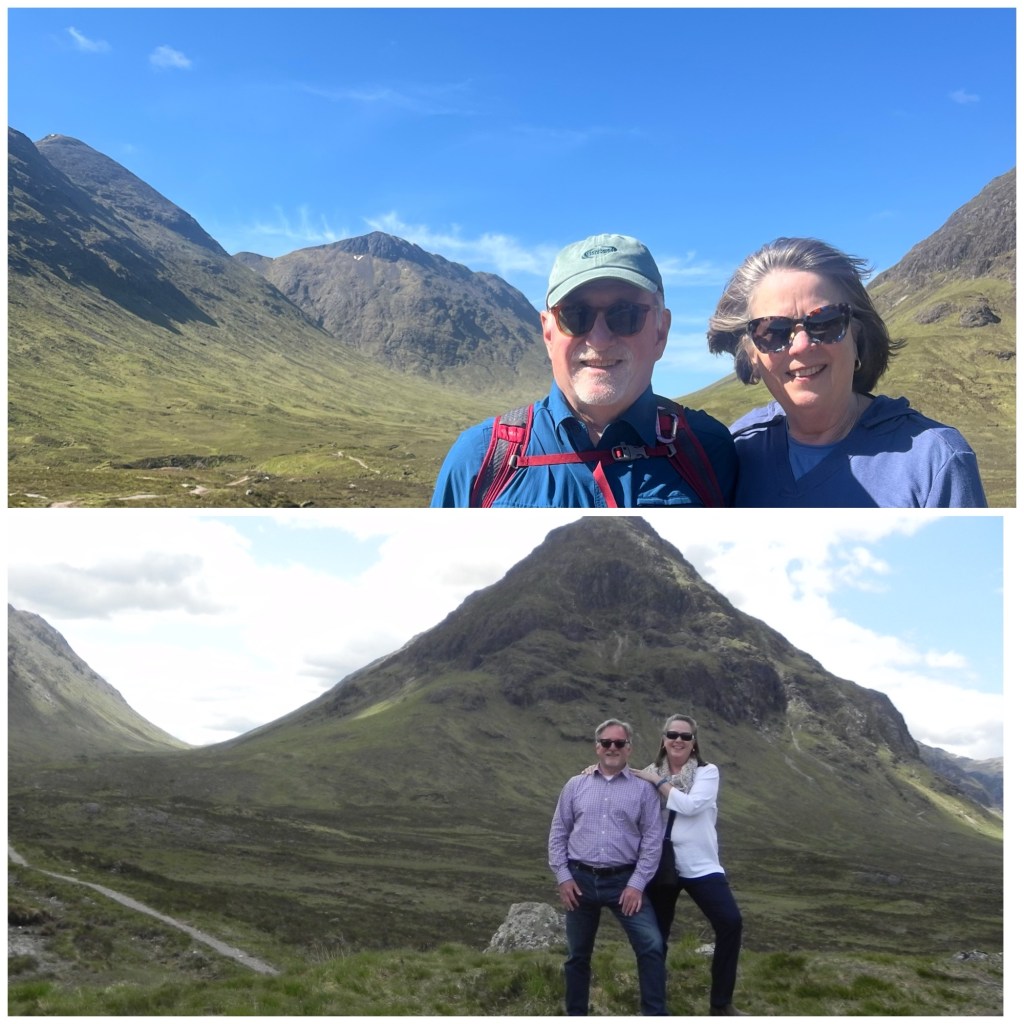
So we’ve been traveling for forty plus years, started out in our 30’s and we’re now in our 70’s. Boy, have things changed!
We remember the old days. Not always fondly. You went to travel agent or maybe an airline office to make your travel arrangements — all the arrangements were made in person at the office, by phone or through a travel agent. The tickets were mailed to you or your travel agent. We had specific folders designed to hold the multiple copies of your travel tickets and documents. Passport requirements were pretty much the same then—except Mexico and Canada then allowed drivers licenses for entrance. Passports were hand stamped and acquiring multiple stamps from as many countries as possible was a badge of honor.
Of course, 9/11 and new technology changed all of that. Security has become incredibly important, understandably so. But security checkpoints and the lines associated with them are an unavoidable nuisance. Initially, the process was a bit intimidating (will never forget our first airplane trip after the new security system was implemented and the check-in lines wrapped around the center of Sea-Tac over Presidents Weekend). At times it felt as though every airport had a different set of rules—what to take off, what you’re allowed to keep on. iPads in or out of carry-ons? Belts on or off? Shoes, yes or no? Jackets on or off? Now, it’s pretty much ho-hum, business as usual, although every once in while there’s a kink in the process.
Yes, the security lines can be long. For while TSA Pre-check simplified things for those who went through the vetting process. Now not so much. More recently passport and customs control have begun using facial recognition and electronic readers which means much faster processing. No longer do you have the passport agents looking back and forth at you and passport picture for what seemed like hours. But, sad to say, no more stamps.
Although the new EU Entry/Exit System (EES) made headlines that scared us before our recent trip with reports of huge back-ups at major European hubs, but we found it worked pretty smoothly in early May. We remember horrific waits at passport control in the old days. Often a nightmare after a long international flight. And paper ticketing has now been replaced by cell phones and tickets downloaded well in advance—again, speeding up the process as long as you have battery life.
Not that technology always works perfectly. On our way back from Paris this month, all of the Terminal 4 ticketing and baggage computers at Orly Airport shut down. The gate agents had to resort using small hand held computers to verify reservations and then hand write boarding passes and baggage tags. Down the line, security personnel struggled with the absence of bar codes and electronic tickets. Total chaos as you can imagine. In Scotland, recently one ScotRail official accepted a photo of our downloaded ticket, while another agent on the same train when we returned demanded the original download. He warned us he’d let it go this time, but next time he said in a loud Scottish brogue “no, no, no!” Such is how it goes in travel.
It’s not just the getting there that has changed. When we arrived in a city or town 30 years ago we headed directly to the TI, or tourist information office that most towns or cities had at the rail station or town center. We’d pour through folders or notebooks with pictures of rooms, apartments, hotels or homes. We’d select something and the TI agent would call to check availability, and send us off with directions. This worked reasonably well unless we got into to town late—then it was often a disaster. Call after call until we found anything that would take us. Often the bottom of the barrel accommodations. We tried to set a rule—always arrive in your next destination before 2 pm. Rules for that era.
Now with the Internet, we book everything in advance. Airline tickets, car rentals, tours, tickets to various sights, restaurant reservations, and play and events tickets. If you don’t — more than likely everything is already booked. Our recent five week adventure in the England, Scotland, London, Paris, and, yes, Newark, we had every night accounted for in February, months before we left. We started booking in September for a trip in May. A bit unsettling to know where you’ll be sleeping 8 months to the day from now and whether it’s a queen or king size bed. But like our 2 pm rule 30 years ago, we know that the best short-term rentals, B&B’s, and hotels book up months in advance, particularly in popular destinations or if you’re too far off the beaten path. Book early or you get the bottom of the barrel. What we lost in spontaneity we did gain in security.
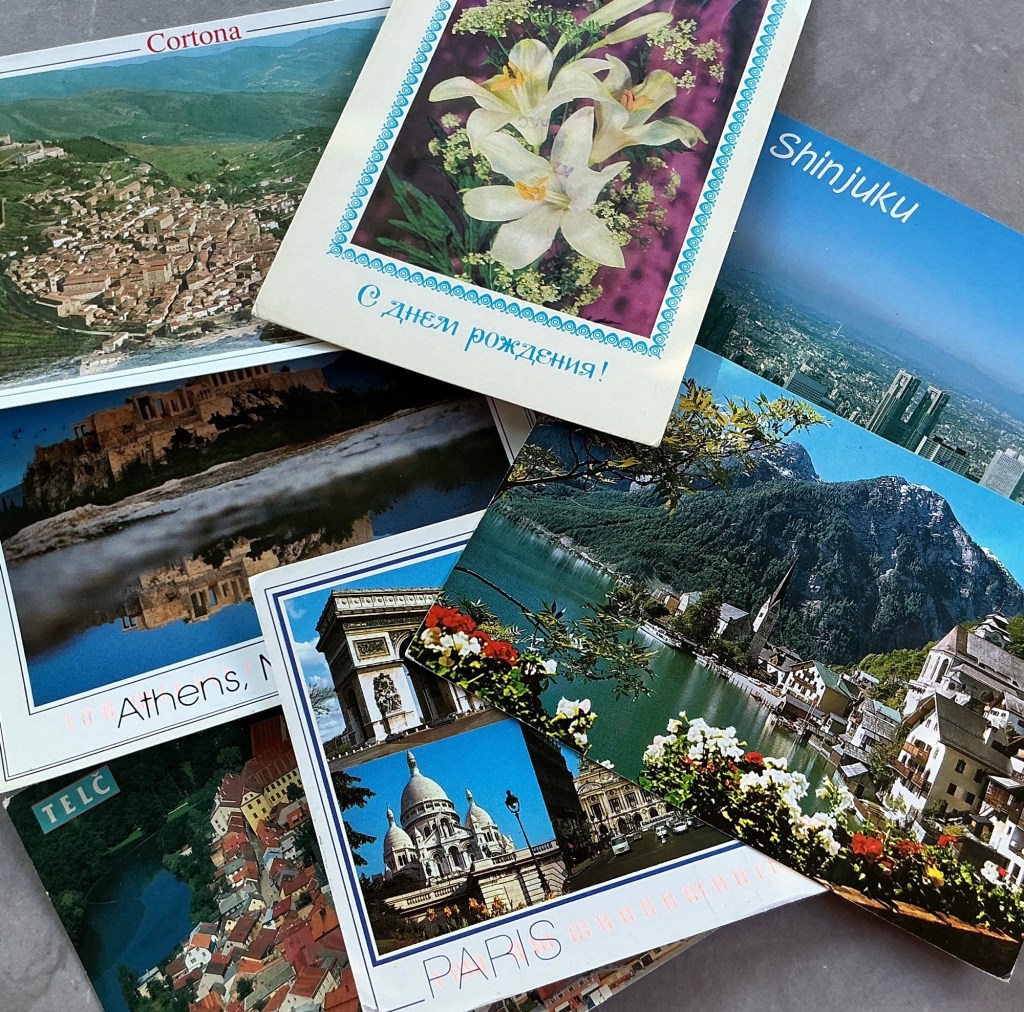
The internet and cell phones also now mean that you are always contact with friends, relatives and the news back home. Is that a positive? Hard to say. We used to have to set up places to pick up messages or letters—often the American Embassy. We would leave hotel addresses and phone numbers with family members of those few places we could book in advance. Postcards! Remember sending postcards home? Buying foreign stamps and the blue thin stationery for longer letters home? Luckily for us, Mom saved many of those which are fun to read 30 and 40 years later.
First thing we often did in a new town was search for any newstand that carried the Herald Tribune. If we were lucky enough get a paper we would find a cafe and devour every single word—often fighting over who got the front page first. Now it’s like you’ve never left home. New York Times? Online. Seattle Times? Online. Local TV news. Online. Sports scores? Online. We can even watch a simulation of a baseball game online with just a few second delay. Need to check on a sick relative? Phone call or text or use What’s App. Mostly it’s a positive until you get annoying string of text messages at 3 am from people who’ve forgotten about the time zone difference.
And how about money? You used to have change currency for every country you visited—almost always losing in the exchange. Buying before you left home a few dollars worth of whatever the local currency at your destination might be. And often coming home with lots of “souvenirs.” Think we still have a very heavy box of various old foreign coins and paper bills. If you didn’t plan in advance to get your currency you were out of luck—nothing to eat until the banks opened the next day. We remember searching in rural Portugal village for a restaurant that would take credit cards when we arrived without cash on a Sunday. Few merchants even took credit cards. And the time in Turkey when we first used an ATM to get Turkish currency. We were almost Turkish millionaires for a hundred US dollars!
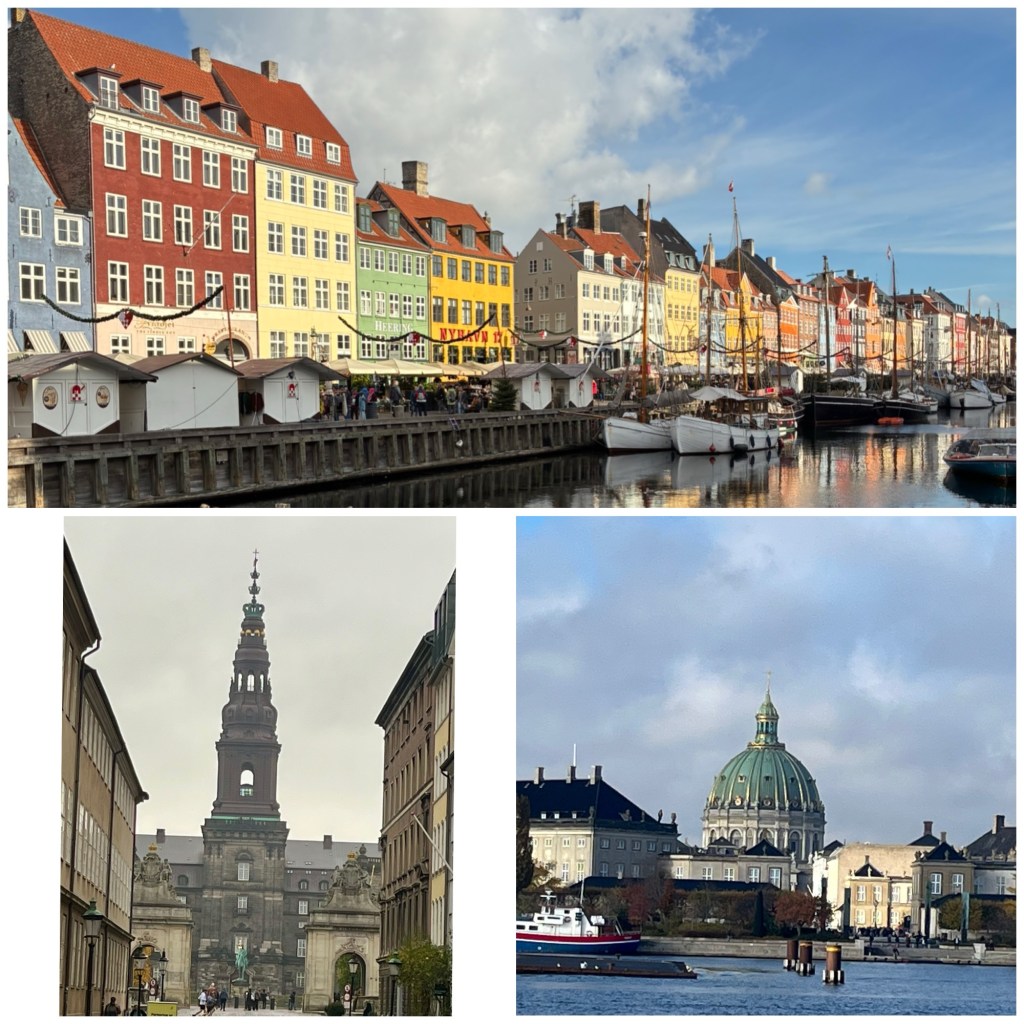
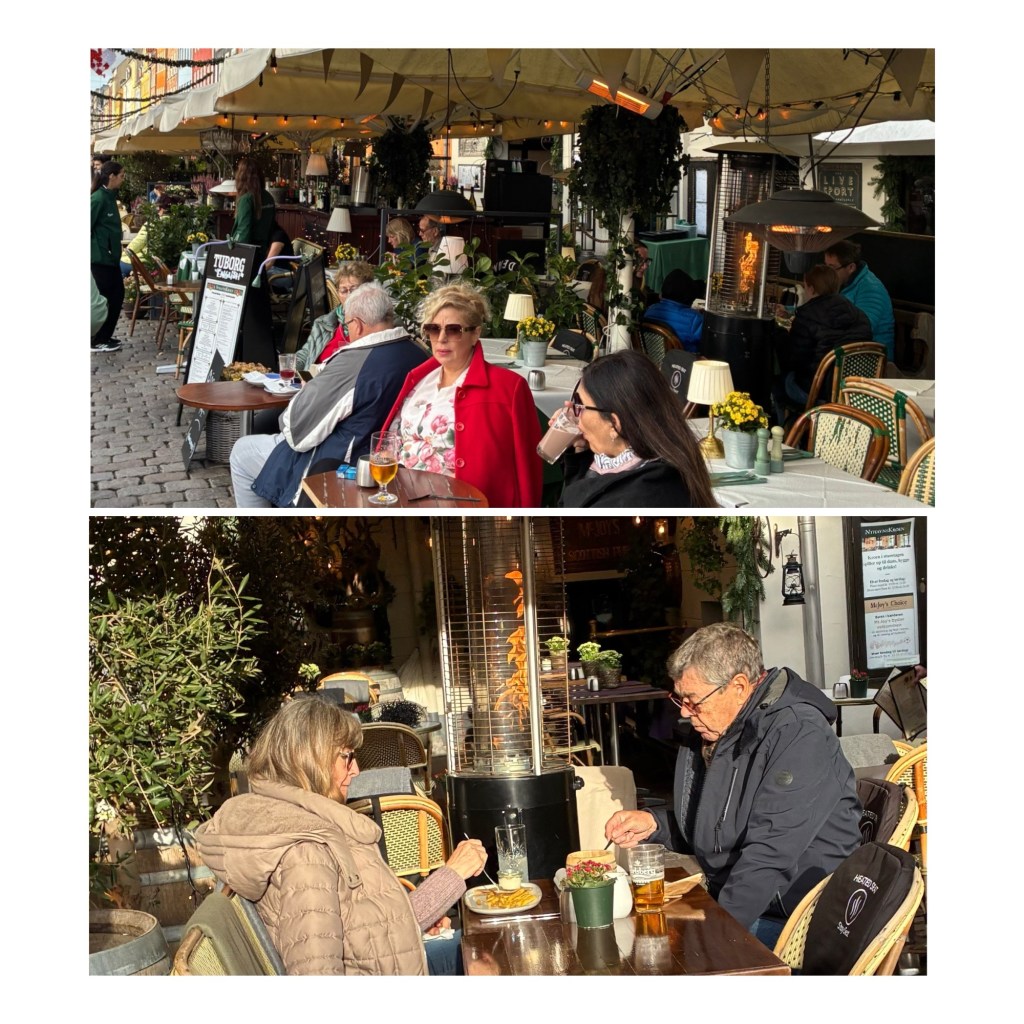
Credit cards and contactless payment such as Apple Pay changed all of that. A giant step forward. That fact that most of Europe has gone to the euro also helps enormously. We just spent three nights in Paris and never needed a euro. All contactless payment. Last November, we were Copenhagen and never saw a a Danish kroner (the Danes don’t use the euro). Don’t have a clue as to what they might look like. Yes, a real plus.
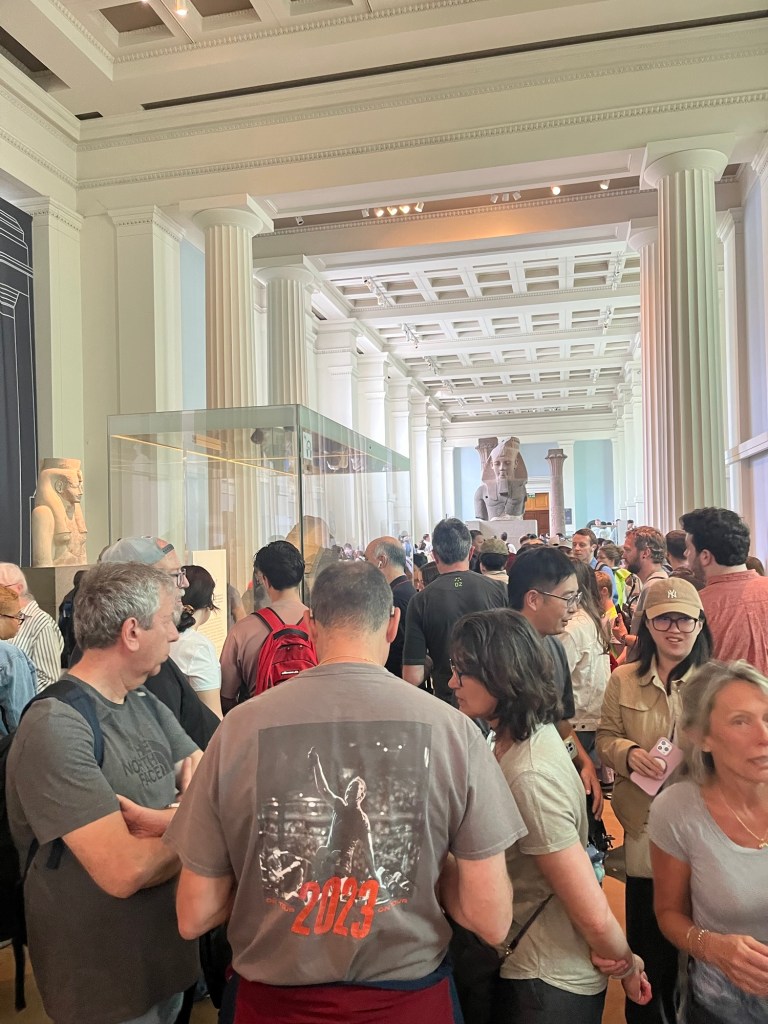
The travel season has also changed dramatically. Because we were teachers we always traveled in the summer—supposedly the height of the tourist season. Yes, there were crowds in the top tourist sights in the big cities like Paris, London and Rome. But we were able to tour the Coliseum, Vatican, Notre Dame, Houses of Parliament, and Westminster Abbey in summer with relatively small crowds and were able to buy the same day entrance tickets at the ticket office. Retired, we now travel the alleged “shoulder season”—September/October/April/May. Supposedly fewer crowds, better prices, more availability. Turns out, last year, the two most touristed months in Rome were April and October. Say “au revoir” to the shoulder season. The crowds this May in London and Paris were horrendous. On our tour of Versailles we thought we’d be crushed alive trying to get a look at Louis the XIV’s bed — we feared being the last victims of the Sun King. We never saw the Rosetta Stone in the British Museum—the crowds around were too dense with people snapping photos and, yes, selfies.
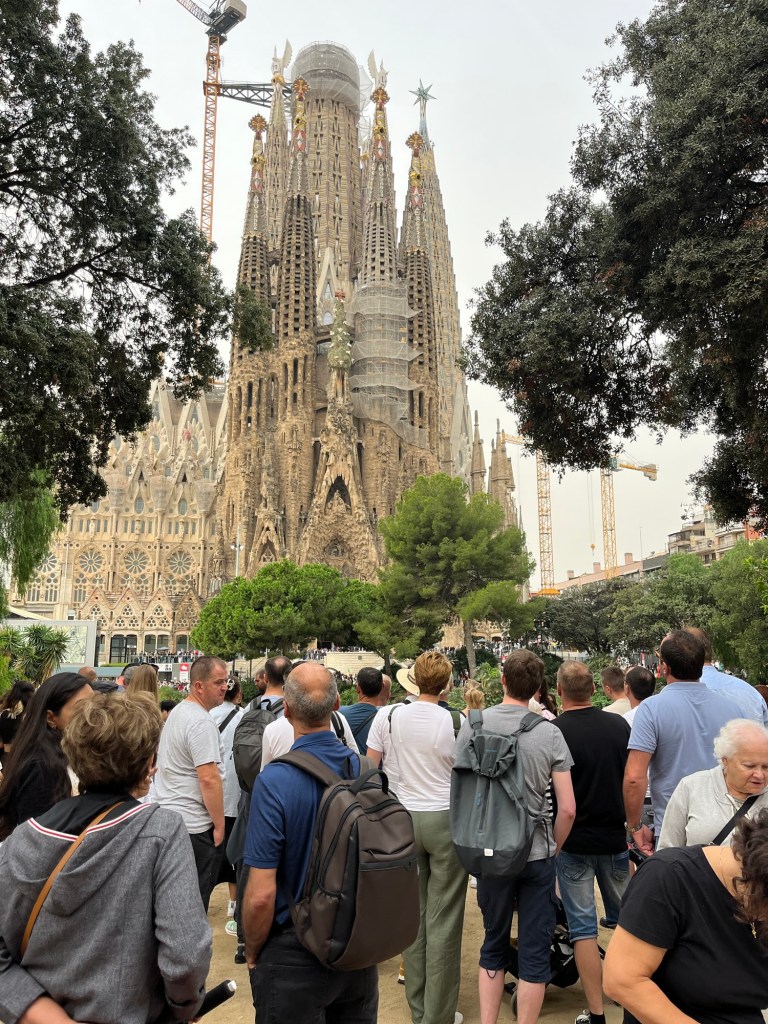
A year ago in October, we tried to book tickets to Gaudi’s Sagrada Família in Barcelona a week in advance. Sorry, nothing available during our four day stay. We walked by the building to at least admire the outside. Mobbed! The same was true of all the Gaudi sights. You couldn’t get close.
Maybe the new shoulder season is November/March. Or December/February.
Our solution has been to avoid the A list sights and cities, and look for more off the beaten track kind of places. That’s worked very well, but we have the luxury of 40 years of travel. We’ve already seen most of the A list sights and feel little need to see them again.
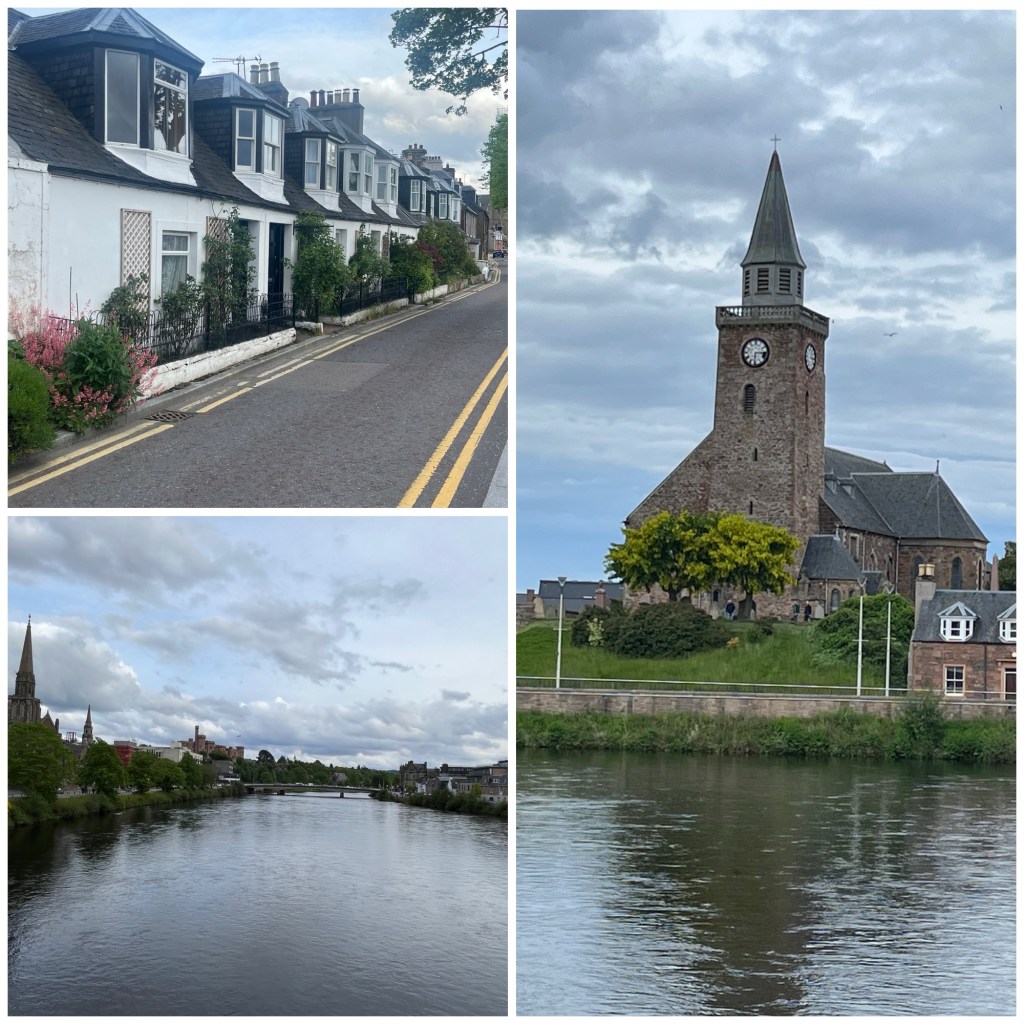
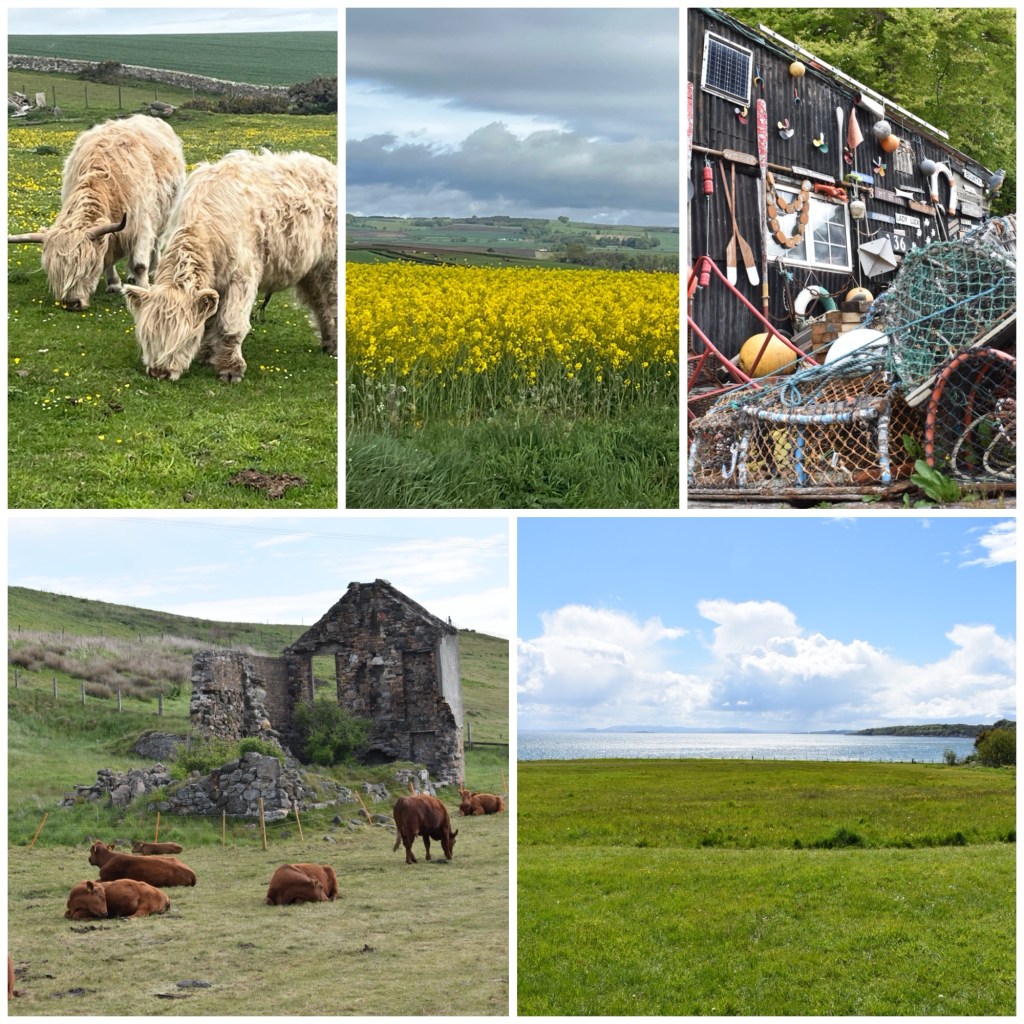
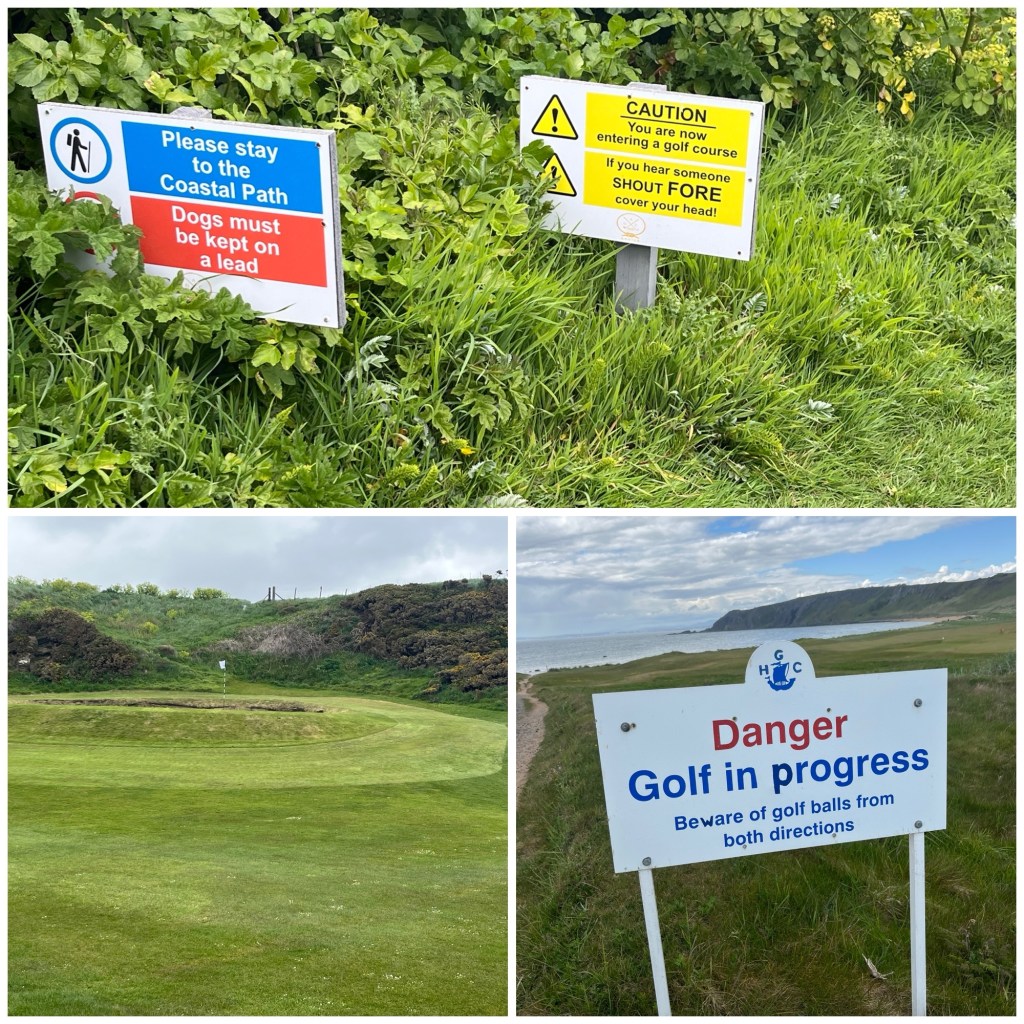
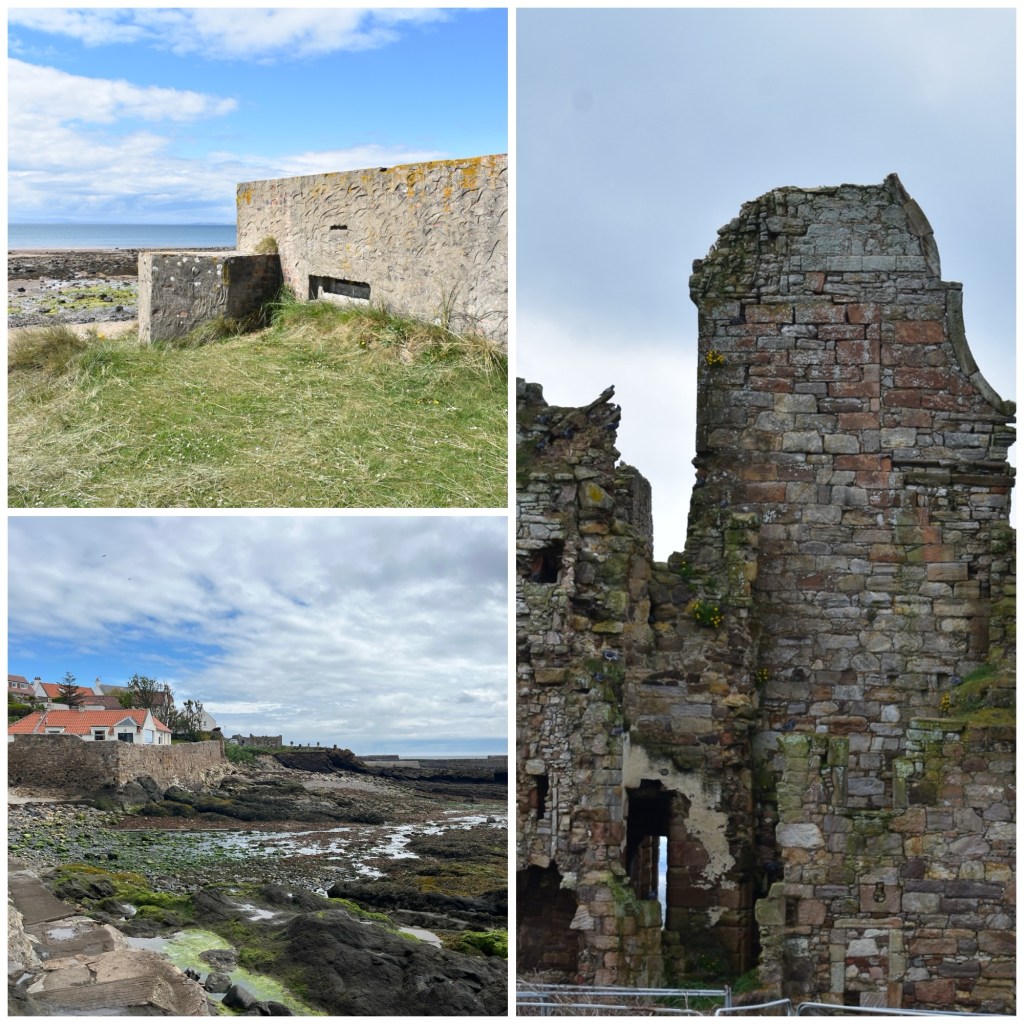
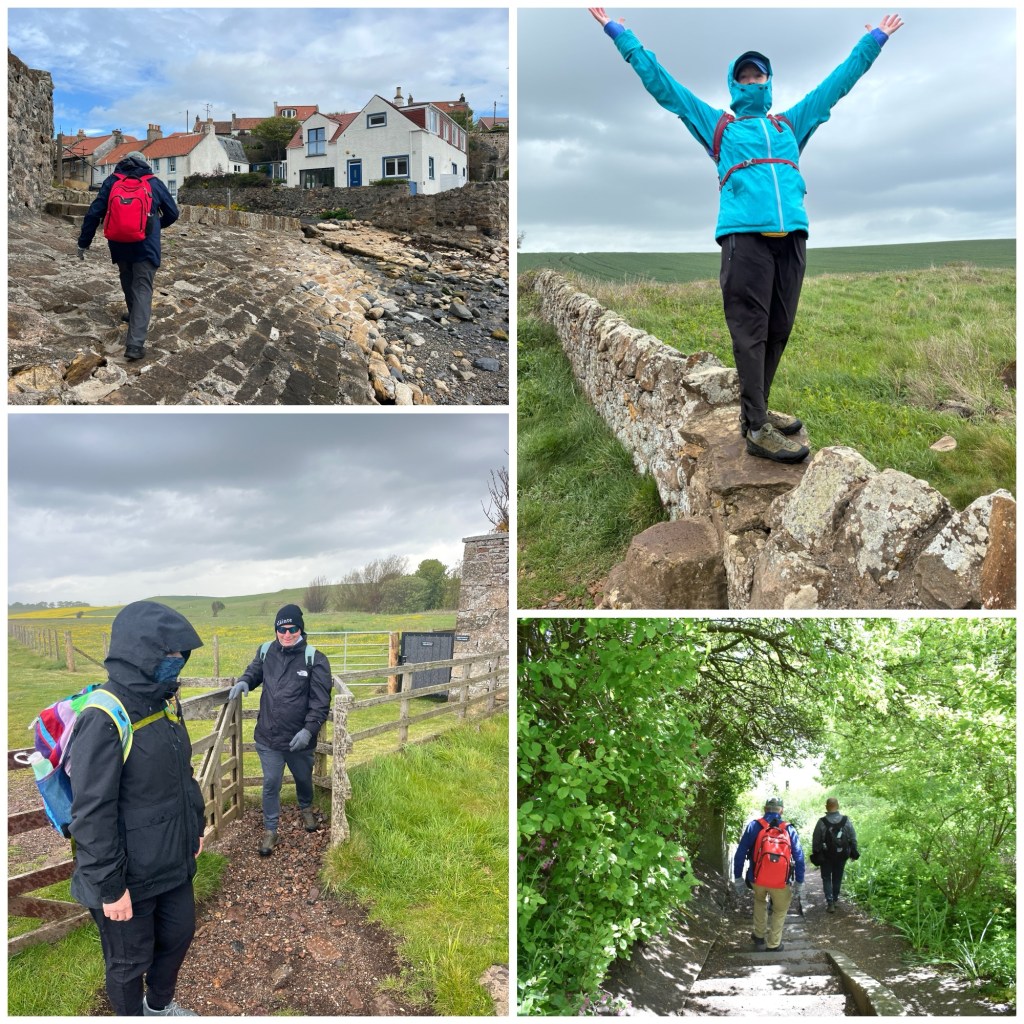
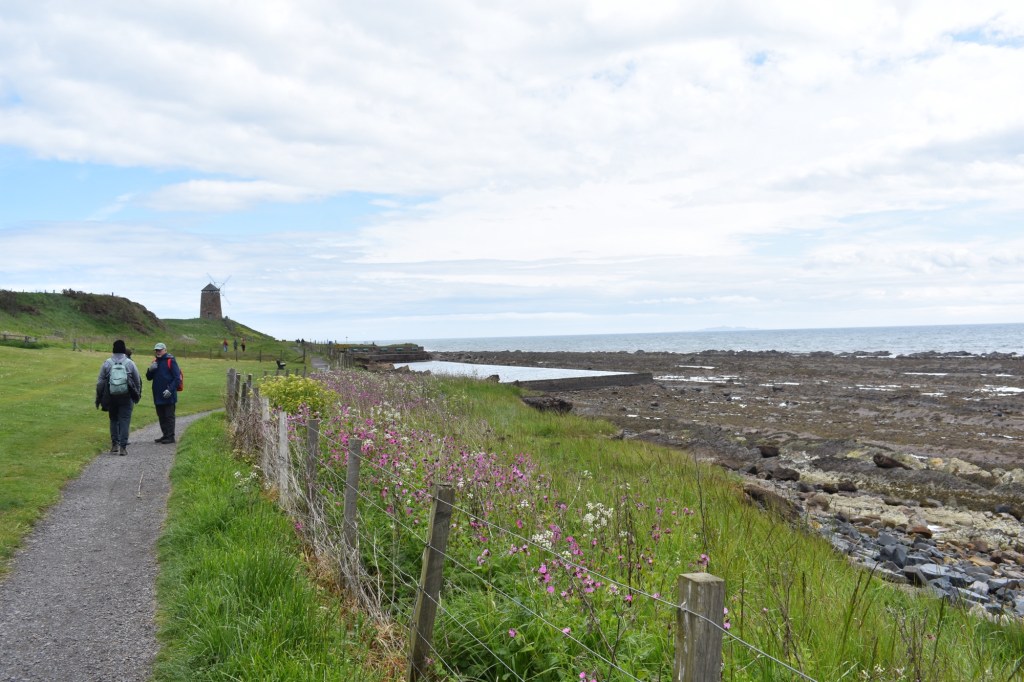
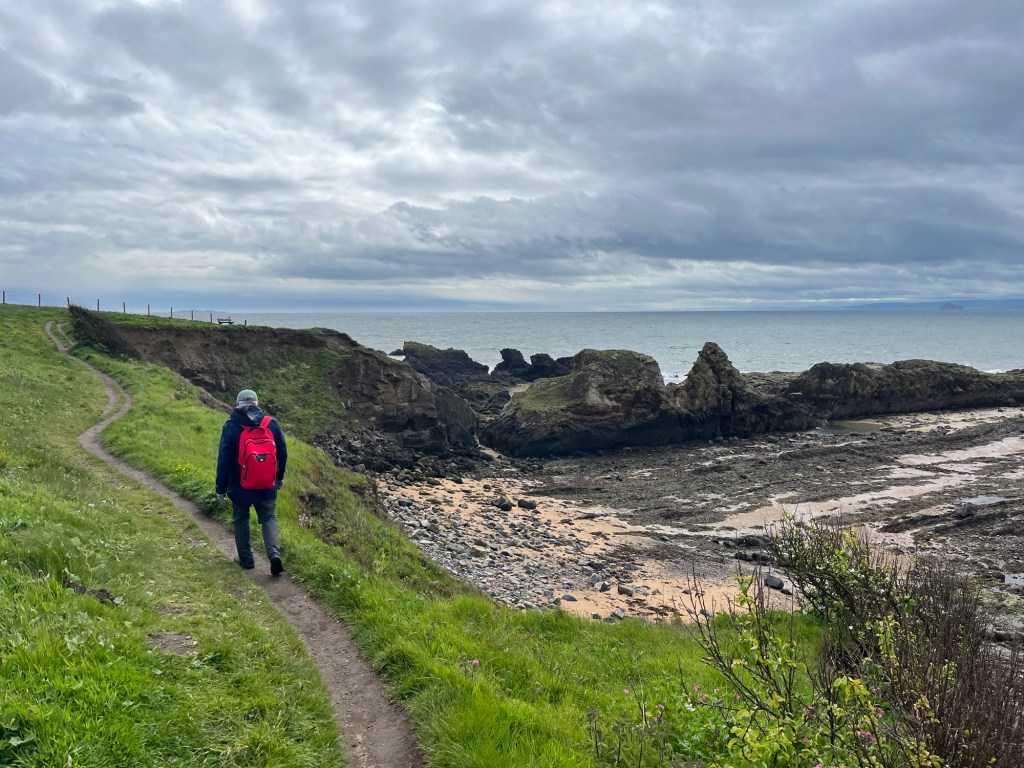
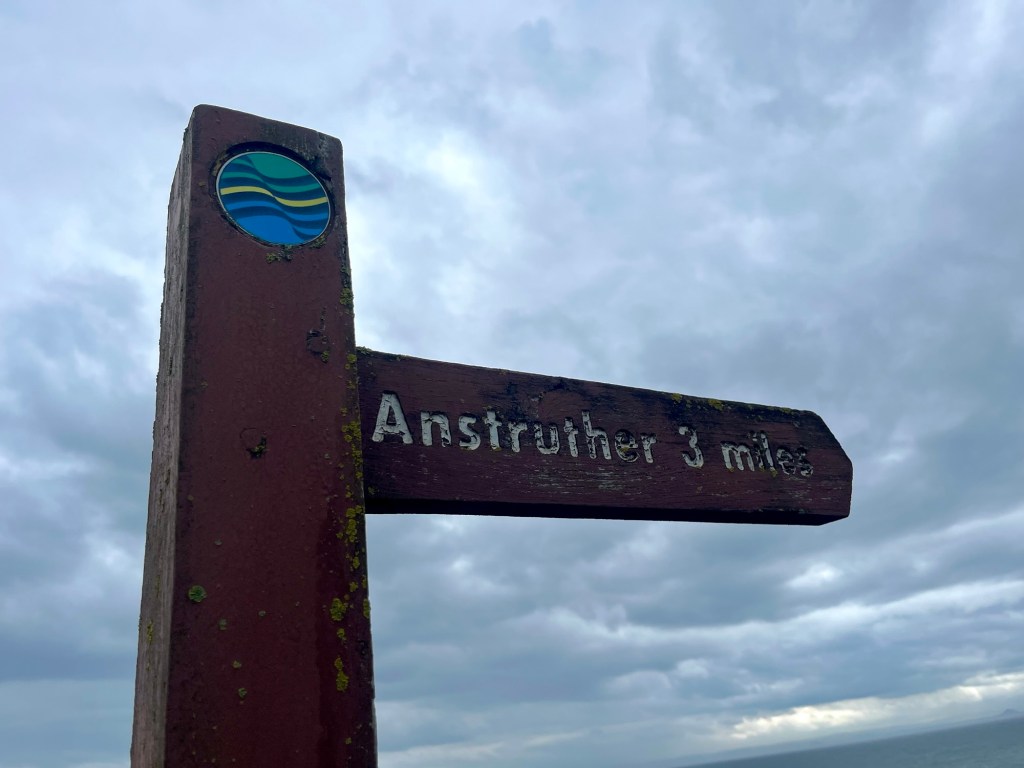
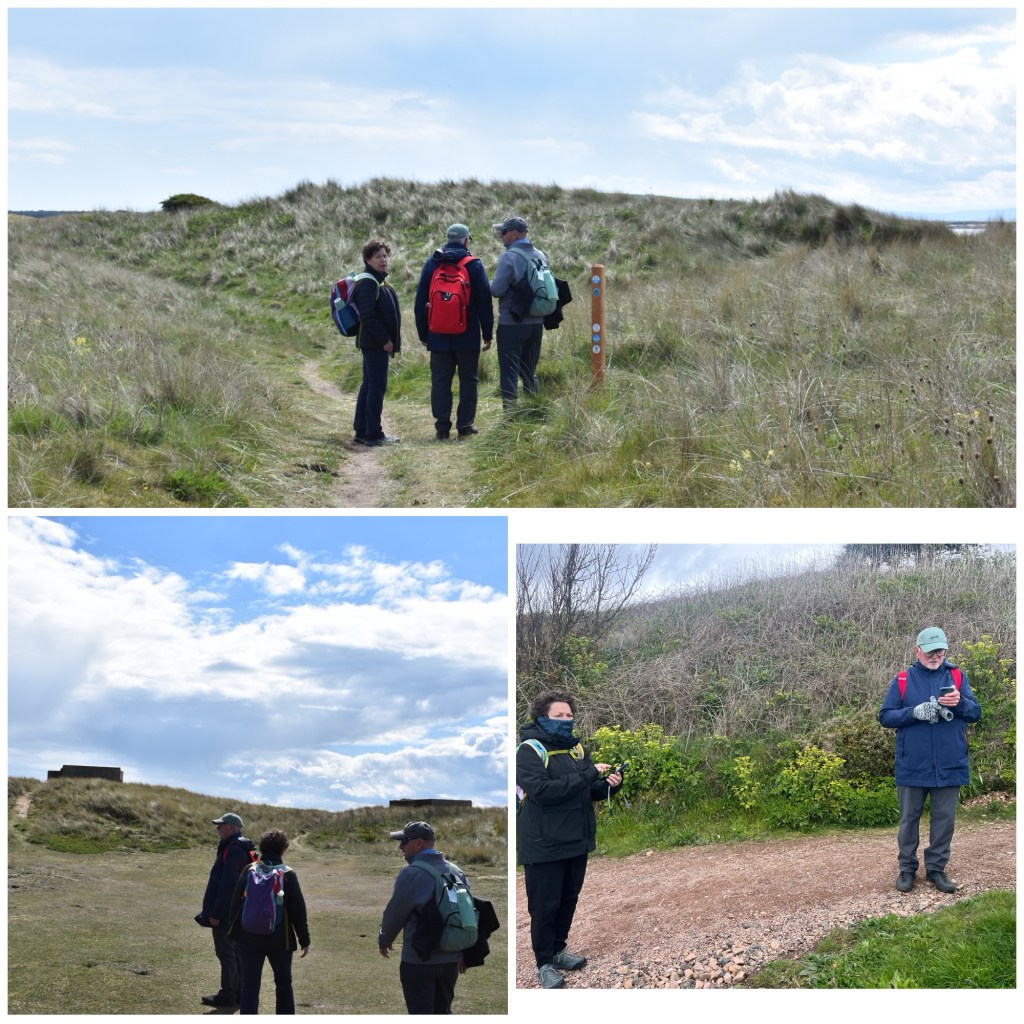
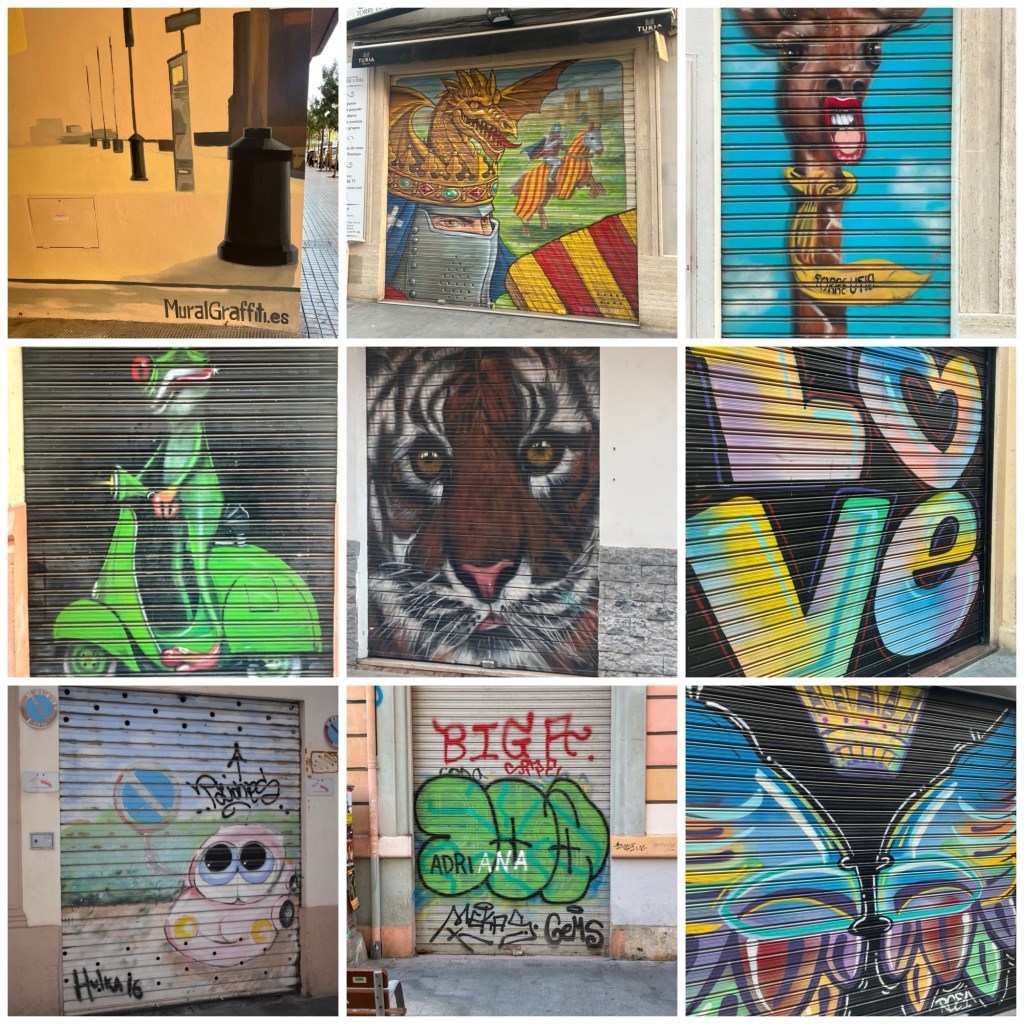
Satellite navigation—another modern miracle. We still do love a good paper map, but renting a car and driving on tiny rural roads in Scotland or through a city like Inverness in May this year with turn by turn navigation in the car or on a phone is a truly miraculous. We never got lost—not once. Not even close. And we were driving on the left side of the road. On our four day hike along the Fife coastal path, we used the app provided by Mac Adventures as our guide. Every time we had the slightest doubt, we consulted the app. Not a missed turn or dead end. Not a wasted step. In Valencia, the city provided a public transportation app for your cell phone. You plugged in the destination and it provided routes, complete with bus, tram, and subway numbers, times, and stops. Gone were days trying to figure things out by guesswork and paper maps. The first time we drove in Scotland 10 years ago we thought we were pretty modern when we took pictures of the paper road map on our iPad with its ability to enlarge the map for our older eyes. So old school now! Or the panic that ensued in Prague when our carefully plotted route was thwarted by road construction.
And back in the old days how many times did find ourselves at the wrong end of the city or driving into places where we had no business being. We once drove up a walking path in the middle of a cemetery during a funeral ceremony in Krakow. The mourners were not happy. Or down a street in Gubio Italy until it became too narrow for our small car to fit through — we had to back up several blocks. Another time we wound up driving down the pedestrian-only center of Sienna on to the Campo to the astonishment of the locals. How we got by the local police barricades to this day we don’t know. Fewer funny stories now, but pretty stressful at the time.
Years of traveling has taught us to roll with punches, adapt, learn new skills.
Yes, how things have changed—some for the better, some for the worse. Yet in some ways, the changes are pretty superficial. Now instead of cursing a detour that messes up our plans, we’re cursing poor cell reception and clunky websites. Instead of a travel agent guiding our choices, we’re relying on blogs, podcasts and AI recommendations. But we’re still loving every minute of our travel experiences.