Saturday night in Trapani


Since we arrived in Trapani, we’ve seen signs for Villa Martinez, but could never see the restaurant. Signs, like many in Sicily, measure the distance to the advertised place in minutes, not kilometers or yards. From all indications the place was within a hundred or so yards of our home base. Finally on our last day, we explored the side roads around our airbnb and found the restaurant, in a development of new homes, the kind of encroachment on the farmland our host vowed to resist. So tonight we returned to Villa Martinez for dinner.  And so glad we did.


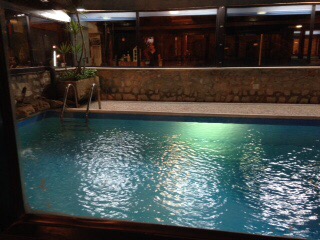
Villa Martinez is clearly a neighborhood, but an upscale neighborhood, joint. And it is kind of strange. The restaurant sort of wraps around an outdoor swimming pool, which became  the hangout for smokers as the evening progressed. We were among the first three or four couples to arrive, quickly followed over the next hour by parties of young parents, kids in tow, and dozens of people of all ages heading to a banquet hall on the opposite of the pool from where we sat. Pretty sure we were the only non-Italians speakers there, and more strongly suspect we were the only tourists of any nationalities this place has seen.

And the food? Great plate of grilled vegetables. Great salad of tomatoes and mozzarella cheese. Nicely grilled meats and fried calamari. It all arrived at once. No courses. No pretensions. But as good as the food was, it was surpassed by being part of an Italian Saturday night dinner scene. Loud, raucous, filled with good cheer and very little drinking, mainly coke and beer. We ordered the only bottle of wine we saw on any table. But babies in strollers. Kids playing hide and seek under the tables. Two young guests had brought their dolls to dinner. At the big table men sat on one end & women at the other with the kids. And almost everyone but us had pizza.

The wait staff bent over backwards to get our order right and to make sure all was well, but like most of the wait staff in Sicily, they ran most of the night, from table to kitchen and kitchen to table.  The banquet also added to the hustle as trolley loads of pasta were rolled out of the kitchen at one end to the banquet room at the far side of the pool.

Guess the moral to the story is get out of the tourist parts of town. Find the neighborhood restaurants (harder to do in Sicily than some other places) and enjoy.

Let’s talk Sicilian food

Anyone who travels to Italy should be thinking about food. Pasta, pizza, fresh tomatoes, and good wine. Sicily is a bit different. For sure, there is plenty of good food to be had; it just doesn’t all fit into what we think we know about food in Italy.

The food in Sicily reflects the history. The Spanish brought tomatoes, prickly pears and corn. Arabs brought citrus, all kinds of citrus, nuts and couscous. Greeks brought olives and grapes. Add those ingredients to the Roman cuisine and you get Sicilian food.

Of course, there is pasta. In fact, some think Sicily invented dried pasta. And given that Sicily is an island, lots of the pasta comes with seafood (for the record, I’ve been to lots of islands, however, where fish has been fished out and is hardly available). Pasta with sardines is traditional. Pasta misto mare (pasta with mixed seafood) is on most menus. Pasta with mussels or clams tempted us. Pasta Trapenese, a wonderful pesto sauce of almonds, tomatoes, garlic and eggplant, available only on the west coast, wowed us. With breadcrumbs in Erice may have been the best. But most restaurants offer only a handful of Sicilian pasta dishes, heavy on the seafood. The pasta dishes Americans know, Bolognese or traditional pesto, are rare.

Squid came grilled or fried and octopus was often offered as a salad. Couscous with fish reflects the Arab influence on Sicily. And like many of the fish dishes was dominated by the canned sardines or anchovy flavor that doesn’t appeal to every palate. Appetizers or antipasti also lean heavily on fish.

Insalata mista was a staple for us, often the only fresh vegetables we saw on the menu. Usually local lettuce & arugula, cherry tomatoes and corn. Yes, corn. Sicilians apparently put corn kernels in their green salads. And sometimes add mozzarella and/canned tuna. The other vegetable dish we saw on almost every menu was caponata, a mix of sautéed eggplant, tomatoes, zucchini, garlic and olive oil. It ranged from outstanding to very good, and was usually offered as an antipasto, more rarely with meat..

We’re not big into sweets, but generally enjoyed the couple we tried. Heavy on the use pistachios or almonds and lighter on the sugar suited us just fine. And, of course, gelato. Pistachio gelato has a rather unappetizing color, but the taste is divine. Cannoli still on our list to try, but only with riccotta.

As for wines, Etna red wines were the best. We drank the Trapenese simply because we were there. Stick with Etna wines.

Sicily seems to offer fewer farmers’ or peasant markets than we saw in Tuscany, Umbria or Provence. Instead, particularly in the northeast, small trucks sell farm fresh produce. What we saw there surpassed in variety anything we saw in the restaurants. A pale green cauliflower, not romanesco, but shaped like our traditional cauliflower. Several kinds of green beans, including romano. And several kinds of summer squash. But none of these made it into the menus.

Pomegranates are big, particularly in western Sicily. A symbol of fertility and bounty, many small towns had stands set up to squeeze you a fresh glass of juice, sometimes mixed with oranges. That, too, is on our list to try.

BTW, do not miss the arincini, the deep fried rice cakes, often in a cone shape.  We met a woman in Rome going through passport control who told us the best arincini are in Taormina. So following her advice we tried them there. And in Cefalu. And in Trapani. Basically they fall into two categories, great and good. Fresher is better. Beware of the places that have them sitting out on display and then heat them up for you in a microwave. They’re just good. We learned to prefer the meat variety – a stuffing of beef, tomatoes and cheese. The other option is ham and cheese which seemed bland. One was often enough for a light lunch.

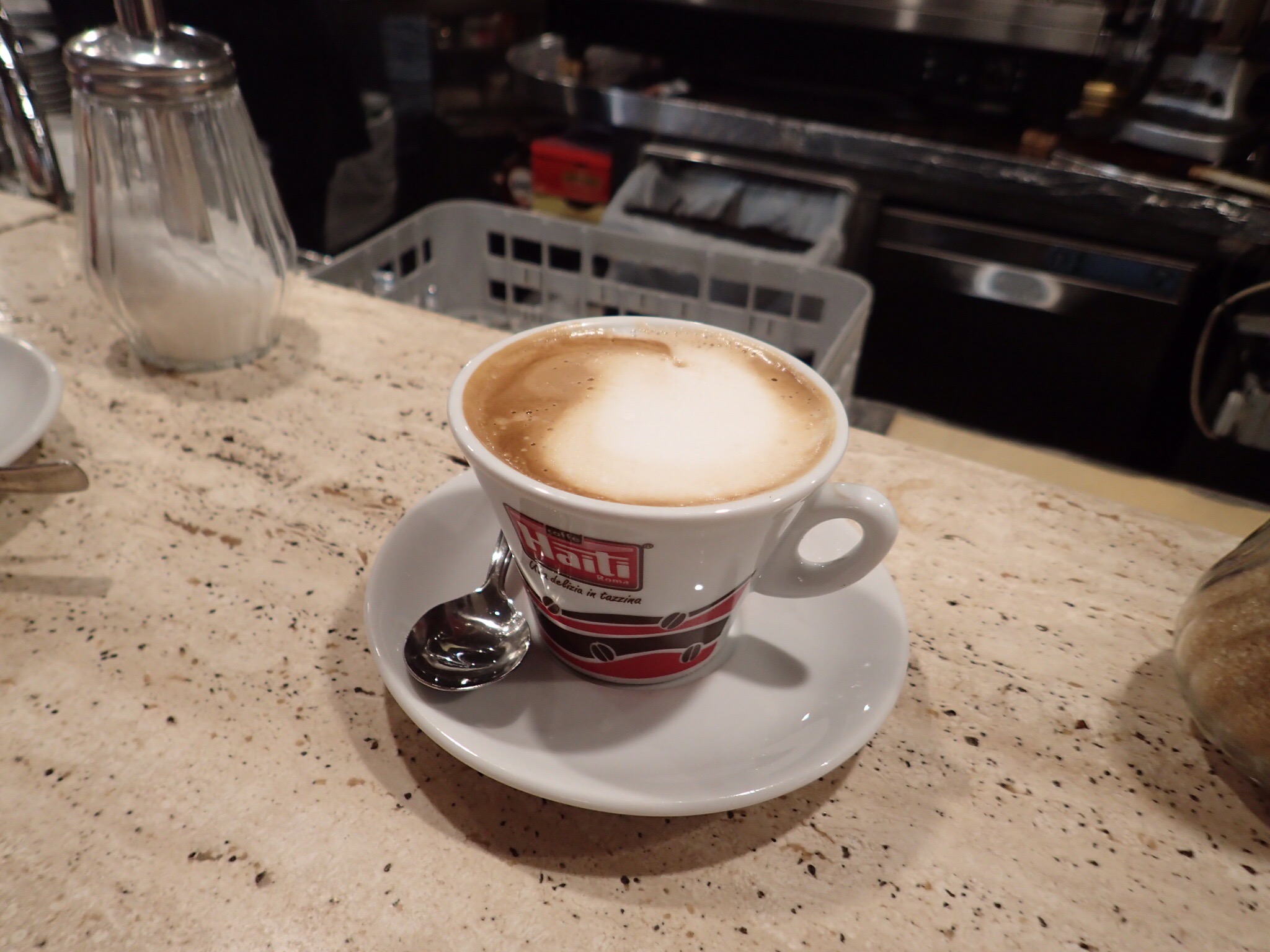
Espresso! Espresso. Don’t know how the Italians do it, but without a doubt the best coffee we’ve had anywhere. From road side gas stations to uptown restaurants, coffee rocks.

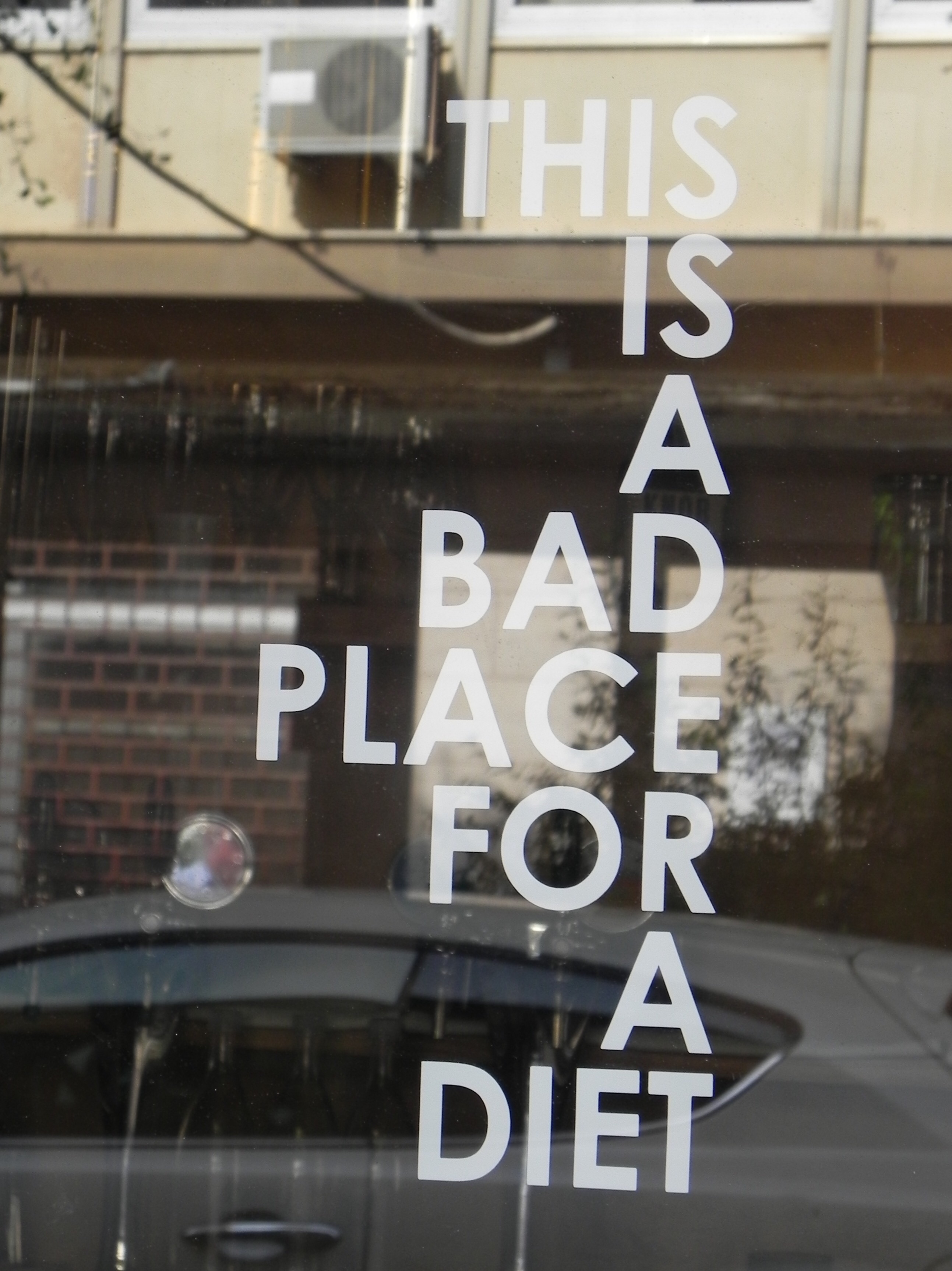
When it come to food, perhaps the best advice is a sign we saw in Marsala:

Where luggage goes to die

It wasn’t pretty.  In the dark corners of the Fumincino airport, down corridors dusty from lack of use, and behind locked doors dozens of pieces of luggage sat forlorn, abandoned.  They started out just as our bags had.

The story of luggage began simply enough.  To avoid the excessive fees British Airways charges for reserving a seat (above & beyond ticket costs — reserving seats to and from Italy would have added $600 to our total cost) we opted to check the website 24 hours before the flight and take what seats were left.  What got lost in the process was that we had checked in two bags for our Alaska connecting flight. 

No worries.  We arrived in San Francisco and the helpful BA representative caught the mistake and corrected it.  All taken care of she said.  Nearly 10 hours later we arrived in Rome, but our bags didn’t.  We watched the  carousel go round & round, hoping they were just going to be late.  Finally we accepted that our bags were MIA and joined  the line of other travelers with lost or damaged luggage.  Being Italy the line was a bit casual, but very vocal with lots of hand gestures.  Filing the paperwork turned out to be surprisingly easy and efficient thanks to the Italian subcontractor for British Air, Avia.  And we were told to call BA the next morning and provided us with back-up phone numbers for the airlines and the local contractor.

Only big concern was we were in Rome for less than 48 hours before heading on.   Could BA get our bags to us before we left Rome?  Multiple flights a day from Lond to Rome.  Sure.  The next day British Air reassured us our bags were on their way.  Strangely, however, they were about to be separated, one arriving in Rome before dinner and one after, but regardless they would be delivered to the hotel.  When we came back from dinner the bags had not arrived but the front desk sent us to bed with the comforting idea that delayed bags usually arrived around midnight.  That’s where the story takes a dark turn.  Midnight came and went and no bags!  A morning call to BA confirmed the bad news.  The bags were now officially lost.  They had been in London but were there no more. We were advised to file a claim if they didn’t show up in five days, but  BA offered no idea how they might be located.   They had lost the electronic trail.  Sorry.  Nothing more to be said.  Clearly, they were done with us.

Luckily the local contractor was more responsive.  After a desperate call to them, and while not offering any promises, they invited us to come search the rooms at Romes’s airport where luggage goes to die.  Getting back into baggage claim took some doing, complicated by the dozen or so other people also trying to swim against the security current.  But we made it.  

Again we stood in line for owners of lost luggage until we were escorted back into the non-public areas of the terminal.  In one room we found only my bag sitting in a long line of lost luggage, broken infant car seats and crushed boxes.  We were readyto abandon   the search for Peter’s bag when our escort explained without much enthusiasm there was a second room.  And there we found Peter’s bag sitting on a shelf.  Our escort seemed happier than we were and explained he thought we had no chance to find the bags.  Unbelievably, our two bags escaped the place where luggage goes to die!

Moral to the story.  Don’t lose your baggage claim tickets and always pack an extra set of clothes in your carry-on.

Doesn’t get old

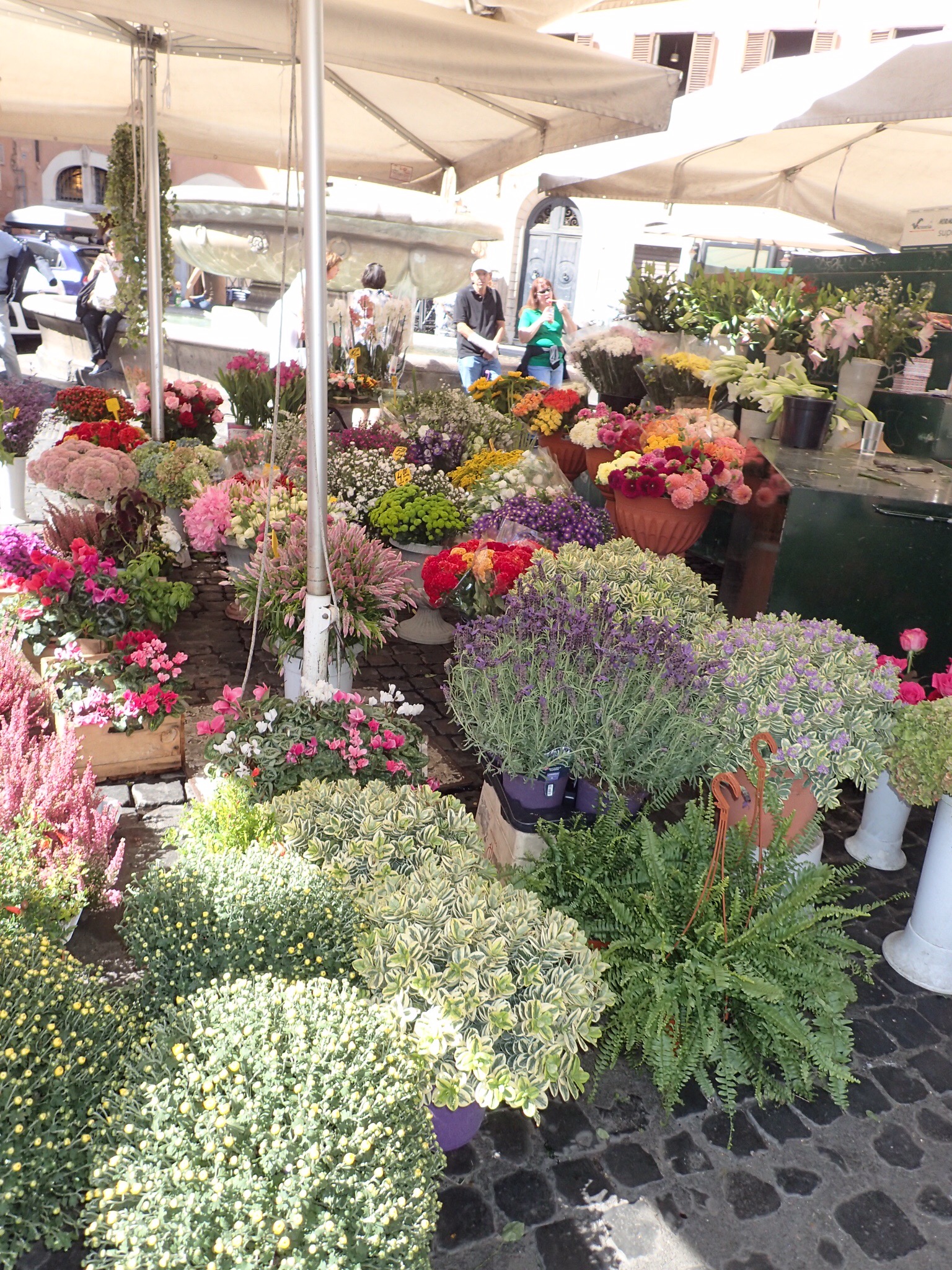
Coming back to Rome feels like meeting up with a old friend you haven’t seen in a long time.  On our first trip here nearly 20 years ago we found a hotel, The Smeraldo, that fit our budget, was centrally located and just around the corner from the Campo Di Fiori.  Each trip since this hotel has been our headquarters which is probably part of the reason we feel so at home in Rome.  And yet each time we’re here, we end up finding a never-before-seen street in the maze within a couple hundred yards of The Smeraldo.  

We’ve toured all the major sites — Pantheon, Forum,  Colosseum —   years ago.  Now we just soak up the spirit of the city and wander through the morning markets.


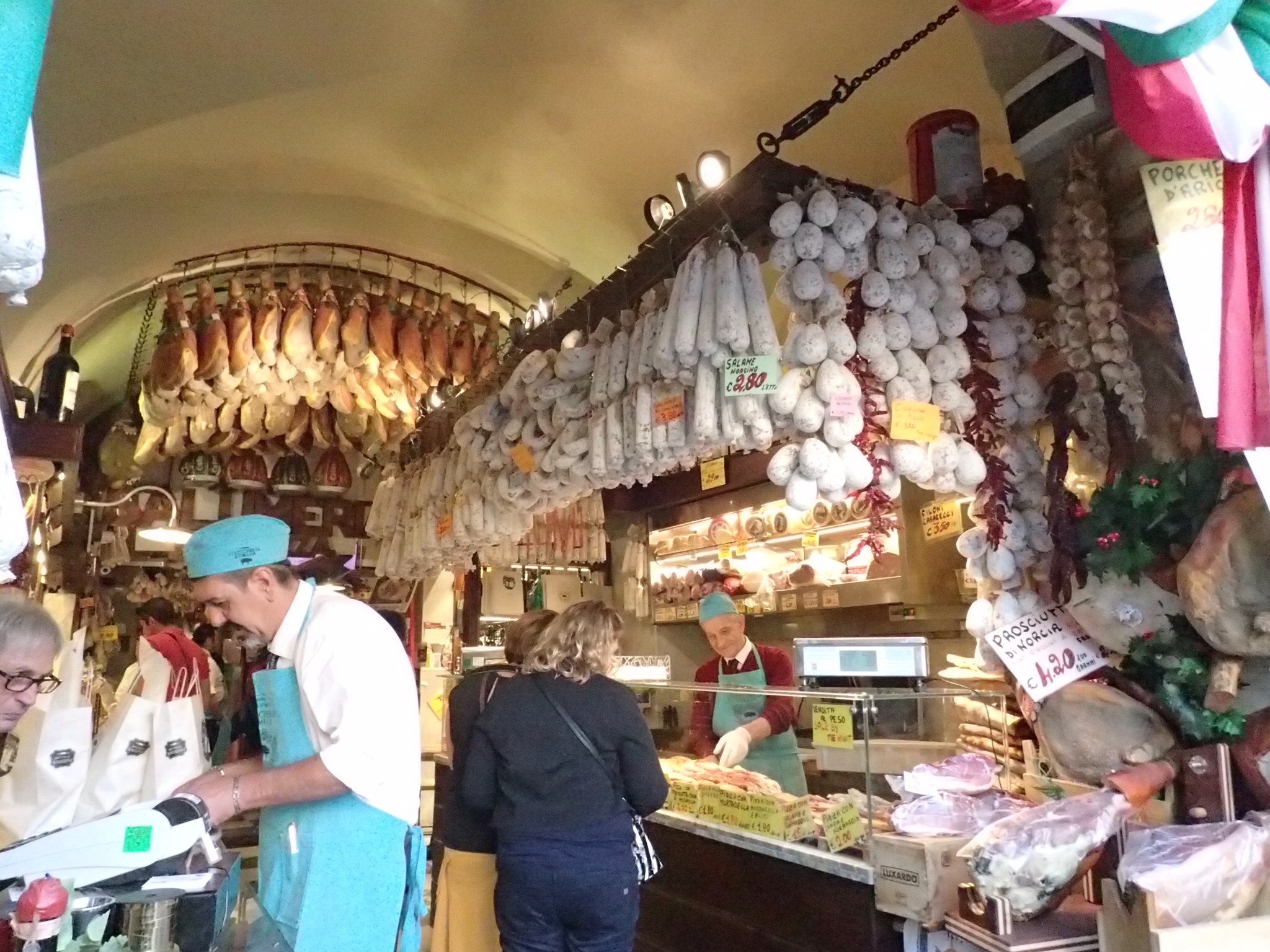
And we eat and drink.  It’s hard to find a bad meal in Rome, although we do have a few rules.  If the restaurant has a guy out front luring tourists in, walk on by.  If there’s a sign out front offering a tourist menu, keep looking.  Go beyond the main square a few yards down smaller streets and you’ll find better food at better prices, but usually without the great people watching & romance the main squares provide. If there is one or more drop dead gorgeous women dining, plan on the male wait staff ignoring you.  And be sure to order what maybe the best part of any meal in Italy — espresso!  However, order your espresso with milk only in the morning!

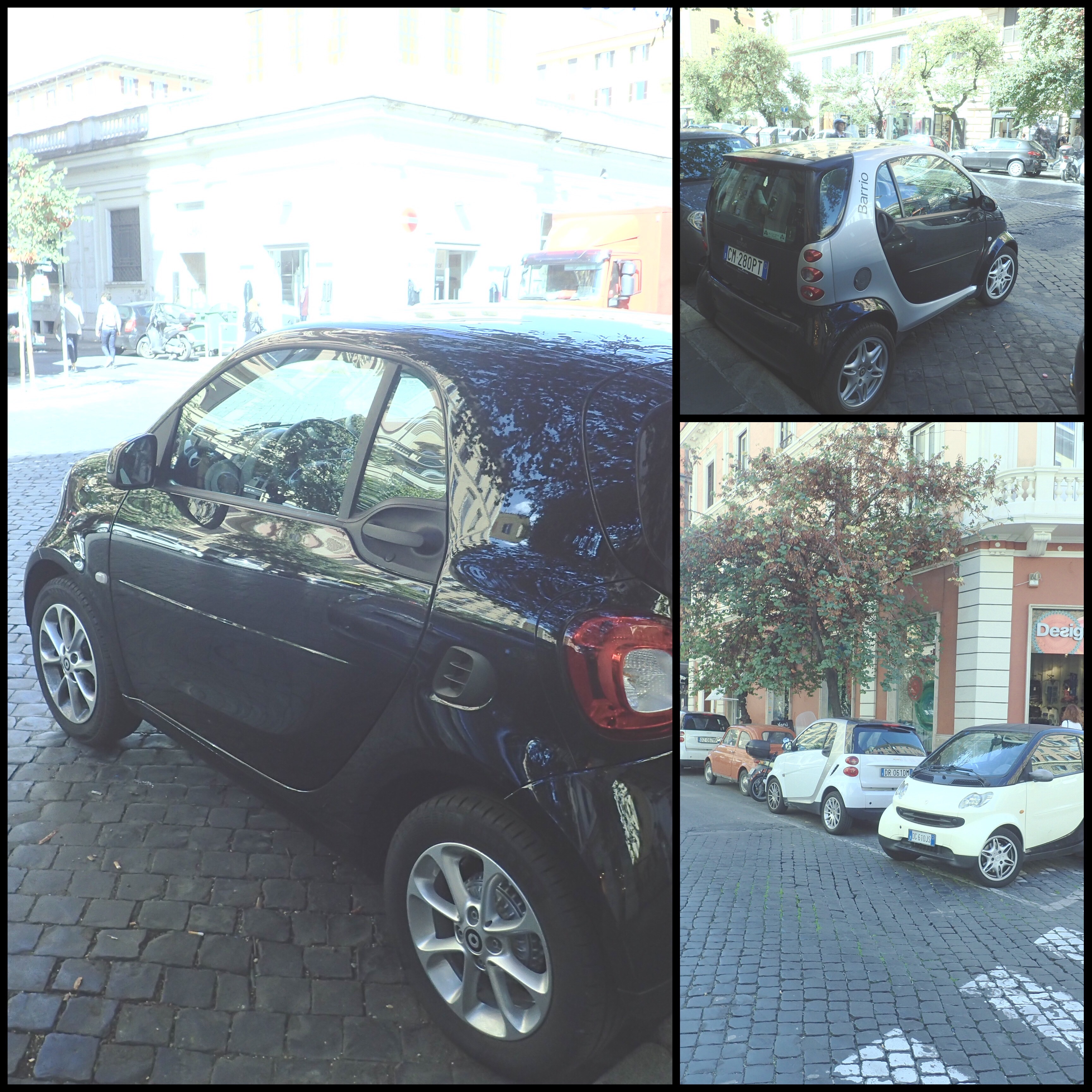
And like the best kind of old friend, Rome still surprises & delights us.  This trip, as recent converts to the ease and economy of Smart cars, we were amazed at the proliferation of this little gem every where.  We started counting how many we would see parked in one block — 3, 4 or more not uncommon.  And given the parking and narrow streets in Rome, home of the well-dressed man on Vespa, not a surprise.

At one point we had thought traveling in Europe in September would be perfect — good weather, best of the summer harvest and fewer people.  Guess we’ll have to take two out of three.  Yes, the temperatures in Southern Europe are nearly ideal for touring.  And the food available in the markets is amazing.  But the crowds are as large as any we ever saw traveling in July and August.  Partly it’s the global economy with more folks from more countries able to afford travel.  Partly it’s aging baby boomers who are retiring and traveling in droves.  And I suspect it is also Millenials and Generation Xers who place a higher priority on travel.  Whatever the cause, Rome is packed in September which would mean for first timers and site seekers, book as many museum and historical site tours you can ahead of time to avoid the long lines.  For those returning again and again, plan on soaking up the ambiance of Rome and exploring new, less well known neighborhoods.  Bottom line:  travel in September is better than July and August if you change your expectations.  

Where in the world?

IMG_7707

Somewhere along the line we decided to add push pins on a work map for every city we’ve stayed in. At first we color coded the trips by year, both domestic travel and overseas.  We ran out of different colored push pins.  Then we started adding white or black dots to the top of colored pins we had.  Ran out of those, too.  Too many different cities and too few colors of push pins.  So now it’s just which ever color we grab first.

It’s fun to see where we’ve been and how many parts of the world remain unexplored.  Obviously, we need to spend some serious time in the Southern Hemisphere!

A while ago an acquaintance asked me who was the trip planner in our family, me or Peter.  The question had never occurred to me, but when I thought about it, I realized Peter does the heavy lifting for our big trips.   It was my idea to go to Sicily on our next trip, although Peter thought I made the suggestion just to distract him from an issue that had him in a stew.  Not true, but it did work.

But once the destination is chosen, he pours over the books — we always figure buying a couple of books in the cheapest part of the trip — searches the internet and reads the magazines articles.    I add requests, suggestions and have veto power.  “Let’s do a food tour” or  “I want to be there on market day”  and “Let’s stay at least two nights in each place.”  Rarely do we disagree, at least at this stage of the trip, but we do discuss the options endlessly.

There was a time when we traveled spontaneously, booking rooms only after we had arrived in an interesting spot.  But that was when we could pick up a charming  room with breakfast for $15 just outside of Budapest.  No longer.

Airbnb’s and Homeaway’s have become our default lodging.  We like being in a real neighborhood and attempting, however feebly, to blend in with the locals.  “Our” coffee place and “our” cheese store.  Having a kitchen means breakfast isn’t a restaurant meal and when we get laundry facilities that’s a real bonus over washing out the undies in the bathroom sink.  And we recognize these rental units have become controversial, and acknowledge there are issues to be addressed.  But for now they work for us.


37 years and 29 trips?

As we packed for our next departure just a week away, we decided to count up all the trips we have taken outside of North America.  29, or maybe 31, depending upon how we count trips — he went to the Republic of Georgia and I went to Armenia; does that count as one or two trips?  I went to Japan in October and he went in November, but on the same teacher program; one or two?  Bottom line: our trips together add up to about 30 trips in 37 years.  And with this blog, we intend to reflect on our next trips, because we are not done traveling yet!

As teachers for a couple decades, we had summers free for travel, albeit cheap travel mostly.  Plus we used all the opportunities we could find to travel on some one else’s dime –teacher study programs abroad, taking students, and various university programs — all in the name of finding adventure, in the big world outside the US.

Now retired after spending the last eight or so years of our careers in jobs that didn’t allow us to travel much.  A week here or there, usually with sun, sand and a couple good books. But now we have the time and luckily the health and resources to feed our desire for more.  Bags packed!