New Horizons in Costa Rica

We wrote a blog several years ago about how comforting it was to travel back to the familiar.  You know the stores, restaurants, the roads.  What to see, what to avoid.  And yet we also usually find something or some place new to explore.  This was our fifth trip to Costa Rica and again, we were planning on spending part of our time in Potrero, our home base, on the Nicoya peninsula on the Pacific side.   Lovely beaches, decent tourist infrastructure, but not over taken by souvenir shops  Then a few days in Monteverde chasing birds. But this time we would add a trip down south to the Osa Peninsula.  A new horizon. 

What is stunning about Costa Rica is how many completely different climatic and geographic regions are packed into a small country.  Dry, almost desert on the North Pacific coast, tropical rain forest on the mid Pacific coast, even more dense, hot tropical forests further south, the temperate central valley, the cool Cloud Forest in the mountains, the Caribbean lowlands, and the high southern mountains. 

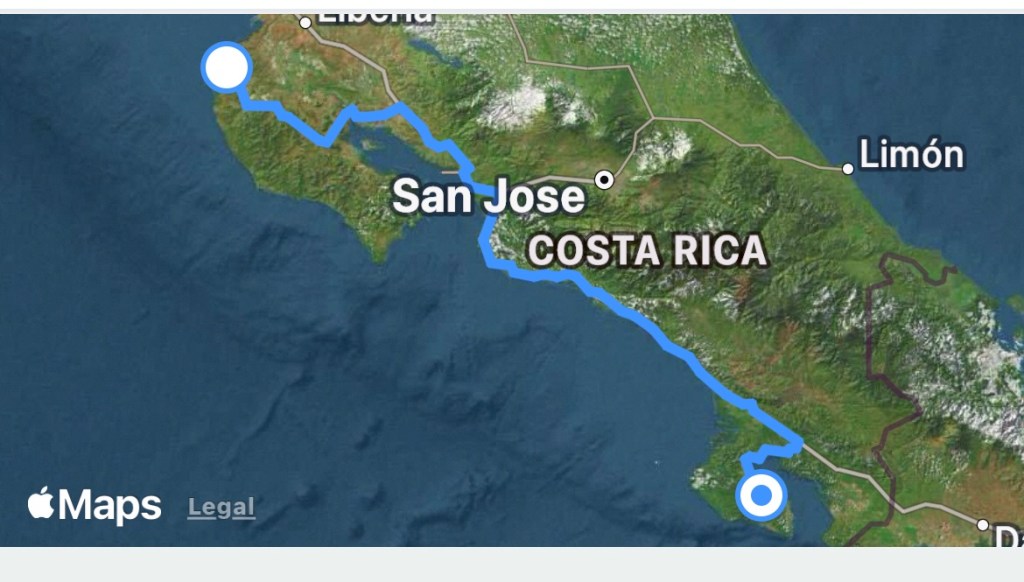
Osa is a long drive from San Jose. Even longer because you inevitably find lots of construction zones and a very slow truck or two to follow for tens of miles. So we decided to stop in Uvita on the central Pacific coast along the way to break up the trip.  

Some suggest our first stop, Uvita, is an alternative to the more touristy Quepos and Manuel Antonio, just a bit further down the road. It’s a town with no main square or center, and has one main attraction—the Ballena Marine national park. This very unusual park has a huge sand spit that from above looks exactly like a whale’s tail.  Unfortunately we were there at high tide; no whales tail but a gorgeous beach.

It was also prime time for the humpback whale migration so dozens of small whale watching boats were being launched through the rough, heavy surf, occasionally dumping a tourist or two into the water.

We spent two days there exploring the national park, looking for monkeys, watching birds and walking the beautiful local beaches. A good stop along the way to the Osa Peninsula.

The Osa Peninsula is one of the more remote parts of Costa Rica—very different than where we’ve been before. We read that this area was less developed, less touristed than our previous haunts. It’s in the far south, super tropical, on the Golfo Dulce (the only tropical fjord in the northern hemisphere). The peninsula is almost entirely a national park, the Corcovado National Park, and mostly inaccessible except by boat or long hikes, as in three and four day long hikes with a ninety minute boat ride from Puerto Jimenez before you even start to walk. Spectacular wildlife—birds, monkeys, sloths, tapirs, jaguars, and snakes—lots of snakes.  One of the real natural treasures of the world—it said to be the most biodiverse place on the planet. 

Fortunately, it is possible to drive down the eastern side of the peninsula to Puerto Jimenez, a little run down village of mostly Ticos, some expat hippy/yoga types, and a few serious eco tourists/birders/hikers. You can drive further south on a dirt road with multiple stream crossings to Carate, but we wisely chose to end our drive at Puerto Jimenez. The town houses the main information center for the national park and you book your tours there—you must have a guide to get into the park.  There is also a small airstrip with flights from San Jose, Liberia and Quepos should you not want to make the long drive.  It was little disconcerting when we were sitting at a local restaurant at the port when a small plane buzzed by seemingly inches over our heads.  We noticed none of the locals flinched.
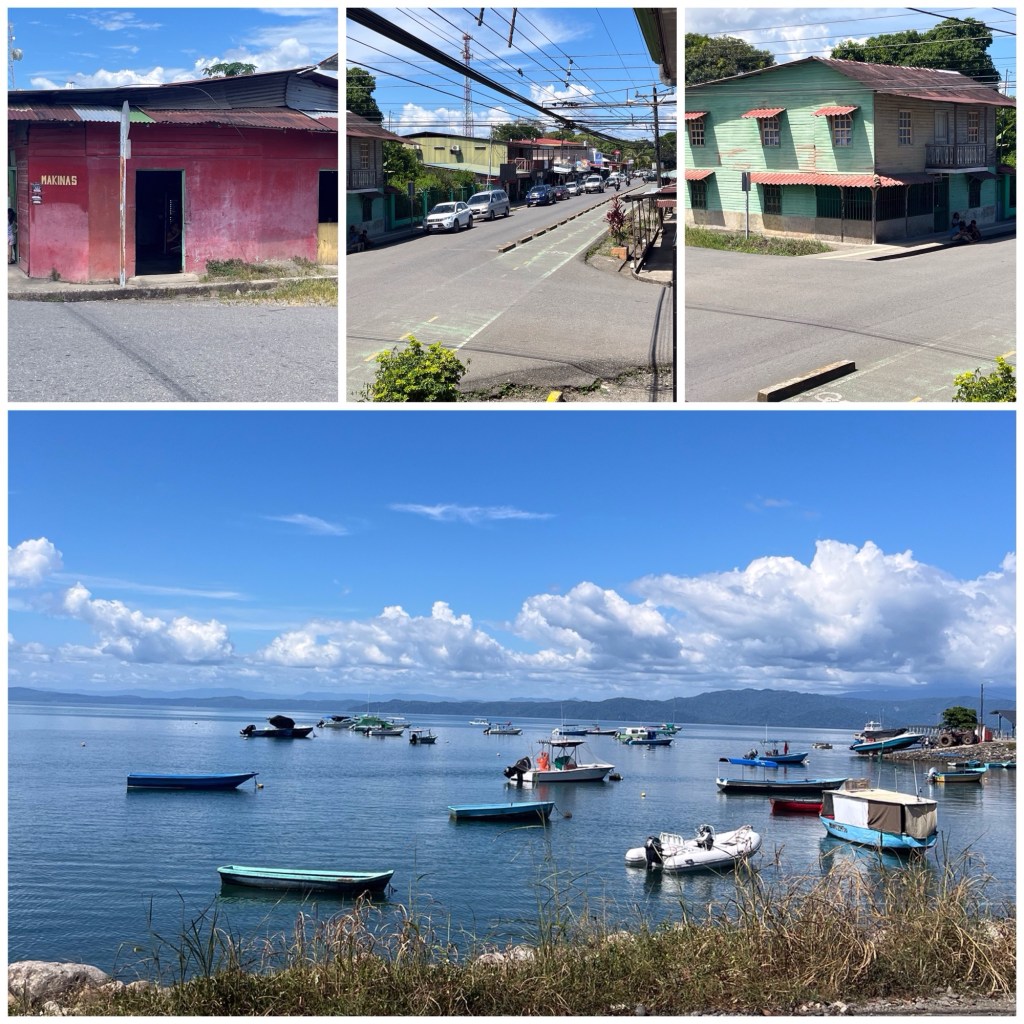
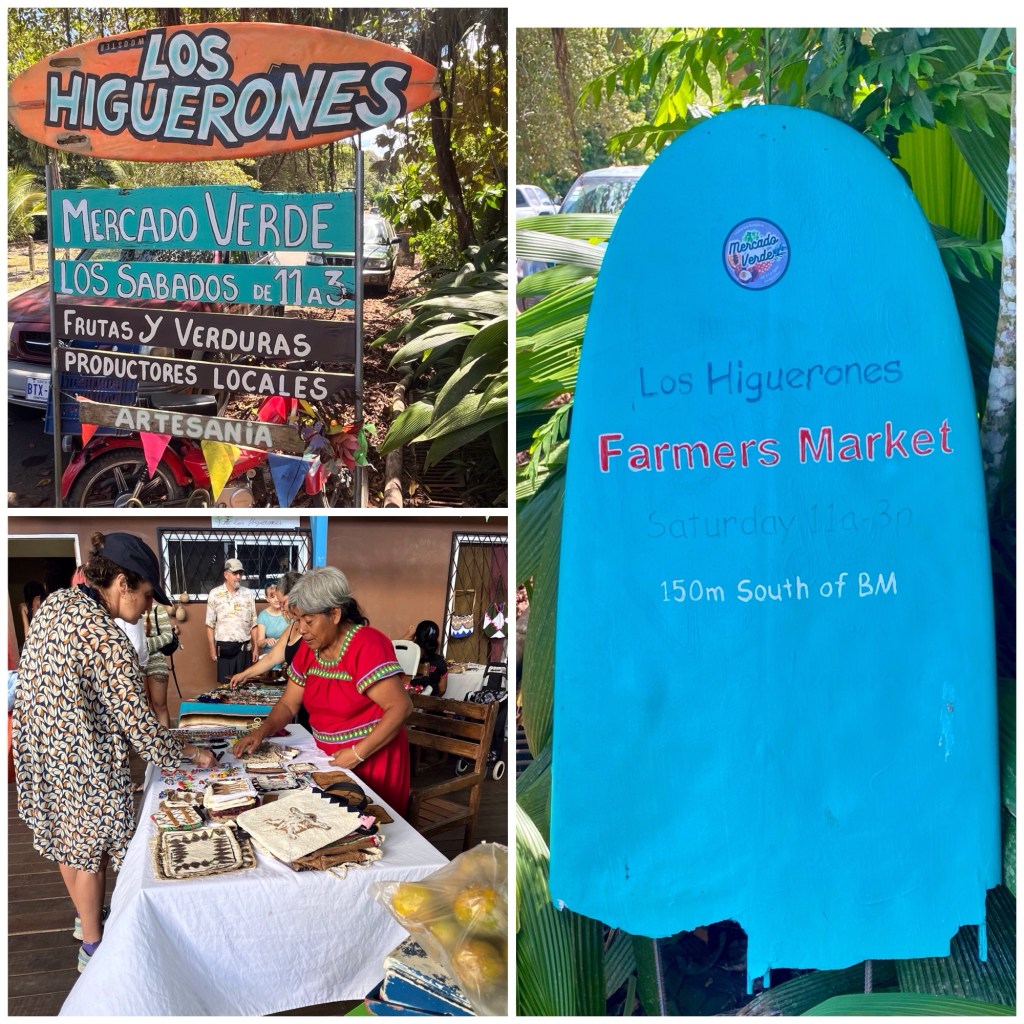
There’s not much else to the town. A few restaurants, couple of yoga studios, a gas station, a BM grocery store, and a heavily advertised Saturday farmers market that takes five minutes to see but includes some indigenous people’s crafts..
Just a few but very rugged miles outside of town is another of Costa Rica’s gorgeous beach’s—Playa Preciosa. From here you can almost see Panama.

Part of Osa’s charm is its lack of serious tourist infrastructure.  So we had a hard time finding a place to stay except for a few very upscale eco resorts.  We wound up in the Corcovado Private Villas.  We think it might have been an eco resort that fell on hard times in during Covid. We had been warned a four-wheeled vehicle was required. The website gave us a GPS waypoint that took us up a steep dirt road that reinforced the idea we needed four wheels.  Unfortunately when the GPS announced “you have arrived”  we were in front of nothing but a barbed wire fence.  So, of course we drove on, using all four wheels on our car, as the road became progressively worse.  Back home we would have called it a mountain logging road. Luckily, a kind local on a motorbike recognized we were somewhere we didn’t belong and led us back to civilization.  Of course, this part of Costa Rica lacks reliable cell reception as in we had no “bars”.   We had to backtrack several miles to get cell service and a new set of directions — different but only slightly better.  We finally arrived.  Our traveling partner in the backseat had her eyes closed most of the way up to resort, muttering occasionally “oh my goodness.”  The “check in” guy, Esteban, listened rather calmly to our annimated story about getting lost and told us he too had gotten lost a few days before using the original directions.  We suggested that maybe they might want to delete those directions from their website.  

The complex consisted of a dozen or so separate units spaced some distance from each other along the steep trail to the top of the hill. There we found the pool, hot tub and “restaurant”  which served an inclusive breakfast and you could order a dinner in advance with a very limited  menu.  Oh, and the whole stay was cash only and it was very unclear who you paid and when. Nobody seemed to be in charge but we figured somebody, sometime, somewhere would take our money.
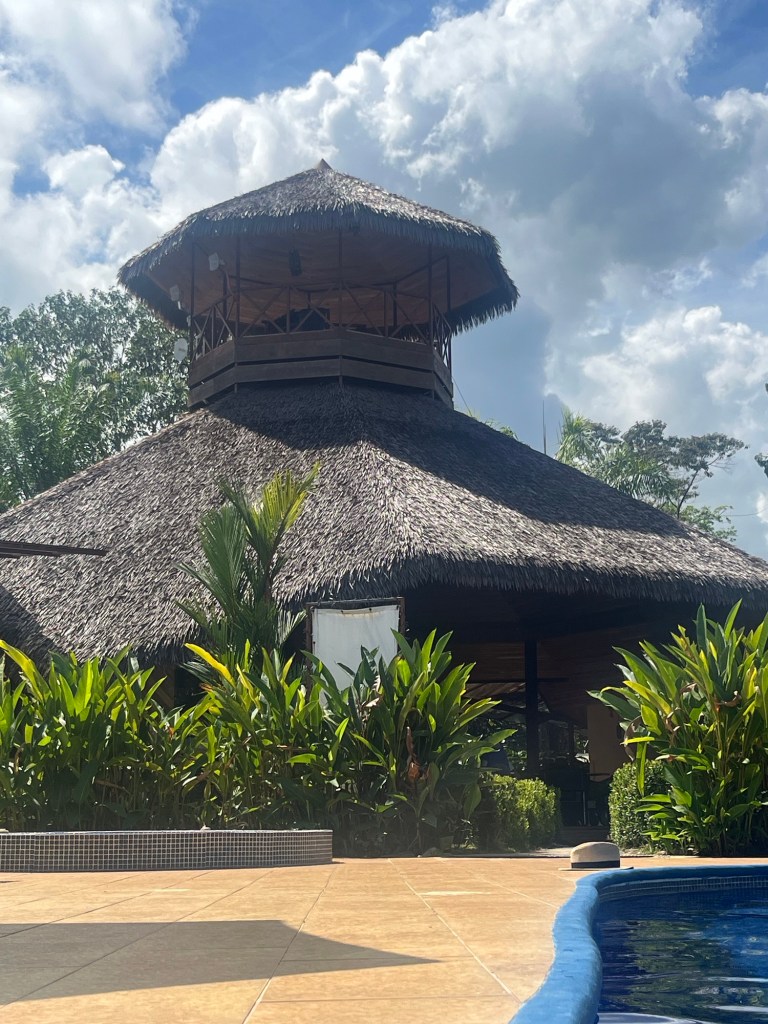
The villas themselves were a bit run down, with few amenities, but very serviceable.  And with gorgeous views of the green jungle teeming with birds and a few monkeys just a few feet from our balcony.

The upside, and it was a huge upside: the 70 acres of amazing tropical forest right adjacent to the national park.  Some of reviews said the wildlife here was better than what they saw in the park.  While we are not truly serious birders, what we experienced in the few days on the property could change our minds.  Toucans, fiery billed arcaries, multiple varieties of parrots, lineated woodpeckers, and dozens more.  At least several new life birds for us. 
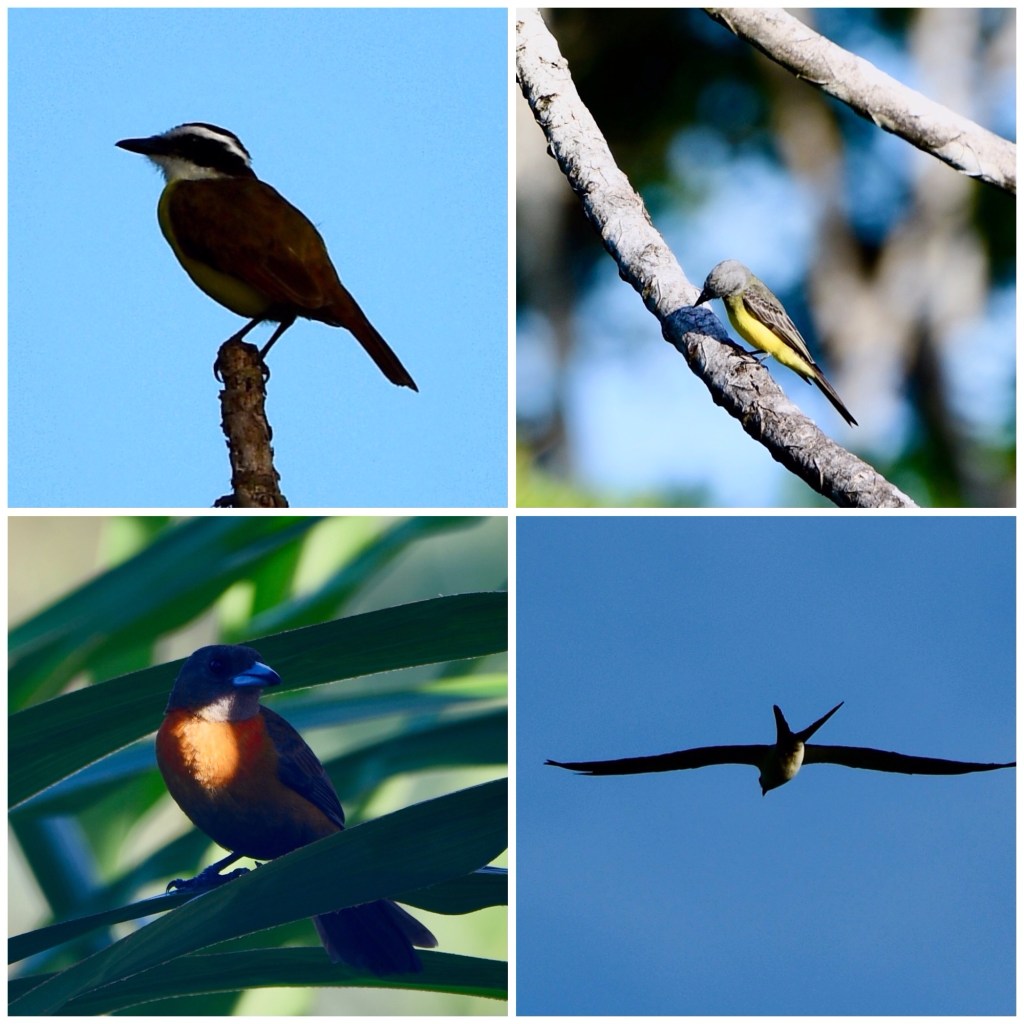
But the star attraction were the scarlet macaws—a very large bright red, yellow, blue parrot with the most awful loud sqwauk of a call which you could hear for miles.  Our villa and common area seemed to be a macaw freeway with birds flying over all day, stopping to rest in the nearby trees.  What a show.  A very loud show.
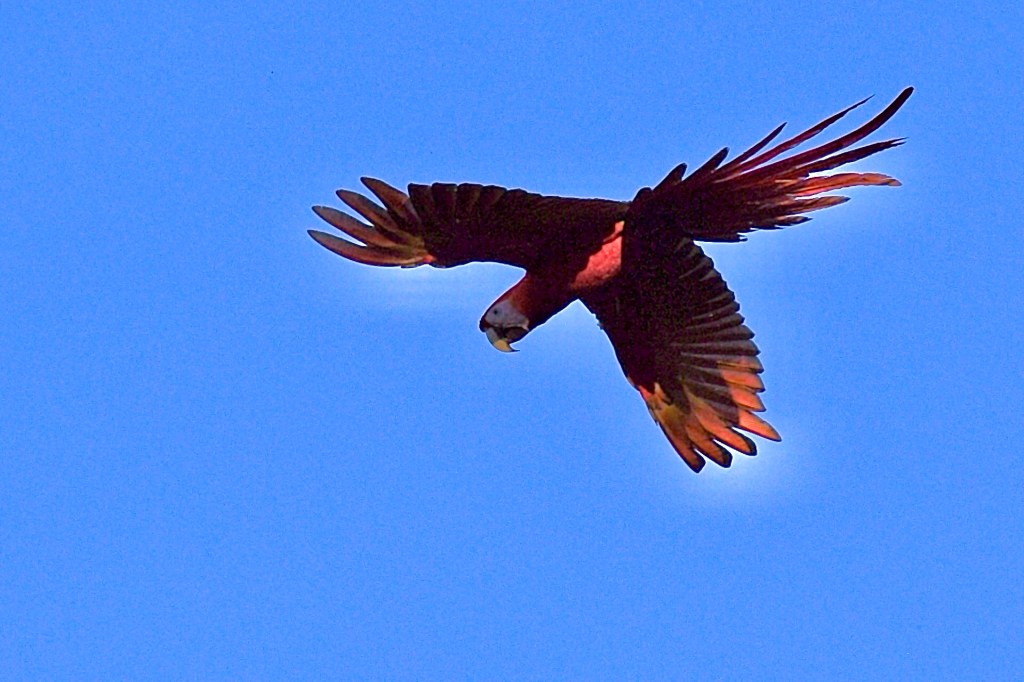
And you could see most of this from a magnificent infinity pool at the top of the property.  In one 45 minutes stint in the pool, we saw white faced monkeys, yellowed throated toucans, green parrots and, of course, lots of scarlet macaws, plus monkeys just a few yards away peeking through the foliage. Pool birding was a new experience for us. As we said, we aren’t serious birders. 
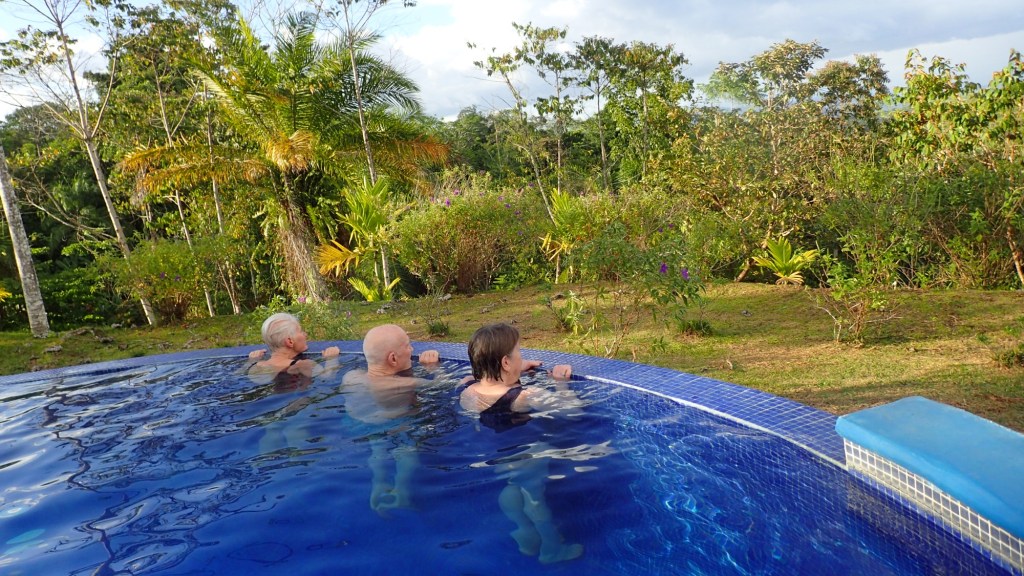
And the dinner, humble as it was (arroz con pollo) was very good. However, the parting comment from our young server as we walked home to our villa was a little disturbing, “Be careful of the snakes.”  We walked with all four iPhone flashlights focused on the ground.

Yes, the property needs work and serious investment.  But if they ever upgraded to a high-end eco resort, we probably couldn’t afford it.  By the way, while writing this in our villa some white-faced monkey is having a shit fit not far away.

The Osa Peninsula surprised us by living up to its reputation — a natural wonder, still largely pristine, a biodiverse sanctuary, and one Costa Rica’s many different climatic and geographic regions. It’s also a great example of Costa Rica’s commitment to preserving natural habitats by setting aside huge areas as national and provincial parks.  

It gave us a lot to think about on the 10 hour drive back north to Potrero— basically nearly the entire length of the country.
London Lemonade

Well,  it finally happened. 

Westminster

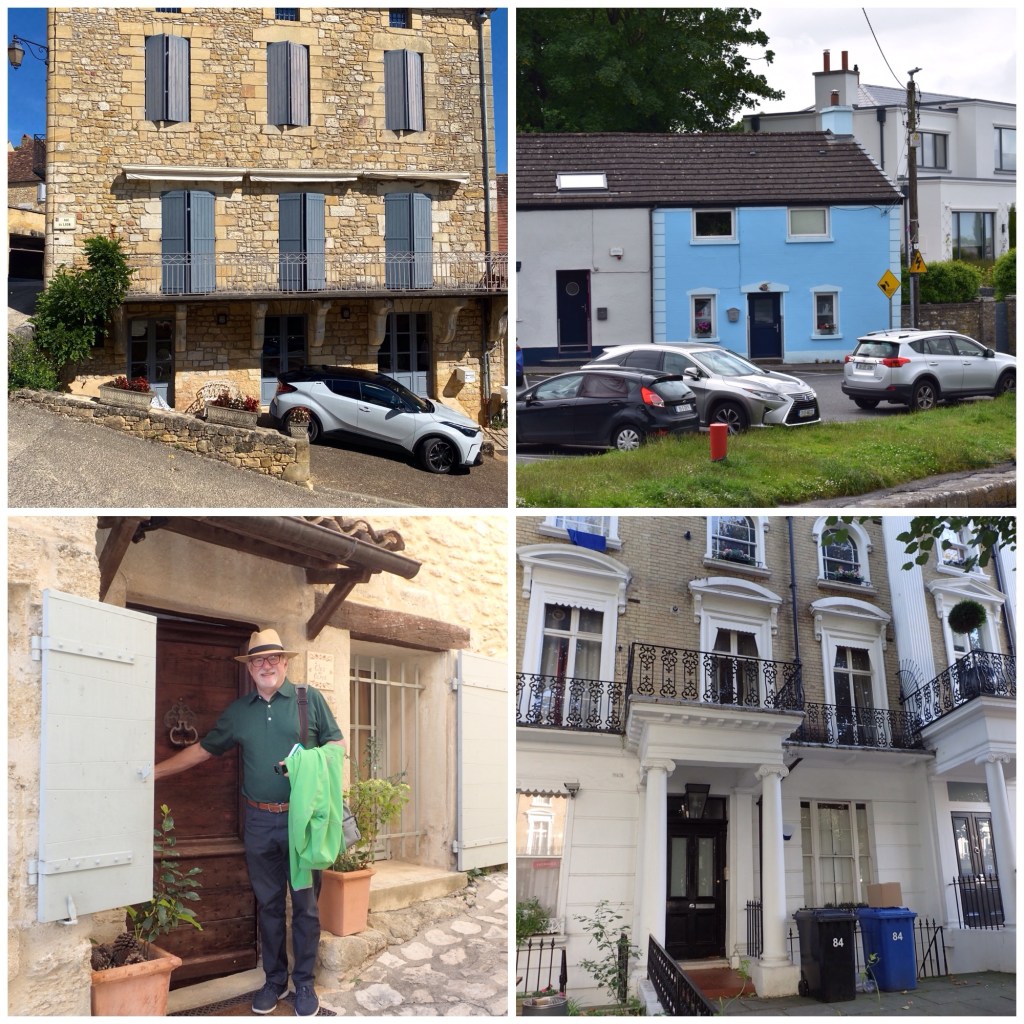
We’ve used AirBnB’s for years with amazingly good experiences.  Some truly fabulous accommodations—a gorgeous 19th century house in the Dordogne, a spectacular modern villa in Istria, a stunning apartment overlooking the Opera House square in Palermo, a fisherman’s cottage on an Irish bay. And dozens more great stays.  And never more than a minor problem checking in—and even that was very rare. 

Some of our “homes” over the years — St. Cyprien, France; Kinvarra, Ireland, Uzés, France, and London, UK

This time was different.  

We flew to London from Seattle, traveling with another couple.  Three nights in London in transit to a month in Spain near Valencia. After going through customs and immigration at Heathrow, our travel companion checked her e-mail only to find out that the AirBnB she had booked for the four of us had been cancelled. The notification was sent to her while we were in the air. Panic, disbelief, anger, grudging acceptance, action. The five steps of travel grief. 

We had arranged a driver, Kevin, to pick us up at Heathrow and take us to a luggage drop (surprisingly—at a dry cleaners) near our now non-available apartment.  We had a very early arrival so we needed someplace to store the luggage until the 3:00pm check-in time.  The issue was where now to tell Kevin to go.  Fortunately, it’s a long drive into London so we had some time. We told him to go to the original drop off address until we found a new temporary home.  Kevin was a charming, upbeat fellow.  A talker. “No worries, mate!  London’s a big town— you’ll find something.”  

Three cellphones were in now in full operation.  Our friend was on the line to AirBnB customer service to find out what the hell had happened. (Note to self—always have that number for future rentals).  After several calls back and forth she discovered the property had been sold.  The lack of notification from the owner violated AirBnb policies. Small comfort to us.  Ironically, we had read an article several months ago describing this exact issue with short term rentals. As property values sky rocket in cities like London, the owners can make more money selling than continuing to do short term rentals. 

Now we had to find something fast. Really fast. Two of us were furiously checking other options.  Lots of discussion and passing of phones among the four of us.  Too small!  Too far from the center!  Too expensive!  Ugly!  But then, even before we hit central London, Eureka!  We found a new place, and booked it.  It was in Westminster near St. Vincent Square—15 mins walk from Westminster Abbey and the Houses of Parliament. Fit all the criteria we had laid out.

“Home” Sweet “Home” second try

A second quick search  found a new luggage storage place close to our new home—a small postal services store. (Seems these luggage storage places are either in dry cleaners or private postal service shops.  Wonder why?) And Kevin delivered us there safe and sound.  AirBnB customer service transferred the payment to our new booking and provided a small discount for the inconvenience.  Actually, they were very helpful.  Done!

Thoroughout the drive into London, our cabbie had been reassuring and upbeat. London cabbies are a special breed.  The test to become a driver is actually a series of tests, mainly oral, that replicate the kind of nice or obnoxious, demanding person who might be a passenger.  The process takes at least 18 months, more commonly 2-5 years depending on the amount of time the person can devote to study.  As one cabbie told us, it may be easier to get a law degree. Most cabbies we have encountered are well versed on London history, know how to get to the most obscure addresses and are simply charming. 

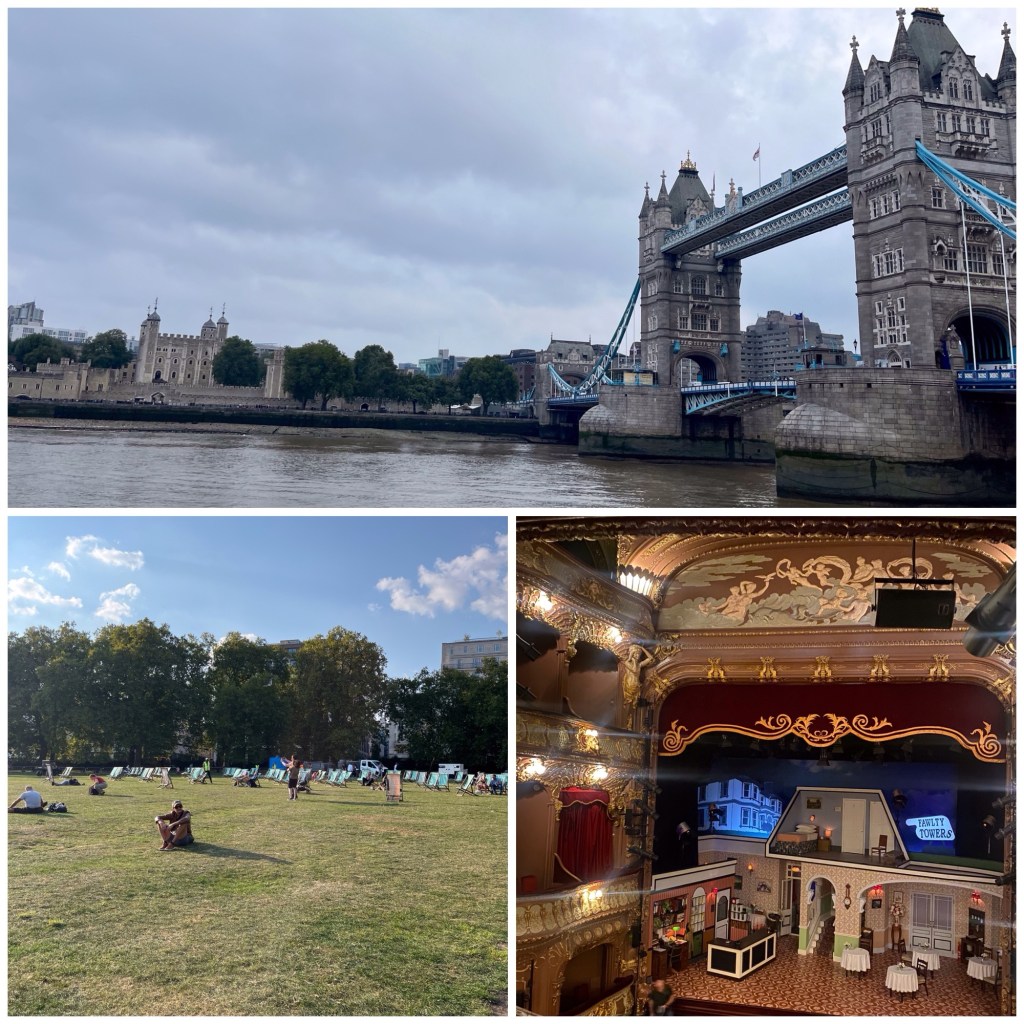
Once quickly settled into our new home, we had three lovely days in central London. We took in the evening prayer service at Westminster Abbey (free and offered at 5:00pm in place of Evensong some days) to the lucky hundred or so who show up first) saw a West End play (recreation of the old Brit TV comedy, Fawlty Towers – delightful) strolled the south Thames river walk past Westminster through China town and the Green Park.

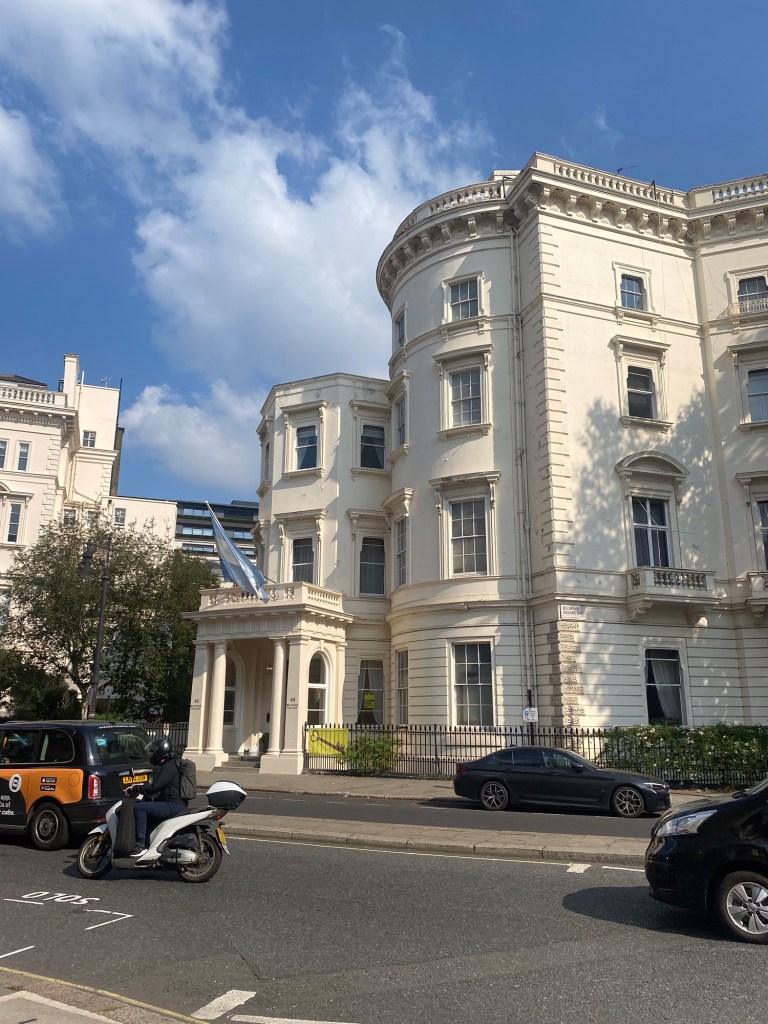
And we managed to catch a bit of a special London event we had heard about — rarely open sites of historical or architectural interest, (Open House Festival)  and toured two Belgrave Square historic mansions (one was the Argentine Ambassador’s residence). And managed to find some excellent pub meals. 

The housing crisis was a distant memory.

As the old cliche goes, “Handed lemons, make lemonade.”

Food for thought

Some people think the only reason I travel is for the food. And what’s wrong with that? Food is culture and by focusing on the food, I’m embracing the culture. Most of the time I don’t think about it and just enjoy the experience of shopping, cooking and eating the food where ever I am, although it is a harder argument to make when I am only hundred miles from home.

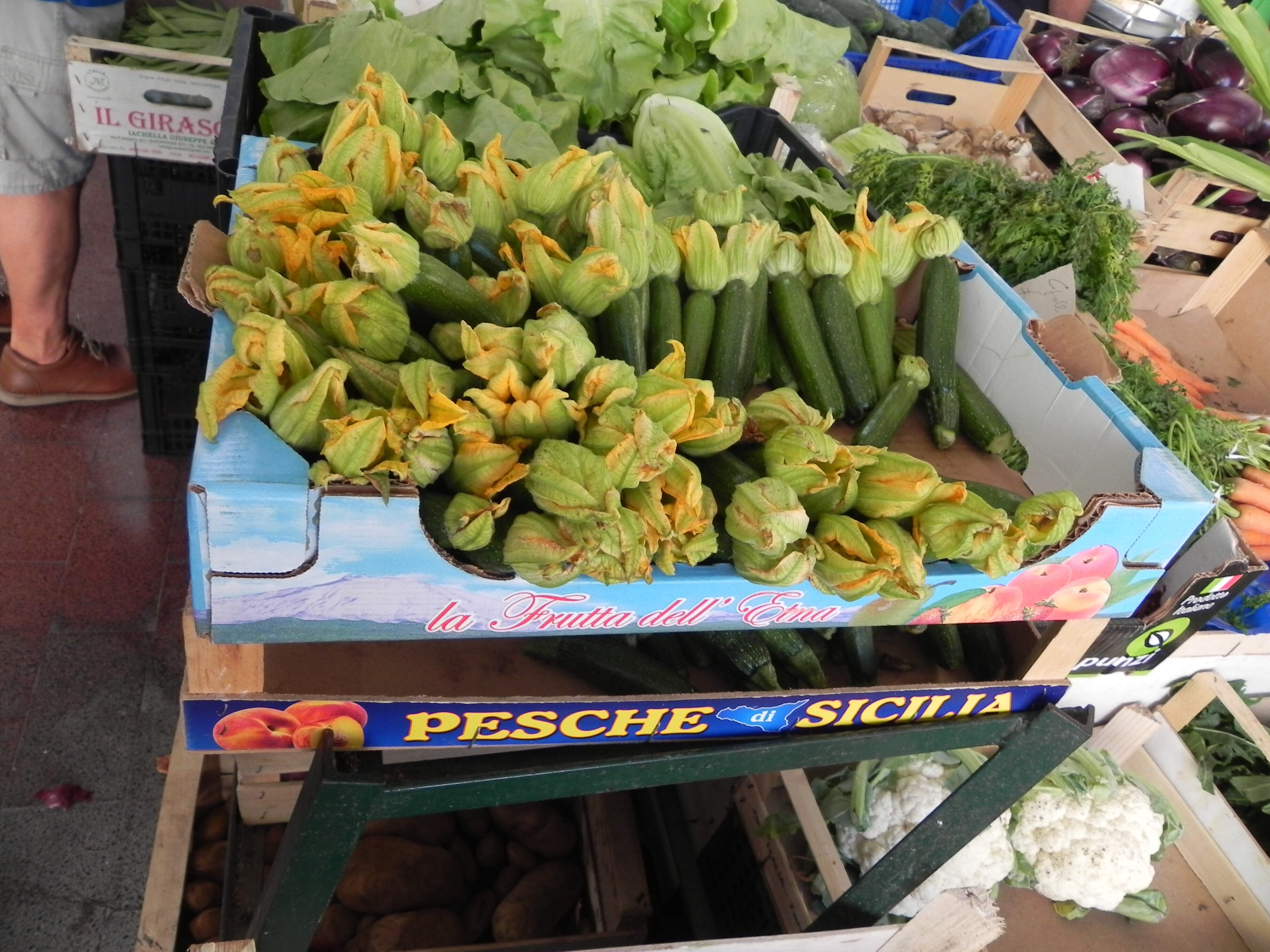
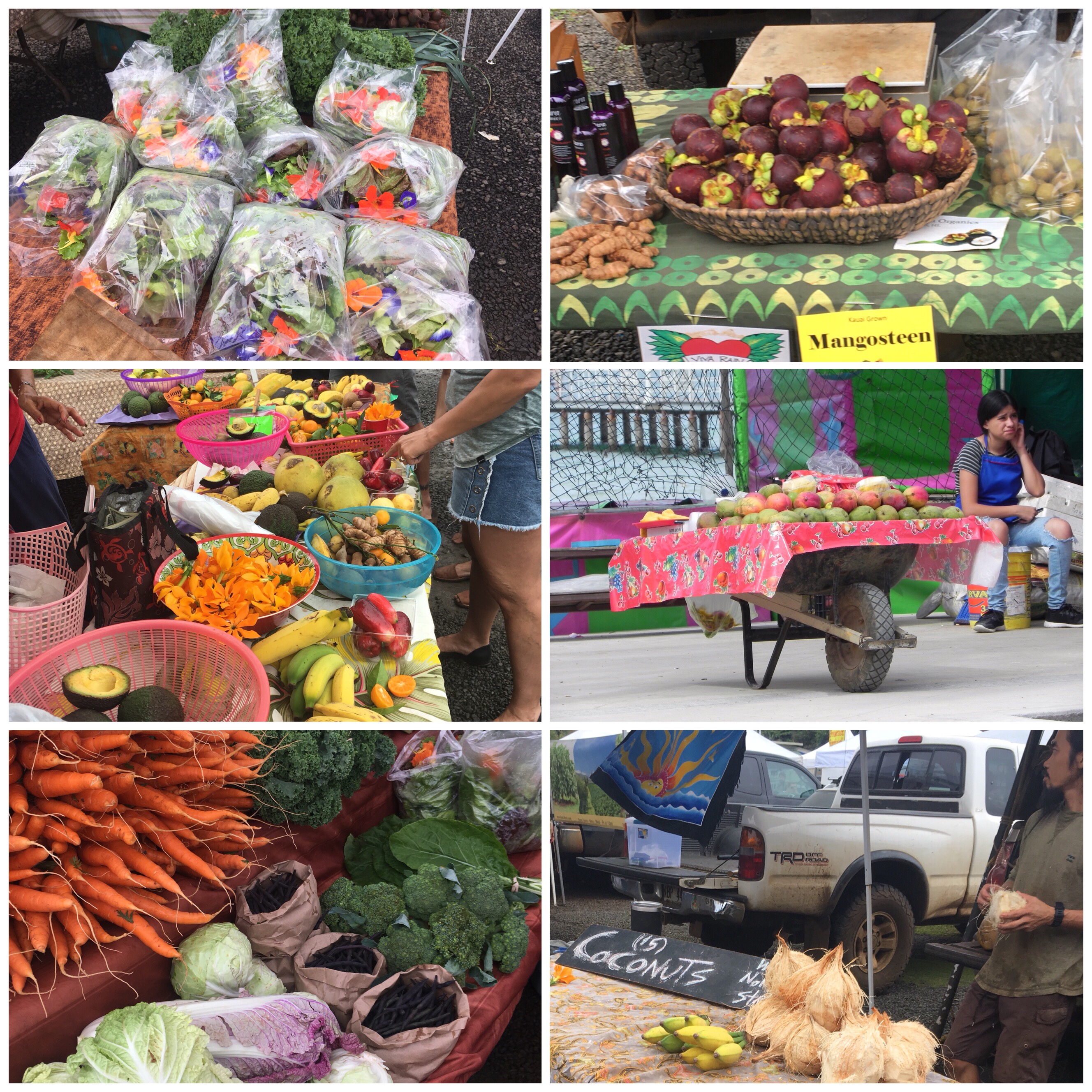
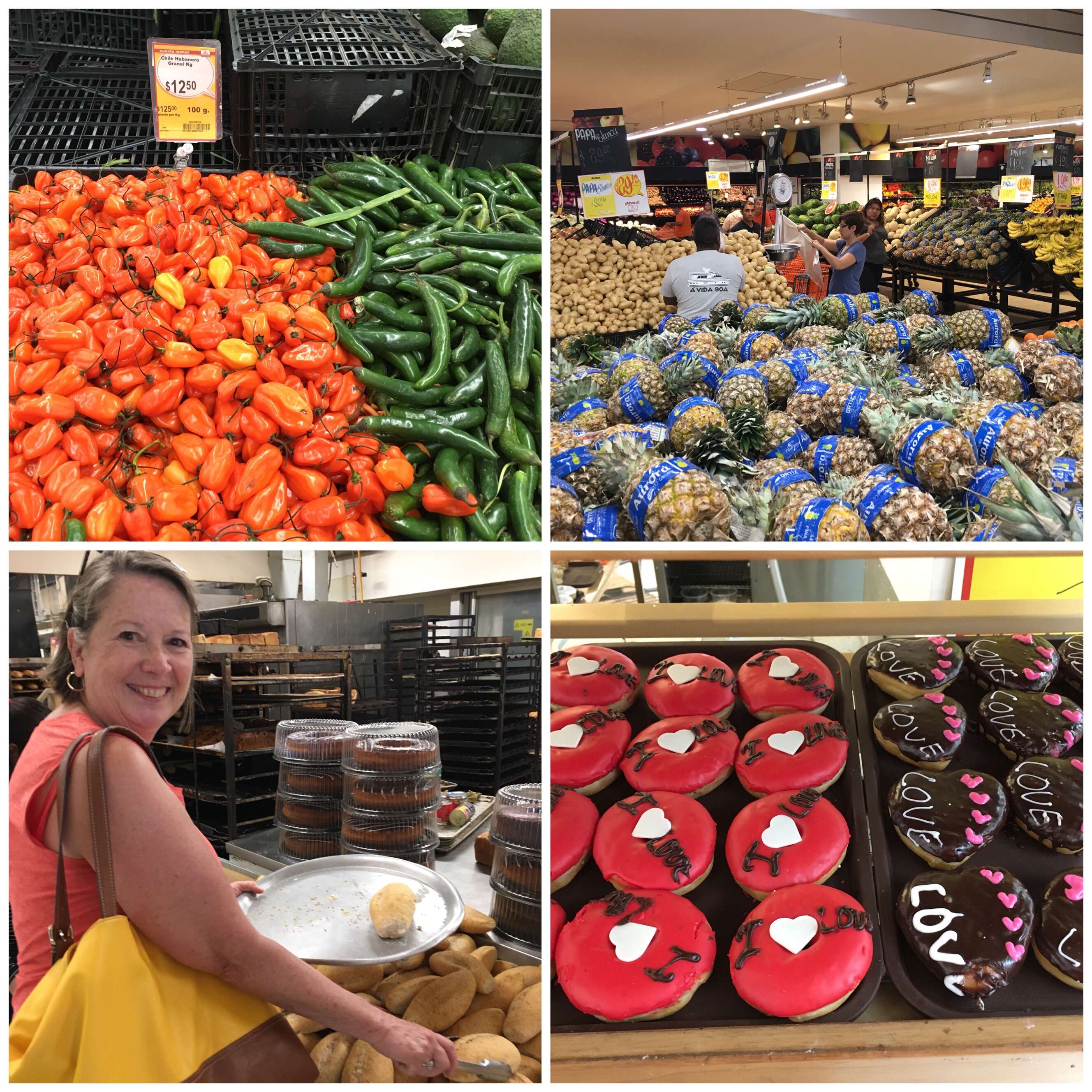
Food markets, particularly outdoor farmers markets have always captivated me. Going through my old slides, or more recently my digital pictures, ripe tomatoes, unique fruits and vegetables, bright-eyed fish dominate. The green cauliflower in Sicily, the maroon mangosteens in Kauai, stall after stall of mushrooms in Provence, demanded to be carried back to our temporary home and served for dinner.

My motivation to cook is not inspired only by the beauty of the food markets. I do get tired of restaurant food (even when it is good) and the whole restaurant scene. “How are your first bites?” from my server totally annoys me. Plus there are rarely enough vegetables and too often they’re just boring. My motto has always been that life is too short for bad food and too often touristy places offer beautiful views but just so-so food.

So we choose whenever possible to rent a place with a kitchen for at least part of our trip. And that often comes with its own set of problems. Rental unit kitchens usually have a weird collection of dishes and cookware. Knives are often mismatched or are a very poor quality set and always dull. My other favorite tools — a micro plane, garlic press, good set of tongs — rarely are included. So I’ve learned to bring my own or improvise.

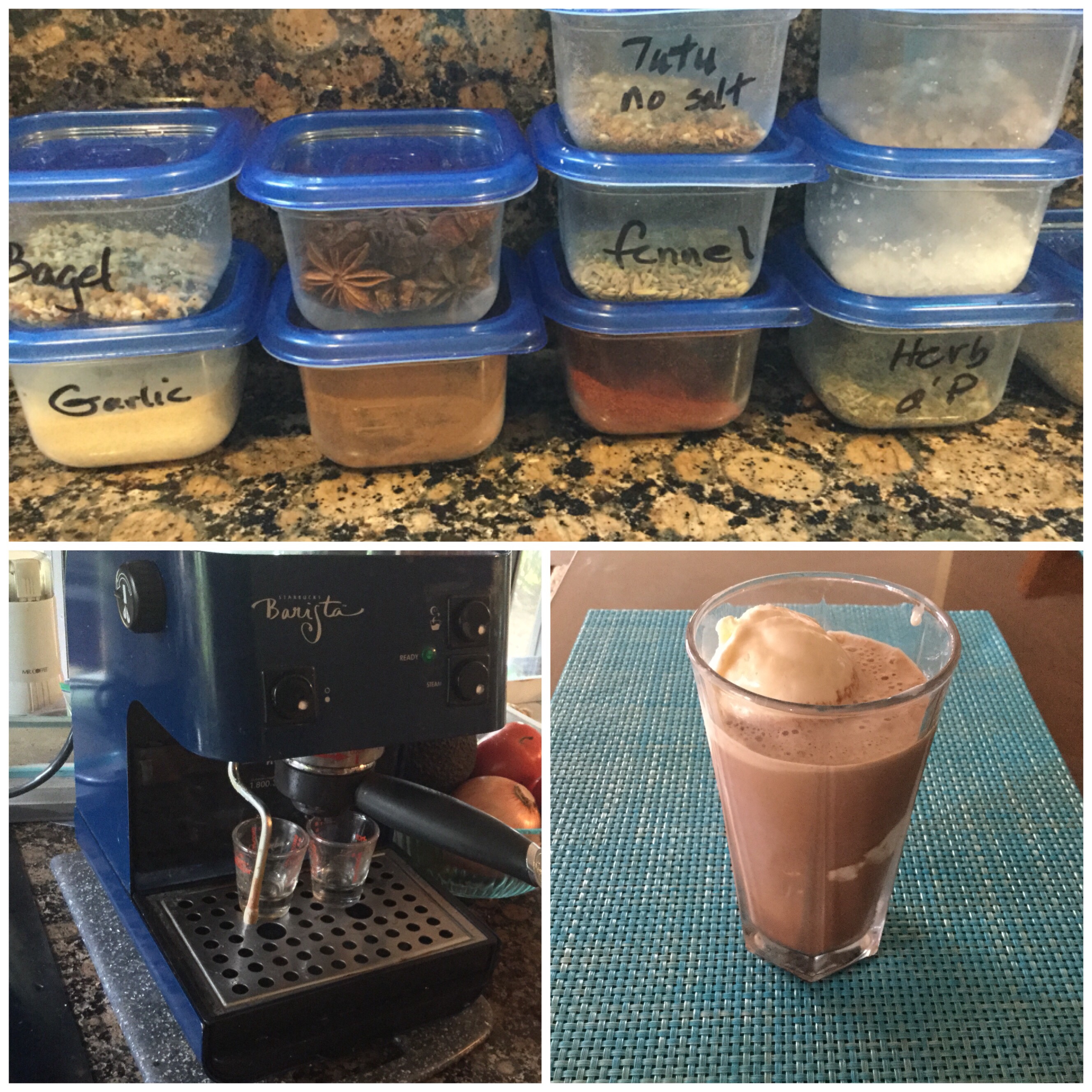
For long weekend trips to the ocean or mountains I pack a travel set of good knives I gave Peter as a Christmas present years ago. (They go in checked bags when we fly). Worth every penny I spent. We sometimes even bring our espresso machine which we bought on eBay for $25. Okay, that is over the top…but in Kauai for a month, it saved us several hundred dollars and we had better lattes. I also bring my favorite spices — cumin seed, star anise, herb d’provence, smokey paprika — or which ones will match the local cuisine. Although when going on longer trips with limited luggage space my spices may get left at home.

And then I buy staples the first day I get into a supermarket. Olive oil, smallest amount of butter I can find, pepper in a grinder, a good quality salt (local if possible). Depending upon where I am and what I anticipate cooking the list grows from there, focusing on small sizes . Chicken broth concentrate, flour, sugar, soy sauce, mayonnaise, good quality red wine vinegar, plus the paper goods I’ll need and zip lock plastic bags.

Once in my temporary kitchen I know I’ll have to make some adjustments. If I have a cheese grater, but no garlic press, I rub my garlic cloves across fine section of the grater. A crummy pair of tongs? Wrap the gripping end with rubber bands. It’s harder to deal with the flimsy pots and pans.

And if there is a thrift shop close by, I always check it out for additional kitchen towels (can never have enough), glassware (surprisingly often rental kitchens don’t have wine glasses) and serving pieces. Guess most visitors aren’t there to cook three course meals. Or I cruise local flea markets or the inexpensive street markets often attached to farmers markets. My favorite casual tablecloths and the best travel souvenir I have cost about 10 Euros each at one of those markets in Provence. Just wish I had bought more.

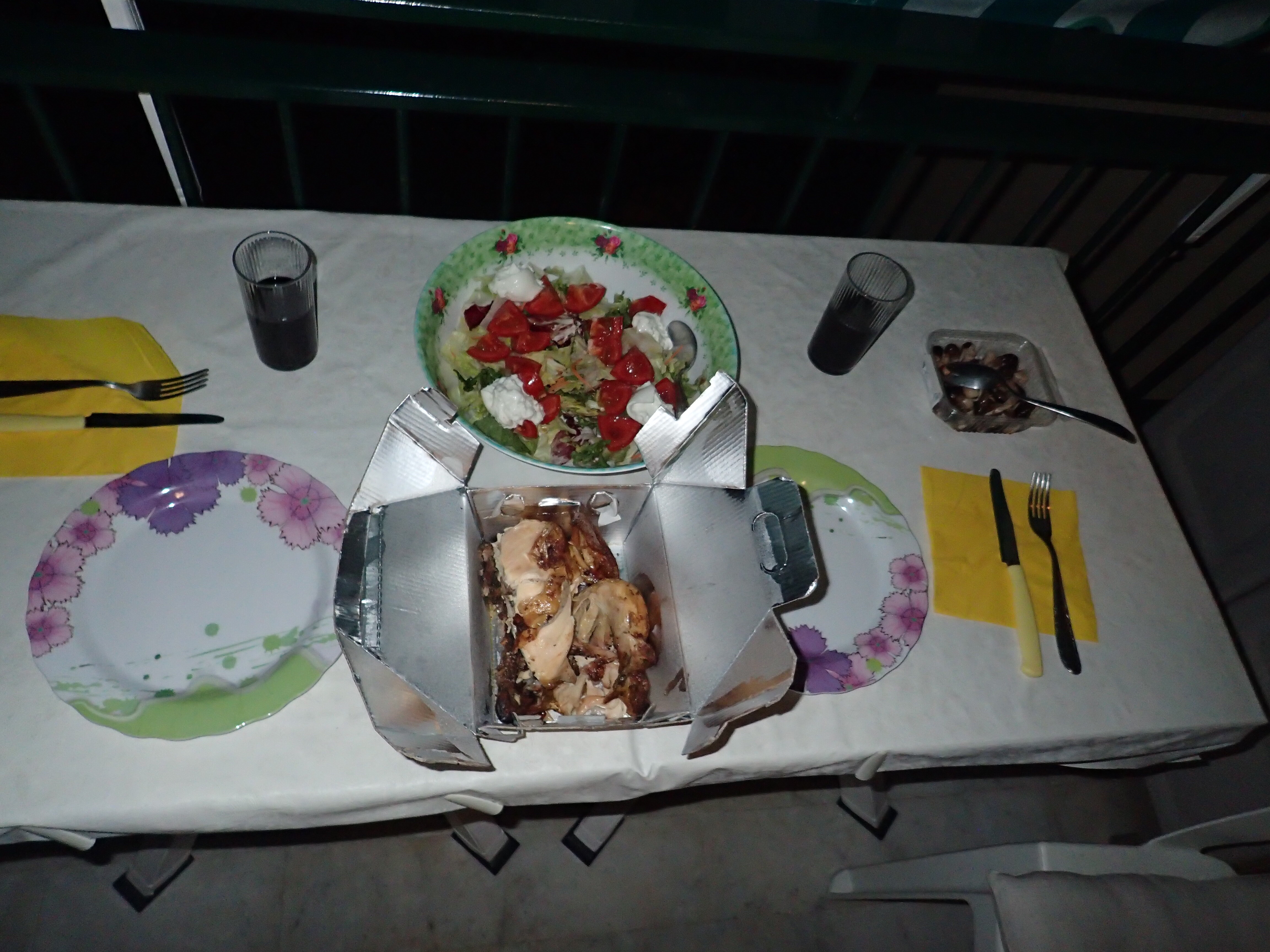
When we are in a foodie’s heaven like Umbria, or Provence, of course we eat out and often a lot, particularly for lunch. We tend to cook more when staying in the countryside to avoid driving after enjoying some wine. And we eat out in the cities where restaurants within walking or subway distance are plentiful. And when we don’t take our own espresso machine we have to locate a good coffee joint to start the day. In between these restaurant stops, we still try to buy food for picnic breakfasts and lunches so we get to play with the local cheeses, cured meats and bread that tantalize us. Eggs and toast in a cottage near Loch Ness where our landlady gave us farm fresh eggs. Take-out roast chicken in Cefalu from a shop the local haunt.

Buying our food also brings us into closer contact with the locals. Our butcher in Apt, Provence who explained in detailed French how to cook a roast we purchased. The young bread peddler in Lourmarin, an underemployed college graduate, helping out her immigrant father. The shop merchant in Croatia shared her truffle recipes with us.

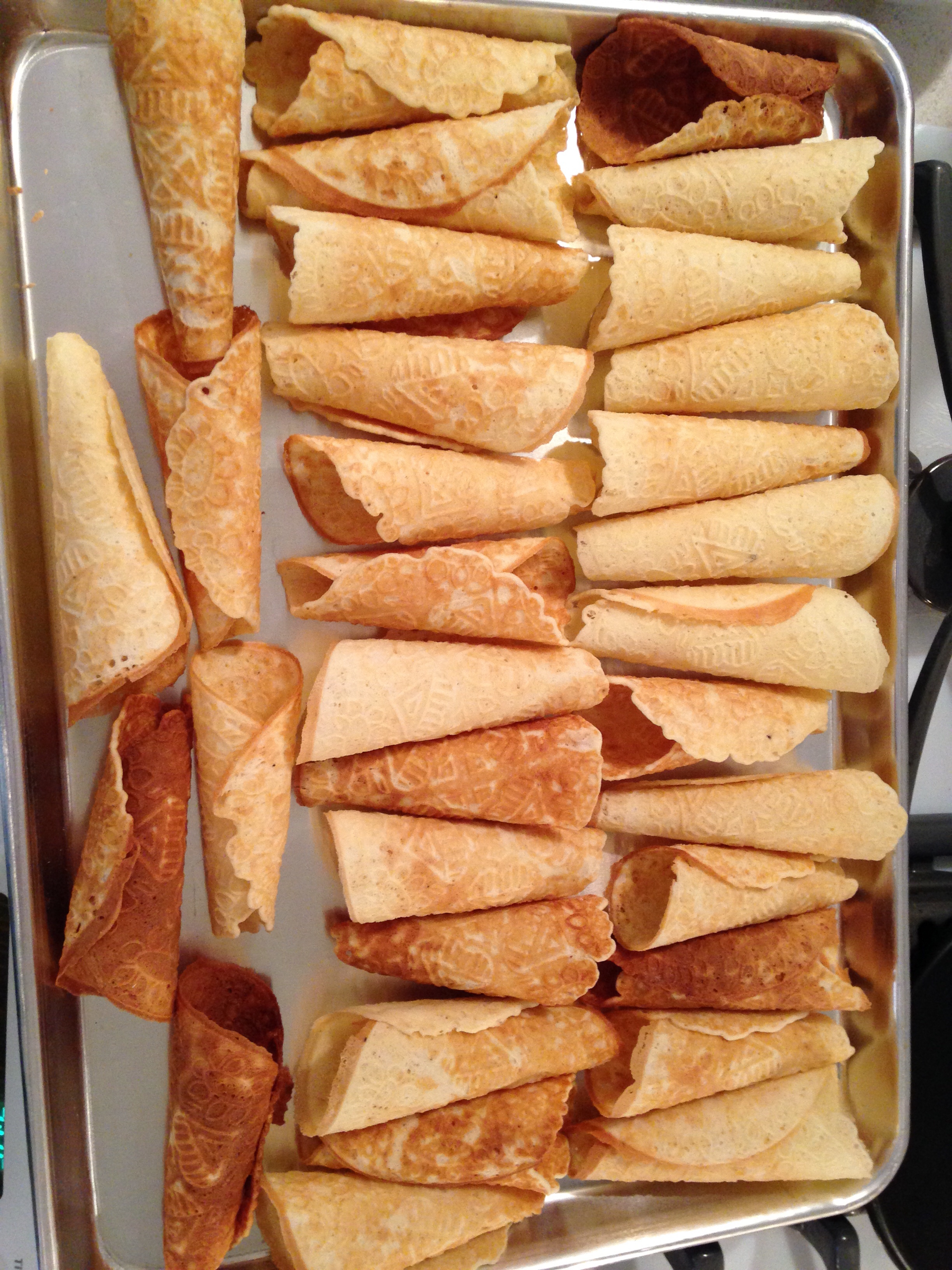
Food is the one piece of cultural heritage that seems to hang on from our immigrant past long after the language and other customs have faded away. Why else do I cook krumkake and meatballs at Christmas based upon a recipe from a Swedish grandmother I never met?