Sometimes you just get it wrong.
We had an image of Brittany, France, as a wild, rural region, sparsely populated, with a rocky coastline filled with quaint stone fishing villages. Hilly, maybe covered with heather or wind blown pines. Something like the Ireland’s wild Atlantic way or the coast of Maine. But with dairy cows everywhere, happily producing the world famous Breton butter and cream. After all it is “finisterre”—the end of the world.
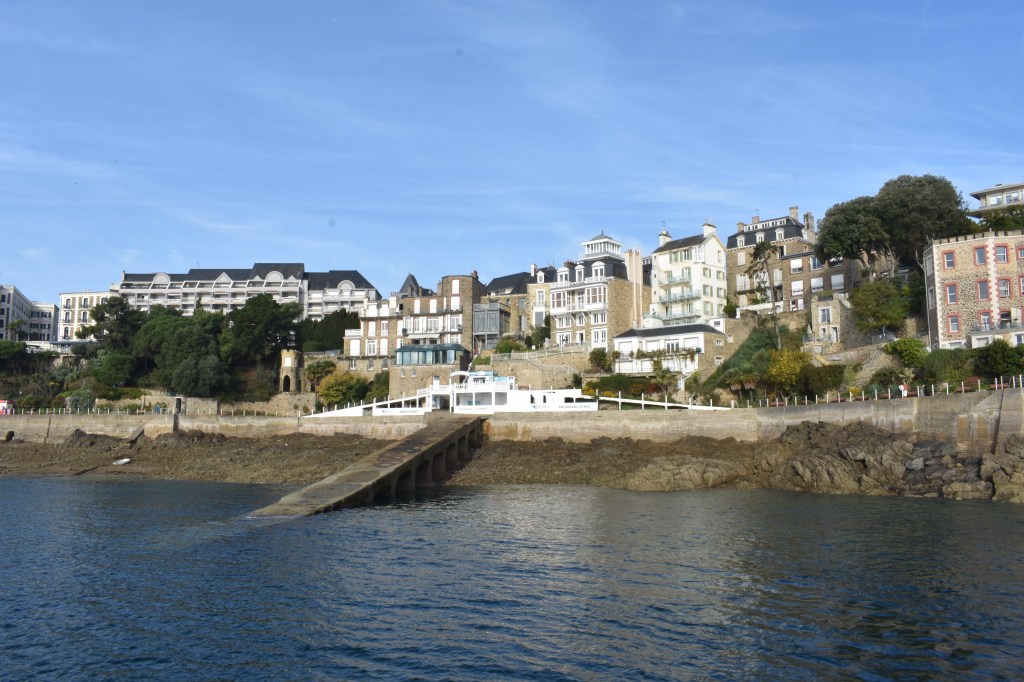
What we found was nothing like that…still beautiful, still fascinating, but something entirely different (as the Monty Python crew used to say). The south coast is mostly flat, maybe a few rolling hills, and dotted with beautiful white sand beaches in between low rocky outcroppings. Southern England, maybe, not western Ireland.
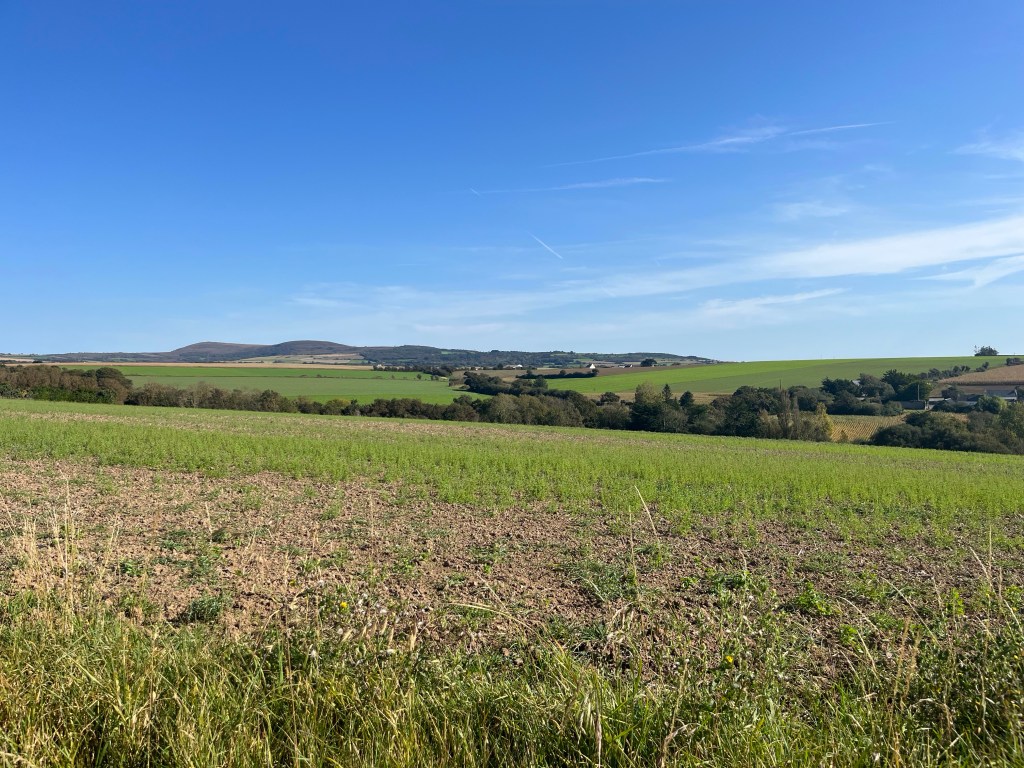
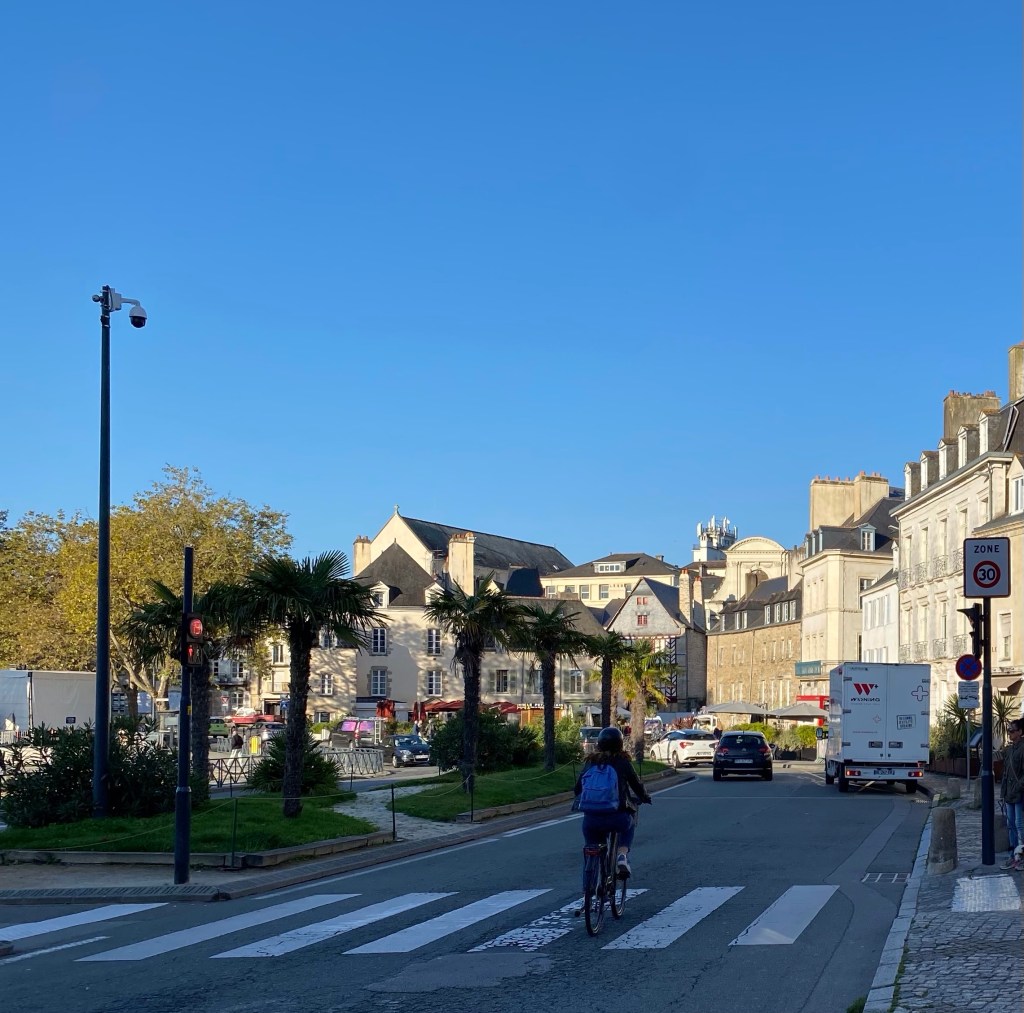
Many beach towns with their white washed houses had sprung up to take advantage of the mild climate, luring hordes of Parisians wanting sun, sand, and water. Instead of pines and heather, we saw palm trees, clearly planted to help enhance the beach aesthetic.
And lots of yachts and sailboats.
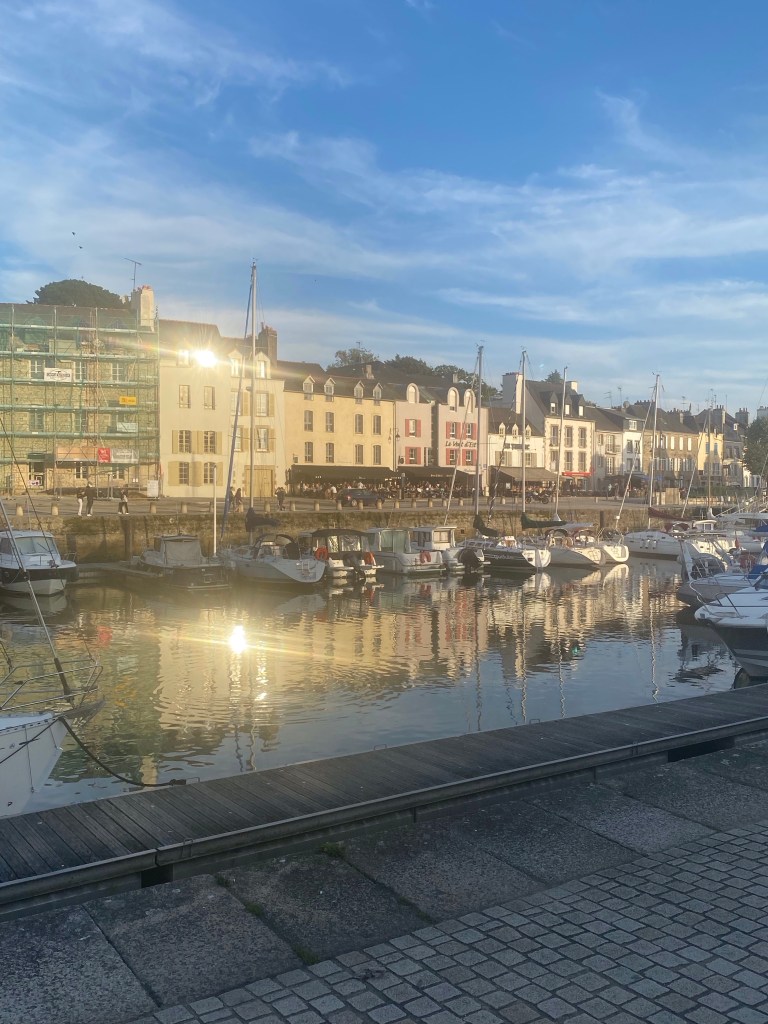
And in the middle of October, when we were there, people were still swimming. We were tempted! A definite surf vibe with a French accent and slightly Victorian look.
We were also surprised at how densely populated the south coast is. Suburban developments everywhere, done in a Breton style but clearly modern. Retirement communities? We weren’t sure, but judging from the age of locals, highly likely.

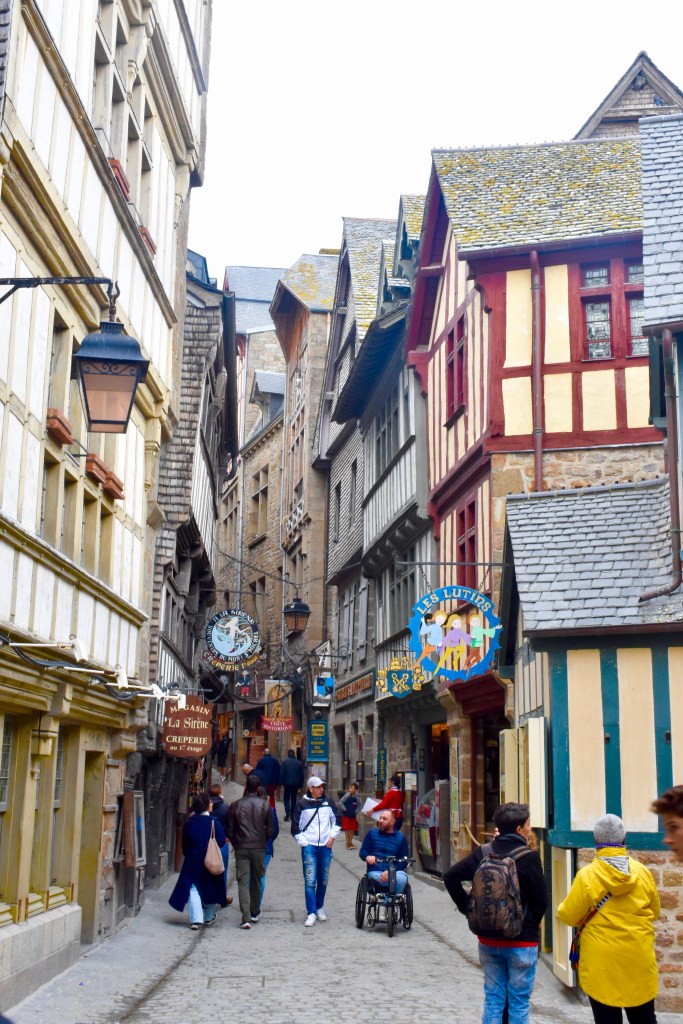
Many towns like Vannes, Quimper, and St. Malo all had beautiful historic centers filled with half timbered buildings, cobblestone streets, and gorgeous churches and cathedrals—which we did expect.
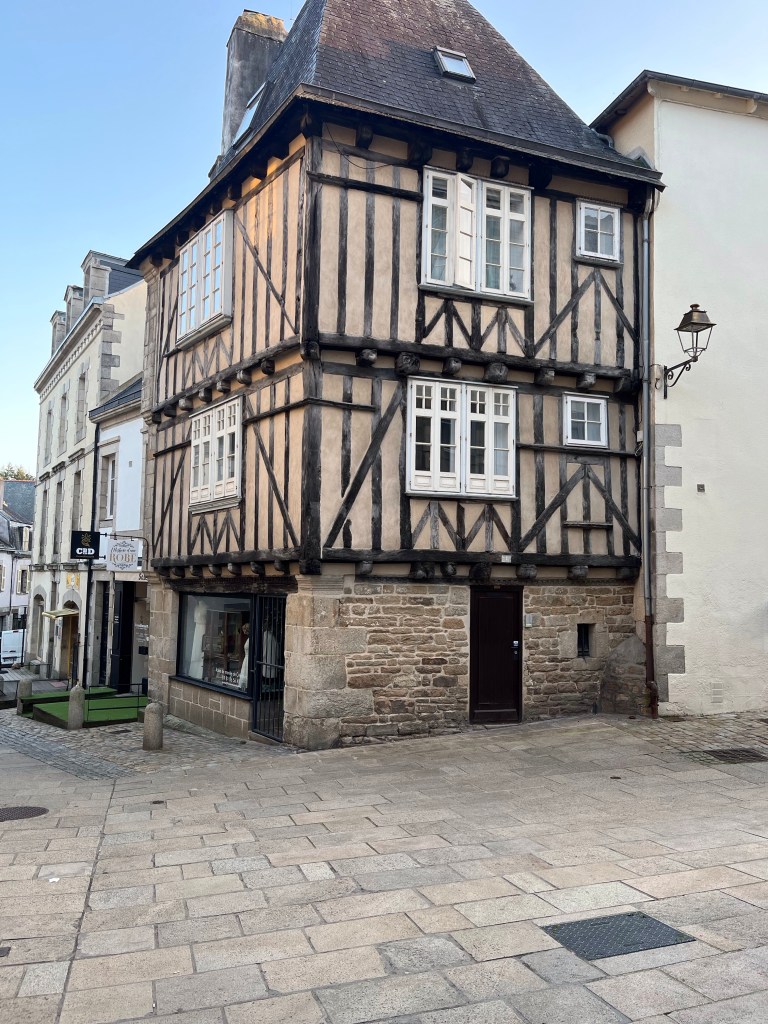
But it turns most had to be rebuilt stone by stone after the massive bombings following the Allied invasion of France in 1944. That explained why you often saw a modern monstrosity next to a beautiful medieval building. The coastal cities and towns of Brittany, like Normandy, were heavily fortified by the Germans and fighting here was ferocious. Some cities like L’Orient and Brest never really recovered. L’Orient, for example, was subject of repeated attacks because of the giant German submarine base located there. The base was so well built it survived all efforts to destroy it, and later became a French naval installation. There is an excellent museum and you can tour a decommissioned French submarine.
The northern coast looks more like our misguided expectations—a little more rural, more rolling hills, and rockier. Small rock islands dotted the bays. But still far from the wild Brittany of our imagination.

What we did find were some real gems. St. Malo with its massive walls behind which lies a gorgeous old city—even if it was painstakingly rebuilt over 35 years after the war. It has a great maritime past with connections to explorers like Jacques Cartier (who sailed up the St. Lawrence river and founded Montreal, Canada), and privateers and pirates like Robert Roscouf.
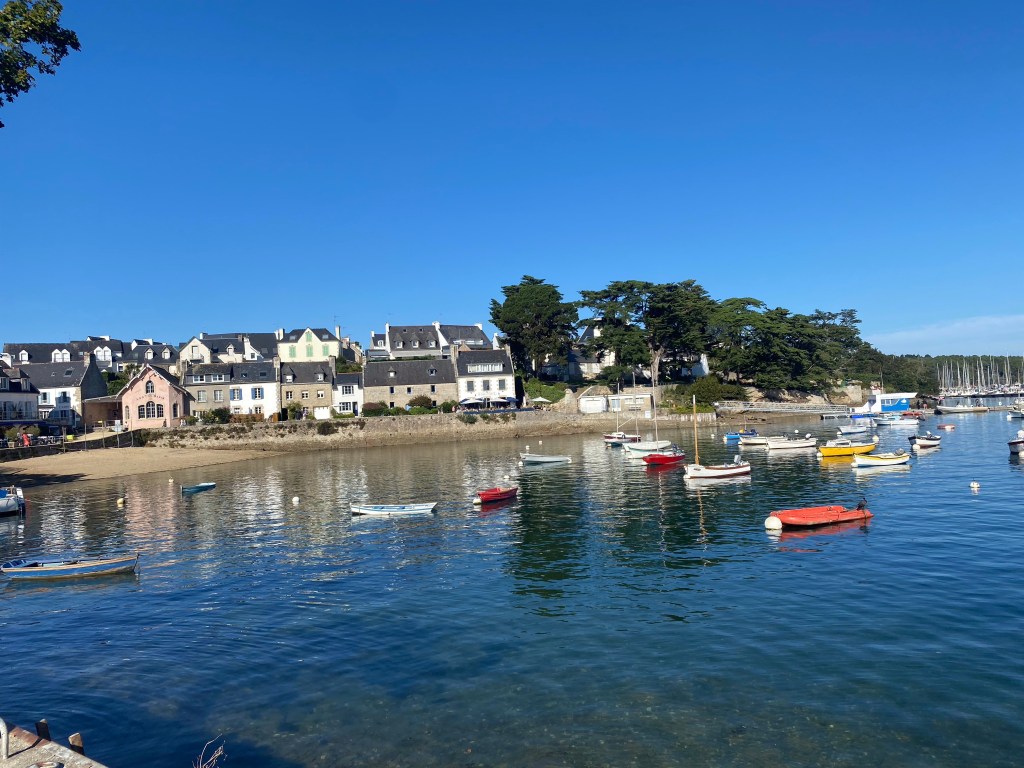
Vannes had lovely medieval center with a narrow picturesque boat harbor on a river inlet. There were the little gems like St. Marine, a tiny seaside village, where we had lunch with a cousin of a friend, and Locranan, a picture perfect stone village in the heart of Brittany outside Quimper.
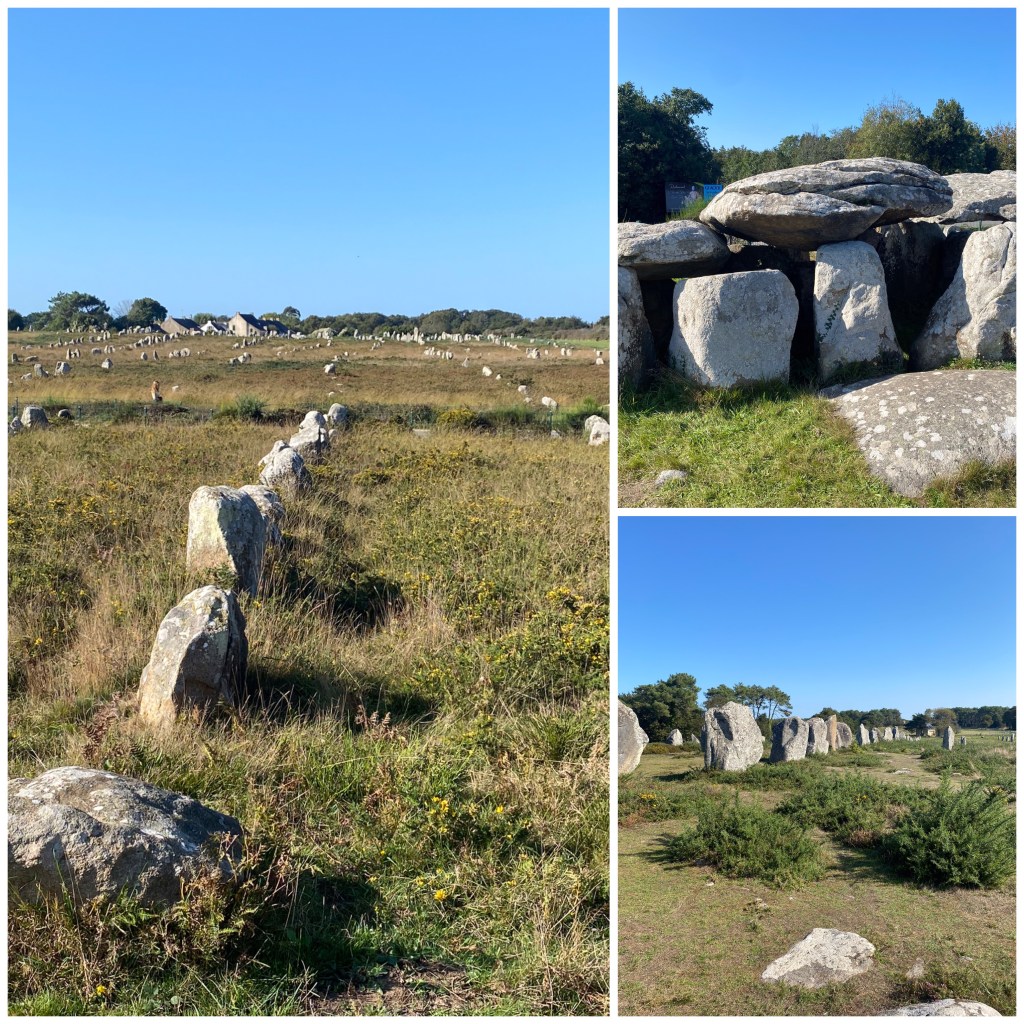
And then there were prehistoric stones at Carnac. The scale and size of of the “alignments”, as they’re called, dwarfs anything we had ever seen, including Stonehenge. Literally thousands of monoliths in long rows, stretching for several kilometers. Of course, no one really knows their purpose or really much about them, except it was a massive building project even by today’s standards. We had read about the stones so it wasn’t really unexpected, but the sheer scope was.
.
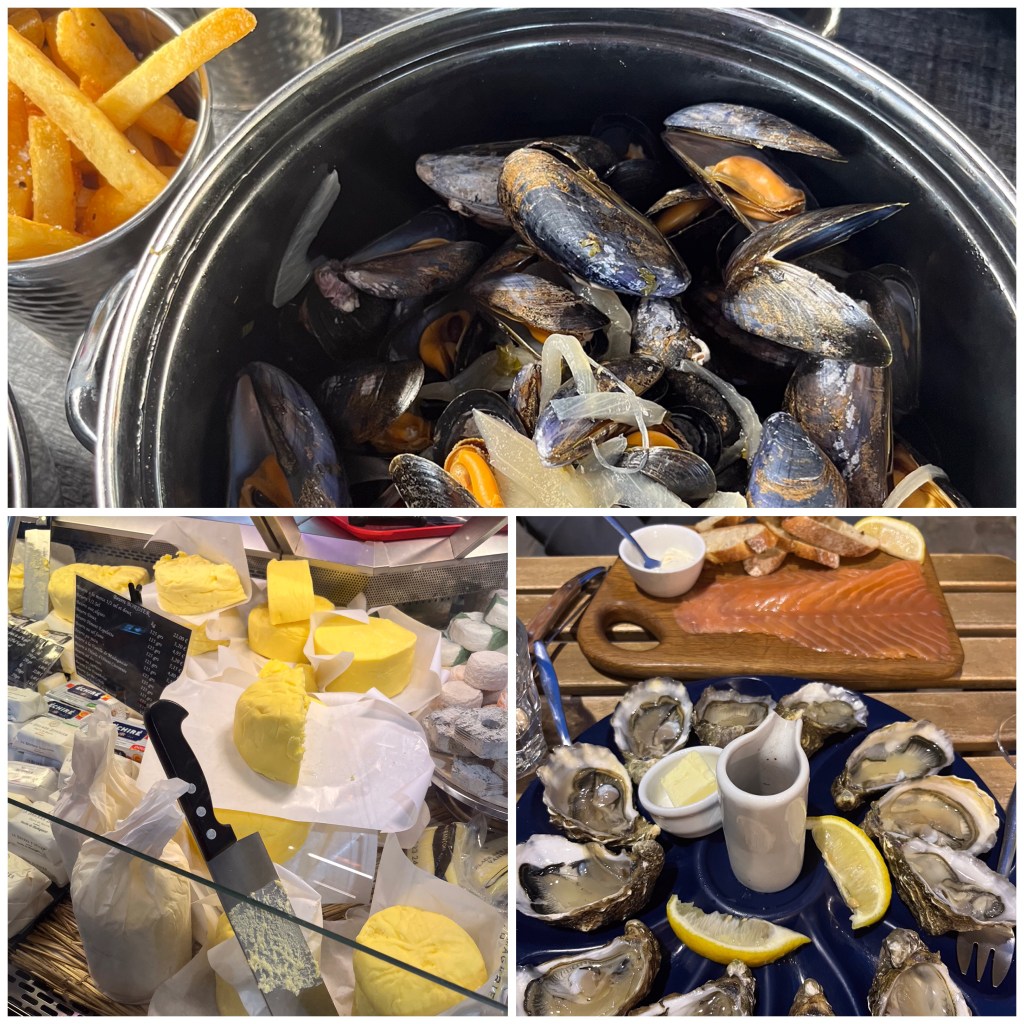
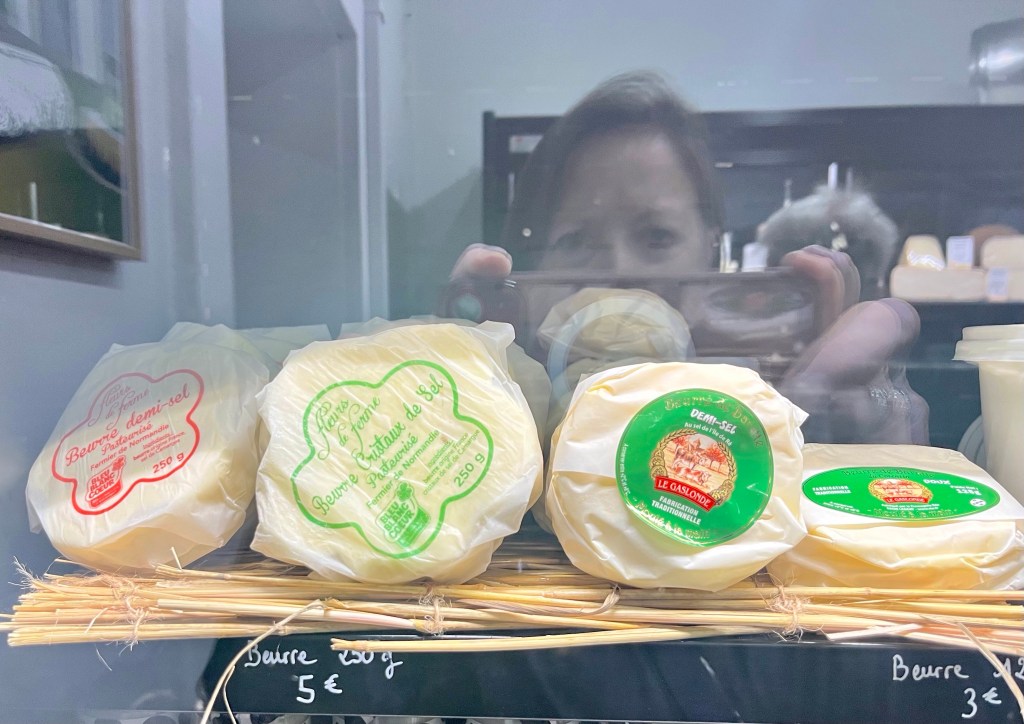
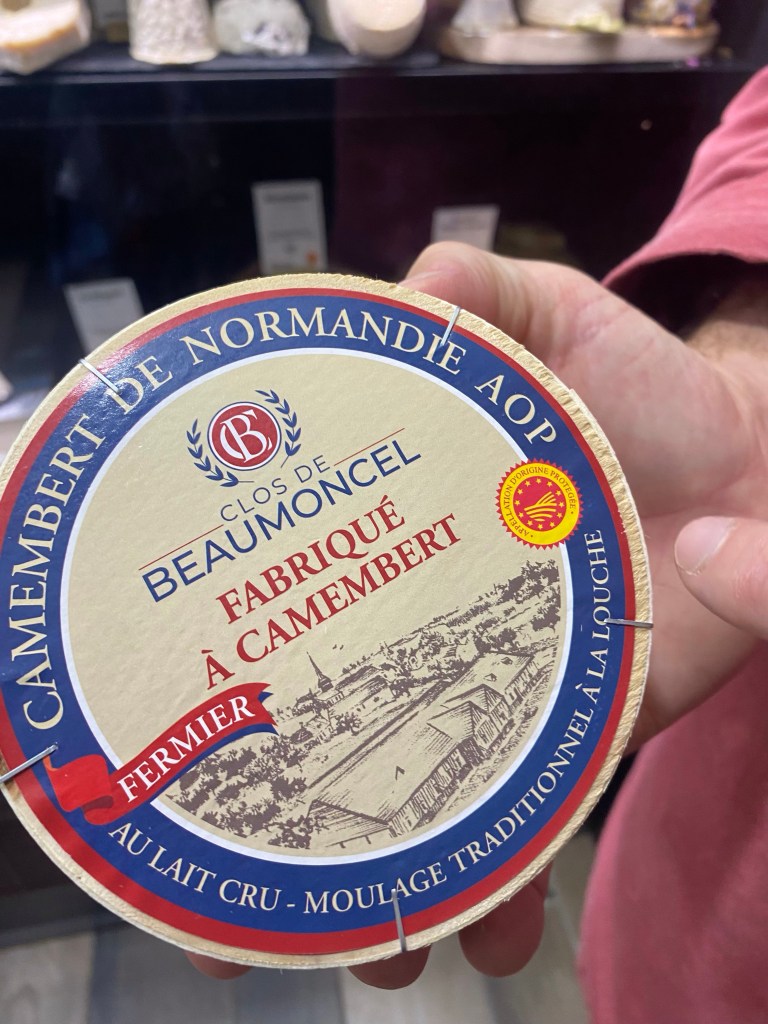
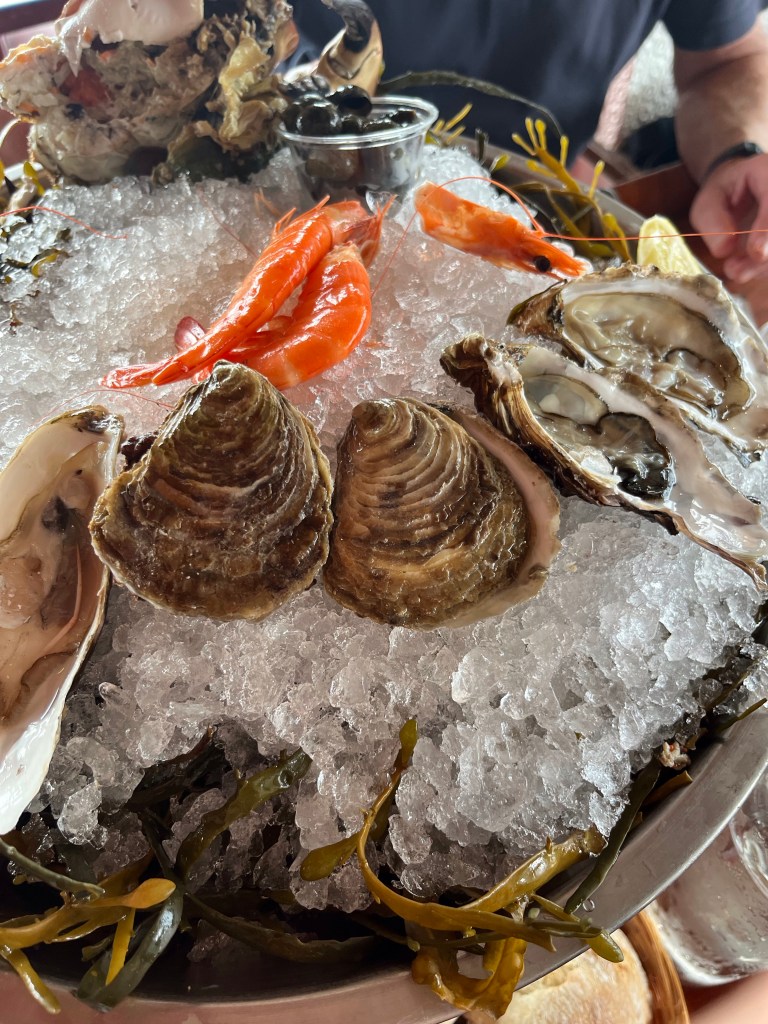
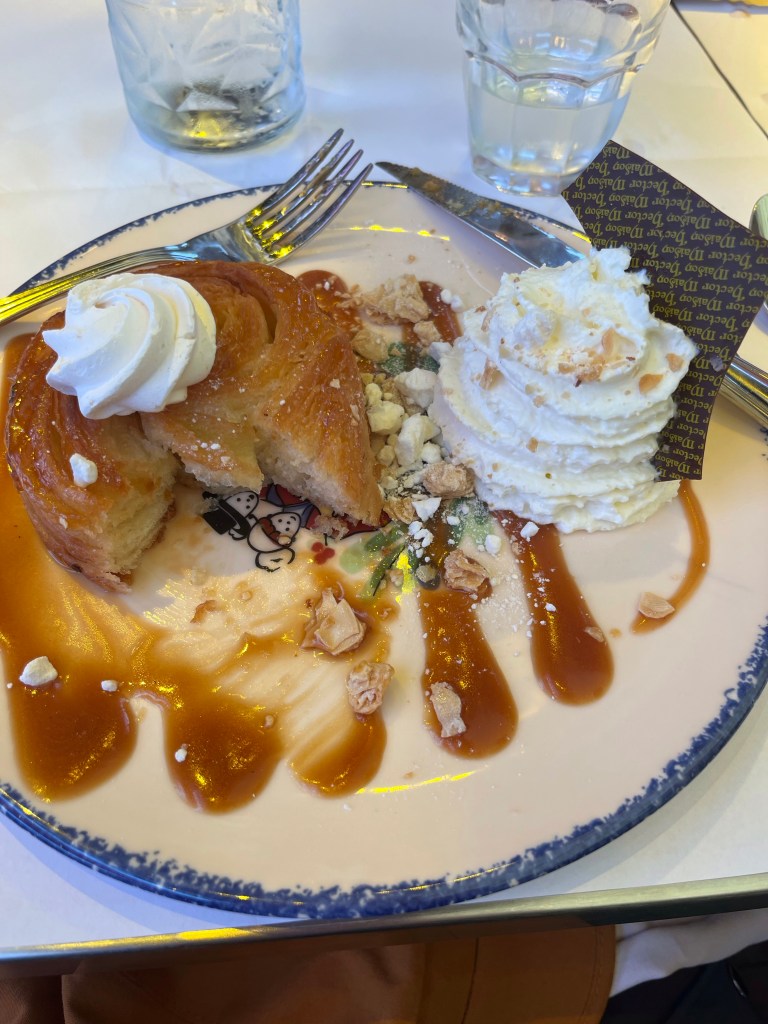
Not everything surprised us—we did get some things right. The food, particularly the seafood and dairy products—cream, butter, cheese—lived up to our every expectations. Creperies on every corner. Wonderful specialty shops. And the people were every bit as open and friendly as we thought they’d be, and the Breton culture was strong and clearly a focus of local pride.
We found Brittany a wonderful corner of France even if our expectations met a different reality. Sometimes a surprise is a good thing.



 Chasing the Good Life