“That’s so Valencia!”

Almost two months into our stay here in Valencia, we’ve come across a few quirks or idiosyncrasies of the city.  Mostly small things but big surprises.  

Beer!  Despite being a huge wine producing region in a huge wine producing country,  Valencians drink beer.  Walk by any outdoor table on any afternoon or evening and you’ll see almost exclusively beer.  In bottles, in glasses, in mugs.  Yes, maybe a glass of wine or two, but beer is king.

Cooking in the streets! The city has hundreds of neighborhood social clubs (Falla clubs) that prepare all year for the March Fallas festival.  They each have a social hall that opens onto the street. Apparently, anything is an excuse to party and close off the street. 1/2 year to the next Fallas. Party.  Valencia Independence Day. Party. A local girl wins the Fallera beauty contest. Party.  Paella is required. It has to be cooked the traditional way—on an open wood fire in the middle of the street.  And snacks to nibble on?  Chips, olives, pickles.  And beer, of course. No fancy tapas here. 

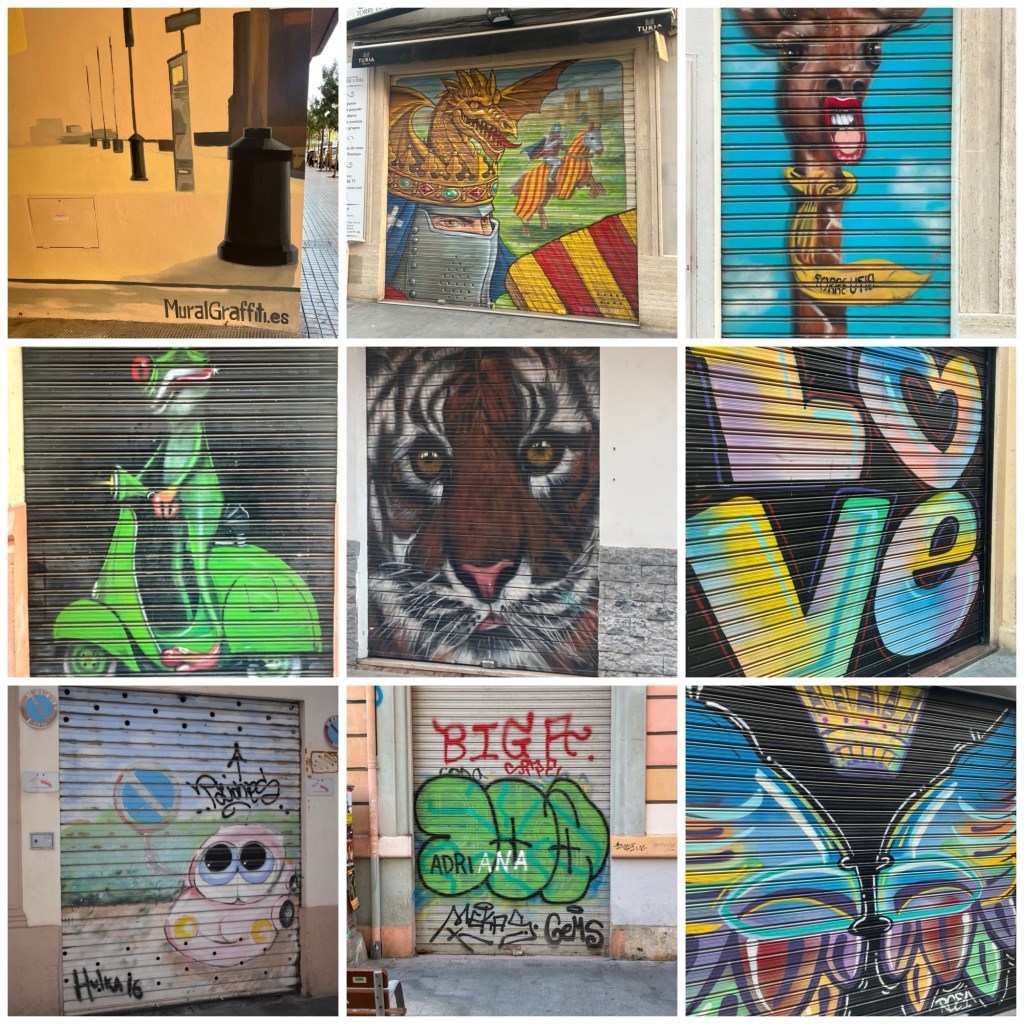
Grafitti doors!  Lots of grafitti on the metal pull down garage and store front doors.  Some are very artistic and beautiful—probably professionally done.  Others not so much.  But it’s on doors everywhere. And interestingly, very little graffiti anywhere else here in Ruzafa—although we have seen quite a bit in other neighborhoods (some called for provincial president’s resignation) and in the center of old town some anti-tourist grafitti.
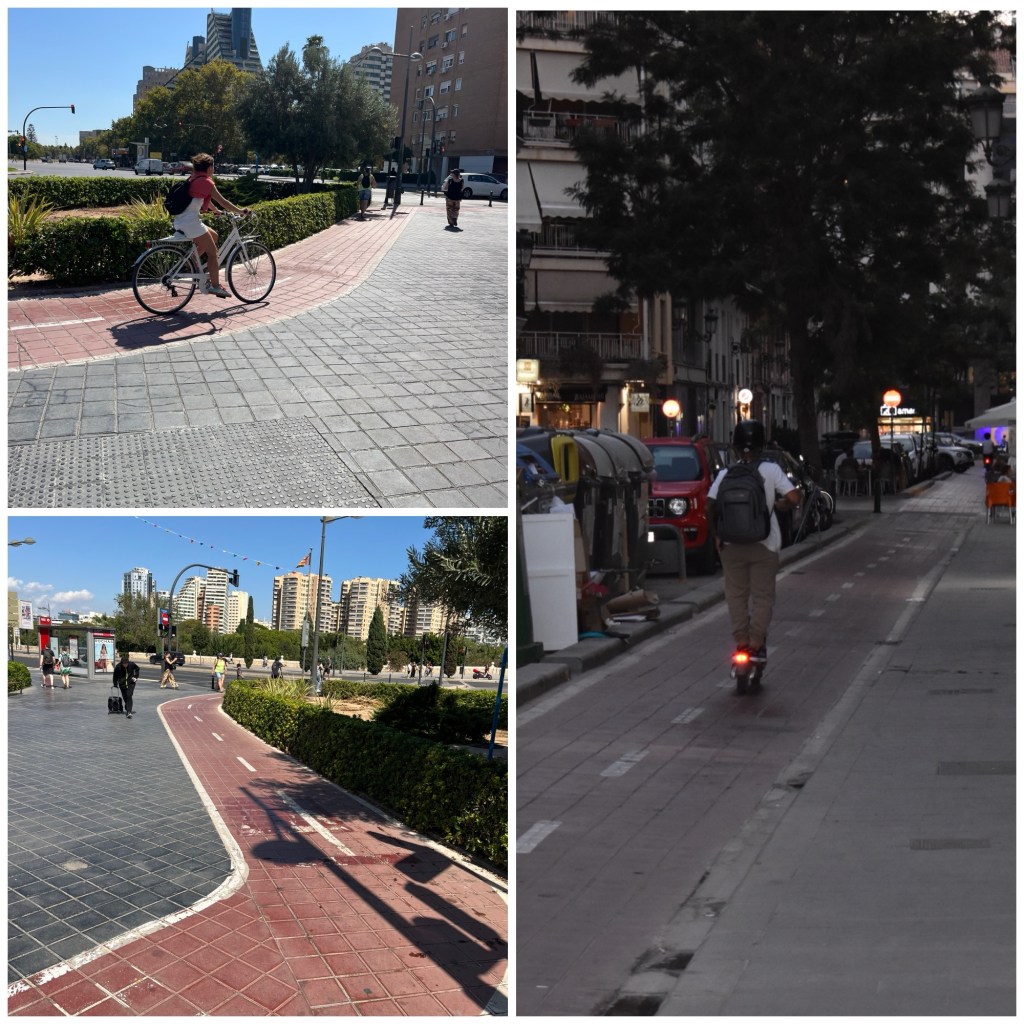
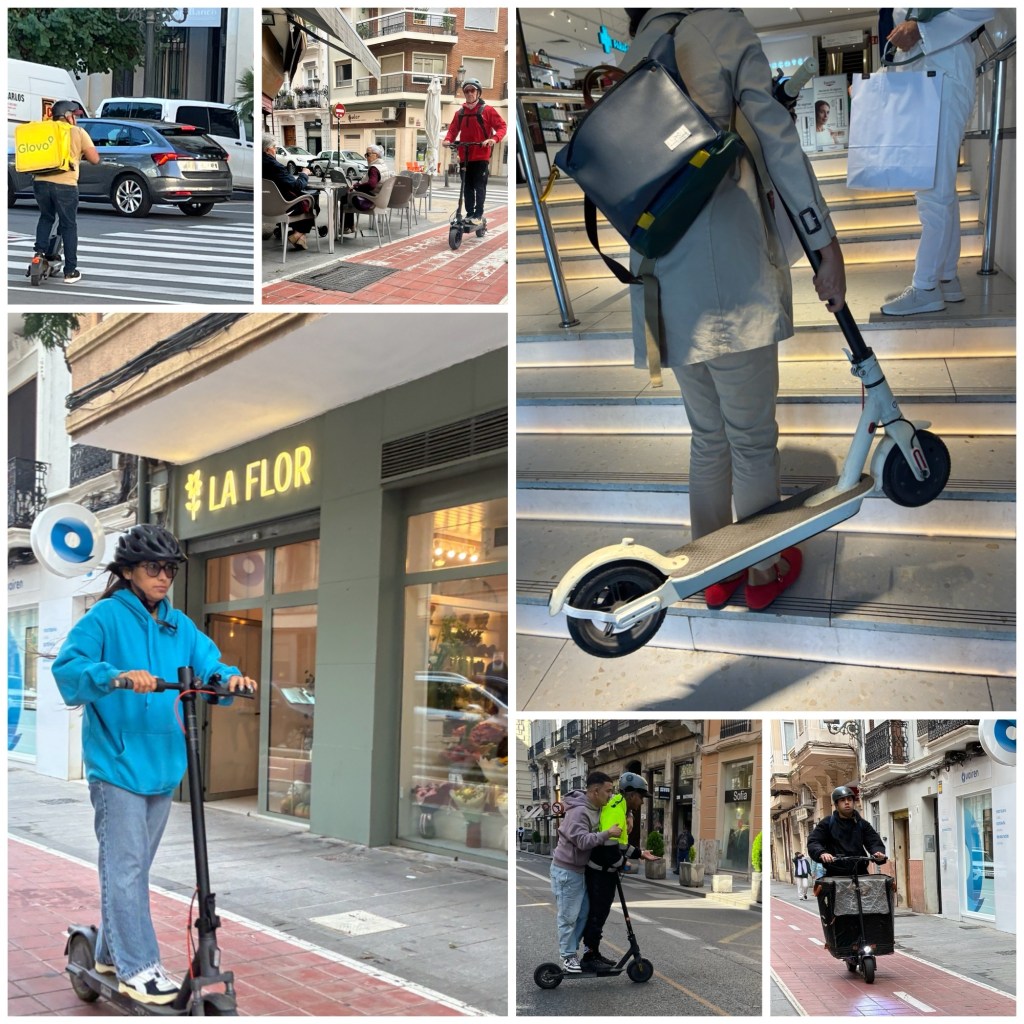
Scooters, skate boards, motorized unicycles!  They are a huge part of the transportation scene.  And all ages use them—not just young people.  The scooters travel quietly at warp speeds—they are a real menace for pedestrians.  The city is flat, very car unfriendly, has special red bike lanes everywhere (which the scooters use), and the weather is good all year long. So it’s a great, inexpensive (if dangerous) solution to getting around. We followed well dressed woman as she carried her scooter into the big department store. We watched a middle aged guy come out of his big yacht at the marina and fly off on his scooter.  Away he goes!  
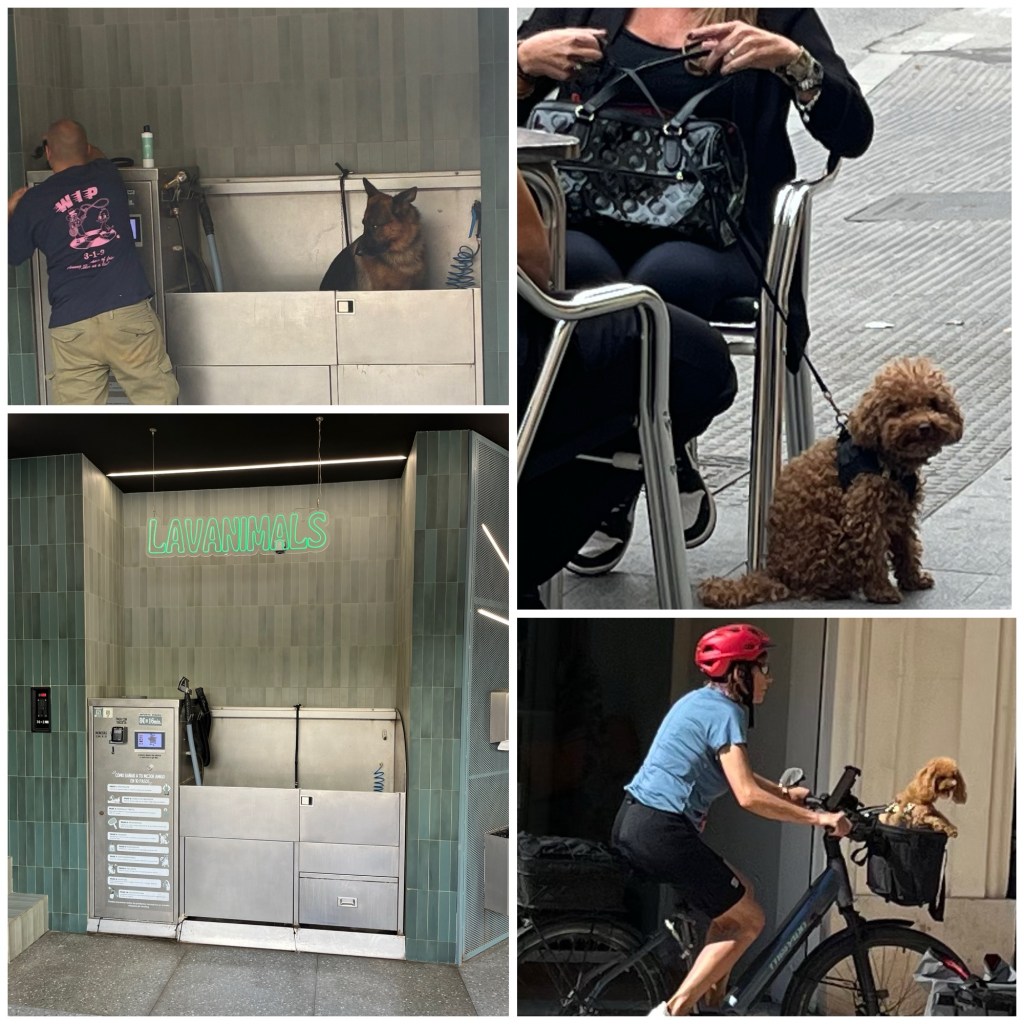
Dog washing laundromats! There are doggy laundromats for your dogs, your doggy blankets, and doggy paraphernalia.  It’s a good business  because everybody has a dog.  One of our first nights here we ate dinner with five dogs. One breed, a kind of miniature labradoodle, is Valencia’s  dog of choice. Cute little fellow seen everywhere.  
Street names! They usually change after three or four blocks. Very few names seem to last the entire length of a street.  We have friends who live on Literat Azorin which becomes Reina na Maria and finally Pere III el Gran.  The street is 12 blocks long. This is the case everywhere in the city. No wonder cabbies look at you quizzically when you give them a street name.  Better to use a landmark like a Mercado. 

Merry Christmas! In the middle of October, the street decorations are starting to appear.  It’s not the retail shops because they still have up Halloween decorations. Christmas starts early, and ends 12 days after Christmas with the arrival by boat of the Three Kings.  That’s the big day! A present or two may be exchanged Christmas Day, but the real celebration comes on Three Kings day.  Just imagine!  The holiday season here spans nearly three months! American retailers—eat your hearts out.
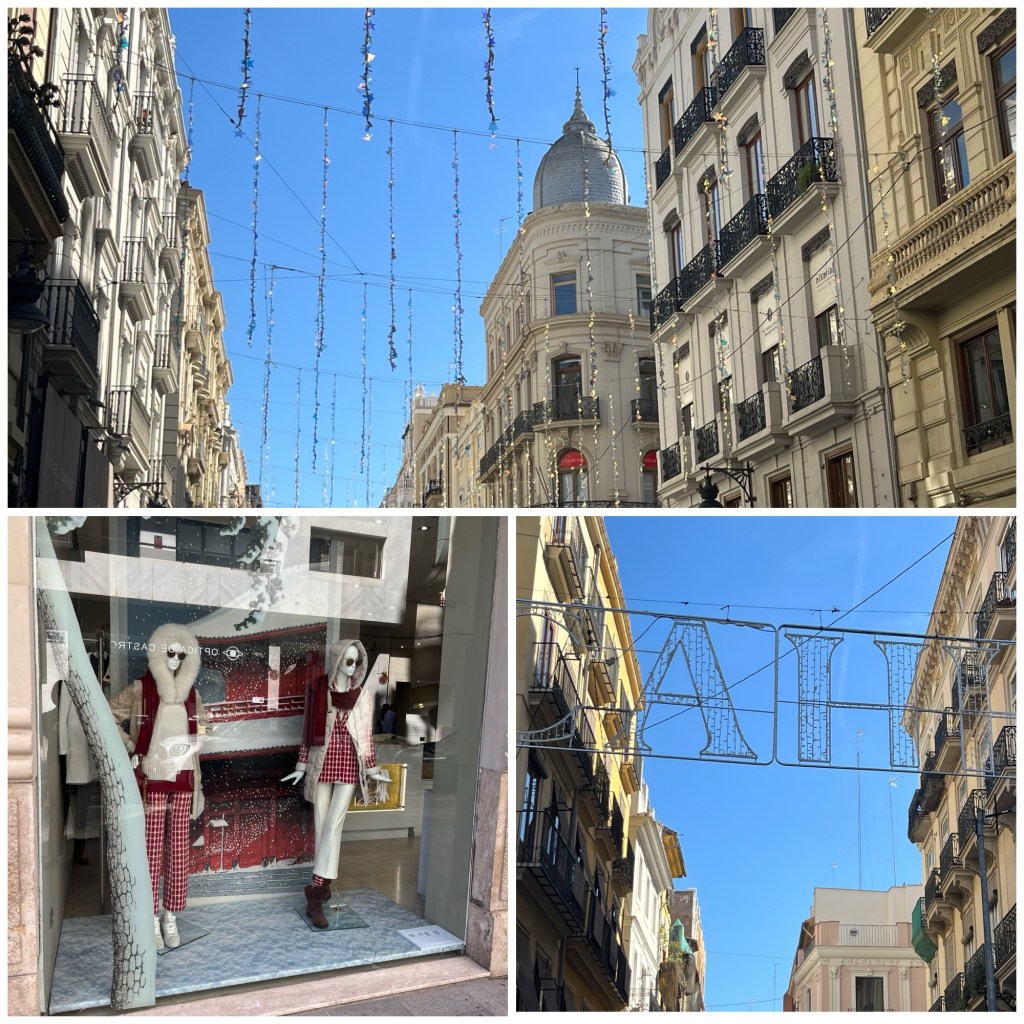
Black Friday sales! But they are not necessarily on Friday.  And they happen frequently.  And there’s no Thanksgiving Day for the sale to follow.  Apparently Valencia has stolen the term and uses it indiscriminately to advertise big sales

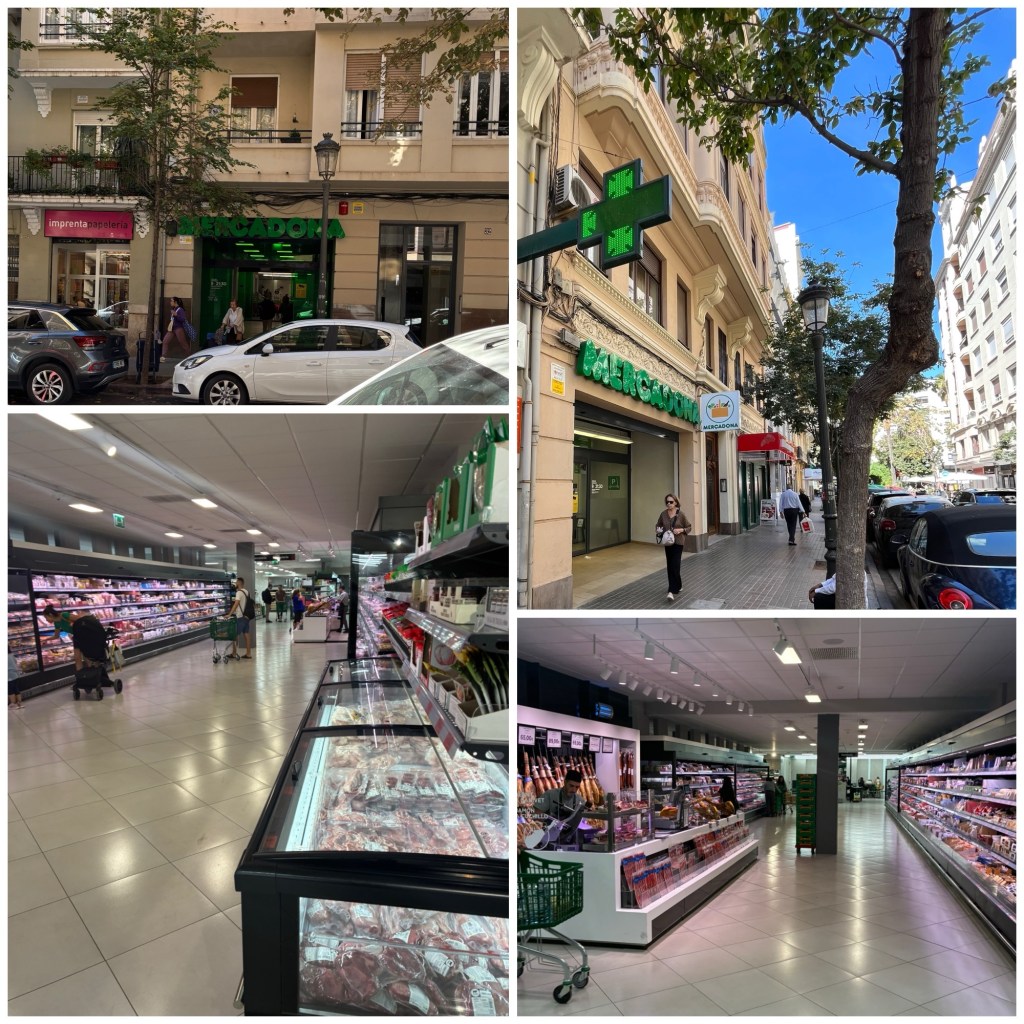
Small doors, big stores!  Our two largest supermarkets, comparable to big American supermarkets, have two small doors—one on either side of a city block.  A tiny sign over each entrance says Consum or Mercadona. Once you get in, the space is enormous and often snakes around in a warren of different halls and rooms.  The stores literally take up a good portion of the interior of the city block.  Usually there is underground parking as well.  But good luck finding it.
We’ve gotten used the these quirks.  And we suspect if we stayed here longer and were a bit less transient, we would find more.  As one of our local friends said when we were turned away from a government building when it was supposedly open, “That’s so Spanish.” We would add, “That’s so Valencia.”
 

Mercado Mania

Location, location, location!

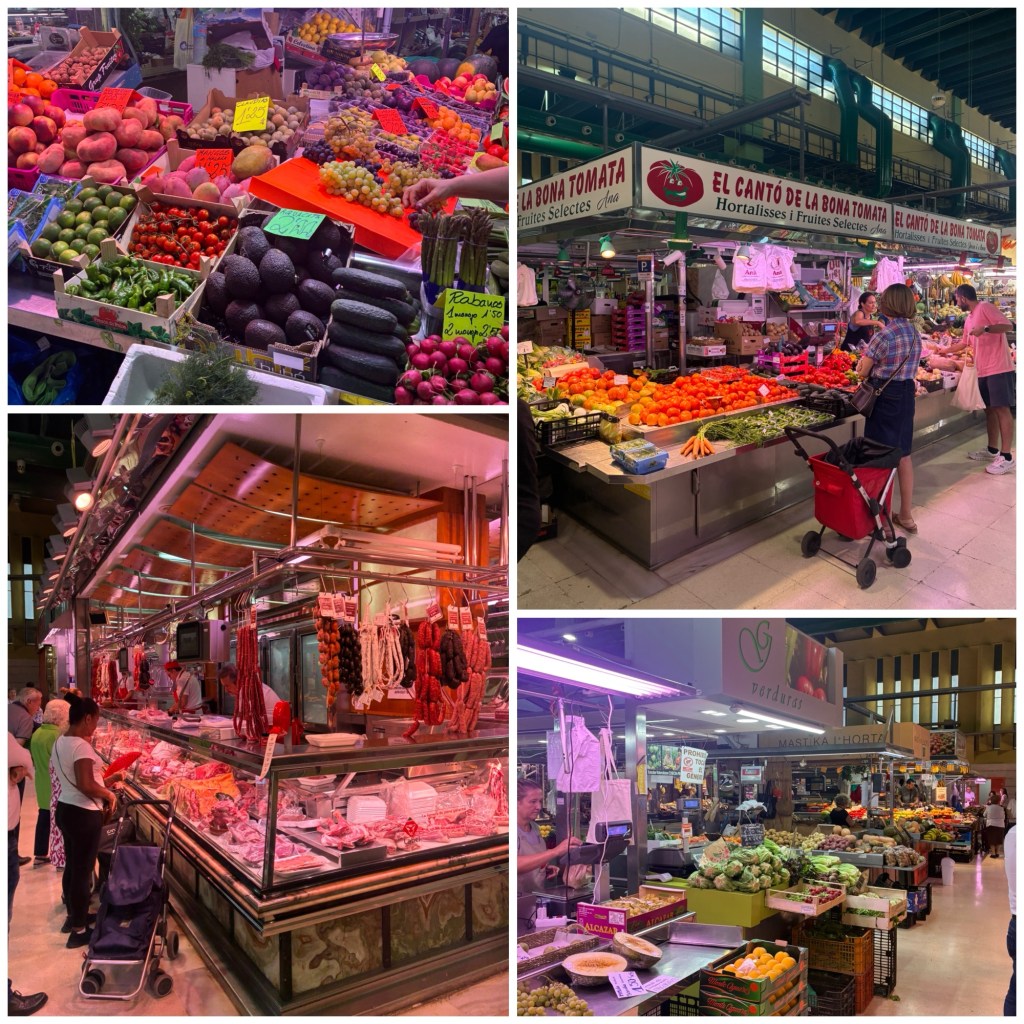
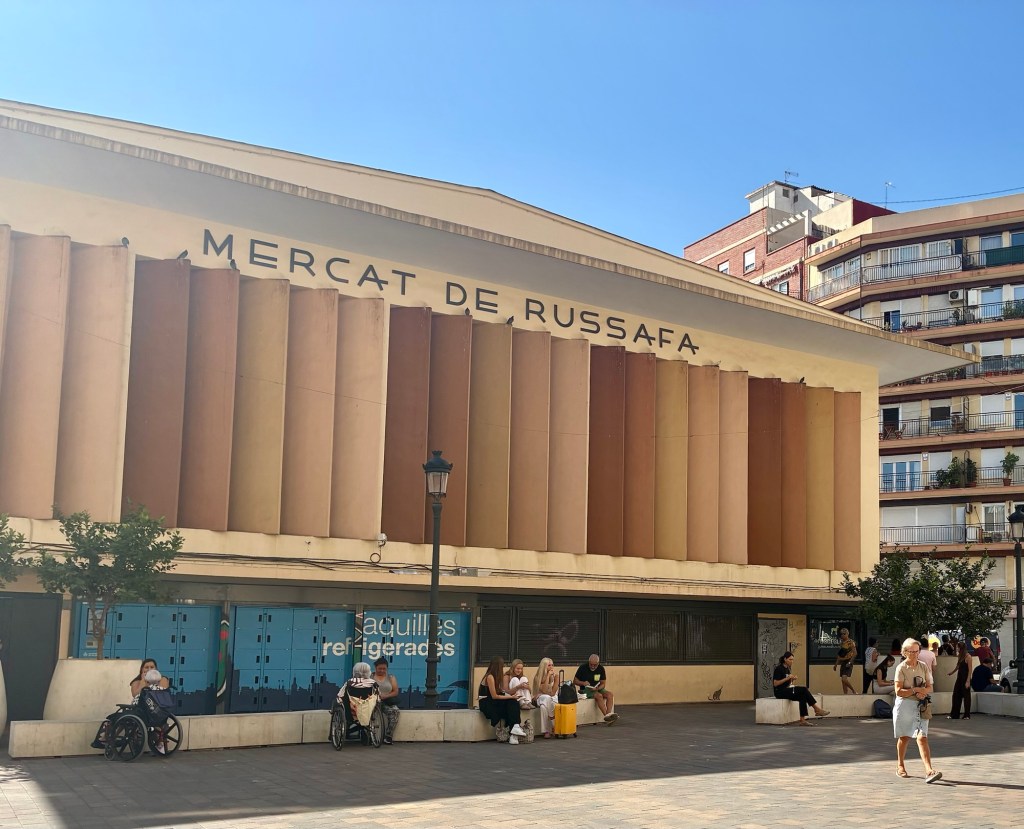
The view from our window says it all—a mercado, a public market!  It’s the Mercado de Ruzafa (Spanish) or Mercat de Russafa (Valencian). 

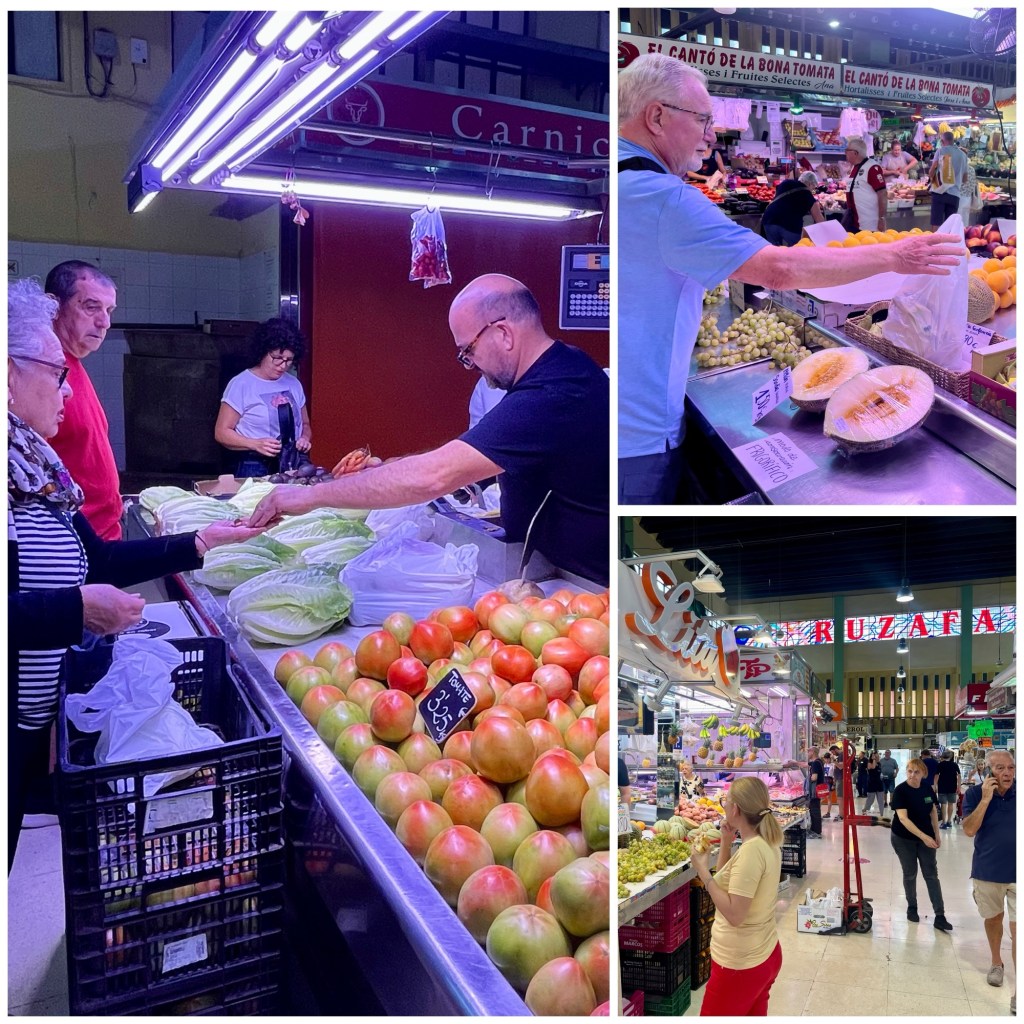
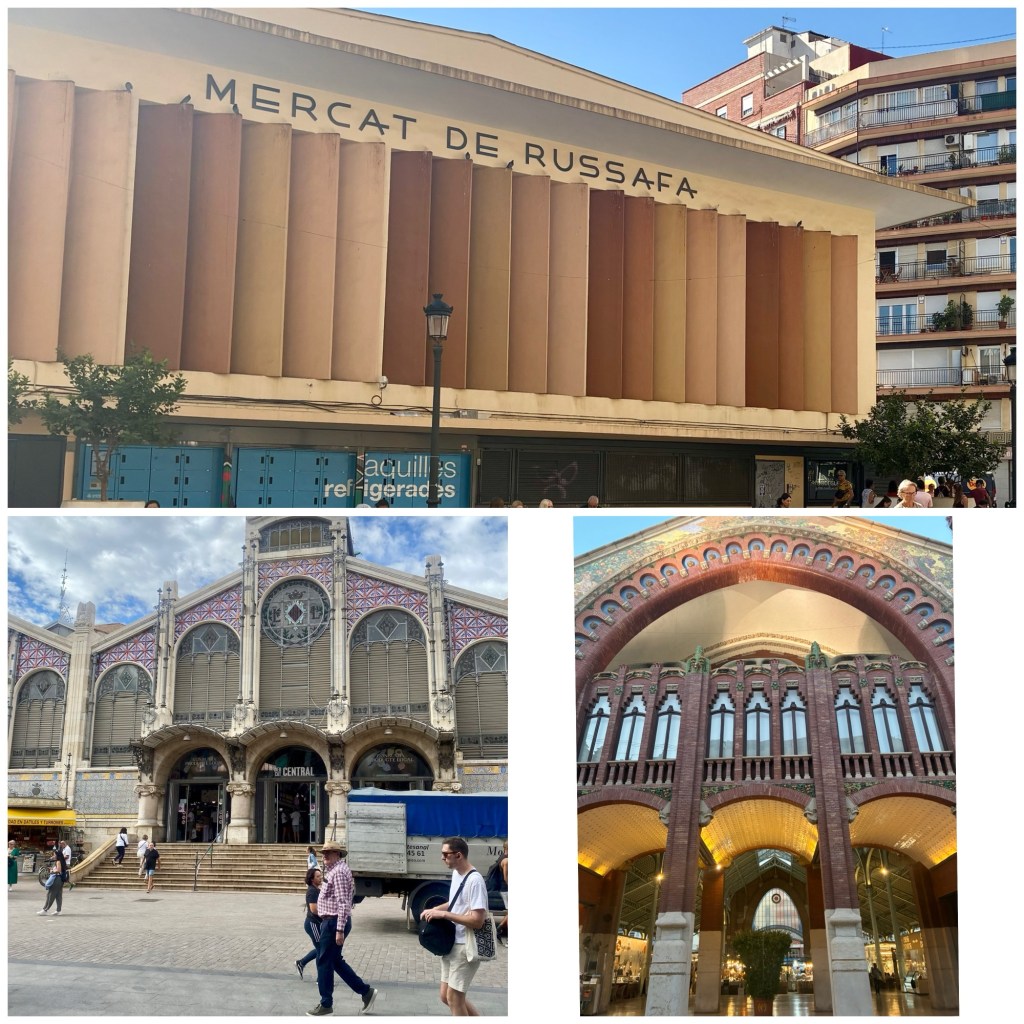
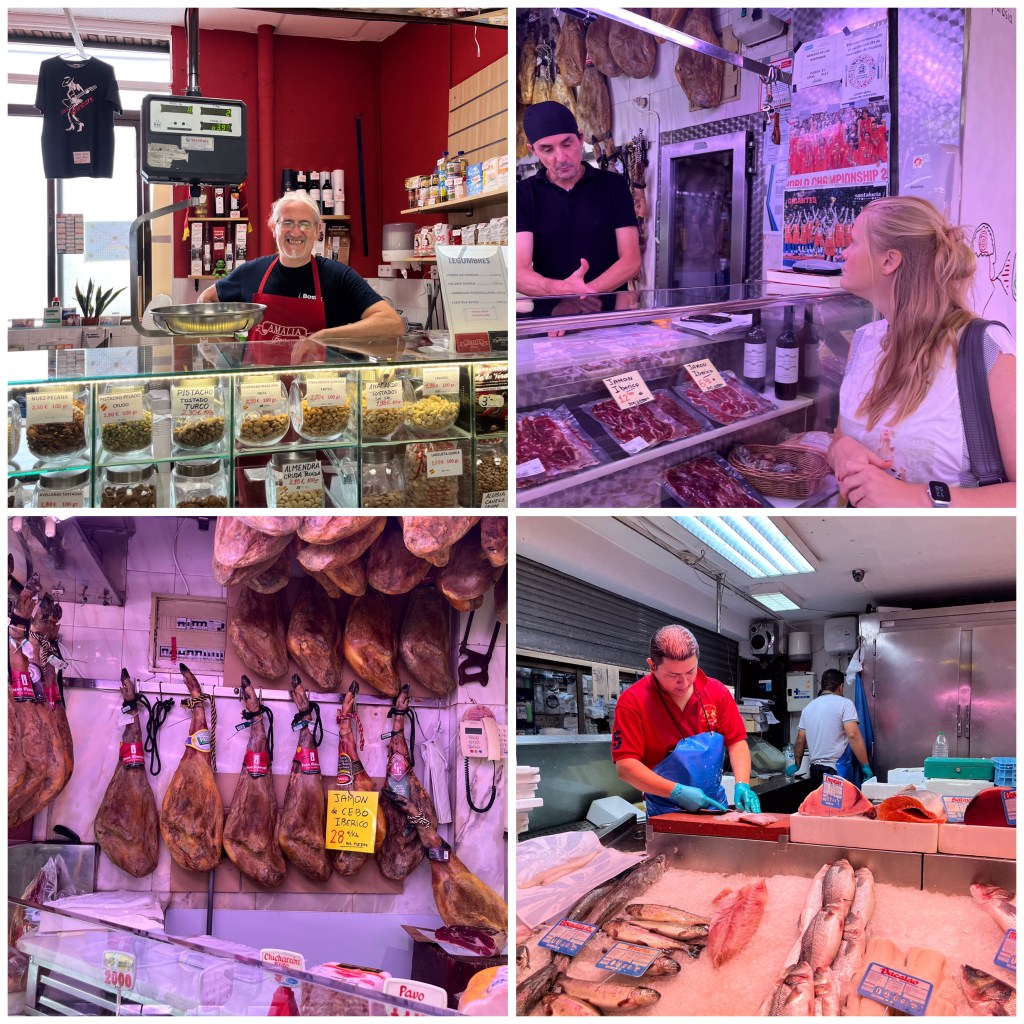
It’s in an ugly, ugly concrete building—no getting around that fact.  Even a little decorative paint can’t hide that. Not pretty like the spectacular art deco Mercado Central or the even fancier Mercado de Colon. But inside, wow!  Foodie heaven. A home cook’s paradise.  An ocean of food stalls!  

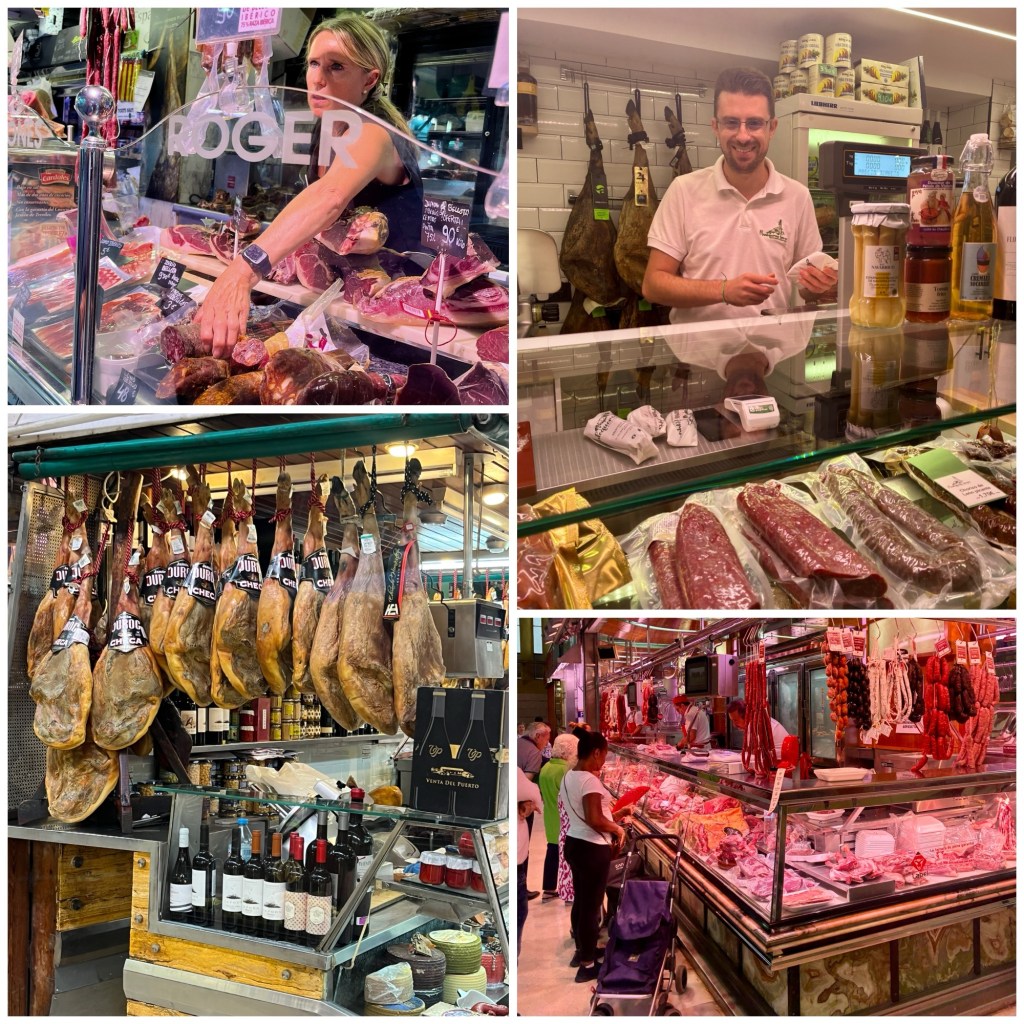
In our scientific count, we found 29 stalls selling either meat, poultry, or charcuterie.  Some even specialize—there are several pork only, a couple that specialize in just chicken, one guy sells only ground meats, a dozen selling jamon and charcuterie. 

Want a thick or thin chop — they cut your meat to order.  Our chicken folks are amazing—like samurai warriors. They cut and debone a whole chicken in seconds. You tell them exactly what you want. Knives flash and presto—a package of perfectly cut, trimmed and sliced whole chicken.  Bones saved for broth. Service and a show. 

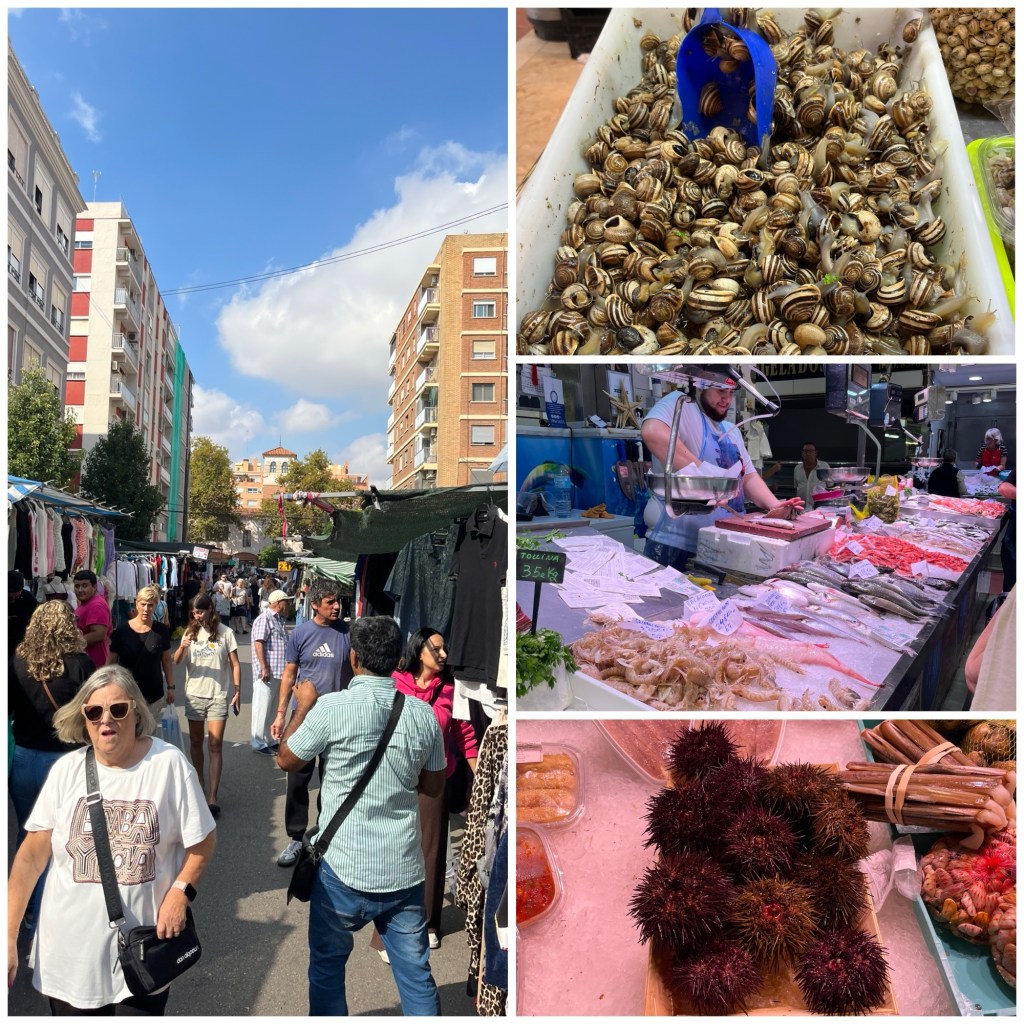
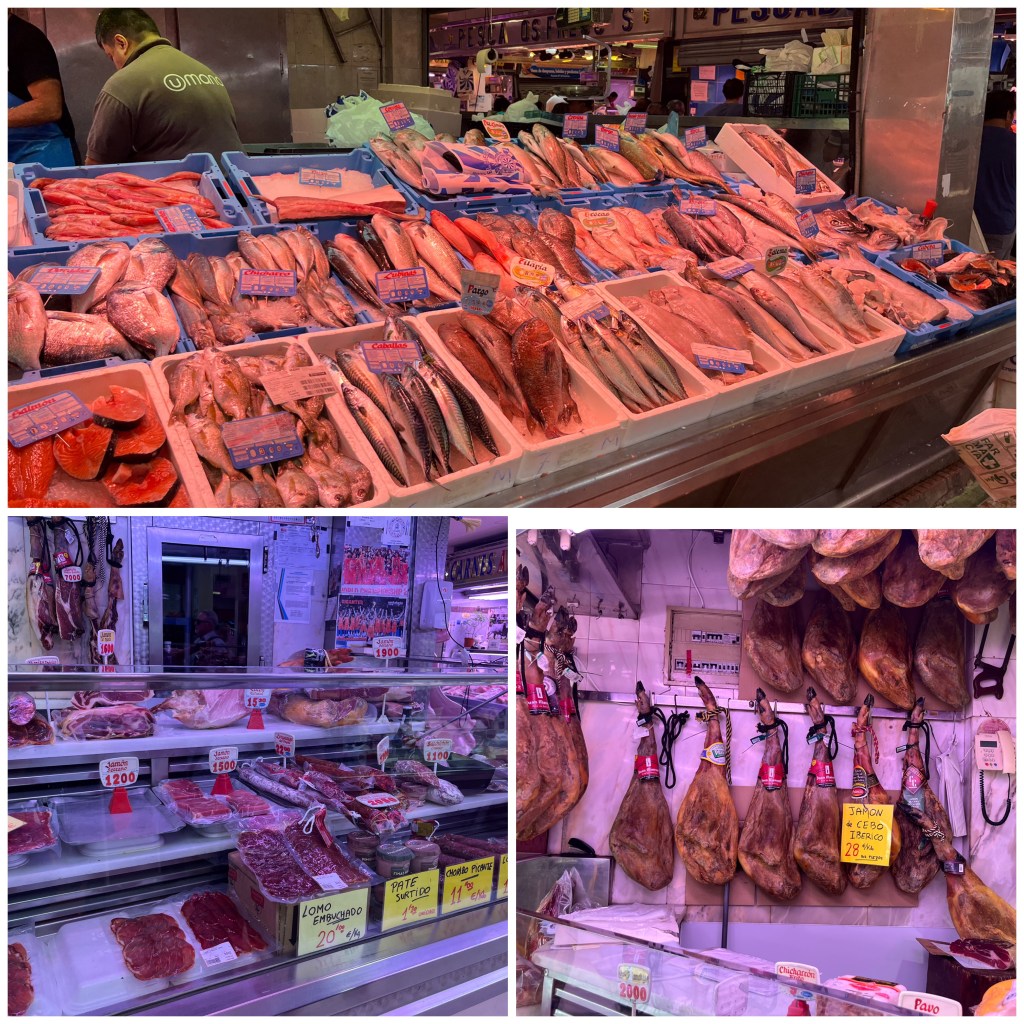
There are 19 fish stalls housed in a separate wing of the market where the temperature is kept lower to help keep things fresh.  Most of the seafood is laid out artistically on beds of crushed ice. Fish sculpture extraordinaire.  

Of course, there are dozens of fruit and veggie stalls.  Most sell only seasonal produce. I asked one lady if she had oranges—it is, after all, Valencia.  She said not today but come back in 10 days—the fall crop will be in then. One stall offers the very best romaine lettuce. There is always a crowd as each customer buys a head plus whatever else looks good. You have to ask politely “Quien es ultimo?”  “Who is last?” in order to know where to stand. 

A few specialize in tropical or South American produce for the immigrants—clearly not seasonal and imported. But those stalls are the exceptions.

And there’s the rest, the other stalls—nuts and dried fruits, the egg lady, bakeries, prepared food take out, spices, olives, pastries, the mushroom guy, specialty stalls with Italian, Greek, South American, Mexican foods, dry goods, candy, wines and spirits, sushi, vermouths only, coffees only, even a tea only place.  We’ve found our favorite cheesemonger in one of the smaller stalls carries mostly Spanish varieties, and our young egg lady who has both regular eggs and eggs from pasture raised hens.  

There is, of course, a restaurant and bar where the locals and Mercado workers hang out. A little dark and dingy. But lively.  They all seem to start the day with a beer, vermouth, or a shot of something stronger. 

The public market in the marina district — no surprise — is known for seafood. The area used to be a small fishing village before Valencia absorbed it. But Thursday when we wandered out there it was also flea/street market day. Since Monday is our neighborhood’s street market, we thought we knew what to expect. Nope. This one was enormous—maybe five times size of ours in Ruzafa. It ran down the main street about 10 blocks to the public market and filled many side streets. Enough underwear, table clothes, shirts, kitchenware and used shoes for the entire planet.

Then we got to actual market — Mercado del Cabañal. Newer than many markets, and still filled with jamon, fresh meats and tons of vegetables as you would expect. But the seafood! Wow! Fish, and a particular shellfish is not cheap here, but the quality and variety is amazing. The legacy of the old fishing village.

What you don’t really have at the Mercado de Ruzafa or Mercado del Cabañal are tourists. Expats, yes, immigrants, yes, tourists, very few. A real contrast to the Mercado Central and the Mercado de Colon.

The grand Mercado Central in the old city isn’t entirely tourists—our Valencian  friends shop there.  But because of its beauty and its location close to so many historical sites, it is included in all the guide books and on all city tours.   Bottom line?  The locals definitely fight their way through the selfie shots and tour groups with barely enough room for their small shopping carts.

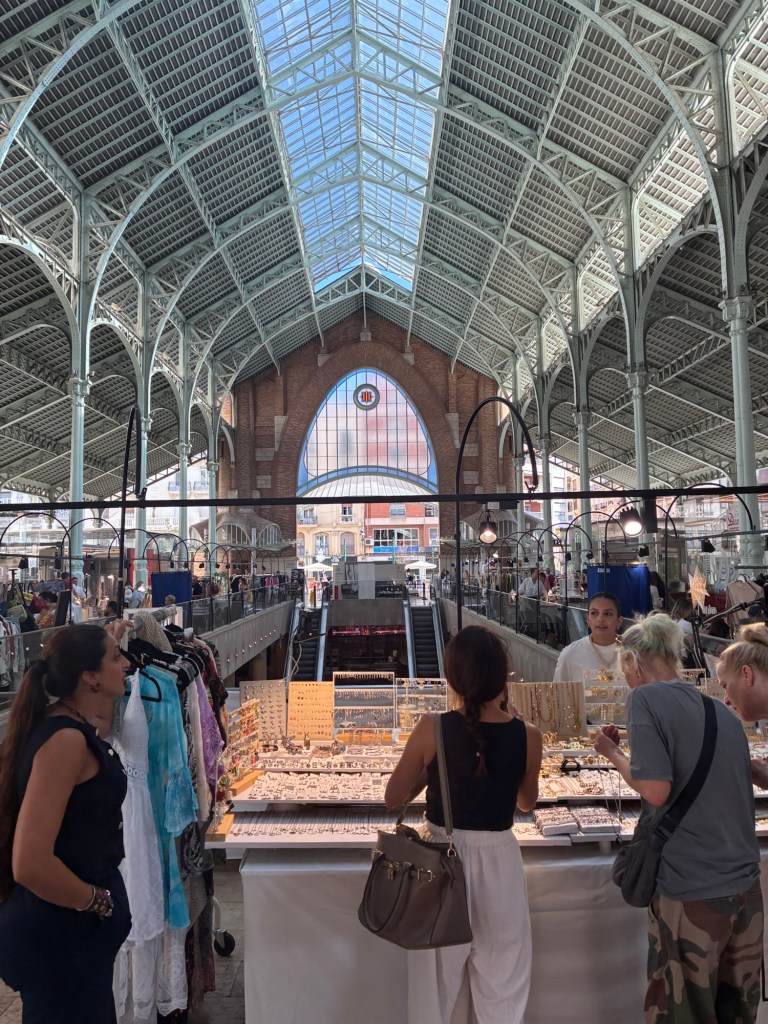
The Colon Market is a whole different vibe. Gorgeous building.  Built in 1916 as a market, it’s been extensively renovated, and beautifully maintained. Upscale restaurants and bars spread over two floors. It’s filled with little booths selling locally made fashion, artsy jewelry and pricey souvenirs. And only a few real food stalls—probably just so it could still call itself a mercado. 

Tourists, yes. Mobs. Many Spanish, but sitting down to a coffee, you’re just as likely to hear Dutch, German, British English, or American English.  

And dotted all around the city, there are many more neighborhood mercados, each with its own flavor. 

It’s our mission before we leave to visit as many as we can.  Mercado mania. 

But for now, and probably always, the Mercado de Ruzafa is our happy place.  

Getting to Know You, Valencia

It’s been a learning process, for sure.

Part of the challenge of living in Valencia for two months is that, yes, we are tourists and, no, we’re not quite tourists.  Staying in a long term rental means there are sheets to wash, sinks to clean, floors to mop and garbage to take out as well as sights to see. All part of the deal.

Valenica, like any major city, is so much more than the “must see” highlights in the old town center.  It has a huge variety of neighborhoods—swanky, working class, trendy, suburban, beachfront, and industrial. Places we would never see if we were here for just a few days or a week.

Some date back to the mid-nineteenth century and some to the post Franco era.  Valencia was the capital of the Republic during the civil war, 1936-39, and bombed extensively by the fascist Franco. Even the historical center has these stunning contrasts.

We’re living in the “trendy and hip” neighborhood of Ruzafa, a twenty minute walk from the city center. Endless restaurants, bars, nightclubs, tattoo parlors, and vintage clothing shops.  At night, the place is crazy.  And crazy loud.

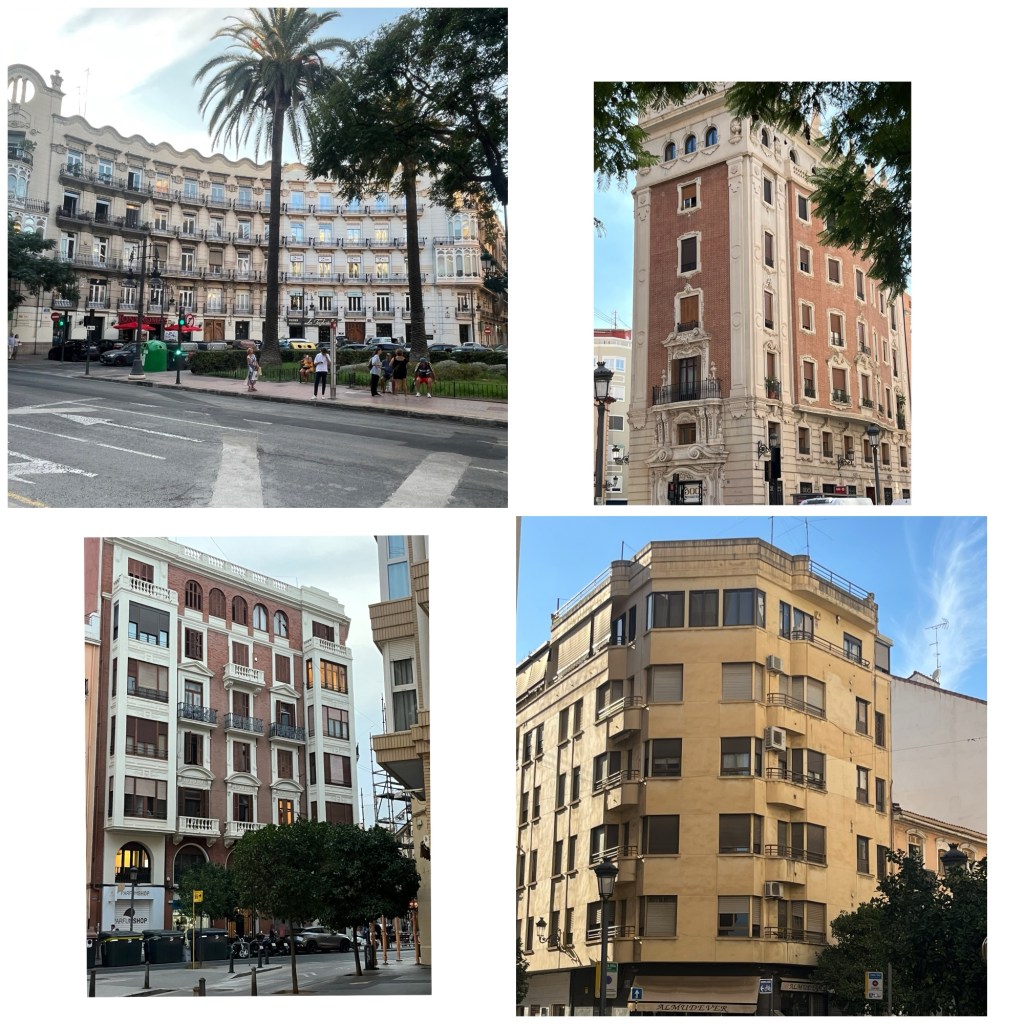
Still, people do actually live in Ruzafa. Lots and lots of them in four to six story apartment buildings ranging from grandiose and ornate to humble concrete boxes. 

During the day, we hear school children, see seniors strolling, watch dog walkers, and dodge business types off to work. Many of the residents do their daily or weekly shopping in the huge, concrete public market, Mercado de Ruzafa. 

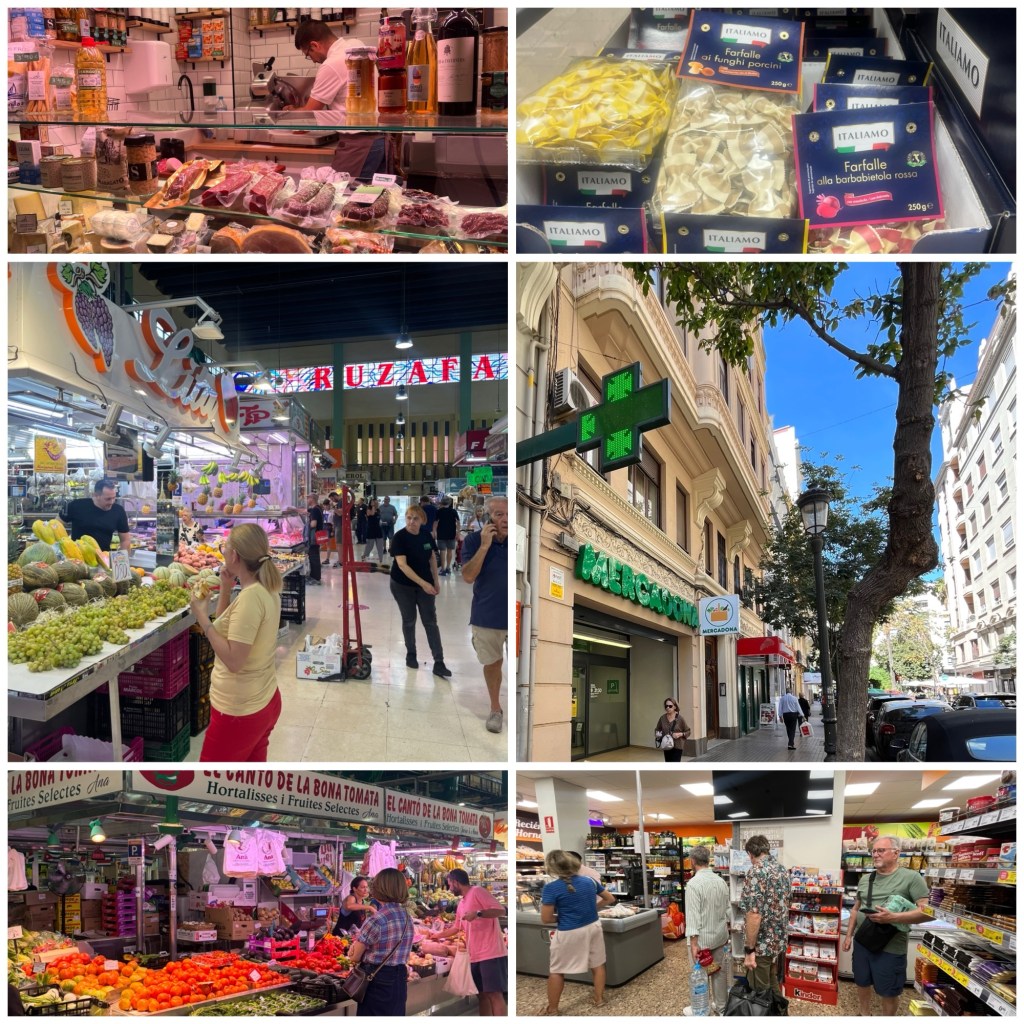
The Mercado on the left with hardly a tourist in sight and supermarket on right also without tourists.

But the same folks pack the giant American style supermarket, Mercadona—which by the way, you could easily miss since the entrance since it’s a nondescript single door amid all the others at street level.  Minimal signage.  And there are also dozens of mini-marts and fruit and vegetable stands that stay open well after the Mercado and Mercadona are closed.

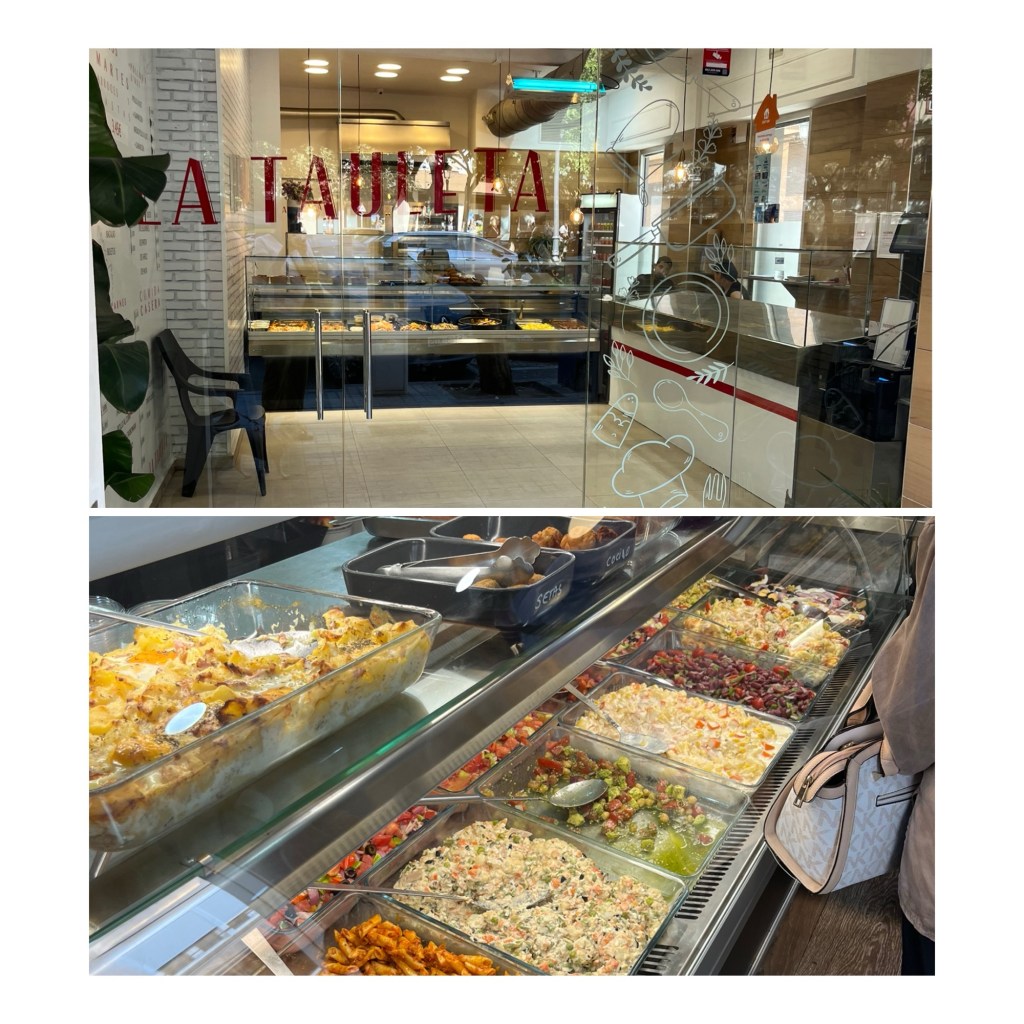
So living here we’ve learned to shop at both the Mercado and the Mercadona for our home cooked meals. We can’t eat every meal out—though it’s tempting.  We’ve also relied upon someone else to do the “home” cooking and  bought excellent prepared food at some of the specialty takeout stores.  A real lifesaver at times.

Lasagna, paella, roast chicken & or a variety of salads — lots of choices

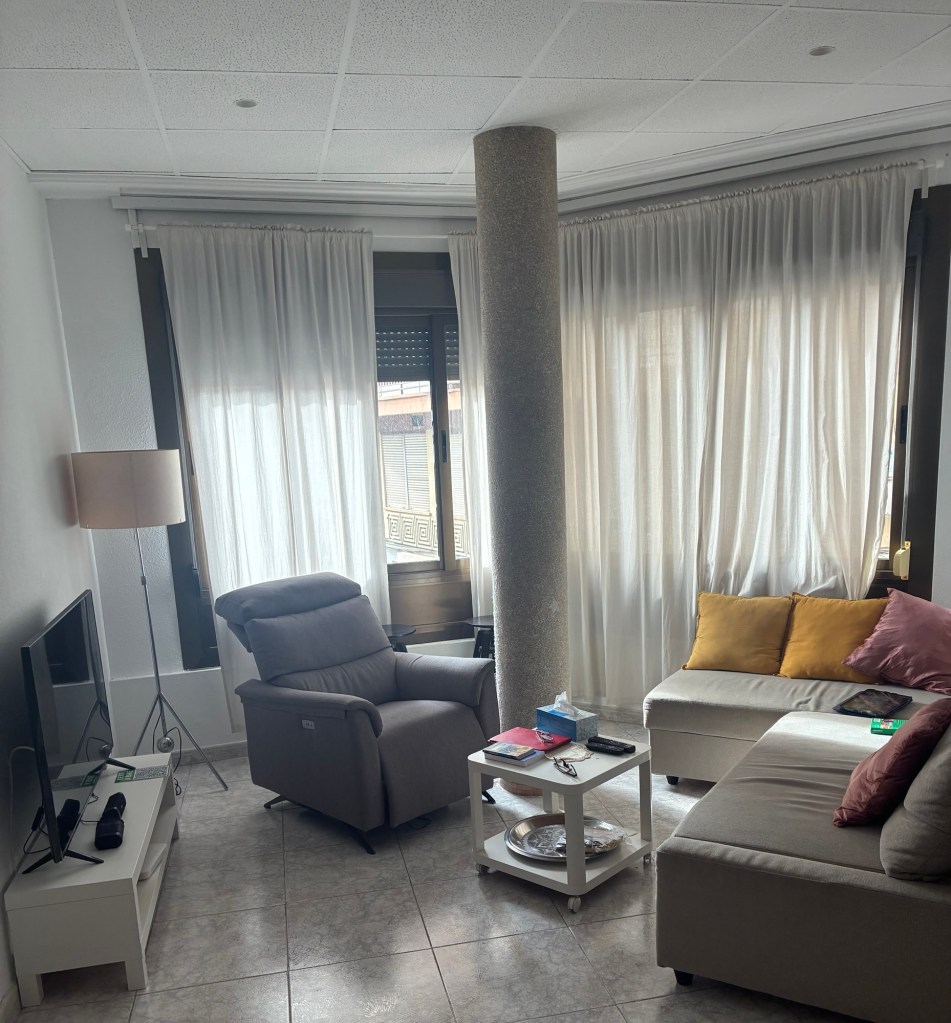
Another part of living here is that get togethers with friends often don’t take place at home.  Many apartments are tiny, not really suitable for even small gatherings. Like ours.

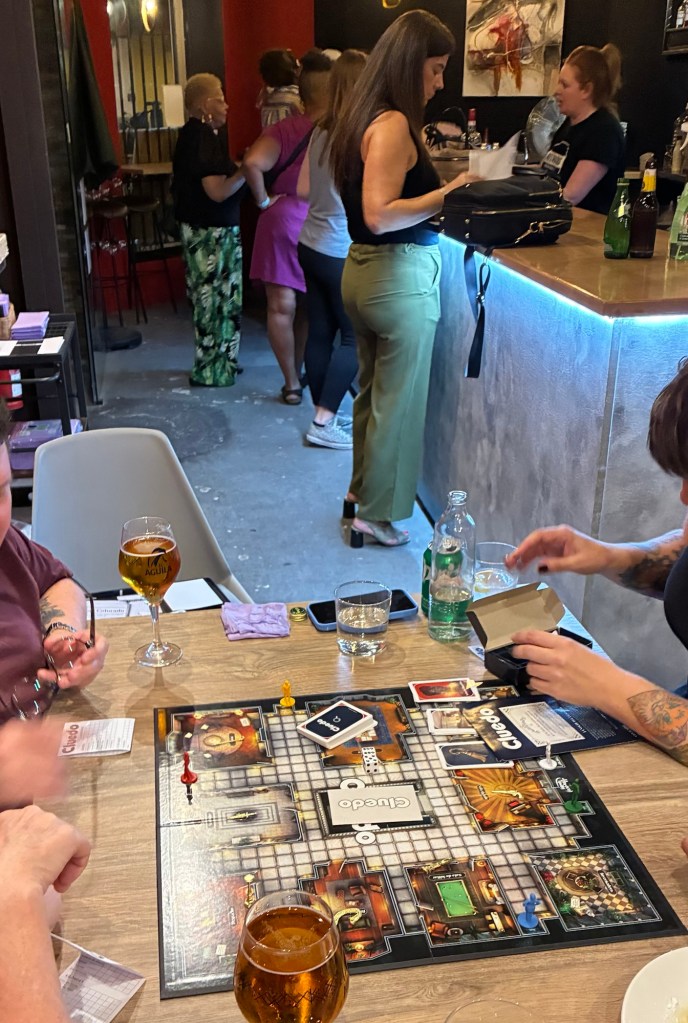
You meet at a restaurant or bar for the evening or for lunch and the table is your for as long as you like—often hours.  Our friends even invited us to a game night at a local Irish pub where different groups huddled around tables — ate, drank and played board games all evening.

And as for getting around, well, mastering public transit is a must—none of our Valencia friends have cars.  Cars are a luxury, parking impossible, and the traffic horrific. Getting a license is a linguistic and bureaucratic challenge.  The good news is that there’s a great transit system and it’s dirt cheap.  Clean subways and air conditioned buses!  We’re still struggling with bus routes that our friends know like the back of their hands. More good news—taxis are plentiful and inexpensive for those times you want a little more comfort. 

There’s adjusting to “Spanish time”.  Meals: lunch at 2:00, dinner at 10:00. Always check the hours and days for restaurants, stores, and museums. The 2-5 pm siesta still happens for many establishments, including museums in the heart of the tourist district.  Also, closing days wildly vary.  Seems each time we walk down a familiar street something new is open and something familiar is closed.  No rhyme or reason.  And in September we’re seeing signs hanging in windows saying “Closed for a vacation.” Four times so far this trip we found ourselves on the outside looking into a closed museum, closed store, or closed restaurant. 

Small things call for adjustments, too. In almost all bars, coffee shops, restaurants, the waiter will come to the table to take your order. It may take time, but they’ll get to you. On the other hand, if dining outside, you may need to go inside to the register to pay the bill. Almost always you have to ask for the check. We’ve been assured by our local friends that you rarely clear your own dishes, no matter how casual the bar or restaurant is. Tipping is not expected. Cash is almost non-existent. Everybody pays “con tarjeta”—with a phone or credit card.  And you can use a card for even the smallest transactions.  

Perhaps one of the hardest lessons has been to navigate the streets with bike lanes.   Very common throughout the city, they are usually painted red and sometimes run alongside the road, but also often merge onto the sidewalks so you’re never sure whether you’re in a bike lane or on a sidewalk. DO NOT WALK in the bike lanes!  The bikes and scooters barrel along at insane speeds and own those lanes. When you’re walking along, reading a map or looking at the sights, it’s way too easy to drift into the danger zone.

Drivers in cars, on the other hand, are generally courteous, stopping for any one standing at a cross walk.  Such courtesy takes a little getting used to although locals hardly look up from their phones when they hit a crosswalk without a light.  It’s different at stoplights.  There bicycles, and pedestrians, even moms pushing  strollers, ignore red  lights if there are no vehicles within striking distance.

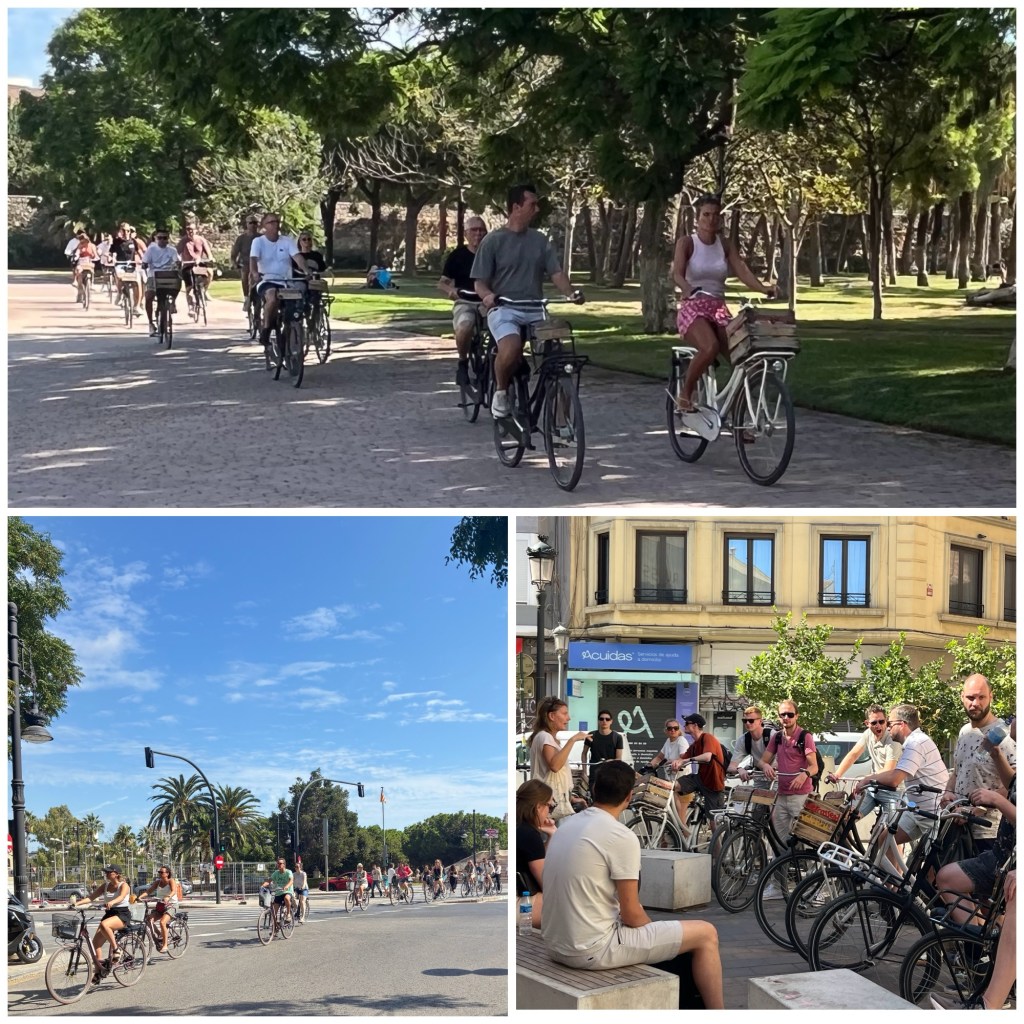
But there is even a worse danger. In the old city large groups of tourists get on bikes and ride around the major sights. Just imagine. 10-20 people who may not have ridden a bike for years trying to follow the guy with the bright baseball cap in front of the herd. It’s fairly benign in the city parks but around the historical sites just imagine those bikes wobbling through dozens of walkers, strollers and pedestrians. All because Valencia is a flat and “bike-able” city.  

These differences, especially the small ones, keep us on our toes as we try to make sense of it all. And that’s part of the adventure!

Yes, we’re starting to know you, Valencia, both as wide-eyed tourists and as everyday residents.  

PAELLA! PAELLA!

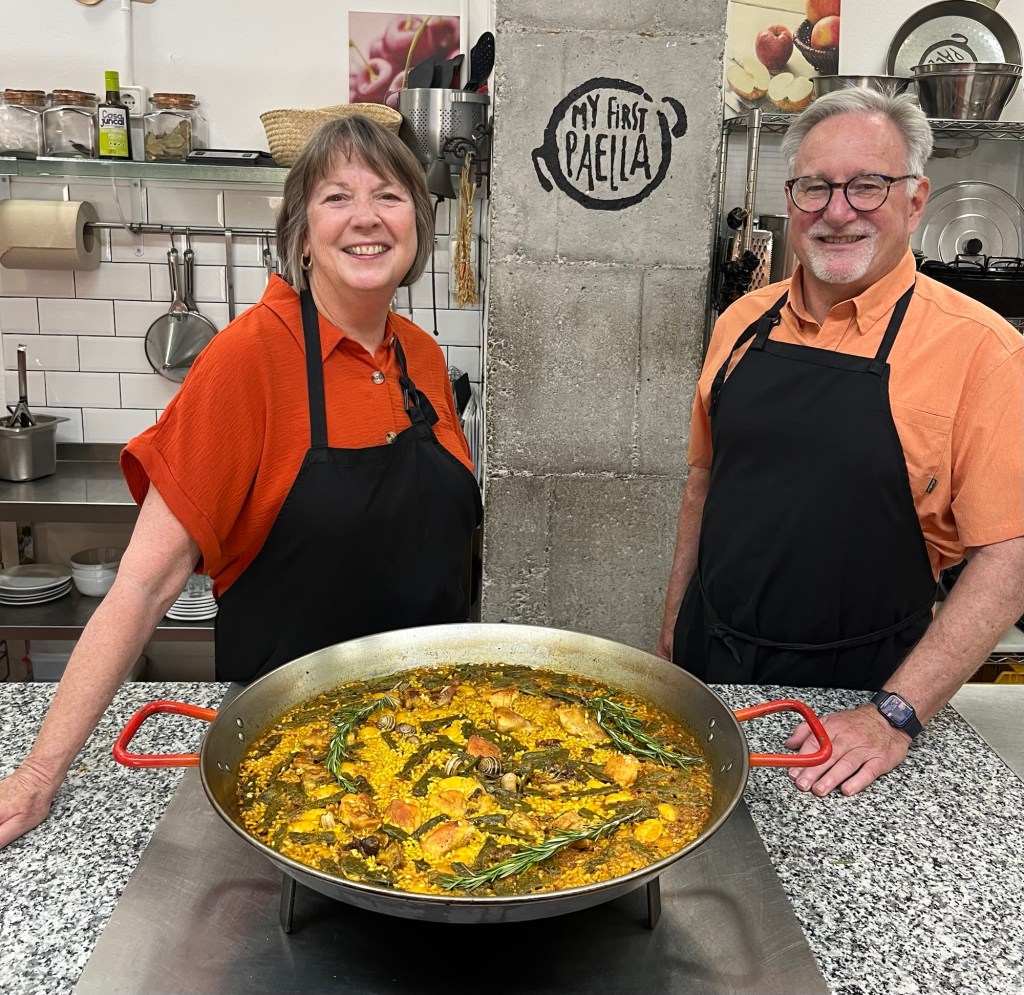
Our instructors

Anyone who knows us, knows we’re foodies. Some have even said we’re food obsessed. So it’s no surprise that one of the first things we did in Valencia — and just about the only thing we booked before our arrival — was to take a cooking class. We knew paella, a dish most people associate with Spain, properly should only be eaten in or near Valencia and only at lunch. We had eaten an authentic version a year ago so we knew what we commonly cook at home is really what our instructor called “rice with stuff.” We were ready to be educated on how to cook real paella.

Paella is a peasant dish and like most peasant dishes the authentic version is the one your grandmother learned to prepare using what was local, readily available and cheap. The word paella actually is the Valencian word for pan and paella is cooked in a specific pan that is round, shallow and slightly concave with two handles. By definition paella can’t be cooked in just any old pan.

And the rules? Oh boy, there are lots of rules for cooking paella. According to our experts at myfirstpaella.com, never, ever, should seafood be mixed with chicken and/or rabbit paella. The Valencian style contains only chicken, rabbit and snails, and flat green beans. No onions, no red peppers, no peas. And no chorizo — that’s nearly a criminal offense! It is best cooked outside over a wood fire with just one cook (although many people may offer advice to that cook) and regardless of how many you’re serving it must all be cooked in one pan. Why?  Because people would argue which pan is best.

Our cooking lesson began at the local market, Mercat de Russafa (or Mercado de Ruzafa in Spanish). The word russafa is from Moorish times—garden. In other words “market in the garden”. Not quite a garden now—a giant concrete building but housing a very impressive collection of food stalls with darn few tourists in sight. This is where the fresh ingredients for our meal originated.

And we were given a very helpful tip—don’t order fish in restaurants in Valencia on Mondays because none of the fish stalls anywhere in the city are open. The fish will always be at least two days old (all markets are closed Sundays). Reminds us of Anthony Bourdain’s famous line from Kitchen Confidential “Never eat sushi on Monday.” 

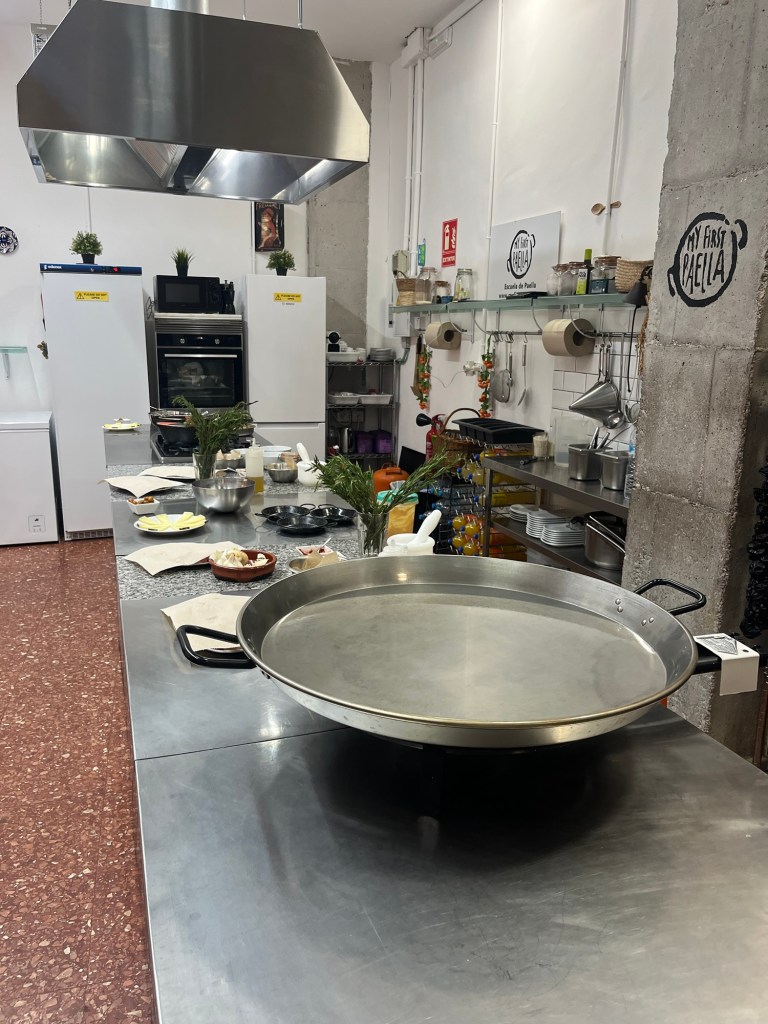
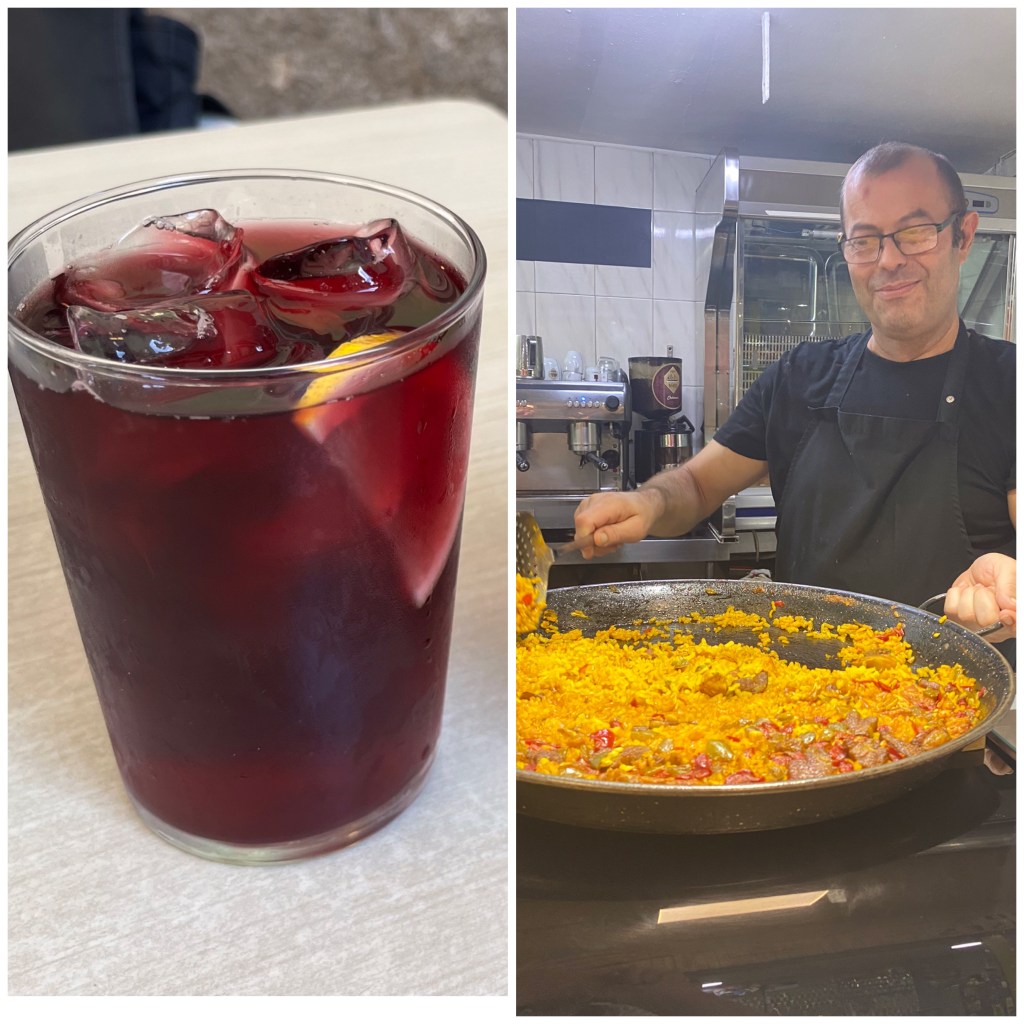
Once we arrived at the kitchen, a few blocks from the market, we were greeted by tapas —patatas bravas, jamon, manchego cheese, olives and mussels. And large water glass servings of Sangria (red wine, usually tempranillo, citrus slices, a bit of rum, a jigger of sweet vermouth, a spoonful of brown sugar and orange soda served over ice). Immediately I asked for the recipe for the potatoes — a dish served everywhere in Spain—often dreadful as we had in Madrid (French fries with pink gravy) or more commonly just ho-hum. This version was fabulous. Fried cubes of potatoes, served with a large scoop of a thick sauce of garlic, lemon, salt, paprika, olive oil and tofu (I suspect silken tofu). Outstanding.

So our lesson started almost immediately with a violation of the rules. We were using two pans. There were 13 of us — a group of eight traveling together from Detroit, and then a couple from the UK, a young professional from New York City and the two of us. We were divided into two groups — the Detroit crew and the rest of the enrollees. Let the fight begin!

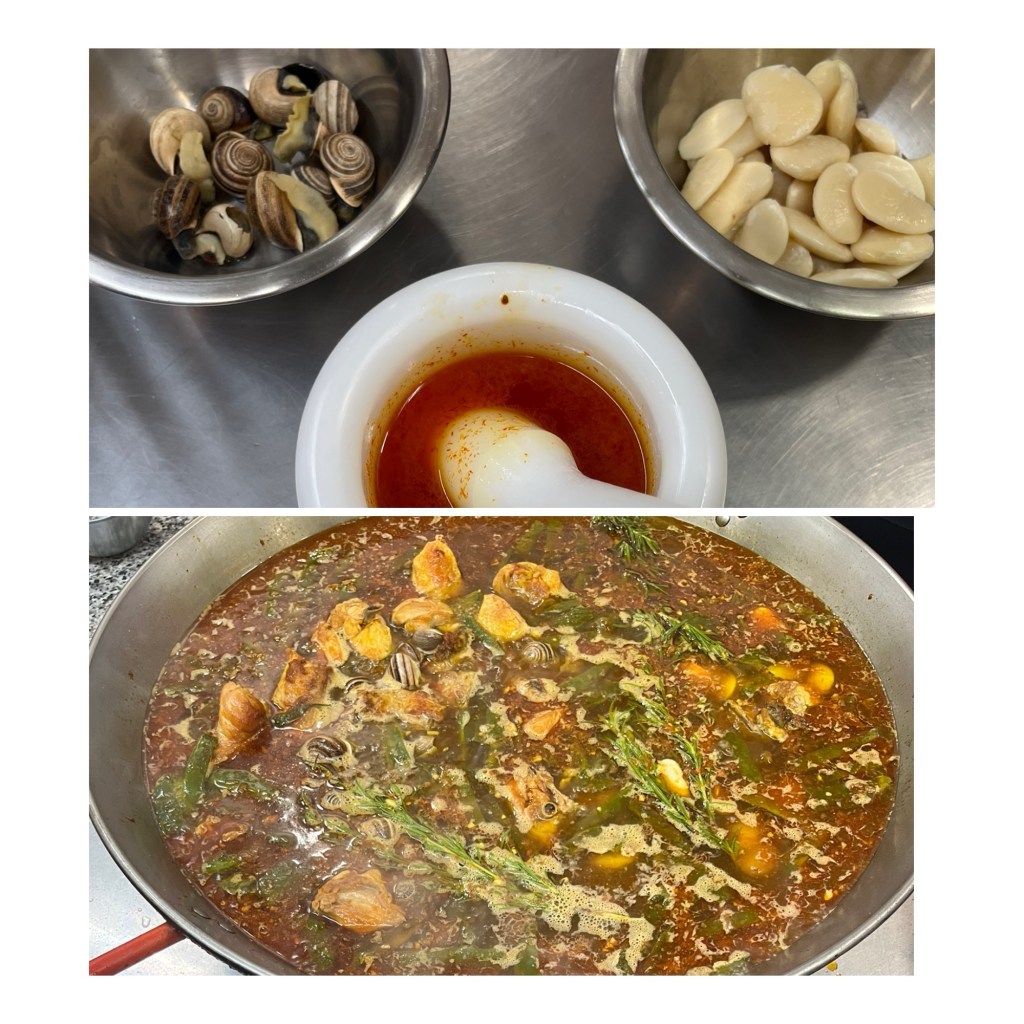
First an enormous of amount of oil went into each pan and placed on large gas fired ring. The oil puddled in the center of the concave pan — we fried the small pieces of chicken and rabbit in the center with the delicate rabbit liver cooking slowly on the cooler edge. But before the meat went in, the oil was salted! As each new ingredient goes into the pan, we were told, it must be salted!  When the meat was well browned, we added torn (not cut) romano beans to the oil puddle as the meat was pushed to the edges. Once the beans blistered, we removed the rabbit liver and it was shared among the group — at least among those willing to try rabbit liver. Our instructor explained at home his family added several chicken or rabbit livers, maybe some kidneys and heart to the pan to be shared at this point. There were some very skeptical looks among our crowd.

The basic sauce for the paella included two kinds of paprika (a sweet version and a coarsely ground mild pepper version), finely minced garlic and grated Roma tomatoes. More salt. The sauce cooked until “pasty.” Then in went the lima beans. More salt. Then came the saffron (which had been pounded in a pestle, mixed with a bit of hot oil and a small amount of water). More salt.

And finally plain water – not chicken broth or anything fancy. “Be careful!” our instructor said “so there is no tsunami” as we poured the water to a depth of about a half inch—carefully measured by the instructor with a slotted spatula—a technique we would like to think he learned from his grandmother. And more salt. Several large pieces of fresh rosemary stewed for a few minutes but removed before the final cooking stage otherwise they might burn and leave a bitter taste.

We all had to taste the broth at this point to see if it was salty enough. Some said yes, some said no. But it didn’t seem to matter what we said, our teacher just added more salt and asked us to taste again. And added more salt.

The secret we were told to good paella is all about the balance. Not too much garlic — one clove for every two or three people. Not too much saffron — six stands per person. Not too much liquid — “Paella needs to breath.”

Only when the broth met his salt quotient, did the rice go in. “Don’t make a mountain,” he said but spread it around the pan. The flame was turned up, the pan was shaken and everything was left to cook. No lid.

Properly made paella takes nearly an hour to make, including 15-20 minutes after the rice is added. When finished the rice should be about half an inch thick with 3 distinct textures – an almost crispy carmelized texture from the bottom of the pan, a soft texture from the middle and a bit that is al dente near the top layer. Bottom line — paella is all about the rice. An experienced cook can tell by tapping the bottom of the pan with a spoon if the rice is done — a metallic sound means the rice lacks a crispy caramelized bottom layer. We’ll see when we get home if have the ear for that test.

Once cooked, the dish needs to sit for five minutes. We used that time to have a shot of a aniseed liqueur, Cazalla.

Then we all sat down to enjoy what we had prepared, plus what our instructors had made while we cooked — a small salad of tomatoes with a spicy (not very) vinaigrette and capers which seemed to balance the richness of the paella, and wine. Our confidence in our instructor was not misplaced — the rice was perfectly seasoned—very tasty. A perfect paella which everyone thoroughly enjoyed. A delightful afternoon and loads of fun.

A traditional Valencian sponge cake and orange slices dusted with cinnamon completed the meal with a small glass of moscat—a sweet white wine.

DELICIOSO!!!


Serendipity

We left sea level about an hour into the drive from the Pacific coast. 98 degrees the car thermometer read. After three weeks in the tropical jungle and tropical desert of Costa Rica, we were heading to the mountains where the forecast said the high temperature would be 75 degrees. A mere 66 miles from Playa Flamingo to Monteverde in the mountains if we were crows, but by road— 122 miles. Three and half hours to go 122 miles. Normal in Costa Rica.

We’ve learned to shy away from the “major” roads — almost all of which are only two lanes inevitably clogged by the hundreds of slow moving trucks that transport goods. Costa Rica lacks navigable rivers and has almost no railroads .Everything goes by road. And given the many mountain ranges, there is rarely a direct road from point A to point B. The smaller roads may be narrower and more potholed, sometimes gravel, but ultimately your speed is the same. The traffic is more manageable and driving through the hamlets and villages much more interesting.

Our plan was to drive until the temperature dropped out of the 30+ Celsius range and then break up the drive with a quick bite to eat. Our rental car was all wheel drive so we weren’t overly concerned about the steep, narrow and rutted roads we knew were part of the day’s drive. It always amazed us that the road to a major tourist destination like the Monteverde Cloud forest could be so bad.

About half way up the Tilaran Mountains, after passing a few scattered homes tucked into the mountain sides, a warning light came on in our rental saying the transmission was overheating. Panic! This was a new car. And the manual that came with it was all in Spanish!

Luckily, almost simultaneously we came to a wider spot in the road with a covered parking area beside what looked to be an abandoned restaurant. As soon as we stopped the “abierto” came on. It didn’t look too promising from the outside and the livestock pen underneath might have put off some people, but we were hungry and we had to let the car sit and cool down…so why not!

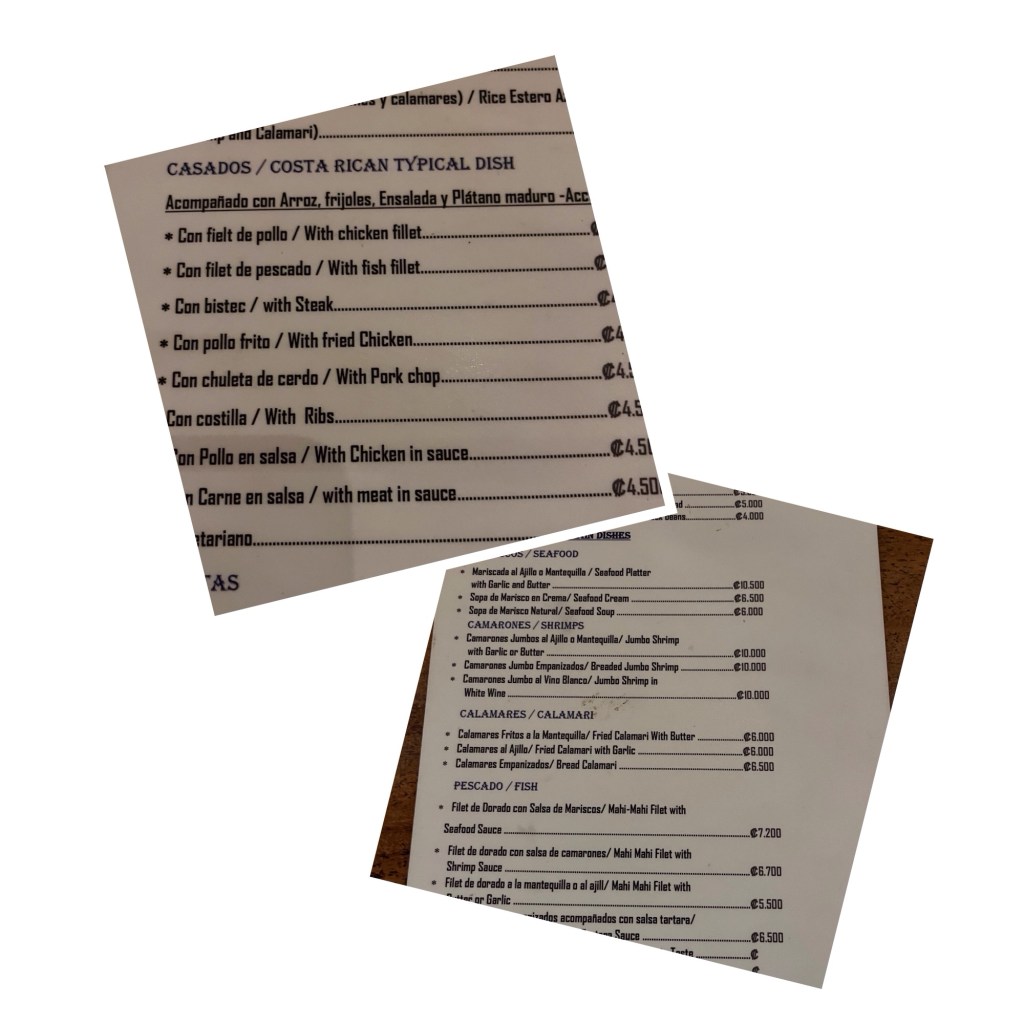
Inside it looked, well, okay. Empty, completely empty, but tidy and clean. We were pretty sure the owner/waiter spoke no English, but Peter could speak a little tourist Spanish so we knew we’d muddle through. The menu wasn’t big. Mainly familiar Tico fare—casados, arroz con pollo, some grilled meats — all,big meals. The fast food page (comida rapida) had hamburgers, hot dogs, tacos which seemed more appropriate for lunch. And, of course, Imperial beer, because it had already been that kind of day. Our expectations were pretty low until we began to smell the beef for the hamburgers grilling.

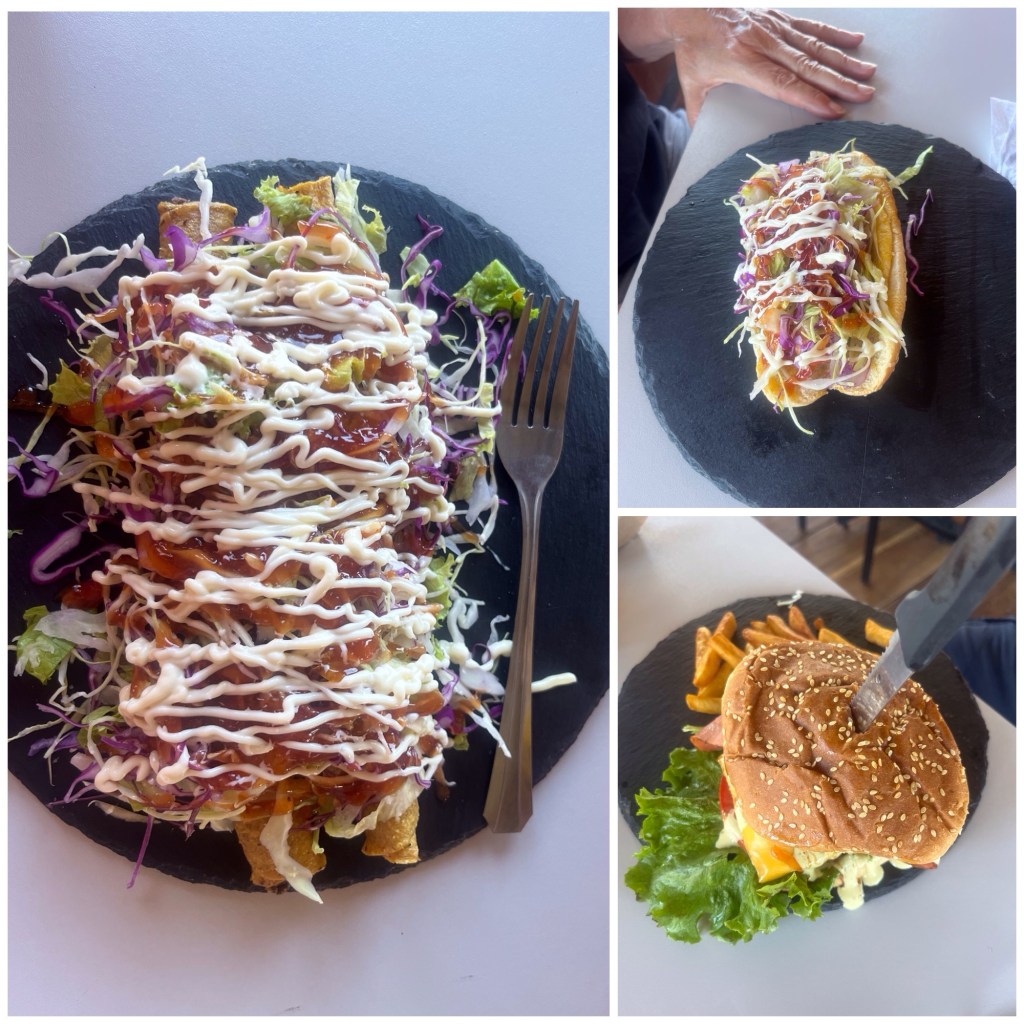
When the food arrived, we were wowed! It could have come out of a high priced gastro-pub anywhere back home. Elegant presentation. Fresh ingredients. Cooked to order. (Tacos were $5 US and hamburgers just a bit more.) The tacos were four fried cylinders of ground beef under a pile of sliced vegetables dressed with a cheesy white sauce and slightly spicy sweet tomato sauce. The hotdog came with the same treatment, and the hamburgers had two kinds of cheese, slices of ham and were as juicy as you want them to be. Messy but wonderful. Definitely a knife and fork burger. Service was efficient and attentive.

Oh, and the view!

The mountains above us
The Gulf of Nicoya in the distance below us

The transmission cooled down. And we were off once again, headed to our rental outside of Santa Elena. However, our day of surprises was not quite over. With fewer than ten miles to go our GPS told us we would arrive in 40 minutes. But first we had to pause for a small group of dairy cows to be driven across the road.

We knew going into it that the day was likely to be challenging — travel days usually are. And we had been on these roads before. But good old fashion dumb luck had landed us at Rancho El Corral for a very memorable meal. Serendipity. Almost makes us wish we were going back on that awful road when we leave here in a few days! Almost….

Traveling on Our Stomachs

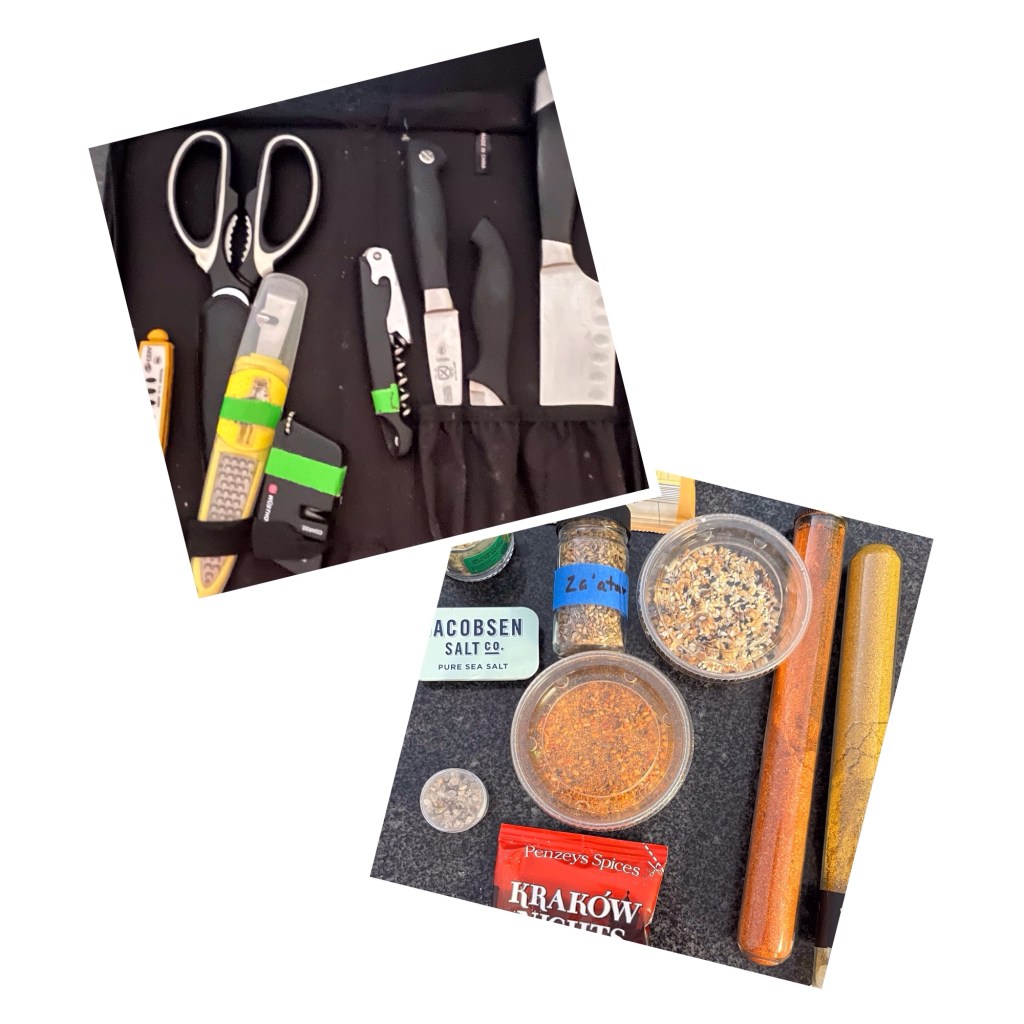
It was a tragedy in Madrid! We were catching the train to Valencia and Peter had packed our chef knives in his suitcase. We travel with our own knives—most rentals understandably have cheap sets. Dangerously dull. We had flown everywhere with this set, including a train ride in the EU just a year ago. But apparently laws and security have changed. Peter was pulled aside after his bags went through a metal detector. An officious security employee held each knife and the scissors up to a poster on the wall that showed an outline of a tiny pocket knife. He carefully measured each one—surprise, our knives were way too big. Our precious set was tossed into a locked metal bin never to be seen again. We had to muddle through at our rental home with the miserable set provided. Our knife sharpener could do little to improve them

Yes, we do travel on our stomachs. We often begin a visit to a new city or region with a food tour. And a great part of the enjoyment of any trip is hitting the open air markets, buying some produce and fixing a dinner. Any AirBnb we rent must have a good kitchen. It gives us a reason to linger as we walk through the food stalls. It opens up conversations with locals when you ask for advice on how to cook something we don’t see at home. Everyone in a food market loves food and most are eager to talk about it.

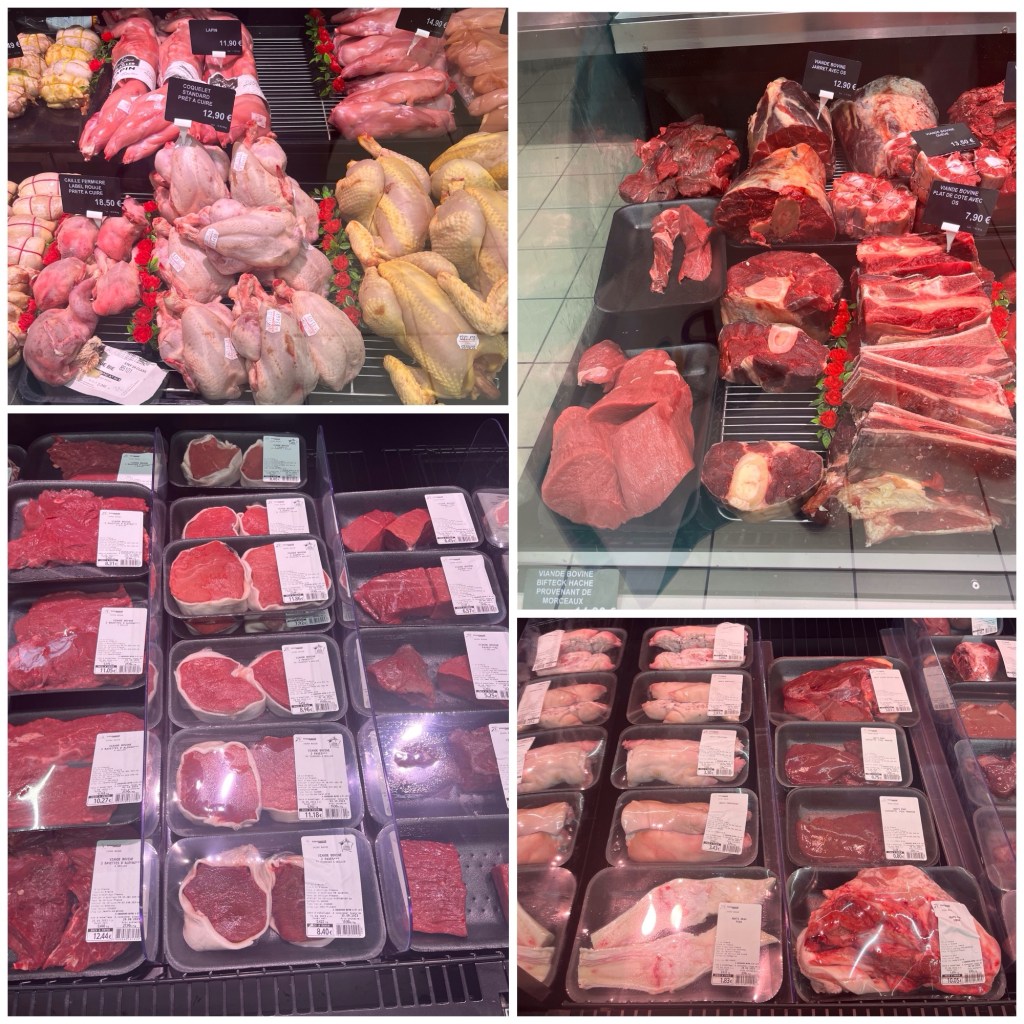
But even shopping European supermarkets brings us joy. Do you know how many different cuts of meat are available outside of the US? Whole chickens grouped by age, not packaged away in matching sets of pieces and sealed in uniform plastic trays. Beef cheeks (delicious when slowly braised in red wine with onions, garlic and some tomatoes), lamb breast or pork collar! Sure, you can hunt these cuts down in the US, but our local stores, as great as they are, rarely carry them.

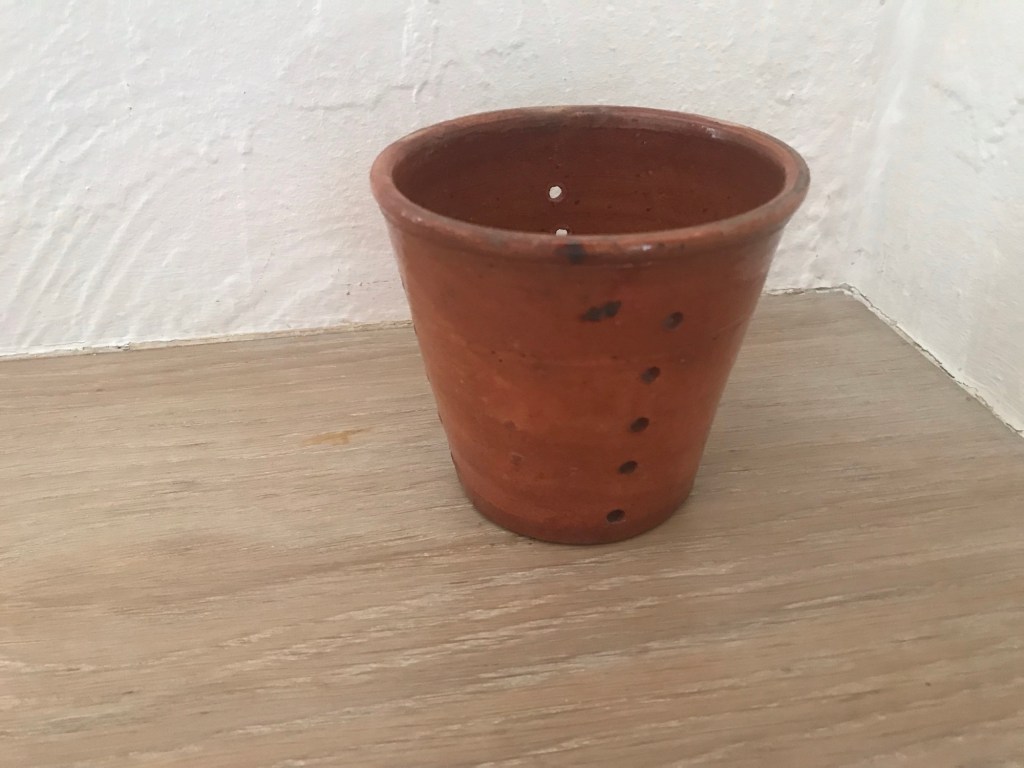
The best souvenirs we bring home are food related — our cataplana from Portugal, chopstick rests from China, a special bottle of Spanish olive oil, an old cheese straining pot we found in a flea market in Provençe for less than a dollar.

So how do we pack for a trip where home cooking is going to be big part of the fun. First, a good knife set, (chef’s knife, a paring knife and a serrated blade) assuming you are traveling by plane or car. Lacking a good knife set, or for future train travel in the EU, a knife sharpener. A small meat thermometer and wine opener are essential. As room allows: a small hand grater, and a vegetable peeler.

Spices and seasonings are very important as well. Yes, we often bring some of our own. We think about where we’re going and what kinds of foods we will likely find. Whether the rental has a grill or an oven. What food items will be easy or impossible to acquire once we’re settled in. For years a small metal candy box served as the spice kit, filled with small plastic cups of our favorite spices. The box suffered damage on the last trip. So now we are using glass vials Costco sold vanilla beans in—wrapped in a kitchen towel because most rental kitchens have only one or two towels. We also use small plastic condiment cups with lids saved from our favorite take-out spots or purchased at our local restaurant supply store.

We never packed liquids until this year. In Spain last fall we were given home pressed olive oil in a glass bottle. We had to get it home safely. Cut up a yoga mat, wrap the bottle, put it in a cardboard tube. Presto! Problem solved. So on our trip to Costa Rica a small bottle of fish sauce went in that tube, and along with some other spices and some added cushioning; it arrived just fine. We knew the good produce available in Costa Rica would lend itself to Asian cuisine — stir frys, Asian salads skewers of chicken and pork. Interestingly, we found Costa Rican brands of soy sauce and other Asian seasonings in most grocery stores!

Knowing we have some basic spices, we start with a very flexible shopping list, grouping food items based upon recipes or dishes we want to cook. If a critical ingredient isn’t to be found, the recipe gets tossed. We were going to make a Thai dish with ground chicken, coconut milk, lime peel and a few other things. No ground chicken. Flipped the recipe to chicken lettuce wraps, using whole chicken breasts we minced. You have to be flexible. Yesterday I found some handmade tortillas for sale at a produce stand! Street tacos for dinner tonight!

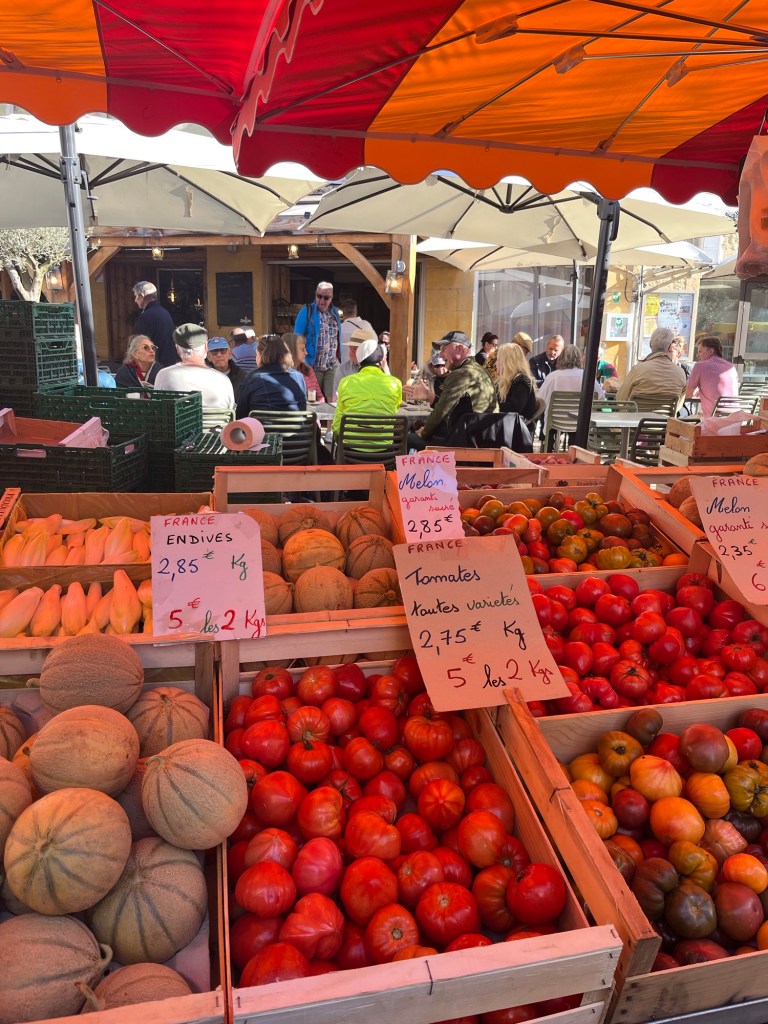
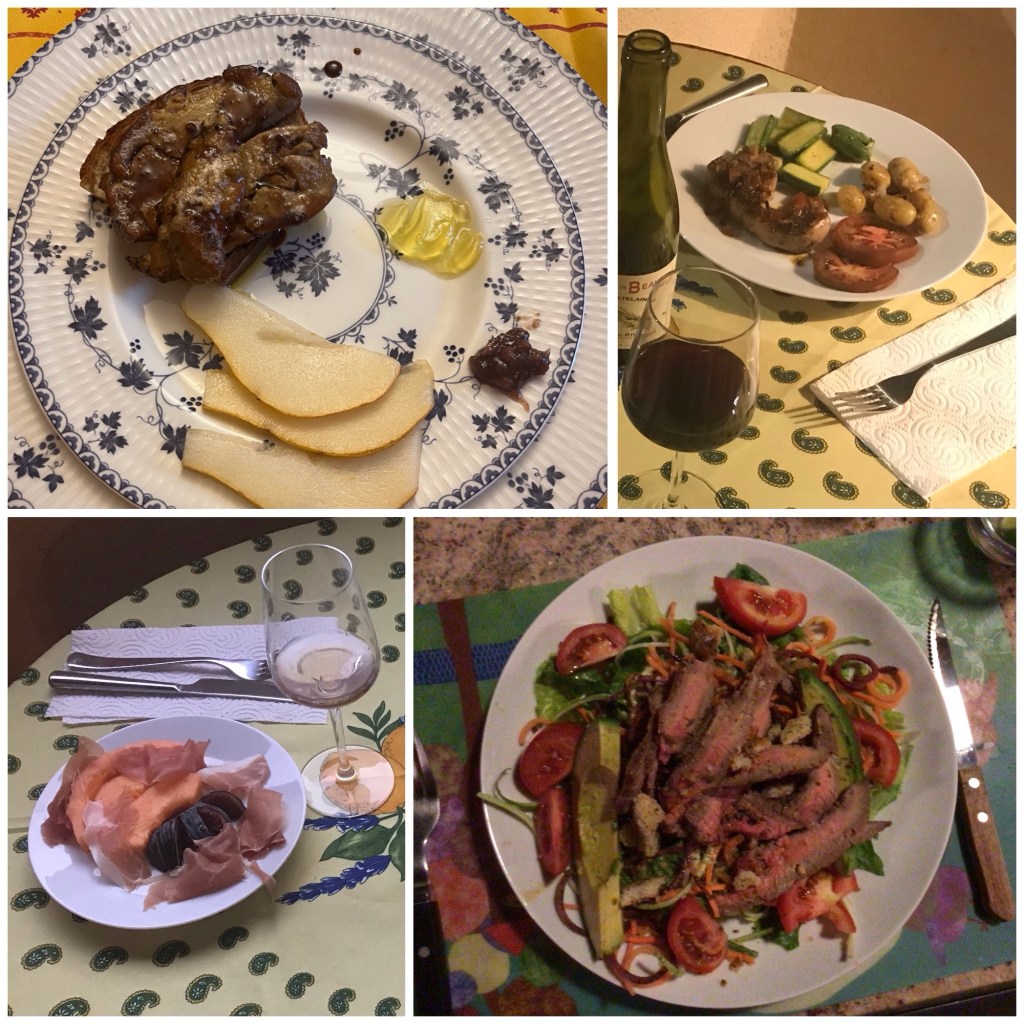
And, of course, some destinations are easier than others. In France? Ou la la! Grab pastry dough at the supermarket, local goat cheese at the fromagerie, and zucchini or mushrooms or sweet peppers from the farmers market. Viola! A vegetable, cheese tart. Add some lettuce tossed with a vinaigrette. A fabulous dinner. It’s a little tougher in other areas where farmers’ markets are few and the supermarkets are less grand. But still doable. As long as you have WiFi or cell reception, you don’t need to pack a cookbook. And we have downloaded a recipe app that allows us to take our old reliable recipes on the road.

Meals can be super simple — some charcuterie, some cheese, a jar or two of artichoke or tapenade, a loaf of bread and some olives or pickled vegetables from the market.

On the other hand, our evening’s entertainment is opening a bottle of local wine, fixing a dinner with the local ingredients and enjoying the comforts of our rental home. It all fits in with our mode of travel — go slow, eat good food and soak in the ambiance.

We just have to be sure to walk a lot so we can fit in our clothes on the way home.

Paella: Is the Original Best?

We’ve had bacalao (reconstituted salted cod) in Lisbon, cassoulet in Carcassonne, haggis in Scotland, ratatouille in Provence, buckwheat crepes in Brittany, khachapuri in Tbilisi, sushi in Tokyo, bouillabaisse in Marseilles, sauerkraut soup in Slovenia, and many other local dishes in the their place of origin. Being foodies, we assume that locals know best and the place where the dish originated will make the best version. And in most cases, it’s true.

But sometimes, the authentic version disappoints. Not because of the quality of the food or preparation, but because our pre-conceived notions are wildly wrong. For us, the bouillabaisse in Marseilles, in one of the top bouillabaisse restaurants, Chez Fon Fon, was a case in point. We expected a San Francisco style cioppino (our ignorance) and got a strong, fishy, gray-brown broth as a first course and then the fish that was stewed in the broth for a second course, followed by the potatoes that had cooked with the fish. All served with a trio of mayonnaise based sauces on the side. The fish had been caught that morning and was presented to us before cooking to allow us to confirm its freshness. End result to our palates? Overly fishy, not particularly attractive in appearance. Glad we experienced the meal, but not our cup of tea.

So, in Spain, just outside of Valencia, on a huge freshwater lagoon, the L’Albufera, surrounded by rice paddies, is a small town—El Palmar. It is reputedly the birthplace of paella—the ubiquitous rice dish that can be found in food carts, public markets, restaurants and bars all over Europe. It is probably the only Spanish dish that most Americans can name. And yet just like barbecue purists might scoff at a Texas BBQ product in Anchorage, a restaurant we walked into in Madrid had big sign in English “This is Madrid! We do NOT have paella.” We’ve had so many bad versions of the dish (one in Barcelona allegedly at one of the top paella restaurants) we were worried about what we might get. We had also heard that paella in Spain is often mass produced, frozen, sent off to restaurants to be reheated. There are so many bastardized variants—we wouldn’t be surprised to find a pineapple and ham Hawaiiana version.
We made the foodie pilgrimage to El Palmar anyway. We had to know.

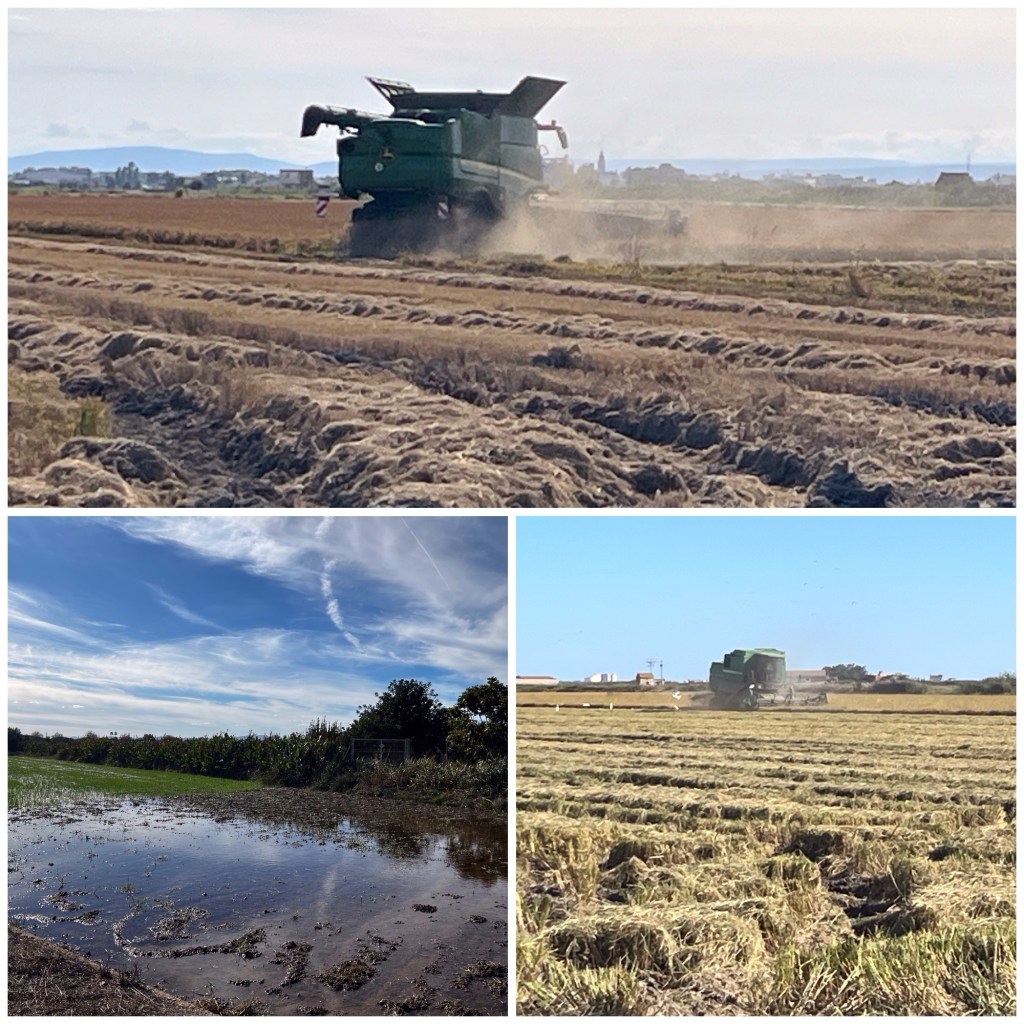
Driving in from the south, once we got off the A-7 freeway, and as we got close to El Palmar, rice paddies and irrigation canals everywhere. Promising.

El Palmar itself is not much—dusty, a bit run down, one long main street along a canal that empties into the L’Albufera, a few quaint old fishermans’ huts (A-frames with thatched roofs restored to add some small character to the town), and dozens of paella restaurants. And signs everywhere announcing Paseos de Barca—boat rides on the lagoon.

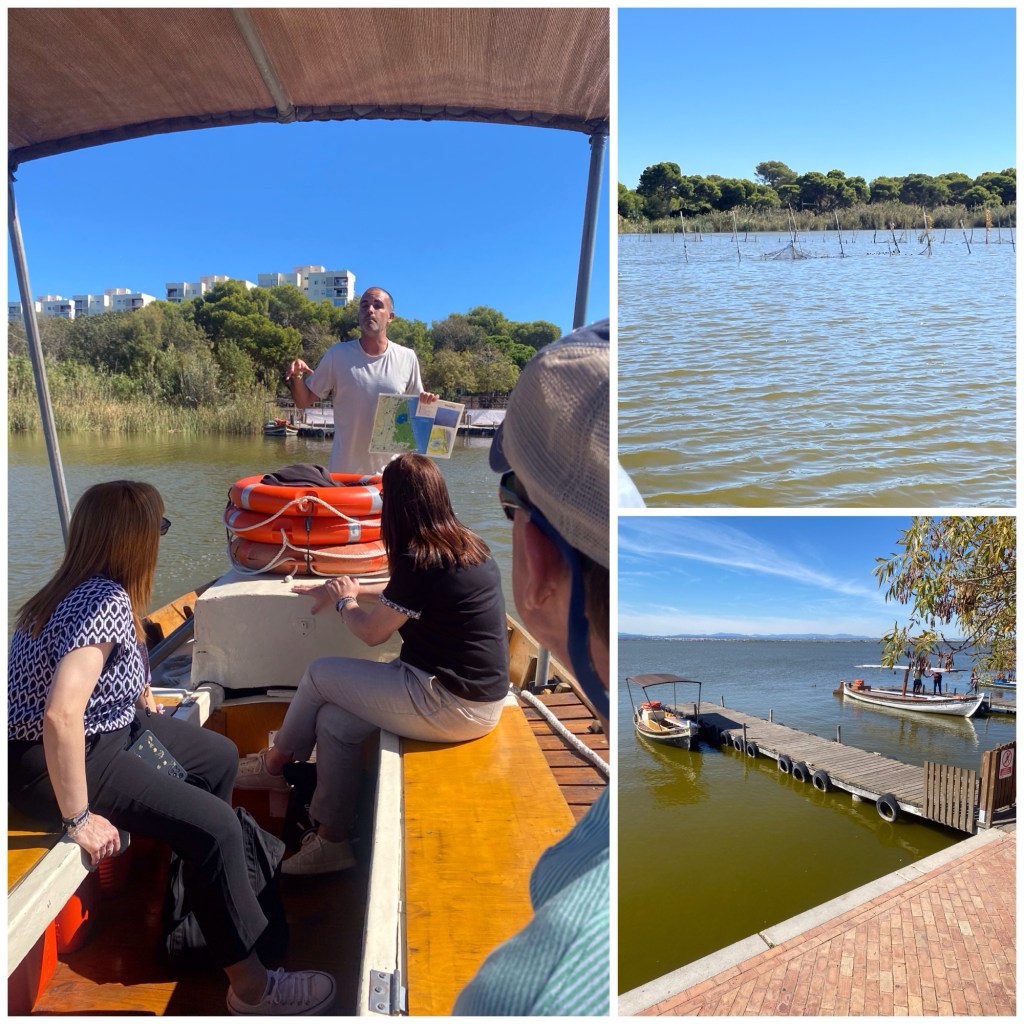
Yes, we did take a boat ride on the lagoon. We stumbled onto a small boat—there were 8 passengers and it was delightful. 5 euros a person. A steal.

Lots of good information written in multiple languages. Our boatman also spoke English and told us the lagoon is now polluted even though fisherman still work the nets, it’s a meter deep, that it is flushed from time to time into the ocean. We wandered through narrow channel and chased the mallards and moorhens out of our way.

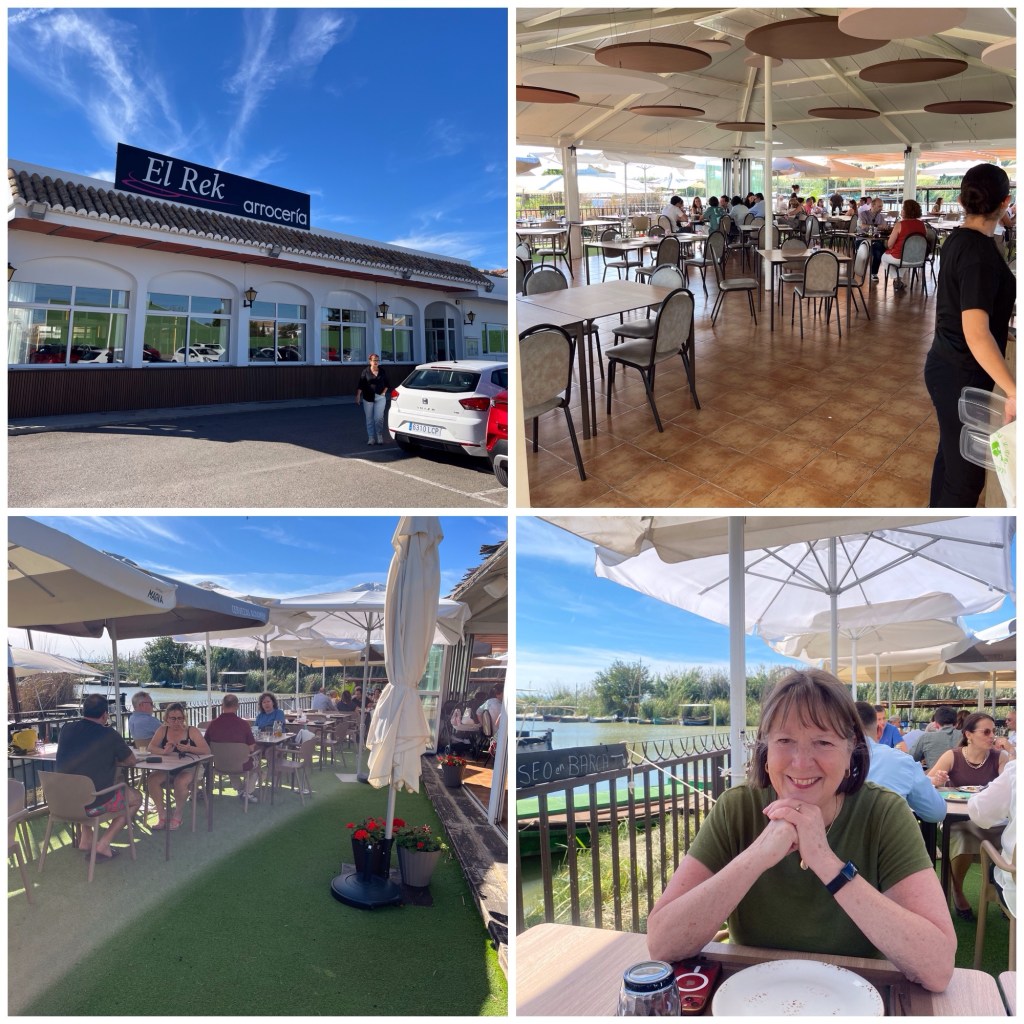
Then it was time. With some trepidation we led our friends to a restaurant with a good reputation and good reviews, El Rek. https://www.arroceriaelrek.com/ The sight of a bus load of tourists coming out of the huge restaurant as we went in was not encouraging. Uh-oh, tourist trap? Well, at least they were Spanish tourists.

Once in the restaurant we were encouraged to see several long tables of locals, dressed for a celebration, enjoying their meal. Very promising.

The waiter asked us as we walked in “Did we order the paella in advance.” “No.” I said. “No worries.” he said. When we looked at the menu, it said, in Spanish, “If not ordered in advance, the paella will take an hour.” Very, very promising.
When we looked at the menu (on our phones from a QR code like many restaurants we have been in here), the first paella listed was the traditional Valencia paella—rabbit and chicken. Yes, there were variants, including a version with local snails (not escargot) several seafood versions. The smallest size was for two people.

We ordered a bottle of white wine and the house green salad to sustain us as we waited the one hour for our traditional chicken and rabbit paella and the seafood in shells version. Maybe 45 minutes later the long-anticipated paellas were placed in front of us.

Paella is really all about the rice. The mark of a good paella, we have been told, is the crispy, deeply brown edges. And it is generally eaten communally, with a spoon from the cooking pan — in fact, paella means pan in Spanish — and we saw locals scraping every last morsel of rice from the pan. We opted for serving spoons and separate plates. American style, perhaps?

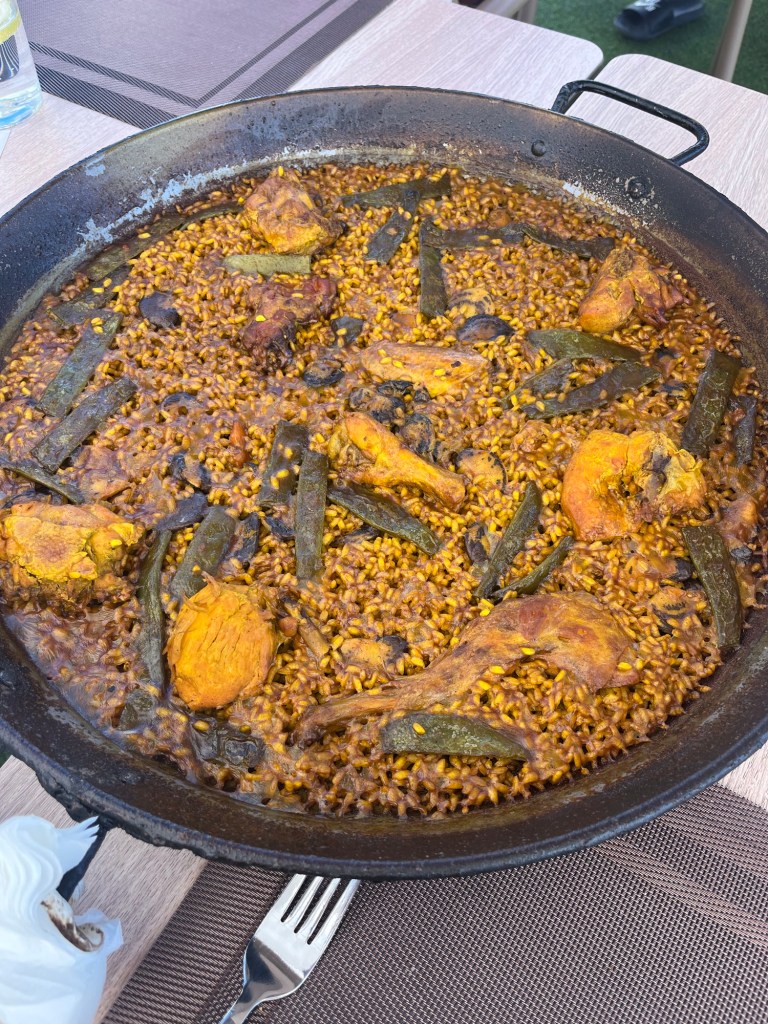
The chicken and rabbit version came with a few mature fava and romano beans. Less meat and fewer vegetables than what I have been served at home. Rice was cooked through, but not the least bit mushy, obviously enhanced by a very rich stock. No sweet red peppers, or chunks of ham, pork or decorative peas. But tasty. Very tasty.

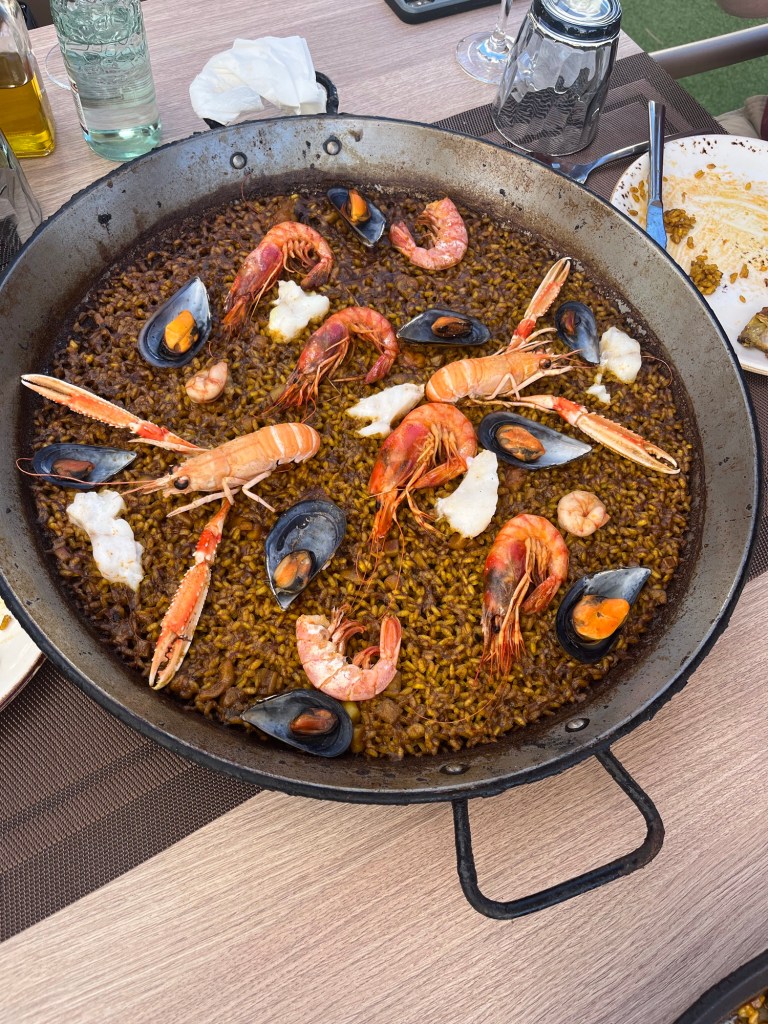
The fish version fell into the same category as our first sample of authentic bouillabaisse. If you like canned sardines and anchovies, you might like it. A bit fishy for us. The shellfish was a bit overdone and underwhelming. However, we have to acknowledge, coming from the Pacific Northwest, catching our own crab, salmon, and shrimp, we’re spoiled when it comes to seafood.

Still, we ate every bit. We concluded that traditional version is really the way to go.

And did the paella, prepared and served in the traditional way with the traditional ingredients using the locally grown rice in the town that originated the dish, live up to its reputation? The answer is a resounding “Si!”

A soda is not a soft drink…in Costa Rica

Sometimes we’re a little slow. Well, maybe a lot slow.

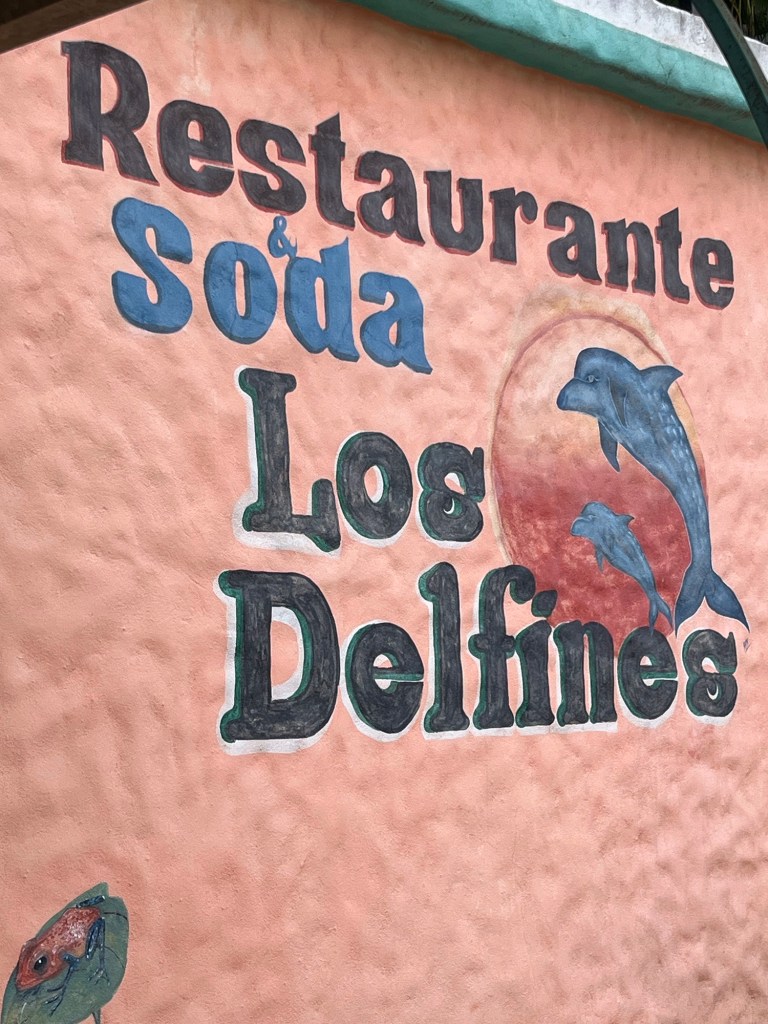
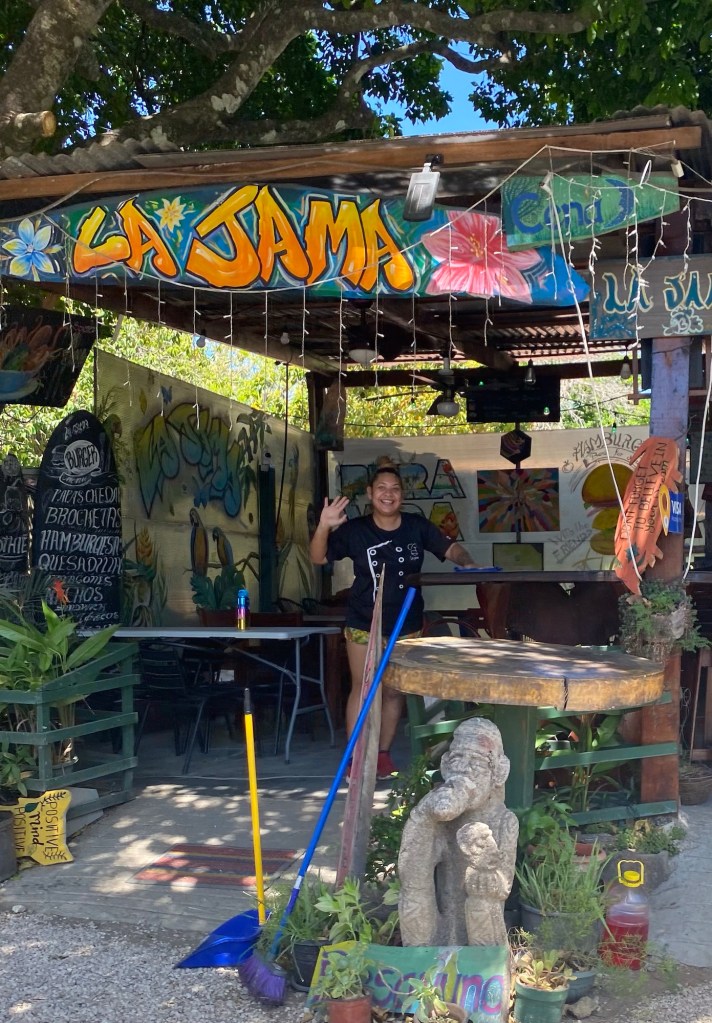
The first time we were in Costa Rica seven years ago we kept driving by modest roadside establishments with signs advertising “soda” this or “soda” that. Of course, we thought they were selling local soft drinks to thirsty Ticos and tourists. Only, when by chance, we actually stopped to get a cold soda, did we realize that a “soda” was actually a restaurant—more specifically, a small family run restaurant with a limited local menu. And we soon found out these “sodas” were often gems of local cuisine serving great food at ridiculously cheap prices. Yes, the menu is limited. Yes, the ambience is sometimes is missing (but not always—we’ve eaten in sodas on the beach with sand under foot and up in the mountains with stunning views of volcanos). But you are likely eating with locals, maybe being served by someone whose grandma is cooking in the back.

And the food! Almost always fresh local ingredients, always prepared to order. The limited menus in most sodas usually features Costa Rica’s star menu item—the casado plate (which translates as “the husband’s plate” or “married plate”). Rice, beans, plantains, salad, maybe some fresh fruit and a choice of protein—fish, pork, or chicken. The protein can be grilled, stewed, or braised. Big portions meant to serve the very hungry.

The typical price is between 2000 CRC and 4000 CRC or $4 to $8. And most sodas take US dollars in addition to Costa Rican colones, and many accept credit cards. A few only take cash. Other local dishes include arroz con pollo, (rice and chicken, sometimes in a tomato sauce), gallo pinto (rice and beans), ceviche. Almost all serve the local beer (Imperial), sodas (Fanta orange soda is ubiquitous), and fruit juices. Whether is a result of widespread tourism or simply the influence of North American culture on the locals, hamburgers and margaritas are often on the menu as well.

You will almost always be eating outside on a covered patio with a kitchen tucked in a small space in the back. No air conditioning here. Most will be filled with locals. Often there are small children playing near by, and an occasional dog or two strolling through the soda. Once, up in the mountains, as we ate, the waitress called a dozen or so children playing in the field next to the soda to serve them their lunch on paper plates which they promptly ran off with to eat under a nearby tree, dodging the local cattle as they went.

The owners of one soda, in a very, very remote area up in the mountains when we were staying on a small coffee plantation across the dirt road, would wait until we drove by their home on the long driveway, then run down from their home to the soda to open up just for us. We were clearly their only business for the night. Mom would cook and her young daughter would happily sit at the next table, coloring. The food was absolutely amazing—and as you can imagine, cooked to order. Best pollo y arroz ever! We ate there three times and, despite the language barrier, began to feel like part of the family.

You’ll never have to worry about finding sodas in Costa Rica—they are everywhere. Really, everywhere. Big towns, small villages, remote rural areas, industrial zones. In the more upscale resort communities such as Playa Flamingo or Samara on the Pacific coast, they are often located just outside the town centers on the roads that lead into to town or in the nearby little Tico villages.

Recently we were in Samara on the Nicoya Peninsula in a beautiful AirBnB in the hills above the town. Our wonderful hosts recommended a number of local restaurants. They were all lovely beachfront establishments with spectacular sunset views, music, and tropical cocktails. But the food was very ordinary and at US prices $20-40 for an entrée. The clientele was almost exclusively gringos—not surprising for a tourist town. And, yes, of course, we are in fact gringo tourists. So we fit right in.

The next night we were off in search of a soda….pura vida!

Brittany on Our Stomachs

Anybody that know us, or reads this blog, knows we are always interested in food, first and foremost. So as we started this trip over five weeks ago with a food tour in Bordeaux, we ended the trip with a food tour in St. Malo, Brittany.

Our guide was from Normandy, whose specialty was, not surprisingly, the beaches of Normandy. He said he was happy do our food tour, one he loves, but doesn’t get to do that often. We then proceeded to go on a whirlwind shopping trip with him.

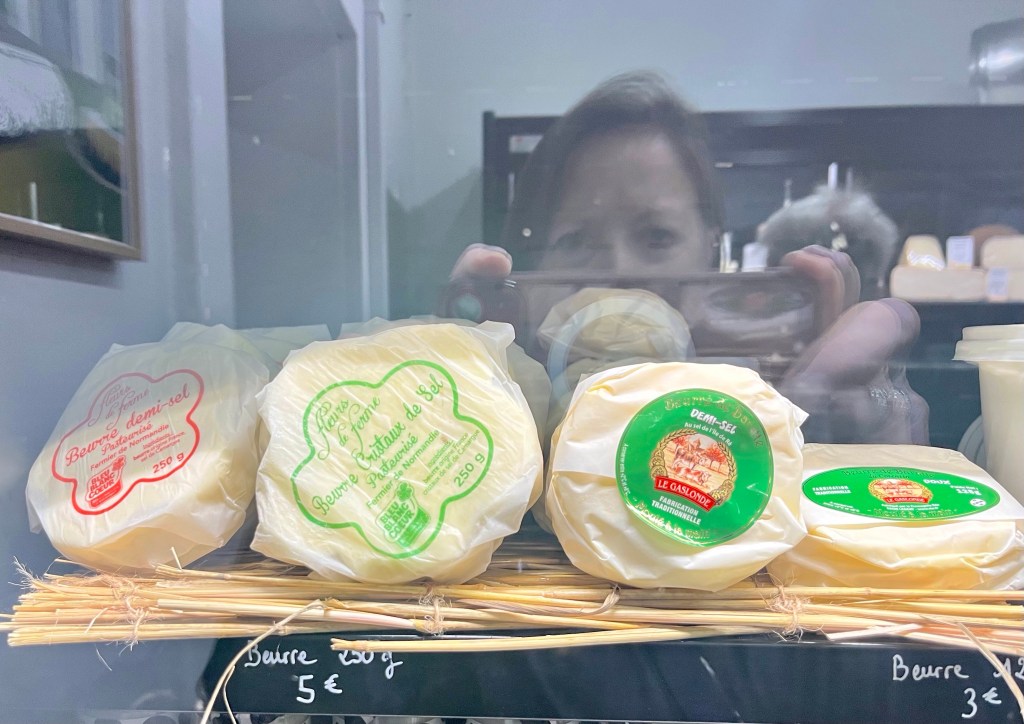
First stop was a cheese and butter store [http://www.lesfromagersmalouins]. Brittany is known for its butter, crammed with as much richness and salt as possible. We had tasted good Breton butter from a supermarket in St Cyprien. Definitely better than anything at home, including the Amish butter we splurge on during the holidays. Unfortunately the store in St. Malo was out of Breton butter so we had to settle for Norman butter. The staff asked me if we wanted deux butter (little salt) semi-sel or regular and nodded approvingly when we bought the entire inventory of “full salt” butter — 2 packages to take home to savor.

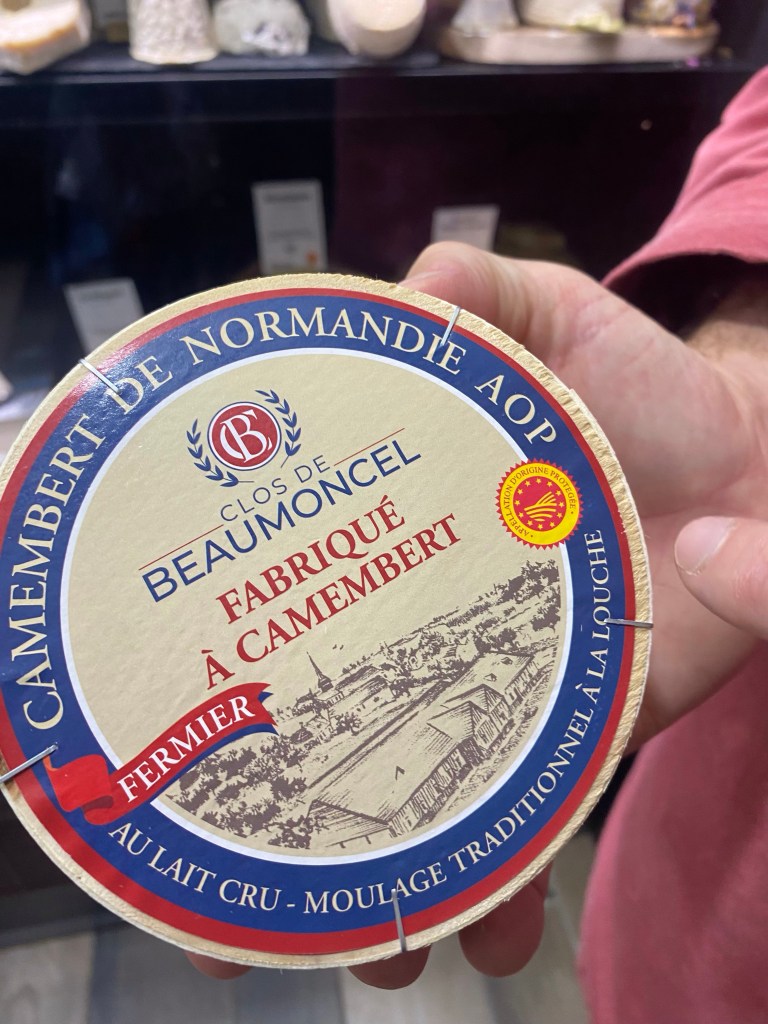
He also guided us to try several cheeses to eat with a baguette and espresso before we continued the tour — a brie (with a layer of a curry spice mix that started as a medicinal remedy. Unfortunately, our quest to find the spice was unsuccessful despite checking in several shops). Then a Timanoix (a semi- soft cheese with an edible rind washed in a walnut liqueur) and finally, a Camembert, again a Norman cheese. Did we detect a cultural bias?

We also opted the take some cheese home to enjoy later — a great Roquefort, some more of the Timanoix and the curry Brie.

Fortified with espresso and a “light” breakfast we headed to a spice shop. St. Malo has always been a trading center and home to privateers and pirates, and unfortunately slave traders.

Window display in an antique shipping crate

It was the center the East India Company’s continental trading post. Epices Roellinger, started by a retired 3 star Michelin chef and now run by his family offered a mind boggling assortment of spices. The selection of peppers alone — Vietnamese, Cambodian, multiple Indian, Sichuan and many more overwhelmed us. All with a different degree of heat and different tastes. We bought a red black pepper from Cambodia simply because it seemed the most unusual, but still fit within the foods we cook at home.

The choices of a dozen or so different vanilla beans (we smelled several and were amazed at the differences) blended curries, shelf after shelf of other spices and variety of dried herbs were too much to take in. We needed hours here to take full advantage of the options.

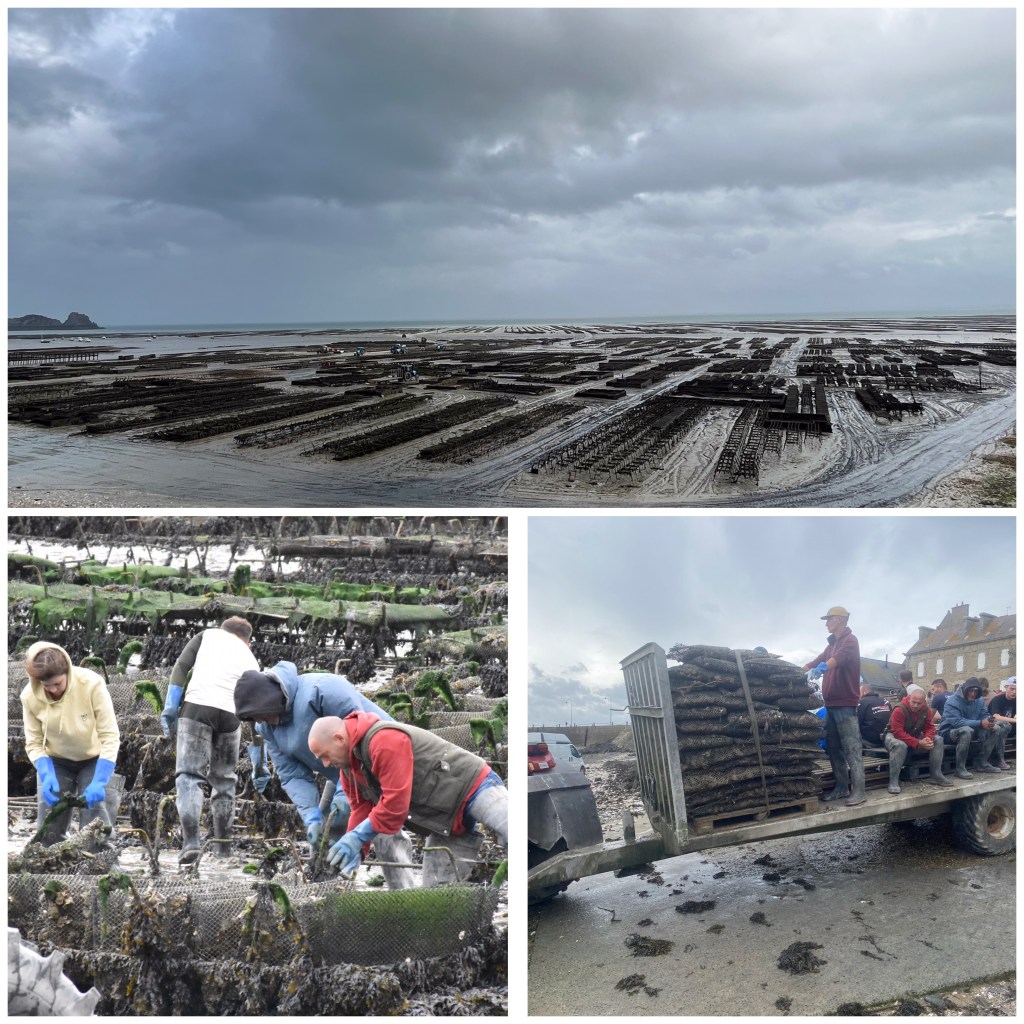
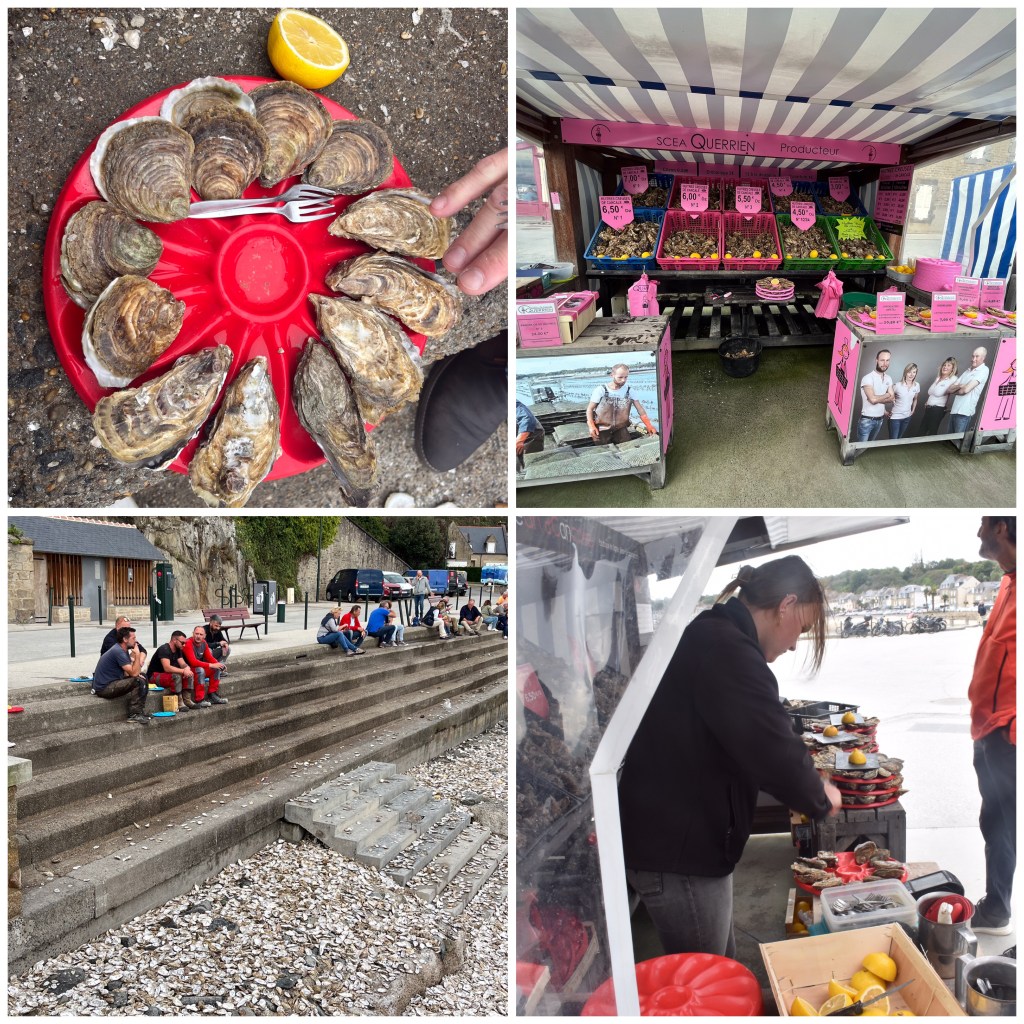
Of course, Brittany is famous for its oysters. We have been sampling them since we arrived in Nantes almost two weeks ago. But the size of the operation in Cancale — just one of many such operations along the Brittany coast — was astonishing.

The bags of oyster are cleared of seaweed, loaded onto trailers and moved into different areas for exposure to different parts of the sea, we were told.

Just above the oyster beds, a collection of striped tents offered local oysters for sale, shucked right in front of us. Of course, we had to share a plate of oysters — a variety pack. Unlike at home, the smaller oysters are considered a rip-off (too little meat for the price) and French connoisseurs prefer the four year old #4’s. Actually the #4’s were pretty small and delicate. We joined the workers on the steps by the beach, slurping away and tossing the empty shells for the seagulls.

Then we headed across the street to lunch.

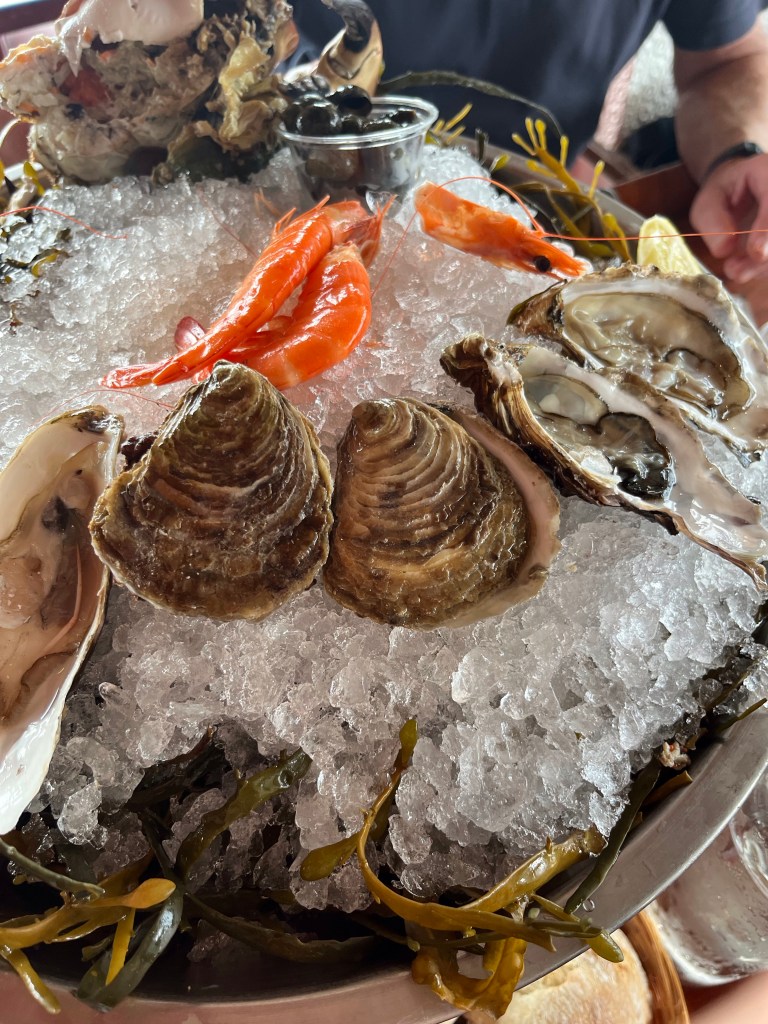
Unfortunately we had half devoured the platter before we remembered to take a picture — langoustines, more oysters, a local crab, periwinkles, cockles and more.

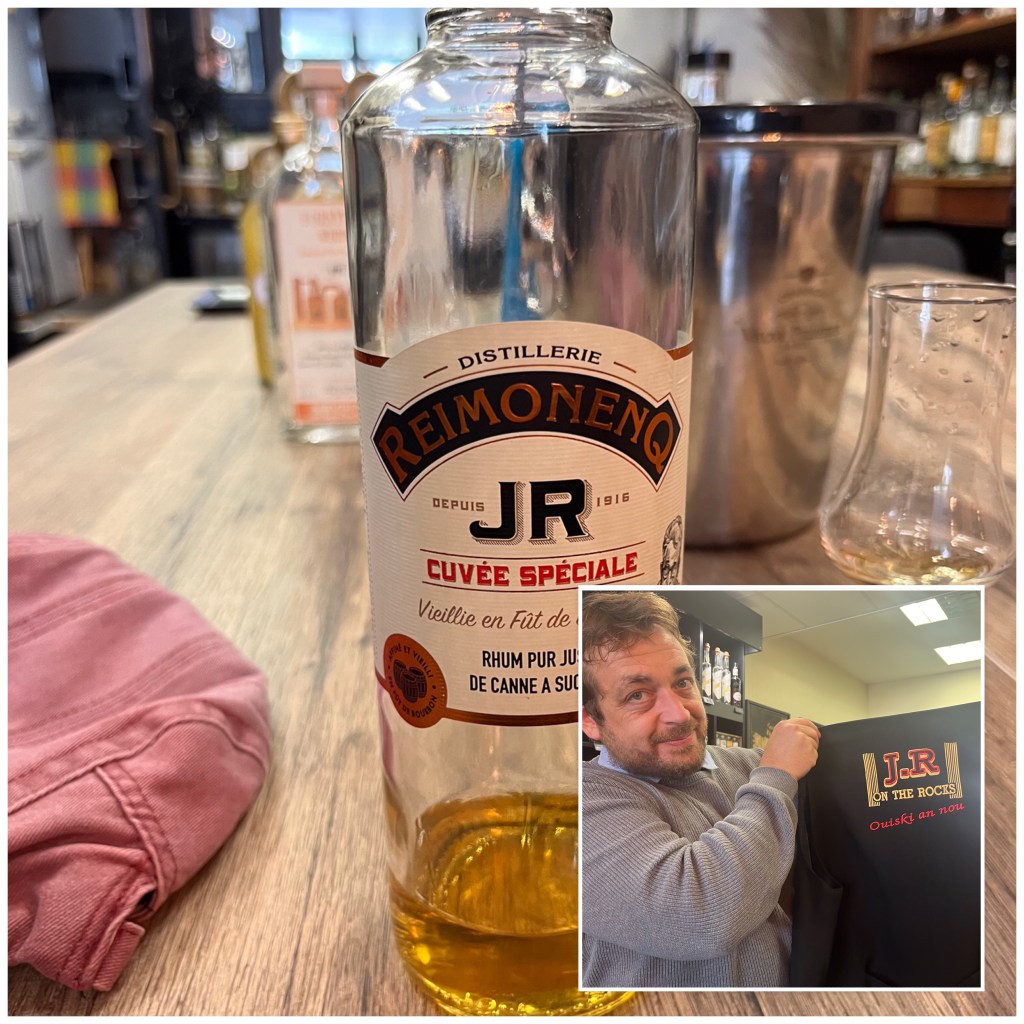
Stuffed from a platter of fresh seafood, we headed for a rummery. Yes, a rum store—filled with artisanal rum from the French West Indies.[https://www.officinearhum.fr/]. What we didn’t expect was a lesson in rum tasting (quite different from wine tasting) and a locally produced sipping rum named after the character JR from the TV show Dallas. We had to buy a bottle. Wish we had more time to talk more with the owner-distiller whose shop resembled a science lab with hand labeled specimen bottles stored in an old apothecary cabinet. Several small casks of spirits being aged. A delightful man with a clear passion for rum! If you’re ever in St Malo, look him up.

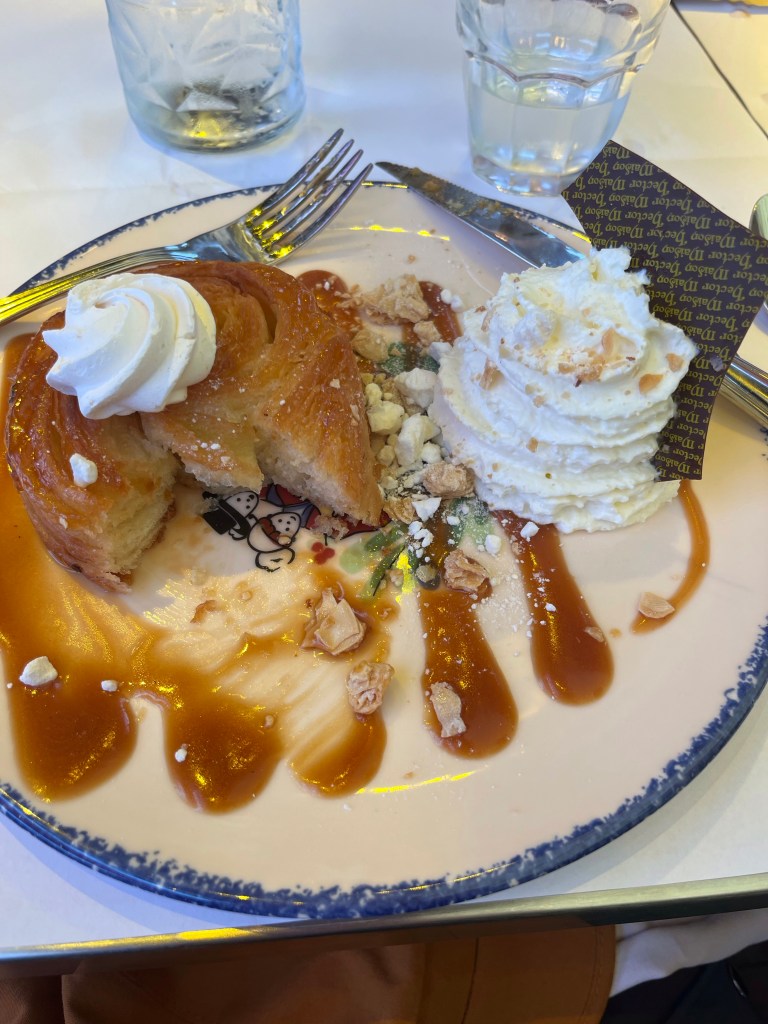
With full stomachs and a bit of rum, we were ready for a nap. But we had one more stop on our food tour. We had read about a Breton specialty, Kouign-amann. Butter and carmelized sugar — what’s not to love. Again, the food tempted us before we remembered to record its beauty. A cross between puff pastry, a croissant and a cinnamon roll.

Needless to say, we skipped dinner that night.

Between these various treats we learned a lot about the region and France. Our guide, a former teacher, proudly told us about his one daughter studying at a vocational school to become a jockey and horse trainer. His other daughter was on track to become a dancer or a veterinarian! Typical eleven year old anywhere! He also provided a historical context to the towns we had visited — St Malo, Cancale, Dinard — which were all largely destroyed like much of the Breton sea coast after the allied landing at Normandy. Their pre-war appearance was largely replicated in the postwar era. And, of course, we talked politics — he’s no fan of Macron, France’s president, and politicians in general, except for DeGaulle. In turn, he wanted to know more about tenure for teachers and how our schools worked. [https://www.normandytour.fr]. He had learned his English as an exchange student in the California and on several subsequent trips to the US.

That’s one of the things we like about a food tour — as much as the food itself — talking while you share food and sometimes a meal gives you a chance to build some mutual cultural understanding.

Eating Madrid

Well, first impressions after a night and a day or two. Madrid is amazing—seems more lively than Rome, Paris, or London, more restaurants per acre, more potential foodie experiences than any place we’ve been! “Living in the streets” is their motto and it shows. They say “an army travels on its stomach”. Well, so do we. Maybe jet lagged fogged impressions but seems this is a city we are going to love.

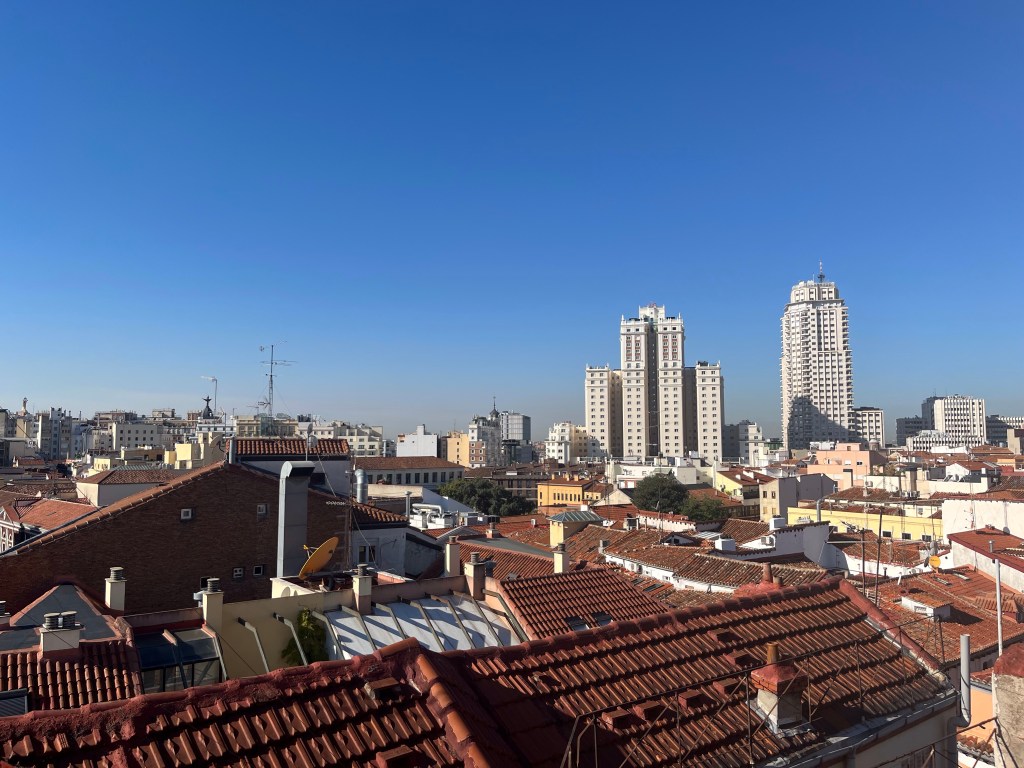
View from our hotel terrace in the Malasana district


We arrived at 10:30 pm at our beautiful very IKEA Nordic apartment in the Malasana district just north of the city center, unpacked, and went out to get a bite to eat not expecting much. Yes, we know Spaniards eat late….but 11:30 pm? Young people (and a very few older ones) everywhere. Malasana turns out to be a very hip twenty something mecca where we probably increased the average age ten years district wide.

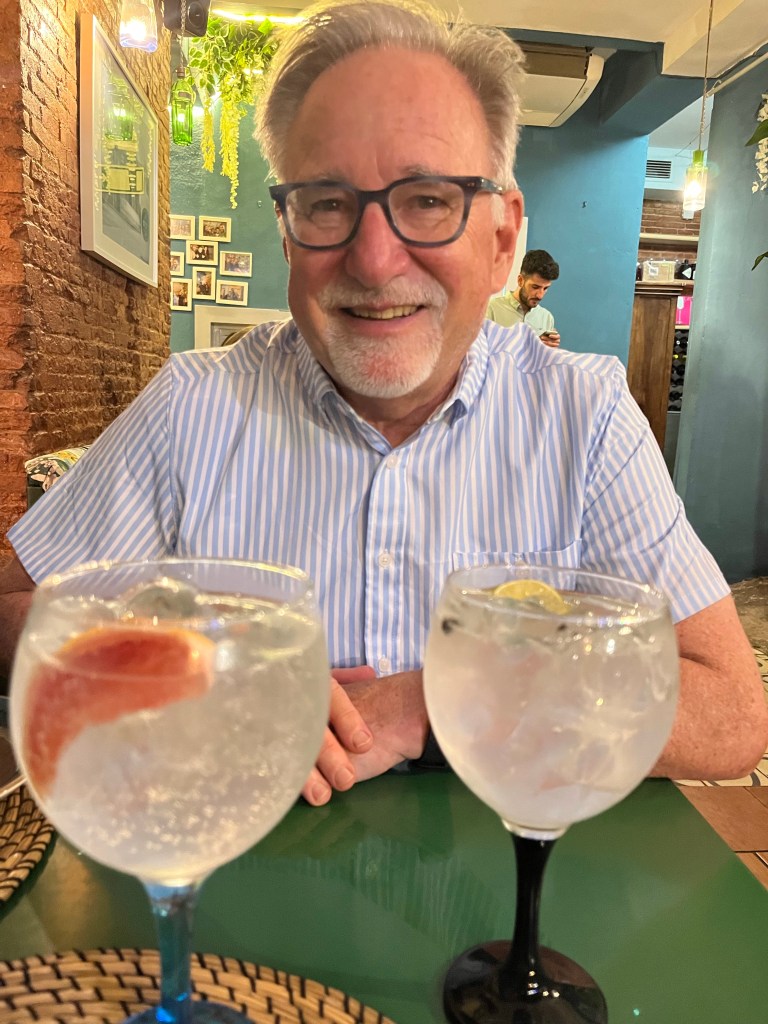
Decided to eat at the first place we found — the funky La Pasa Gin Bar (the real name). Yes, a gin bar, and run by Dominicans (no, not the monks). The place was packed but our host found us a table—we were clearly from another planet and exotic to them. Ordered “gin tonicas.” In Madrid, this prompts a floor show. Did we like citrusy, dry, aromatic, spicy? We settled on one citrusy and one dry drink. Our server returned with two large goblets filled with ice and four gin bottles for us to smell and select. With a flourish he poured the selected gins (we opted for two different Spanish gins—we are in Spain after all) into the goblets each with different garnishes or aromatics — juniper berries in the citrus version and sour orange slice in dry. Each tasted totally different from the other. Gin and tonics back home pale in comparison.

Dry on the left and citrusy on the right


Yes, there was food—an eclectic mixture of Caribbean, Italian, Spanish and a small measure of Thai. Jamon croquettes, burrata cheese salad and chicken skewers on Thai rice noodles. Generous portions for sure. Food was good, gin tonicas great, people watching superb. Best of all, the Dominicans were great hosts.

So far have yet to meet any local who hasn’t squeezed out us of our very limited Spanish and added their slightly better English to engage us in conversation. Everybody is ready to drop everything and schmoze. Clearly they are charming us!

Next morning we had arranged a food and market tour. Always our preference to get to know a city first by its markets and food stores, and with an apartment kitchen we were ready to do some cooking. The historic sites can wait. Our guide turned out to be German—a charming young woman fluent in Spanish who had given up a career in finance in London to do this. It really is helpful in some ways to have a foreign perspective—she had gone through the learning experiences and was well aware of the cultural shocks you would find in Madrid.

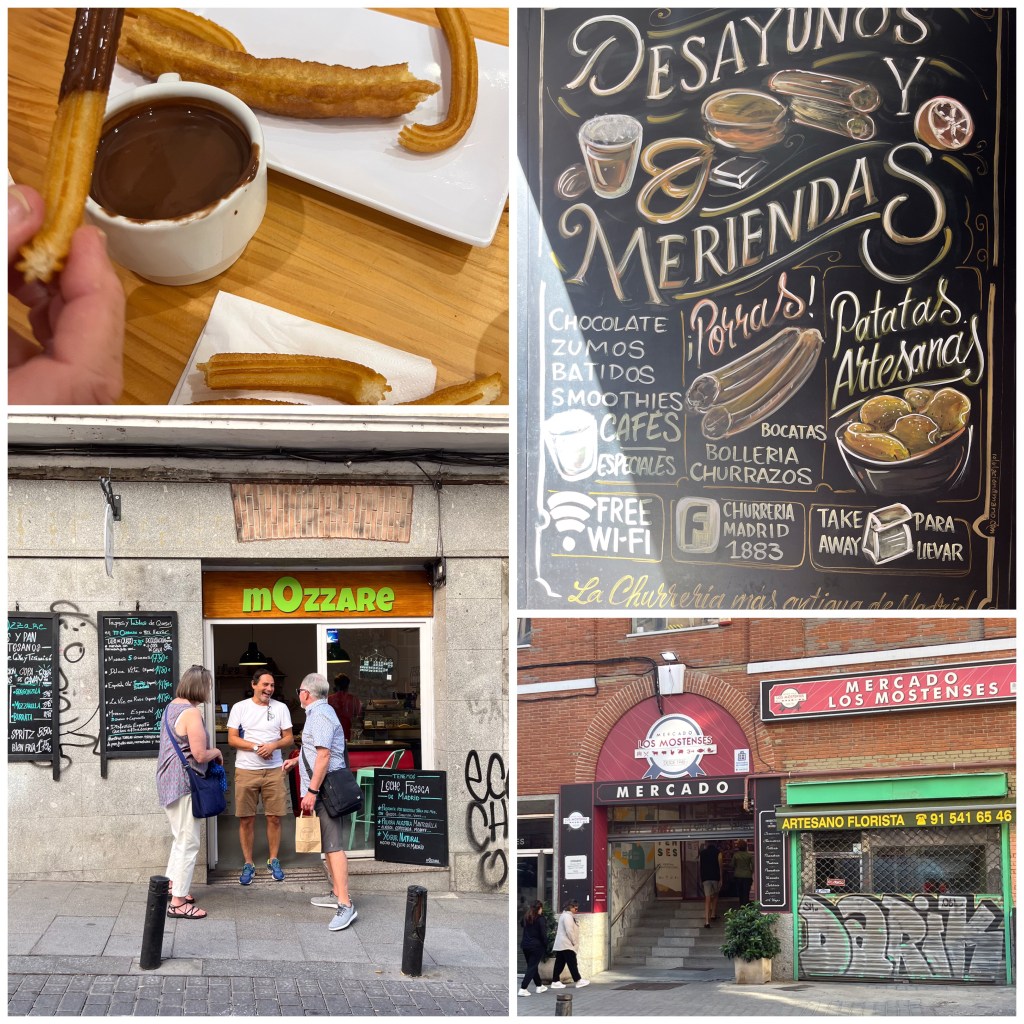
We started the tour with Churros in a restaurant that had been in operation over 100 years, a plaque on the sidewalk outside announced — the city of Madrid’s tribute to the older establishments. Not normally a fan of churros, these were delicious! Ate every bit! And then wandered to a cheese shop that only sells small batch cheeses in Spain, even if the style of the cheese is French or Italian. The owner also makes his own butter and ricotta in-house. And then it was off to the market.

The highlight was Los Mostenes market near our apartment—a local covered market well off the tourist path. It didn’t look like much from the outside, but inside it was two floors of food stalls and small cafes with a stool or two offering specialties from around the Spanish speaking world. The prices were less than half of those at the famous San Miguel market. It was bustling with locals.

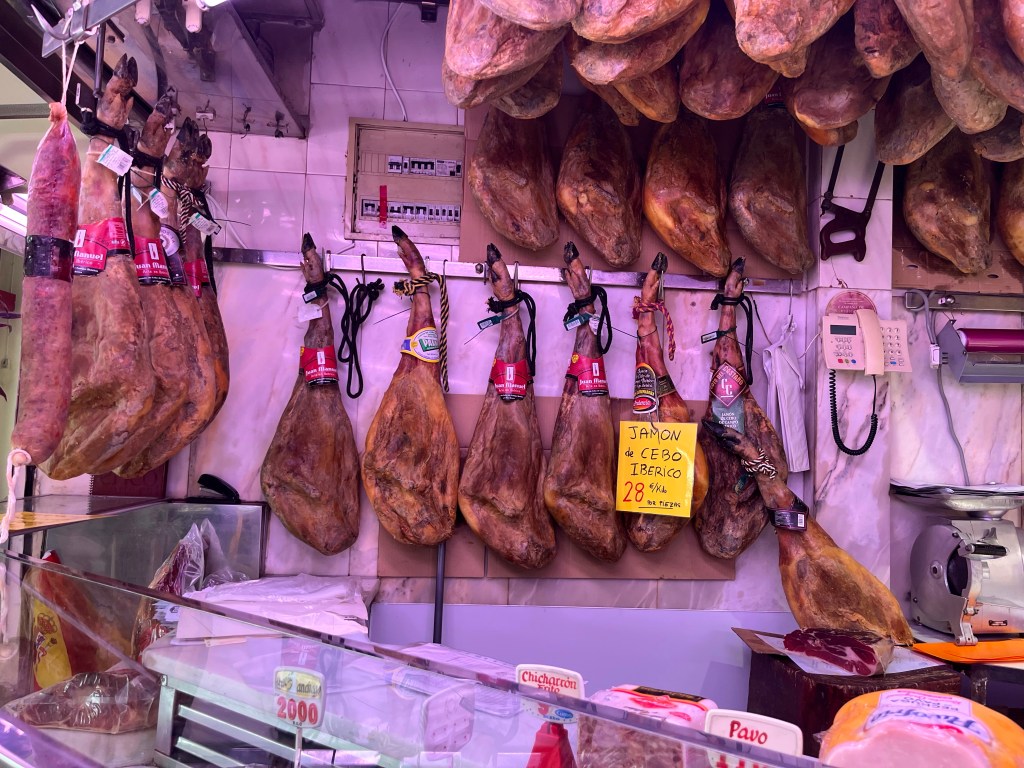
After chatting with the local jamon merchant (who was critical of the high prices of jamon in the tourist stores) and several other vendors she knew well, we stopped at the local fishmonger, bought some shrimp, calamari, and took them over to small counter restaurant in the corner of the market, where the owner pan fried them with a squeeze of lemon for lunch for us.

The options were endless

We were sitting next to a butcher still in his bloody apron who was on his lunch break. Local charm. We loved it and our three course meal — tortilla (a Spanish omelette), paella (the owner was not from Madrid so he was “allowed” to make paella) and our seafood which could not have been better prepared. We were also introduced to summer red wine — a fruity red mixed with sparking lemon soda — more commonly consumed than sangria. Again delicious.


We ended our first day armed with a list of restaurants to try, routes to walk and tips on how to navigate dining customs in Madrid. Obviously four full days and five nights in the city will be insufficient to do it all. Traveling on your stomach takes time.

We will simply be forced to return.