Bordeaux in Passing

On our way to spend three weeks in the Dordogne, we decided to stop over for three days in Bordeaux to get over jet lag and get reacquainted with France.

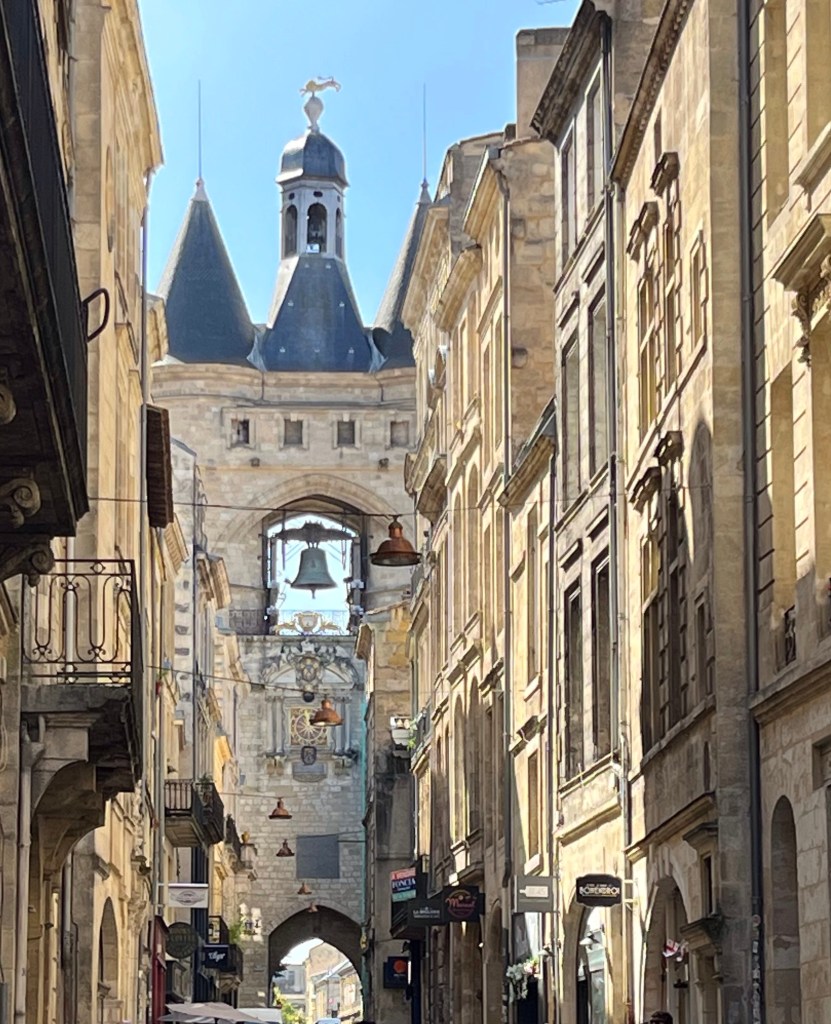
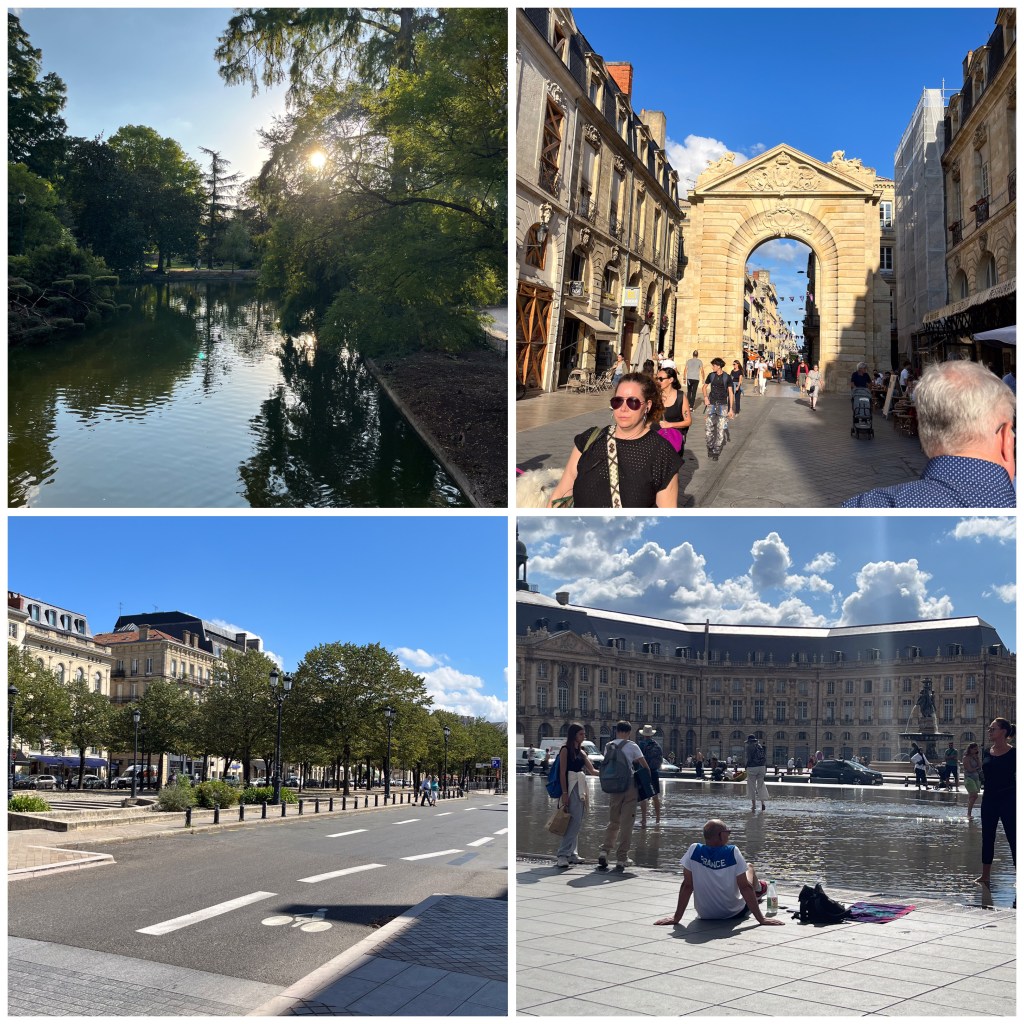
One of the gates to the city from the Gironde River

We’ve been to France a number of times, but never the southwest. We had heard good things about Bordeaux—walkable, big, but not too big, lots of world heritage sights and museums, great architecture, great public transportation, a long and fascinating history, good restaurants and, of course, wine. Wine institutes, wine museums, wine tasting coops, wine schools, wine tours, wine stores and wine bars on every corner.

Yes, three days is really just a passing glance, a superficial look, but enough time to get some initial impressions and one big surprise—finding out Bordeaux was hosting matches for the once every four years Rugby World Cup. A huge deal, similar to the soccer World Cup, the event brings in tens of thousands of crazed rugby fans.

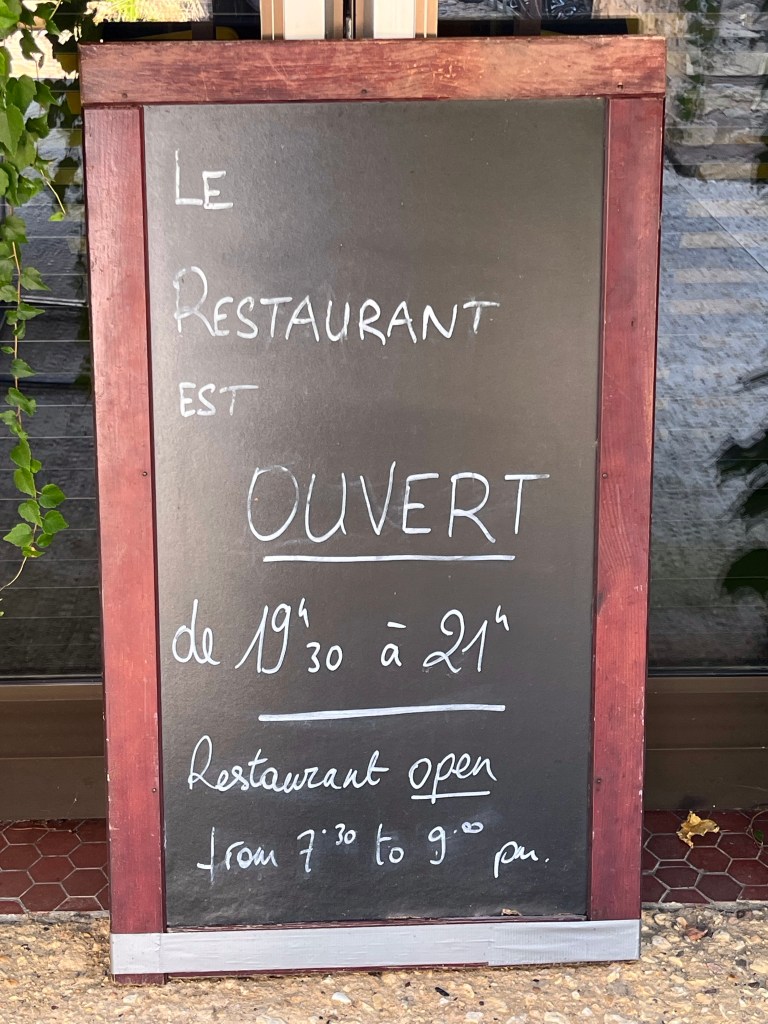
The reality hit home our first dinner in the city. Jet lagged, we were looking for an early dinner around 6:00 pm, and learned very quickly that restaurants opened between 7:00 and 8:00. Worse yet, most were already booked for that evening, largely because of the rugby fans. We finally found a restaurant that was open and had seating called Risotto—which, oddly enough, only served lasagna. And the lasagnas were named after film stars like Lasagna Al Pacino or Lasagna De Niro. Cutesy names aside, the food was really very good. We struck up a conversation with two Aussies and Welshman next to us, who, no surprise, were here for the rugby. The Aussies were traveling all over France to catch the matches. The Welshman was here for one or two matches. For us, the conversation was primer on which teams were favorites and everything rugby. It was a delightful evening and fun to see their passion for the game.

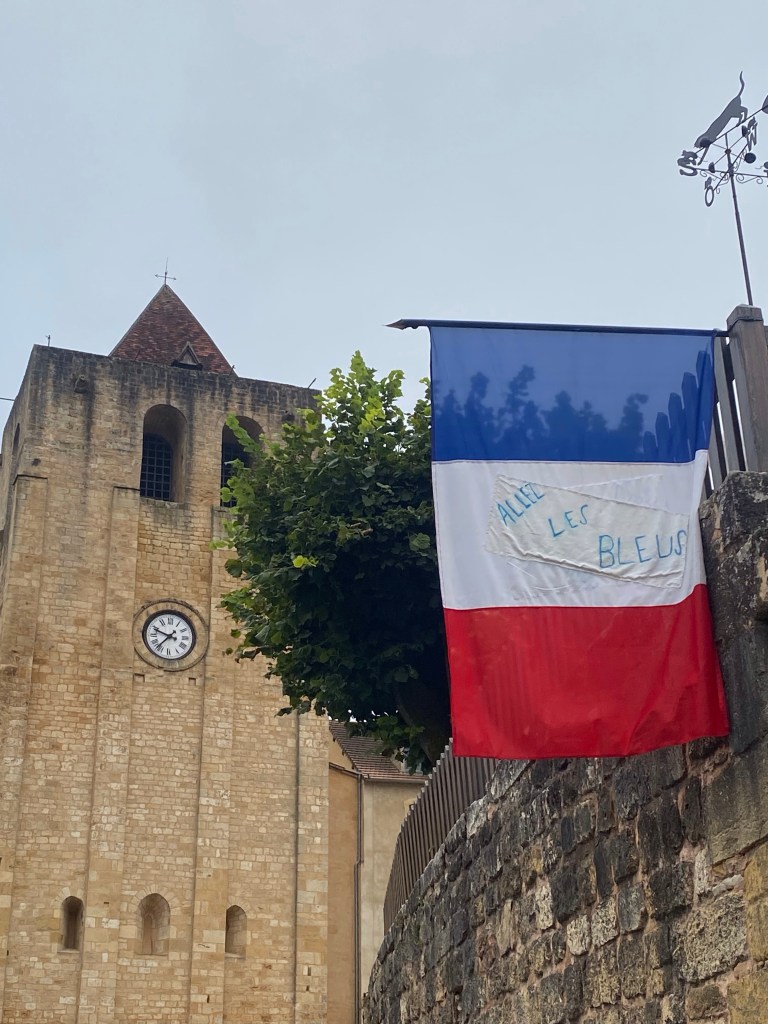
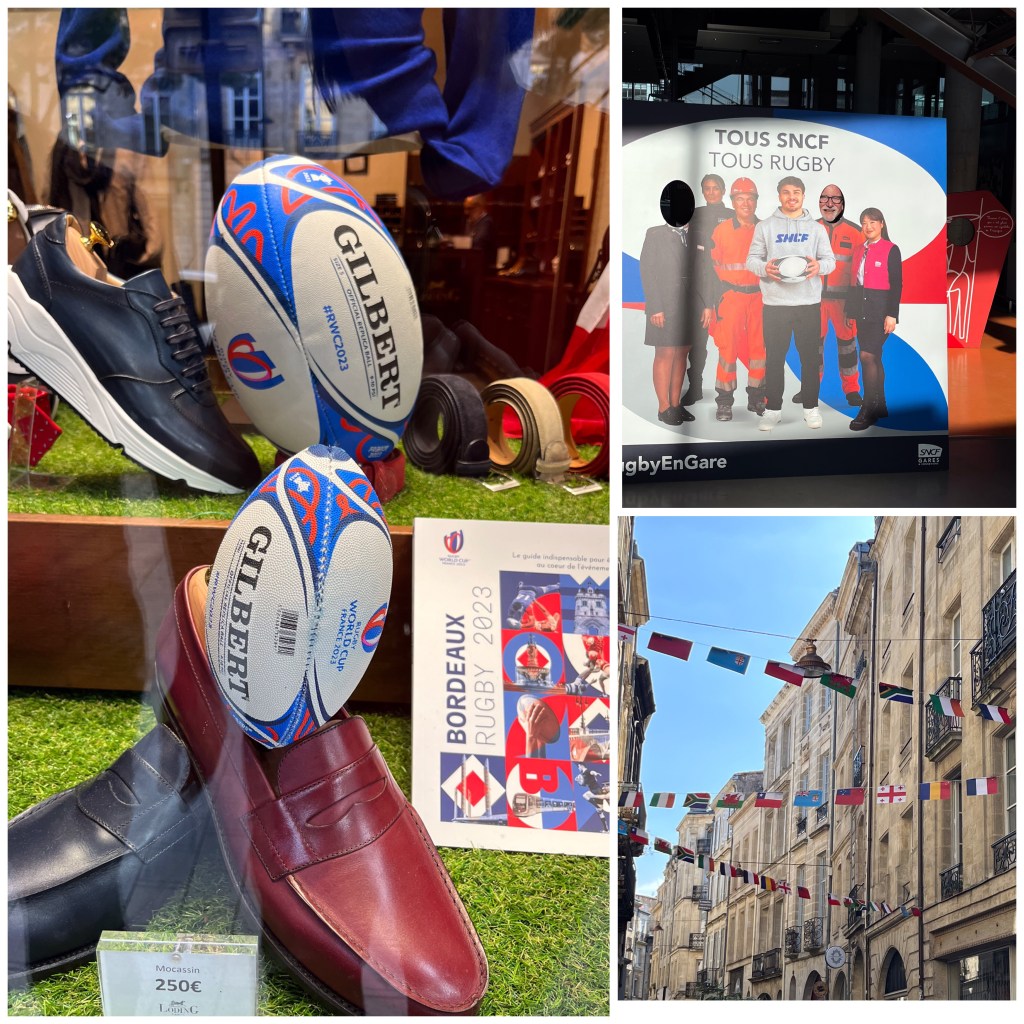
The next day, wandering around the city, the rugby paraphernalia was everywhere—flags of the teams hanging in every square, window displays featuring rugby gear and footballs, pictures of the teams in store fronts. Major tourism dollars were flowing through the rugby pitch into Bordeaux.

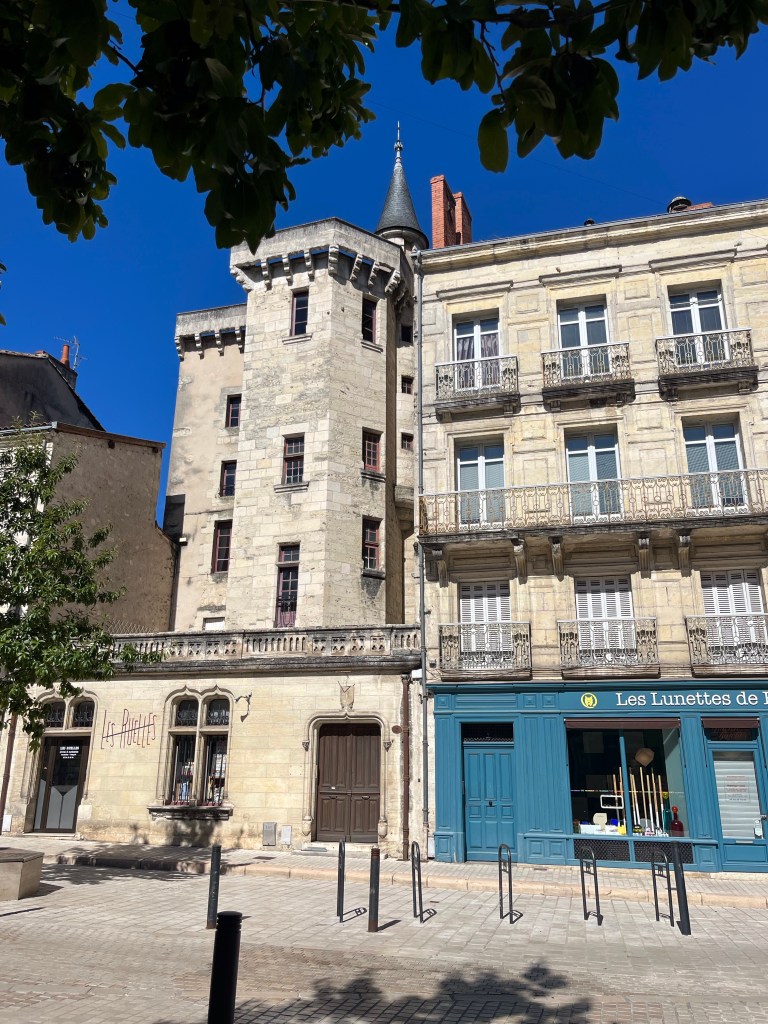
As we wandered we had to dodge holes in the sidewalks, construction barricades and detours. We never quite figured out what was going on — a city-wide facelift for the anticipated spillover crowds from next year’s summer Olympics? A post pandemic economic boost for the construction trades? Or just routine late summer repairs? It did give the city a somewhat rough feel until you looked beyond the mess to see through the windows into upscale apartments, fine clothing stores and small artisan shops — or paused to look at the broad avenues and handsome parks.

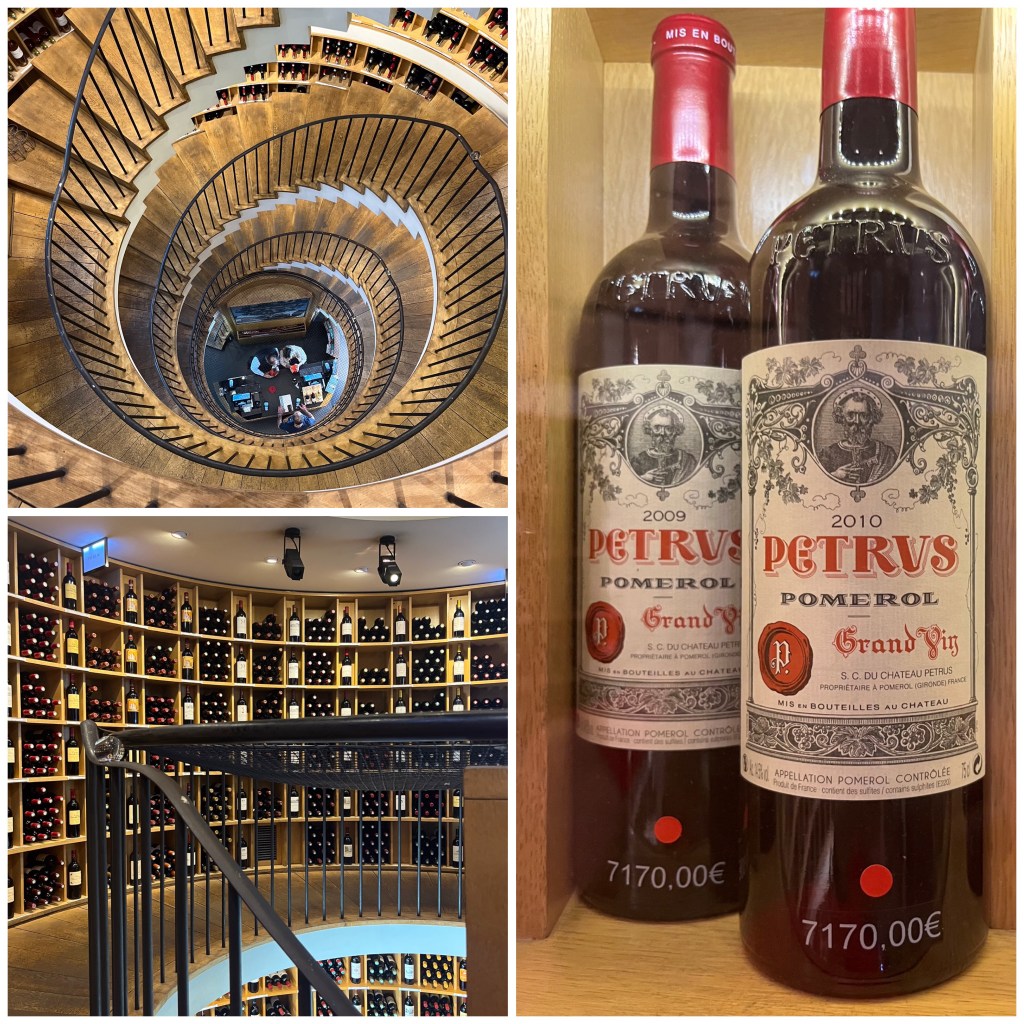
With limited time in Bordeaux, we chose to focus on food and wine. First stop was a famous wine store, L’Intendant. Know for its spiral staircase and four floors of Bordeaux wines. Quite the temptation, but we resisted, knowing we were headed to the Bergerac region, less well known and similar varietals and much cheaper prices.

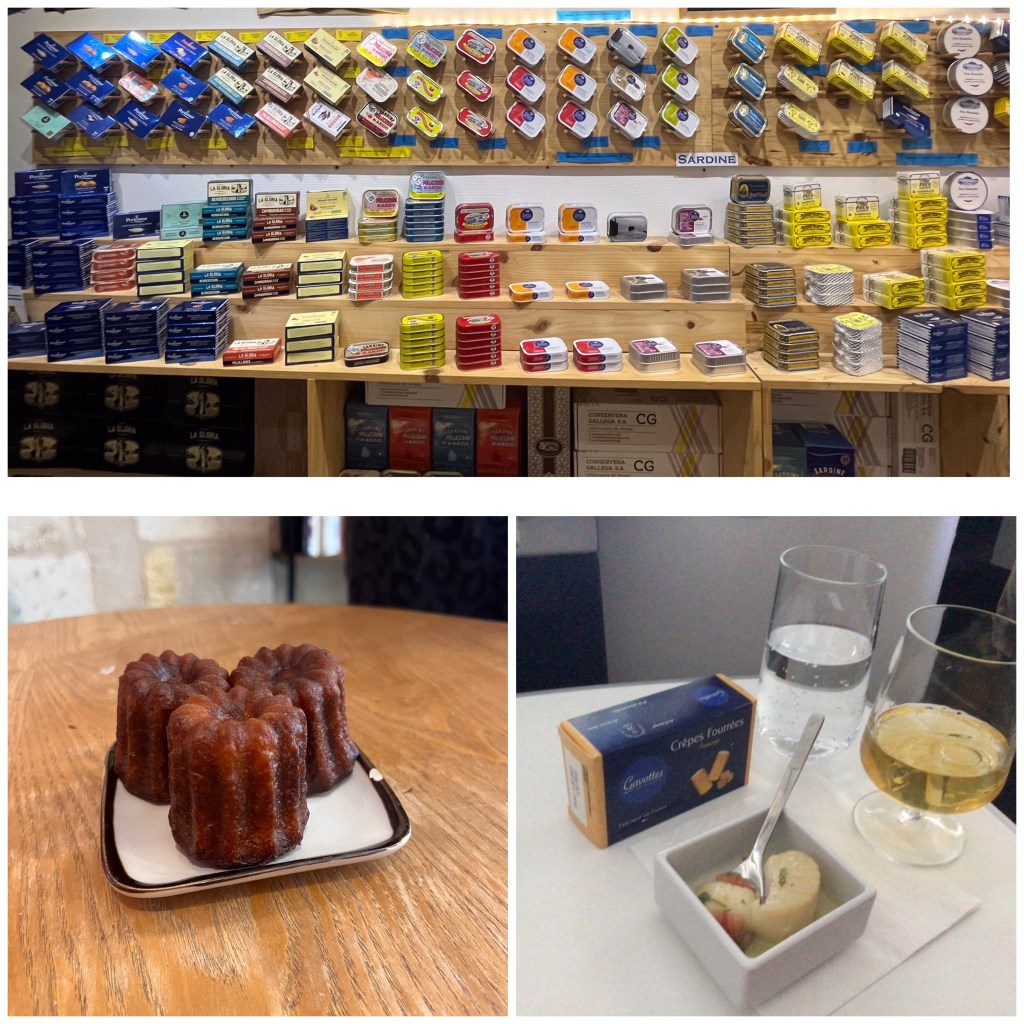
We did, however, make time for a food tour of regional specialties. No surprise there for those who know us. And as we have found elsewhere, a food tour often provides a bit of history, a bit of culture as well as a lot of good tastes. Canelés, a rum flavored pastry reflects a bit of the French colonial past in the Caribbean and makes use of the extra yolks when egg whites were used to clarify wine in the 18th century. Some of the food we tried is more modern in origin like the Dunes Blanches, a kind of cream puff filled with “air cream” said the English translation. Both were our kind of sweets — interesting and not cloyingly sweet.

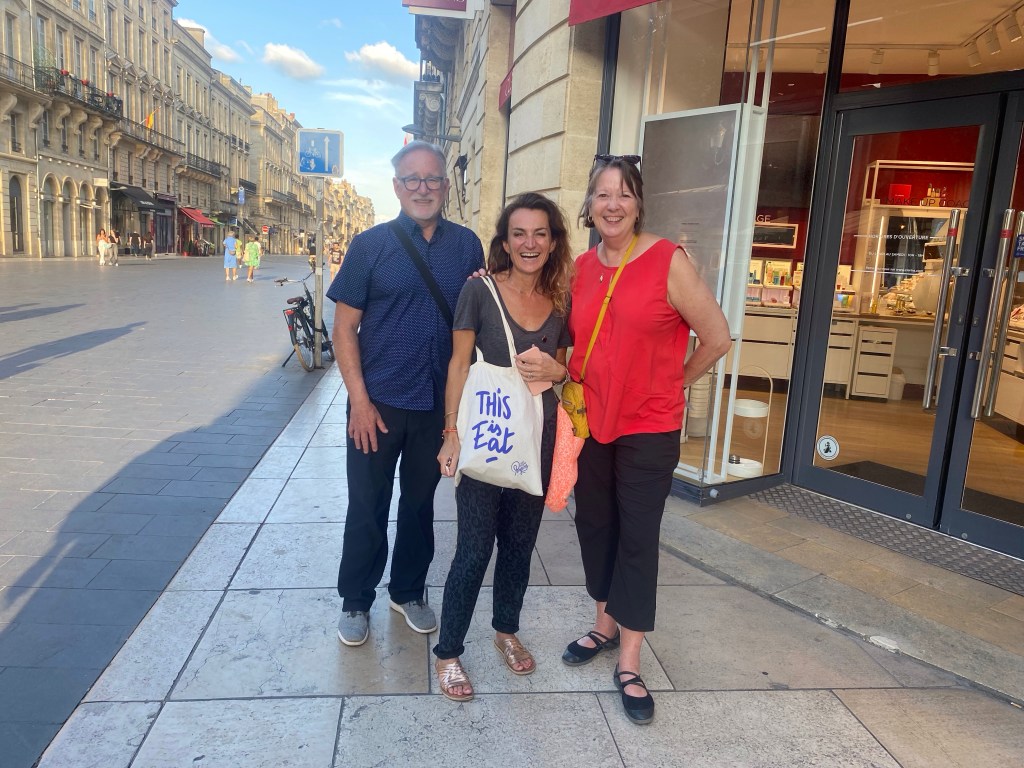
But without a doubt the highlight of the food tour were the slices of cured duck breast we sampled with an array of cheese (a soft goat cheese, a Comte and a walnut washed cheese), bread and wine. Or maybe the jams and jellies created to serve with foie gras and charcuterie plates. (We will be sharing jars of the grape and Sauternes jelly and the fig and walnut jam with our friends in the coming weeks.). Thanks to https://www.bordeaux-foodtour.com/ for a fabulous day!

And probably the most unusual stop on our tour was a small store devoted to canned fish — an international collection of curated tins of fish and jars of rillettes — tuna, sardines, mackerel salmon and more. Our niece back home would love this place.

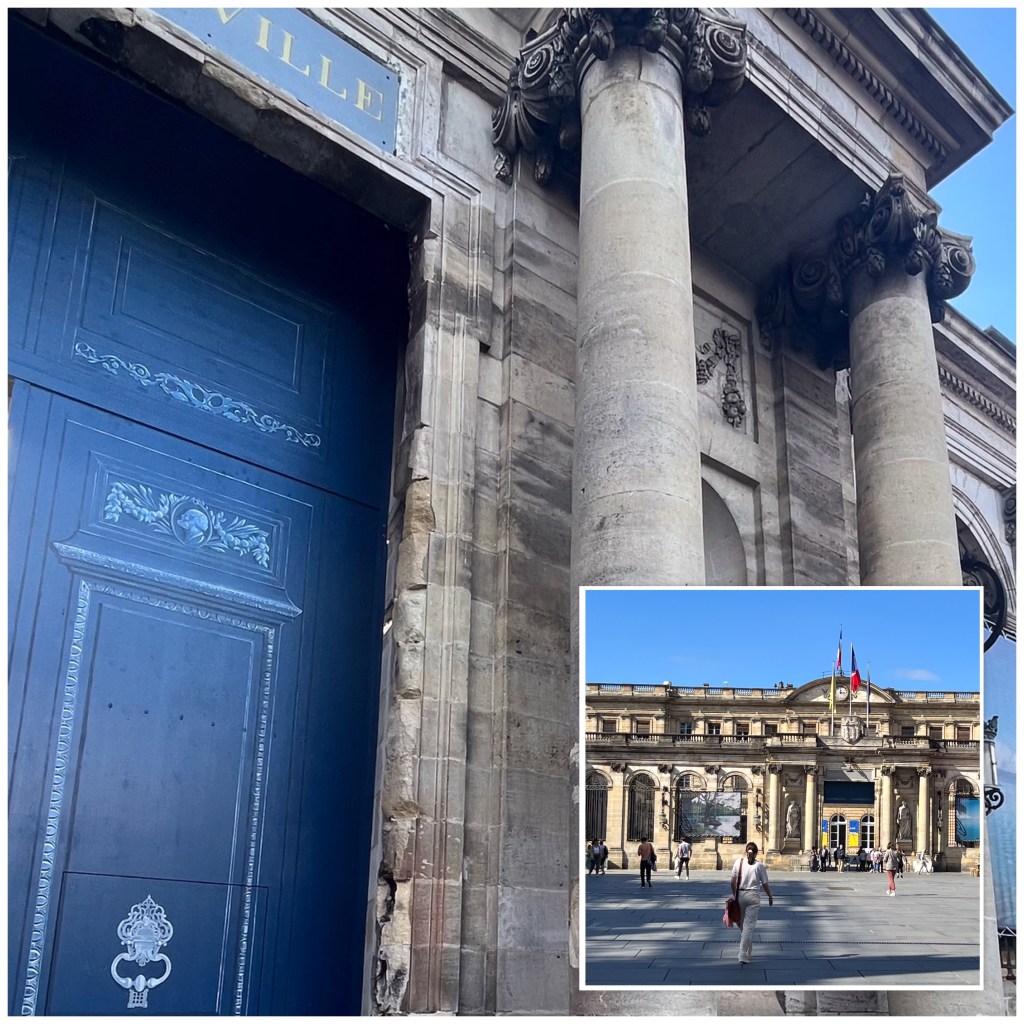
As we walked around the area the city, our guide pointed out the cathedral where Eleanor of Acqutaine married her first husband in the 12th century, where a statue of Louis XVI had once stood before the revolutionaries tore it down in the 18th century, and where just this year protestors had burned down the centuries old huge wooden gate at the Hotel de Ville (city hall) upset the retirement age was being raised to 62. Such is the history of Bordeaux.

The cathedral

Medieval doors to city hall must be repaired after damage in the spring 2023 protests

There so much more to see and do in Bordeaux. We only had enough time to scratch the surface in passing, but enough time to add Bordeaux to our “we gotta get back there” list.

Driving in Costa Rica

We’re pretty fearless when it comes to driving in foreign countries. Costa Rica tested our resolve. We did survive all three trips here and learned a few lessons about driving around this captivating country — or maybe almost anywhere outside of your home territory. And in Costa Rica having a car is essential—most of the country has limited public transport and some of the best spots are pretty remote.

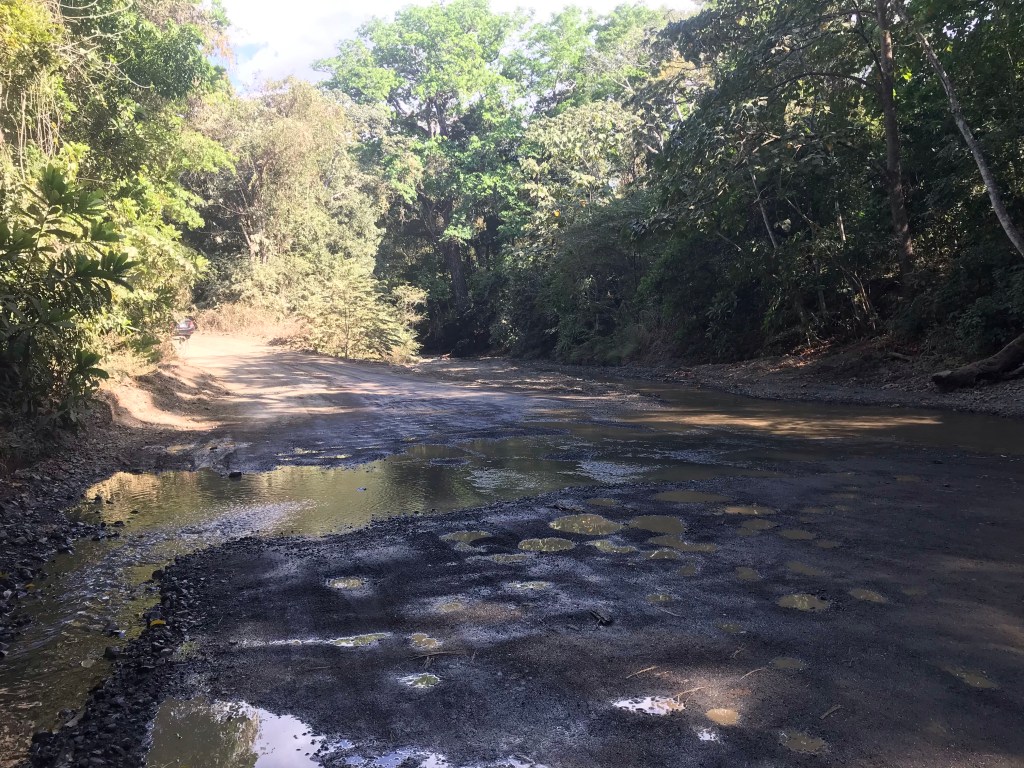
First, buy a good map. The various online guides — Google Maps, Waze, or the in car navigation systems have real limitations. They only show you a small section of the route at a time. When reception is spotty, they can be slow or slightly out of sync with your actual location. BUY A GOOD PAPER MAP. Use your map with the online line assist. We set the route looking at the map and then confirmed it with Waze and used Waze for turn by turn directions. The few times we went to Google, it misled us—in one case taking us over a road more suitable for a tractor when there was a shorter, paved alternative.

The road Google took us on.

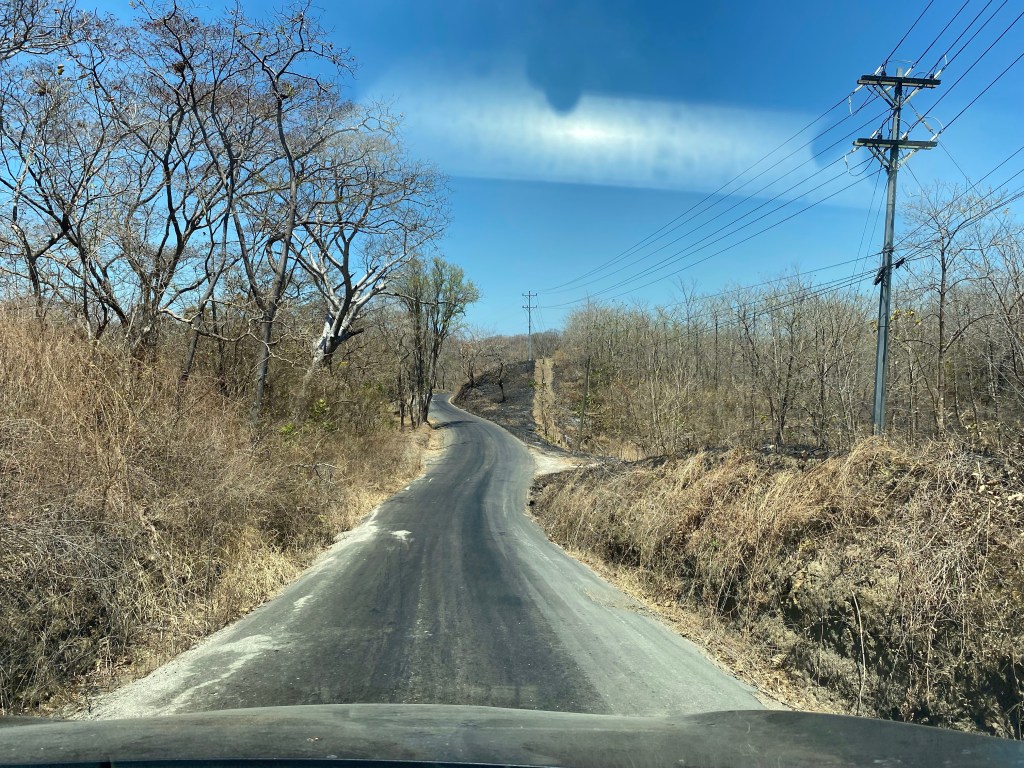
Second, rent a car with high clearance and preferably, four-wheel drive. (Side note: be aware that in Costa Rica when you rent a car, insurance is mandatory — your US insurance or credit card coverage will not cover a significant portions of the insurance. This is not a scam by the rental agency, but a matter of law. An advertised $500 dollar car month long rental will likely cost &1500-2000 with the mandatory insurance.). There’s a reason why you see so many jeeps and such in Costa Rica. The map may indicate you’re on a good road, but we learned even the major roads between major towns could descend into a series of landmine-like potholes or gravel and dirt. We referred to the best of these as Costa Rican car massages. The worst of them caused the driver and the navigator to full alert and slowed us to a crawl.

By far the biggest threat are the Tico drivers. Speed limits are mere suggestions; many locals drive much faster. It seems to be a sport! Passing the slower car in front of you seems to be the national pastime — on either side of the car, around corners or when your vision is restricted. Motorcycles think nothing of carving a third lane down the middle of the road, often carrying more than two passengers.

There are the inevitable slows downs and traffic backups. When most of the main highways are only two lane, a construction site or accident can cause huge delays. The worst for us was accidentally finding ourselves in the middle of a national bike race on one of the main north-south roads. Three hours to go six miles.

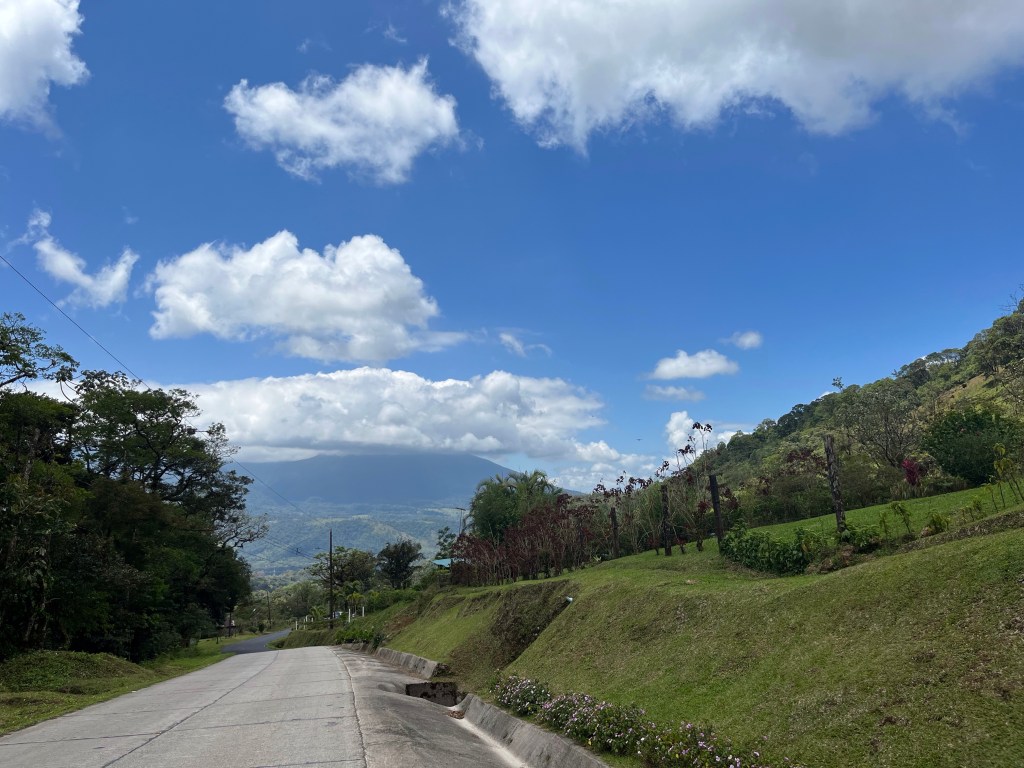
A well traveled road from Guanacaste coast to Liberia (There is also a better, longer route)

Many bridges are one lane affairs. Even on most two-lane roads. On one side of the bridge or the other, signs indicate when you must yield to on coming traffic. Once you get the hang of it, the system works just fine. Ten to twenty yards before the bridge on more traveled roads, be prepare for a speed bump. Sometimes they’re marked by a sign saying “reductor;” sometimes they are painted yellow, but not always. Hitting one of those at full speed is a tooth loosening experience. And sometimes there is no bridge at all. Then you wind up fording a stream or small river—a very sketchy prospect in a low clearance sedan.

Note the slow speed as we hit the potholes at the far end of the bridge

Be alert to pedestrians, bicycles, parents with baby strollers walking along the edge of the road. Vendors sell fruit and juices, rosaquillos (kind of donut) and even the local home brew, coyol, along the roads—anywhere there’s enough traffic, almost enough space for a car to pull off the road, or a speed bump to slow folks down. Sidewalks are scarce. Along many roads shoulders are non-existent or there are deep, steep and wide ditches often with small bridges connecting driveways and farm access points to the road. Running into one of these ditches would definitely ruin your day. In heavily touristed areas golf carts are road approved, and occasionally come without headlights. Yikes!

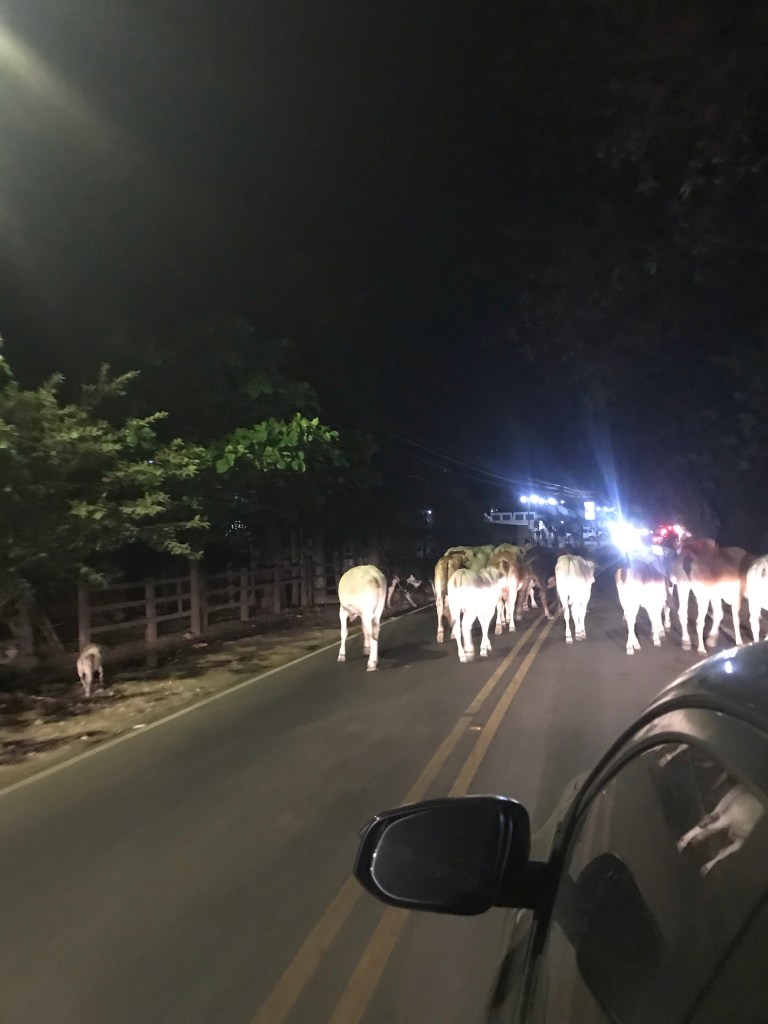
Watch out for the stray cow or two grazing along the roads.

Tico cowboys also move whole herds on the same roads you drive on. A small herd of water buffalo followed by a cowboy on a horse caused a delay in our drive near the Tempisque River. Such pastoral views aren’t limited to the countryside. We even saw an oxen drawn cart on the Inter-American highway!

Once you’re off the main roads, most lack the yellow center lines. Doesn’t really matter because Tico drivers often ignore the center line. When avoiding potholes, we followed their example and crossed to the other lane to find the smoothest path, praying a local driver didn’t coming bombing down the road at us. Mind you these same roads are used by truckers — a lot of truckers as Costa Rica has no railroads to ship goods. Be prepared for dust blackouts when driving behind trucks on the many dirt roads.

Despite the condition of the roads, we also found Tico drivers to be pretty courteous, often pausing to let you into the flow of traffic, waving you ahead at four-way stops. They may not follow the rules of the road that we are used to, but they also are not generally aggressive jerks. The basic Pura Vida of the locals shines through even in traffic.

Is Costa Rica too dangerous for North American drivers? Not really. While we focused here on the challenges, many of the roads are in good shape, not unlike country roads in rural parts of the US. And it’s really the best way to experience the variety that the country offers. At least for our style of travel (staying in Airbnb’s and trying to get a feel for the local community) it’s the best way. Maybe in bigger resorts taxis are available, but we saw few of them where we were. Public transportation consists mainly of buses with somewhat limited routes. The lack of public transportation is probably why we saw so many bikes and pedestrians on the roads. Your other option is hiring guides or drivers which is pretty much what you would have to do without a car. And they are readily available and reasonably priced.

We’ll rent a car again next time we visit. And we’ll remember to be vigilant, and that travel times may be greater than they might be back home. We’ll remind ourselves to exercise more caution than we might at home and keep our sense of humor! We’re on vacation after all!

In Praise of the Familiar

We travel for many reasons—adventure, broadening horizons and having new cultural experiences, relaxing, socializing—to name a few. That often means exploring new places, traveling to new countries or new regions in countries already visited. But once in awhile it’s really great to go back to some place you’ve been to several times. That’s why we’re back in Potrero, Costa Rica.

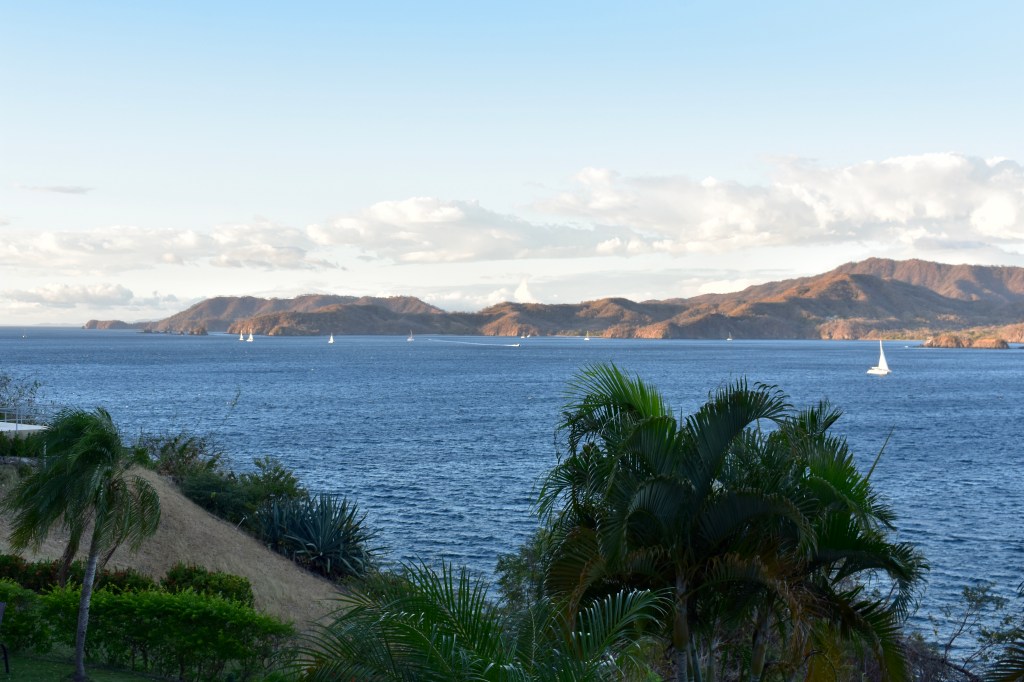
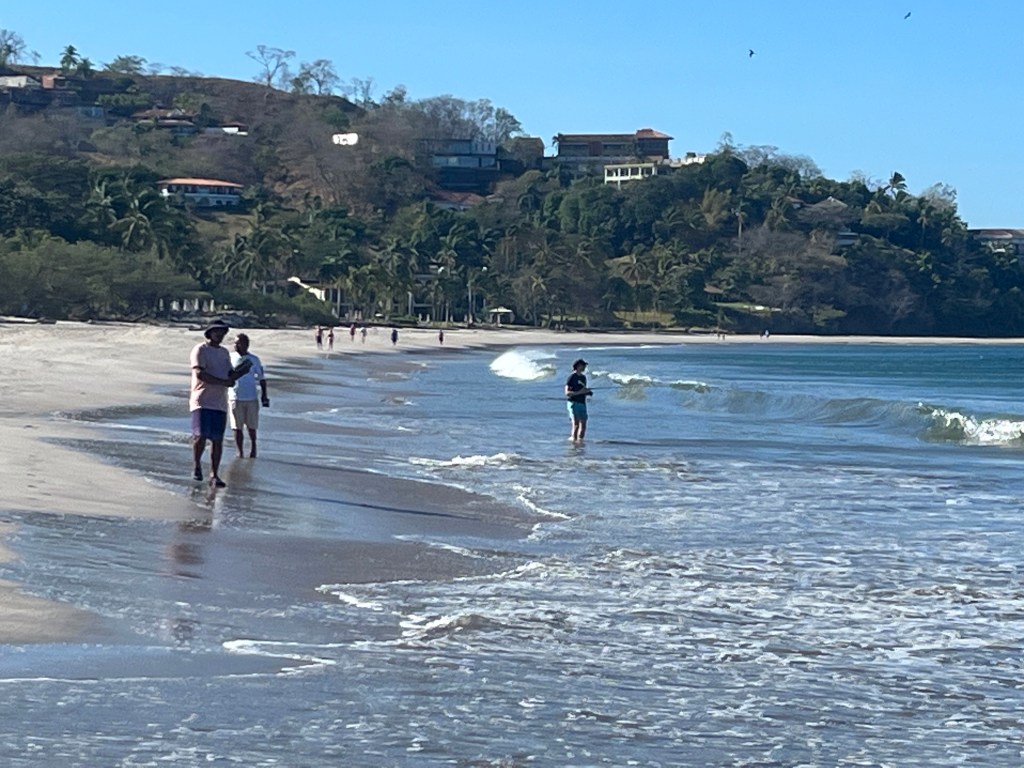
Potrero Bay

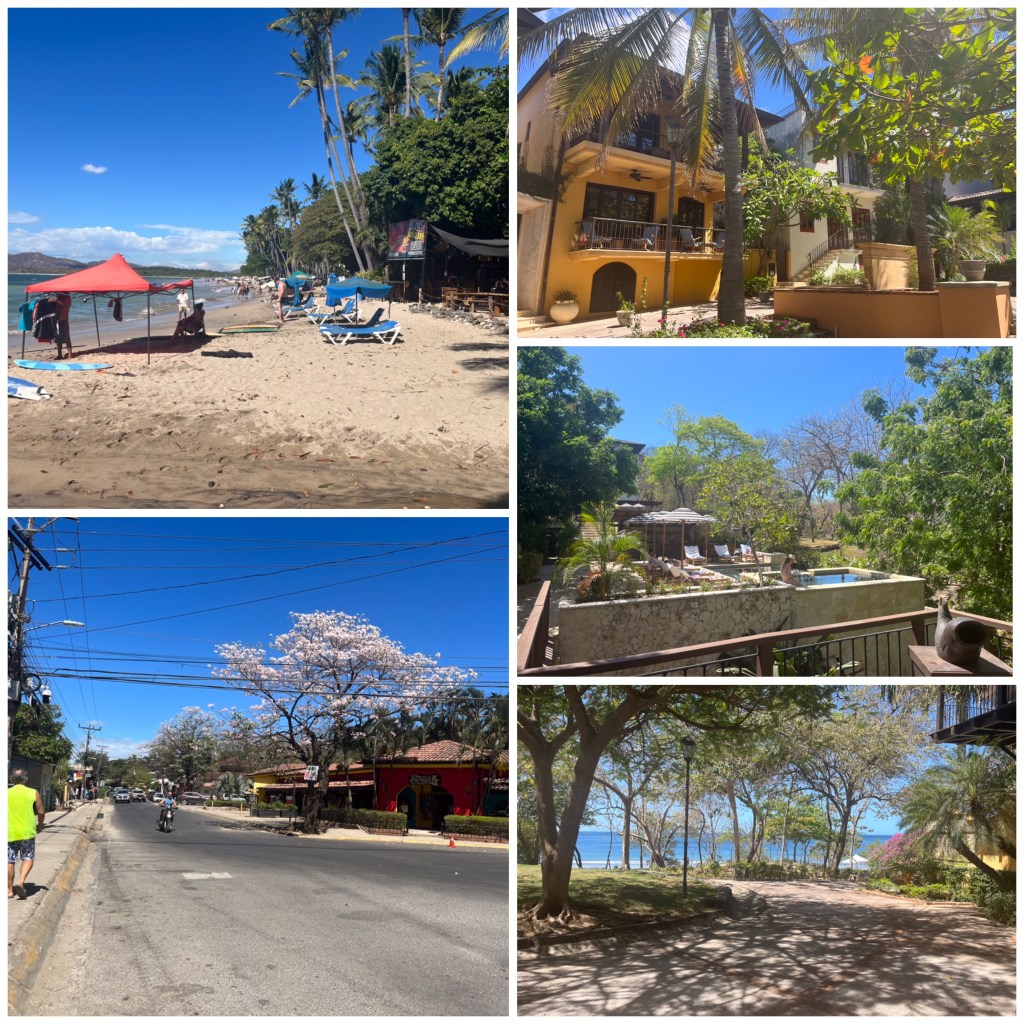
There isn’t really much to do in Potrero—other than enjoying the gorgeous beaches. There are no mega resorts, only a few “fancy” restaurants. The area is mix of locals (Ticos) and ex-pats/tourists—largely Canadians. No zip lines, no white water kayaking, no extreme mountain biking. We have seen a few ATV tours. Playa Flamingo nearby has a few more amenities, a couple of resorts, snorkel and dive options, sunset catamaran and deep sea fishing tours. A brand new marina complex will add more options. And now there is a super fancy huge development about five miles away, Las Catalinas, modeled on an Italian Cinque Terre village. If you want the full tourist and surfing dude experience, Tamarindo is 40 minutes away.

Tamarindo on the left and Los Catalinas on the right — worlds apart

We’ve visited this area now for the third time. For us, it’s been an alternative to Hawaii—relatively easy to get to, cheaper, and just as beautiful. Each time we come here we make new discoveries, find new “secret” places. But we also have the comfort of knowing where to find the best fruit stands, the fish market, locals’ grocery stores and the ones stocked to North American tastes. We know the best “sodas” (family run Tico restaurants) and there are still a couple we have yet to try. And where the ATM’s are located — always a good thing.

Twice we’ve had minor medical issues and we found an excellent local clinic (fluent English spoken). By the way, last year, one exam, two follow-up visits and a course of antibiotics—$80. Probably less the insurance copays at home. This year’s trip cost just slightly more for doctor visit, lab work and prescription.

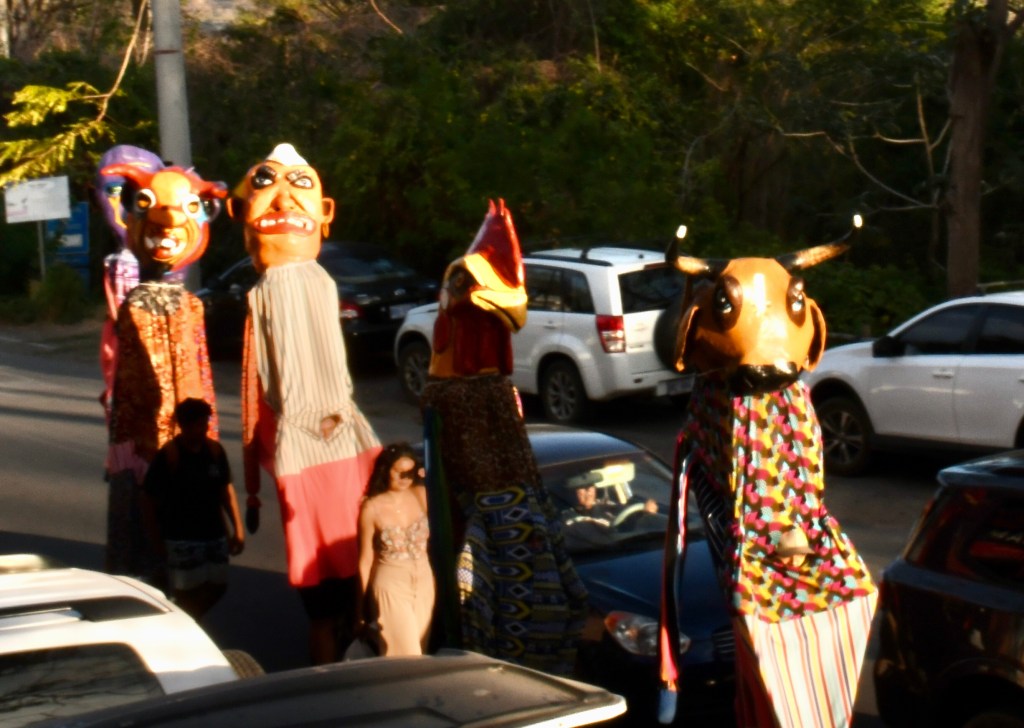
We knew this year to watch for the annual Madri Gras parade — a purely local extravaganza that lasts 15 minutes. There are no signs posted to alert you of this funky event. We found out about it from repeat visitors who clued us in last year. So this year we passed along the information to other newbies. The kids loved the candy that was thrown.

Mardi Gras Parade
The Mardi Gras pirate

And we’ve found some very helpful resources here—our local “fixer” Jennifer and an outstanding local guide, Graven—resources that we use again and again. Jennifer runs a great taco bar restaurant www.amigostacosybeer.com/in Playa Flamingo, rents golf carts, and has local contacts among guides and tourist services http://rentagolfcartcostarica.com/.

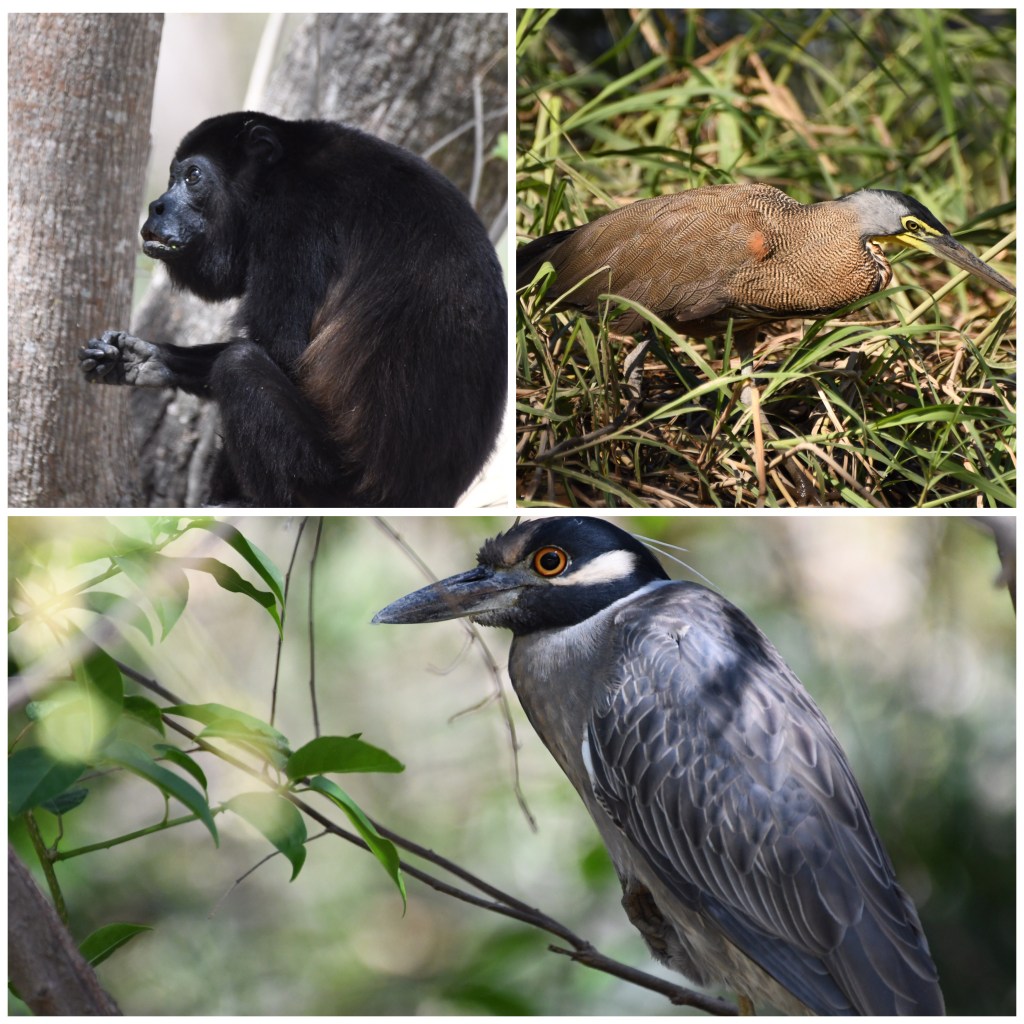
We e-mailed her a few weeks before our trip and she lined up a birding trip on the Tempisque River with Graven that we had done before and loved. This year’s tour was just as much fun as we remembered, and because we were dealing with unpredictable nature, we saw more monkeys this year and different birds. Next time we may try one of Graven’s hikes or other tours.

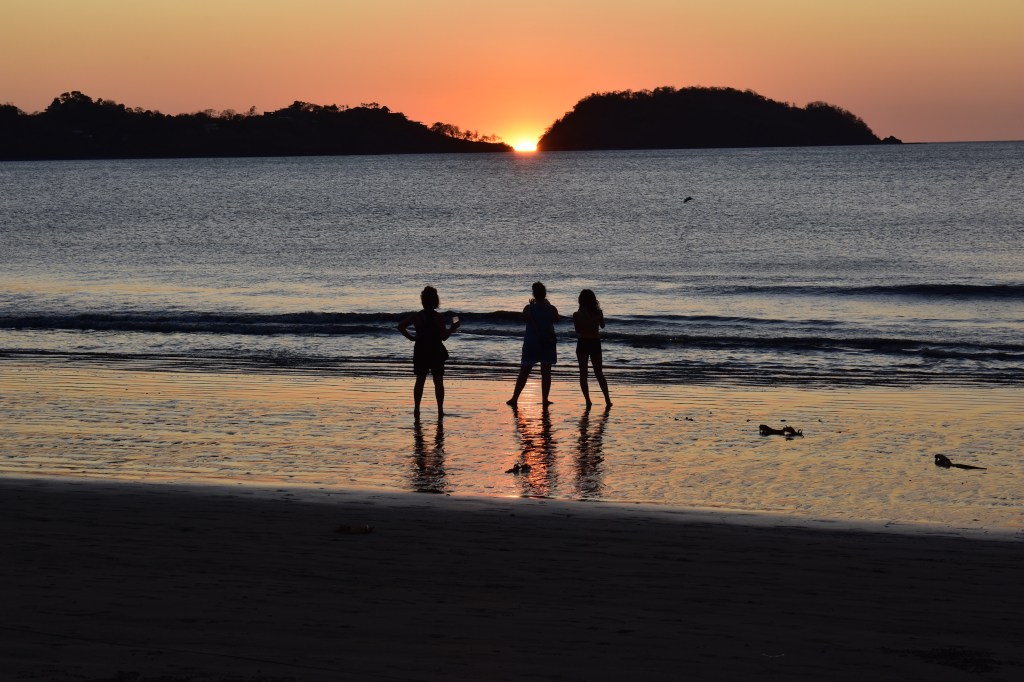
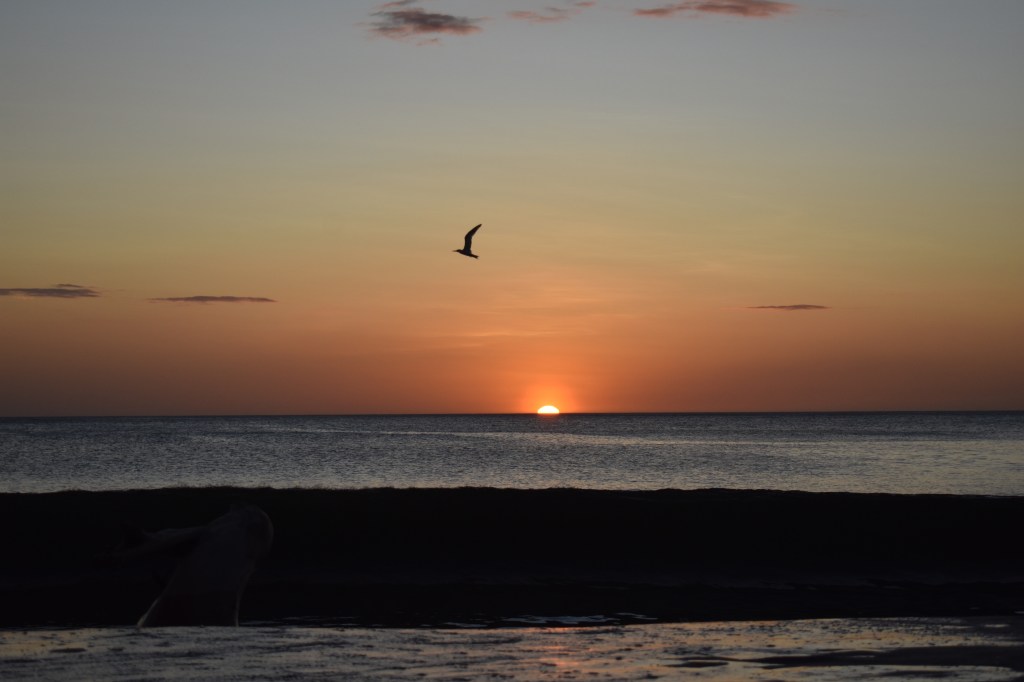
We’ve also learned to let our mood and the weather determine which beaches we walk in the mornings and where to go to catch the sunset in the evening.

Playa Flamingo is the most touristed beach with two of the largest hotel complexes, a long whiteish sand crescent with hawkers selling tents and chairs for a couple twenty dollar bills (all negotiable). At midday the beach can be crowded. When the tides are right Ticos are out with fishing poles or even just fishing line, catching tuna and jack fish in the surf. At sunset, we sat among locals and no gringos within sight.

Locals fishing from the beach at Playa Flamingo

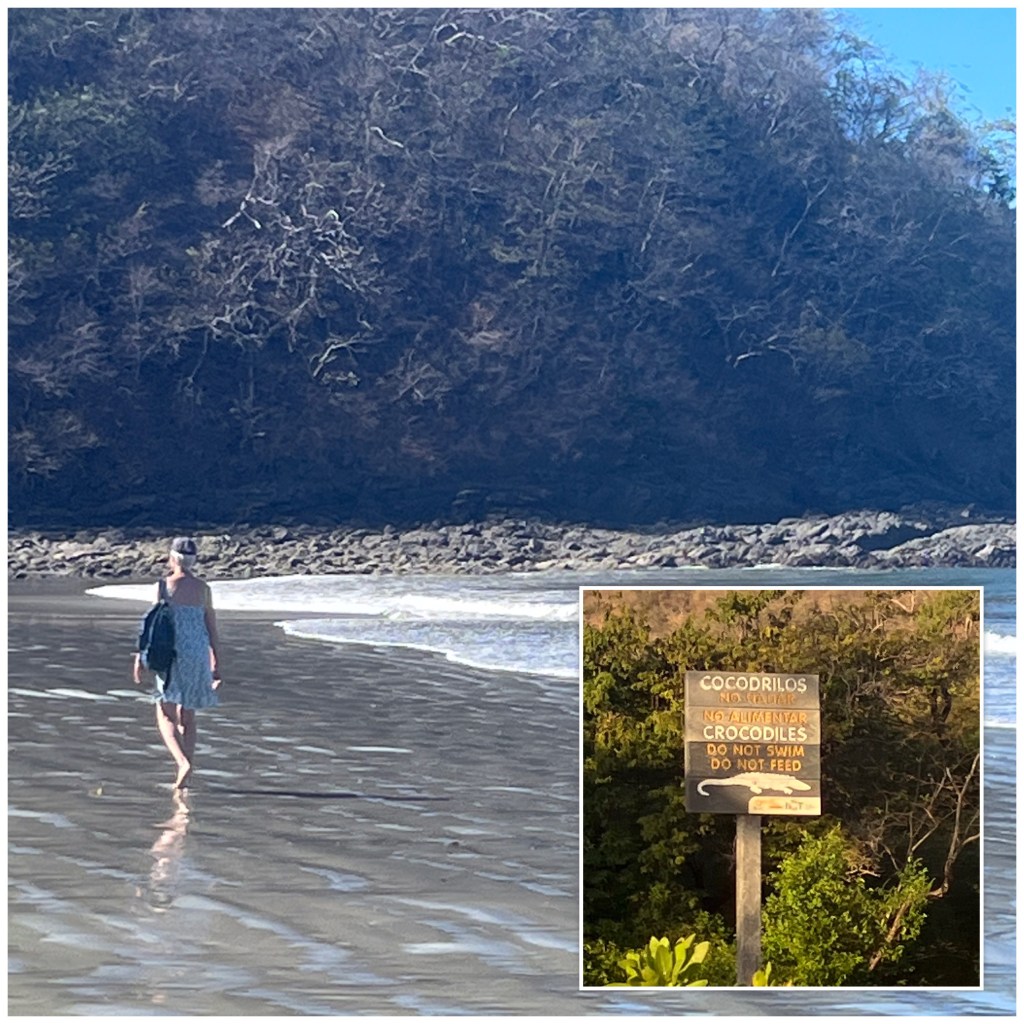
To escape the wind (which was wild this year), we walk Prieta Beach, a short white sand beach, often all by ourselves. It’s located north of town, down a steep and somewhat intimidating dirt road. No signs, almost impossible to find. We were lucky to stumble on it last year and it is now our favorite. It’s seems almost like our own private paradise. On the weekend, the beach attracts a few locals. Snorkeling is marginal there, but Prieta is still a spectacular place to swim and play in the waves. A short walk connects to another lovely, slightly more crowded beach, Penca (and a sign warning of crocodiles in the lagoon behind the beach).

Looking for a beachside restaurant? We go to Playa Potrero. The bay itself is less inviting here—darker sand, a little muddy—but it’s a great beach to walk and watch the sunset. Several small places offer decent margaritas and basic food. These places attract mainly tourists, but our attitude when we eat there is, hey — we’re tourists! Las Brisas, at the far end of the bay, has become our traditional first night in Potrero dinner! The evening dinner is often punctuated with Howler monkeys howling behind the restaurant.
Of course, when we go back to a place several times, we can’t help but make comparisons. The roads seem in better shape this year — fewer potholes. But as a consequence, more traffic, more wild Tico drivers, and fewer golf carts (which are street legal here). Some of our favorite restaurants have closed. New ones have opened. Prices are higher, but still low for what we’re getting. The pandemic has disrupted the local economy here as much as back home—marginal businesses struggled. But recovery seems to be in full swing. Lots of construction and we worry that bit by bit Potrero may go the way of some of our former favorite places.

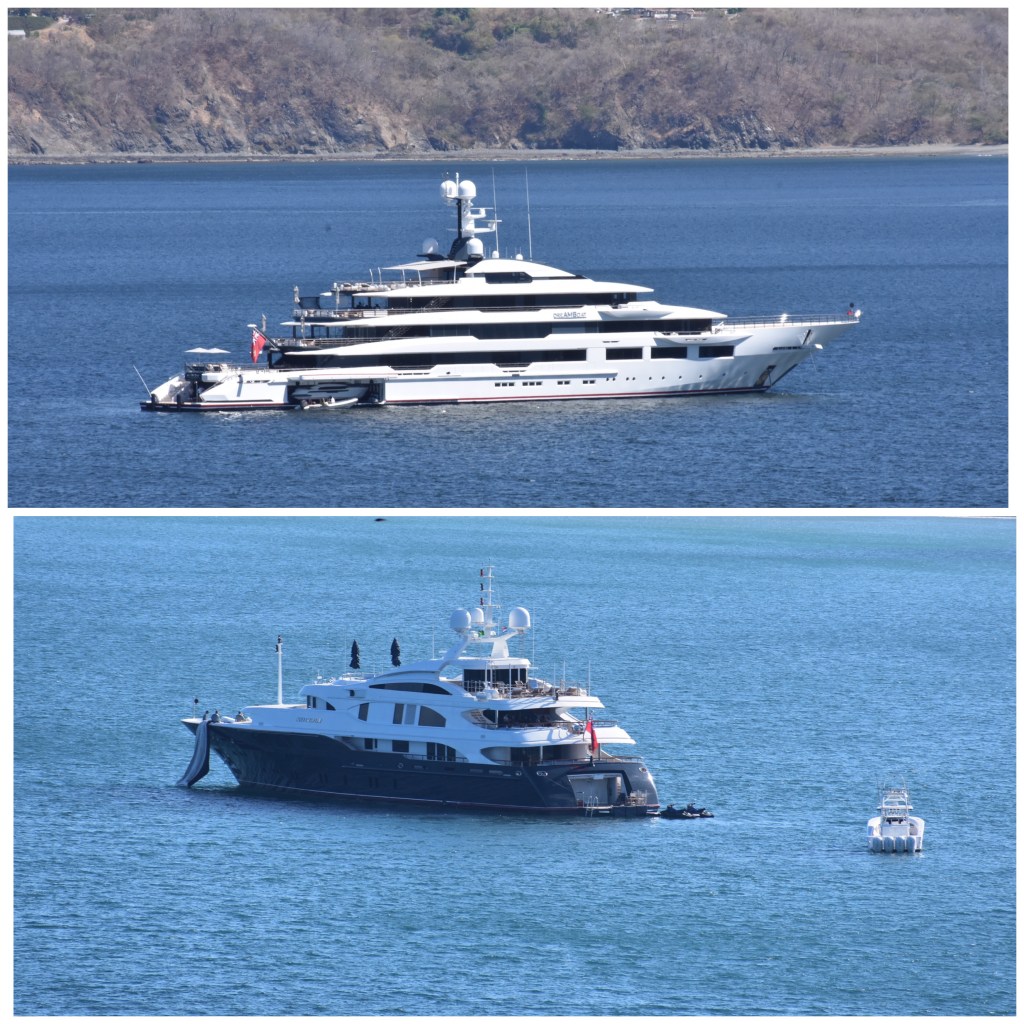
Another big change is the presence of mega yachts — Howard Schultz of Starbucks 100+ foot yacht was here, plus Arthur Blank (one of Home Depot’s founders — the liberal, not the current right-wing owner) even bigger yacht, and another yacht that charters for $325,000 a day plus expenses. Strange, because as we said, there’s not much here to attract that crowd. We never saw those big boats the first two times we were here. Sign of today’s economy?

Upper boat is registered to Arthur Blank of Home Depot fame and the other is available for charter at $325,000 a week plus expenses.

Yes, there is something very comforting about the familiar. It takes a while to know a place and each return visit adds new layer of understanding and new finds. We hope to return again next year to escape the northern hemisphere cold and make some new discoveries.

Guiding Lights

For years we scoffed at hiring a guide when we traveled, figuring we could read the books, or ask around and figure out most stuff about sights on our own. We looked at groups in museums, massed before a work of art and listening to a guide drone on and on about the artist, the symbolism, the technique …. and we winced. Probably we were scarred by many trips to the old Soviet Union and their pedantic guides.

But in recent years, we have learned to hire a guide to get a really good overview of a city, or when we want a deep dive into the details of a site. We learned on our Zimbabwe safari that without the guides we would have missed a lot, even giraffes standing right in front of us among the trees. In Costa Rica, we would never have seen a spider monkey or identified it’s call. In Spain, we might have missed the Griffon vultures—one of the biggest birds on the planet. Yep, a good guide, particularly a private guide or small group guide is usually worth every penny you pay.

We’re casual bird watchers — we don’t get up at the crack of dawn to visit sewage treatment ponds or horribly remote locations. Our life lists are pretty hit and miss. But we do enjoy stopping on a walk to look at a bird. Our identification skills are pretty lame, so when we’re in a nature lover’s paradise, we hire a guide. Case in point: Monteverde in Costa Rica.

Six years ago we had booked a birding tour through a kiosk at a hostel/backpacker hotel/cafe in St. Elena. The guide turned out to be fabulous. So for our latest trip we hunted him down online (luckily Peter had recorded his name in our journal from our trip six years ago).

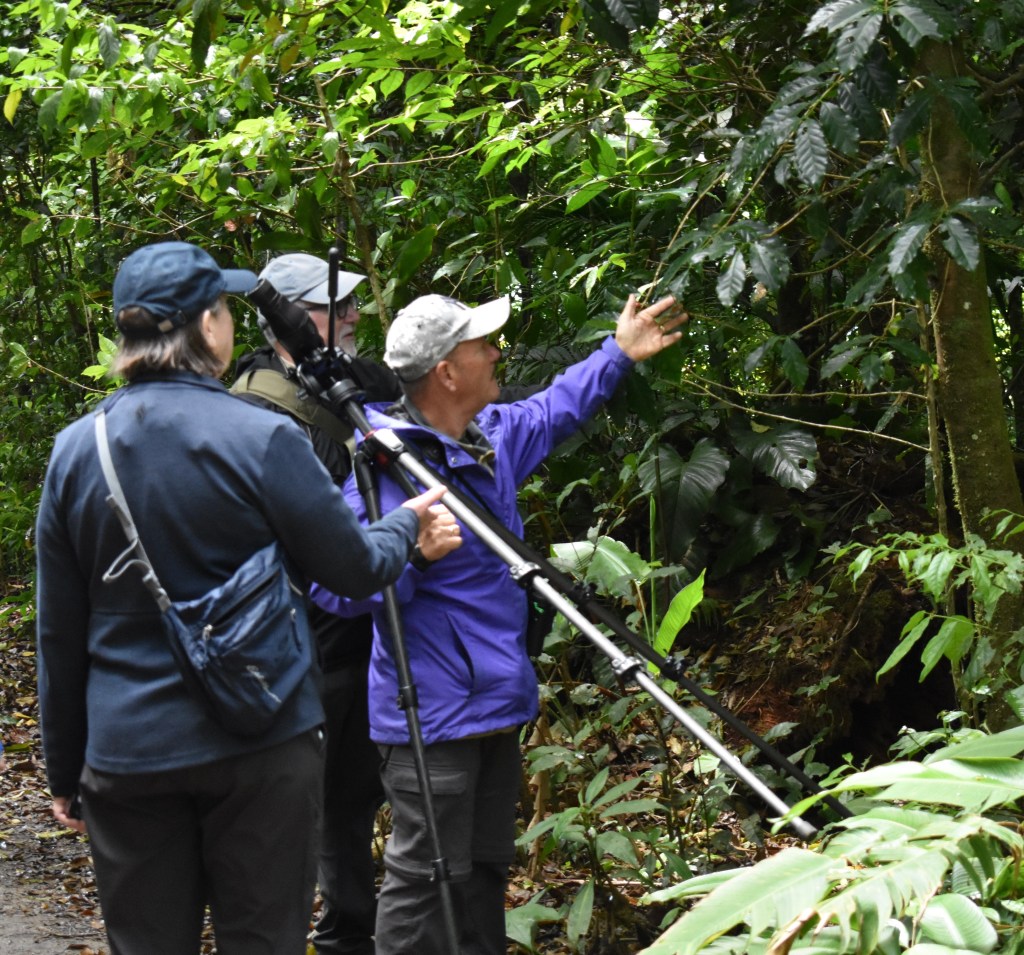
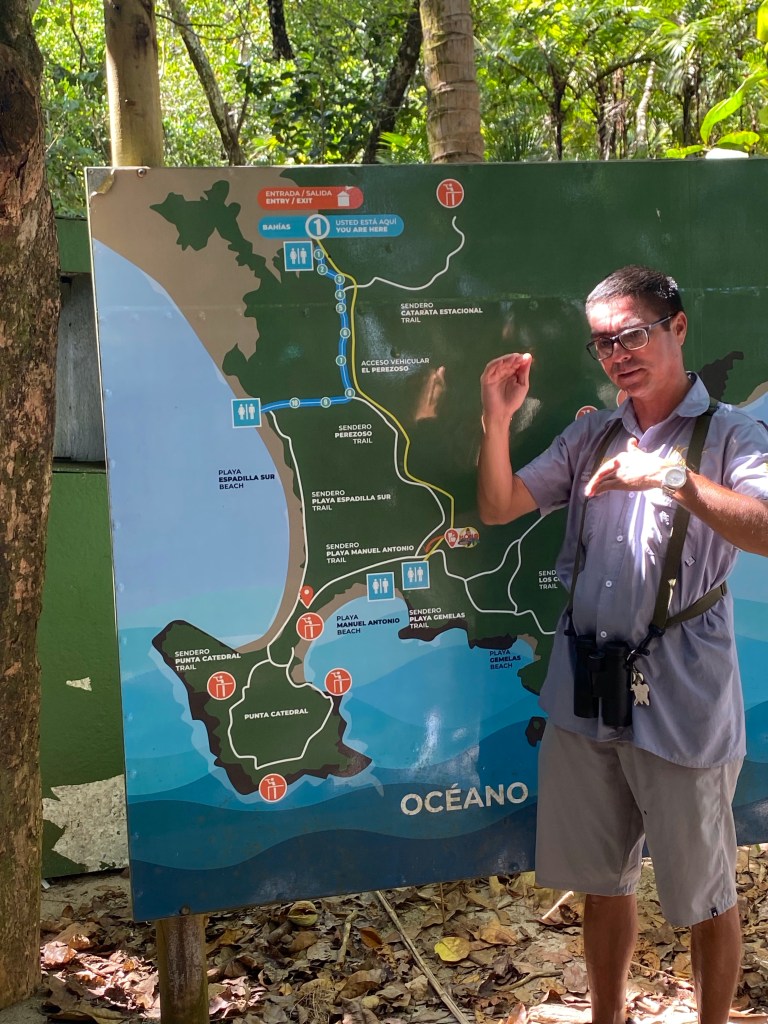
Adrian is exactly what you want in a guide. First and foremost, he is wildly enthusiastic. He leaves you with the impression that he not only loves his job, but he simply enjoys a walk looking for birds. When we spotted a rare one, he was more excited than we were. “Oh! Oh! Oh!” He would say, grabbing his spotting scope and trotting off with us closely following, “This one is special.”

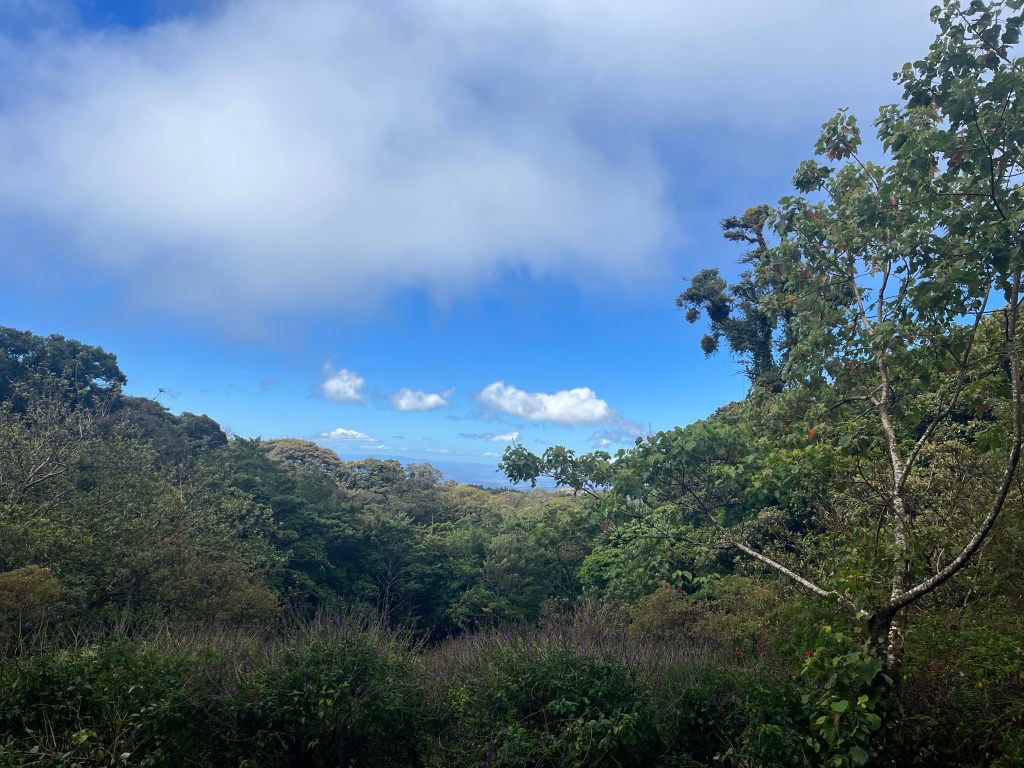
With 30 years of experience, he knew every sound, every nook and cranny in the Curi Cancha Reserve. We were surprised that he wasn’t taking us back to the more famous Monteverde Reserve just down the road where we had been six years ago. But as he explained, Monteverde had become way too crowded and had imposed too many restrictions on visitors and guides. Another advantage of a great guide, we thought, as we toured Curi Cancha, most of the time by ourselves.

First question he asked us before we took off? “Who is keeping the list.” For each bird we saw, he patiently and deliberately repeated the name several times, even spelling it if needed. He did complain that they kept changing the official names of birds which made his job challenging at times. His upbeat demeanor carried us through the less than ideal weather. After all, it’s called the Cloud Forest for a reason.

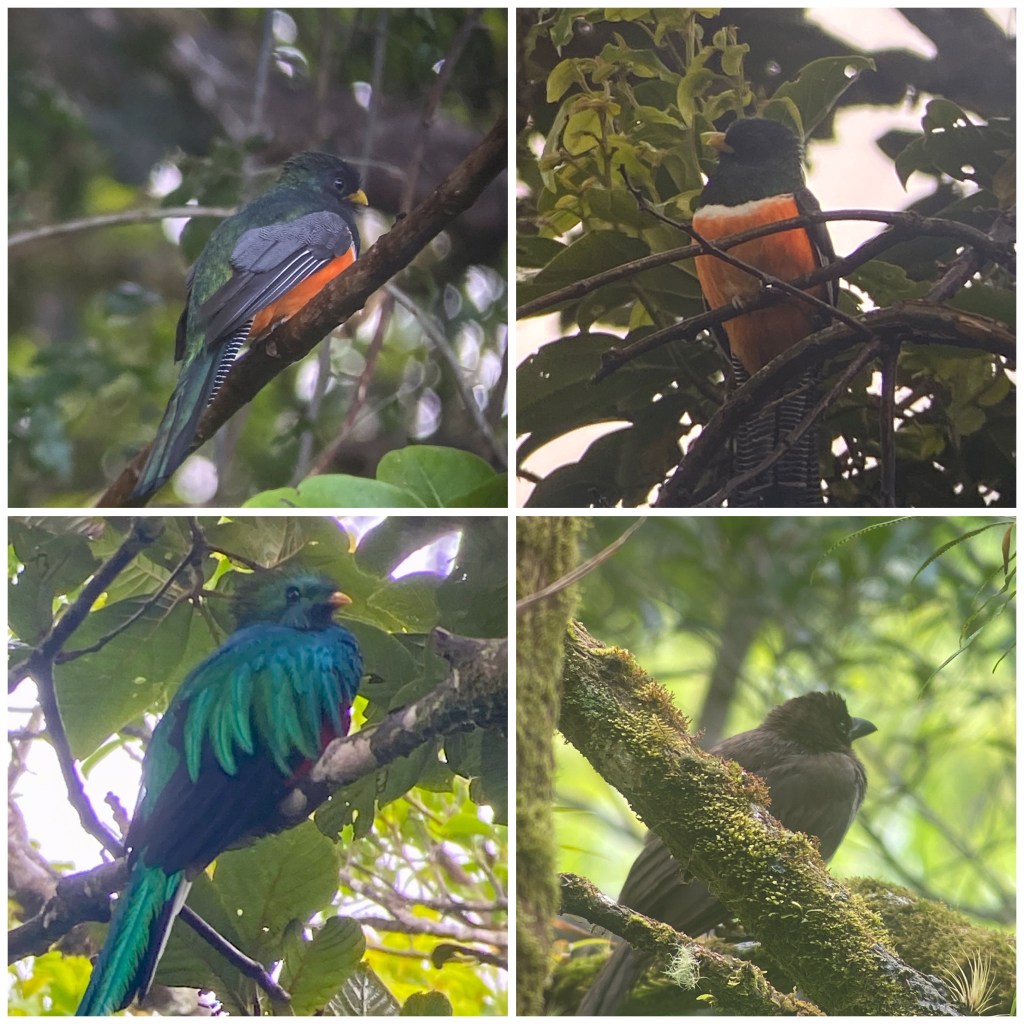
When the other guides zigged, he zagged, leading us into quieter parts of the forest. He knew where the owl generally hung out (it didn’t show for us) and where to find the spectacular resplendent quetzal, the star attraction of the Cloud Forest. But as the other groups gathered in front of the tree where the quetzals pick fruit, he took us back into the woods where it would sit to digest it’s meal. In short, he knew the ropes and had a few tricks up his sleeve! In the end, we saw 48 different species in four hours!

When he spotted a bird, he quickly set up his spotting scope, lined up the bird and stood back so we could take a look. If we wanted, he used the scope and our smartphones to capture dramatic pictures of the birds. When the birds moved too quickly, he used a green laser, pointing just below the bird, careful not to hit it with the light, so we could find it with our binoculars. He also knew which birds would fly away from the light and used the laser very judiciously.

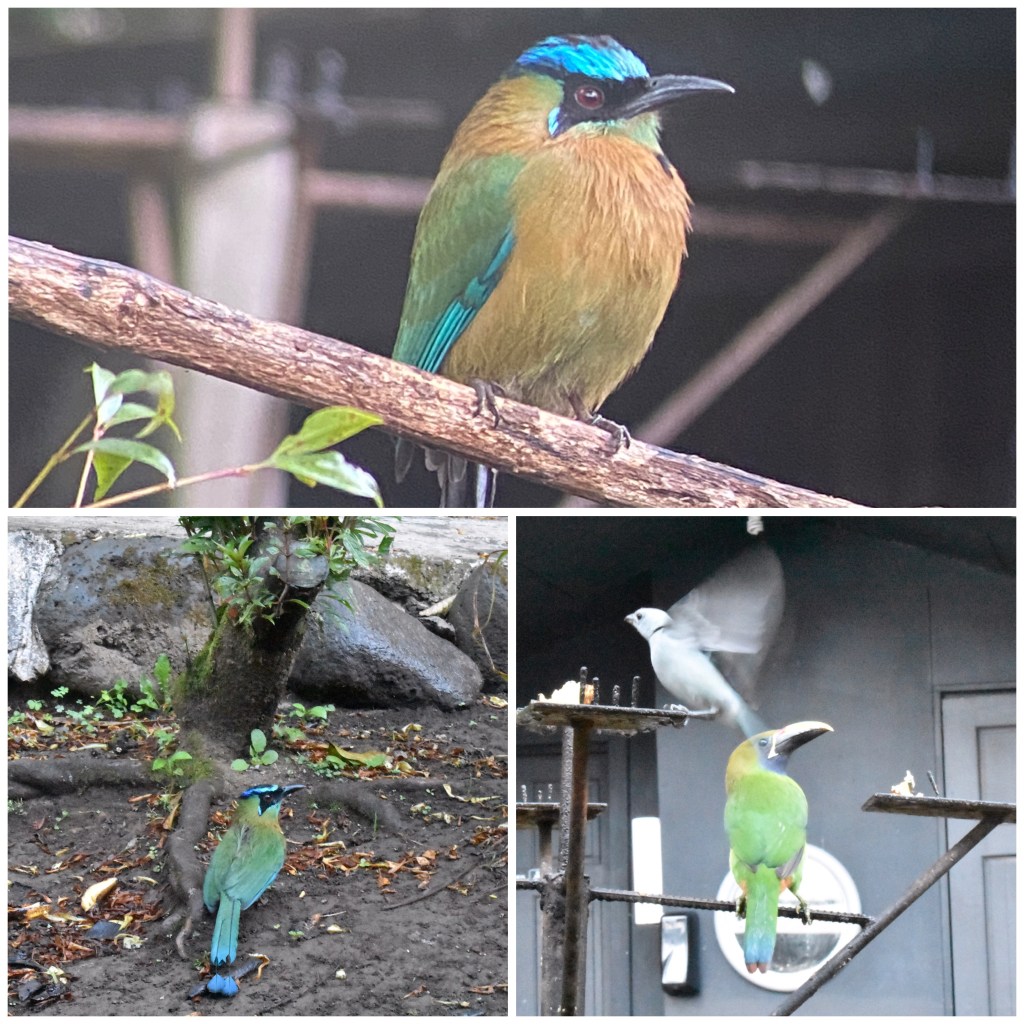
And since we aren’t purists, we didn’t care that some of our bird sightings happened at a cafe with bird feeders. We enjoyed the mid-tour break for coffee almost as much as we enjoyed seeing the birds clustered around the feeders.

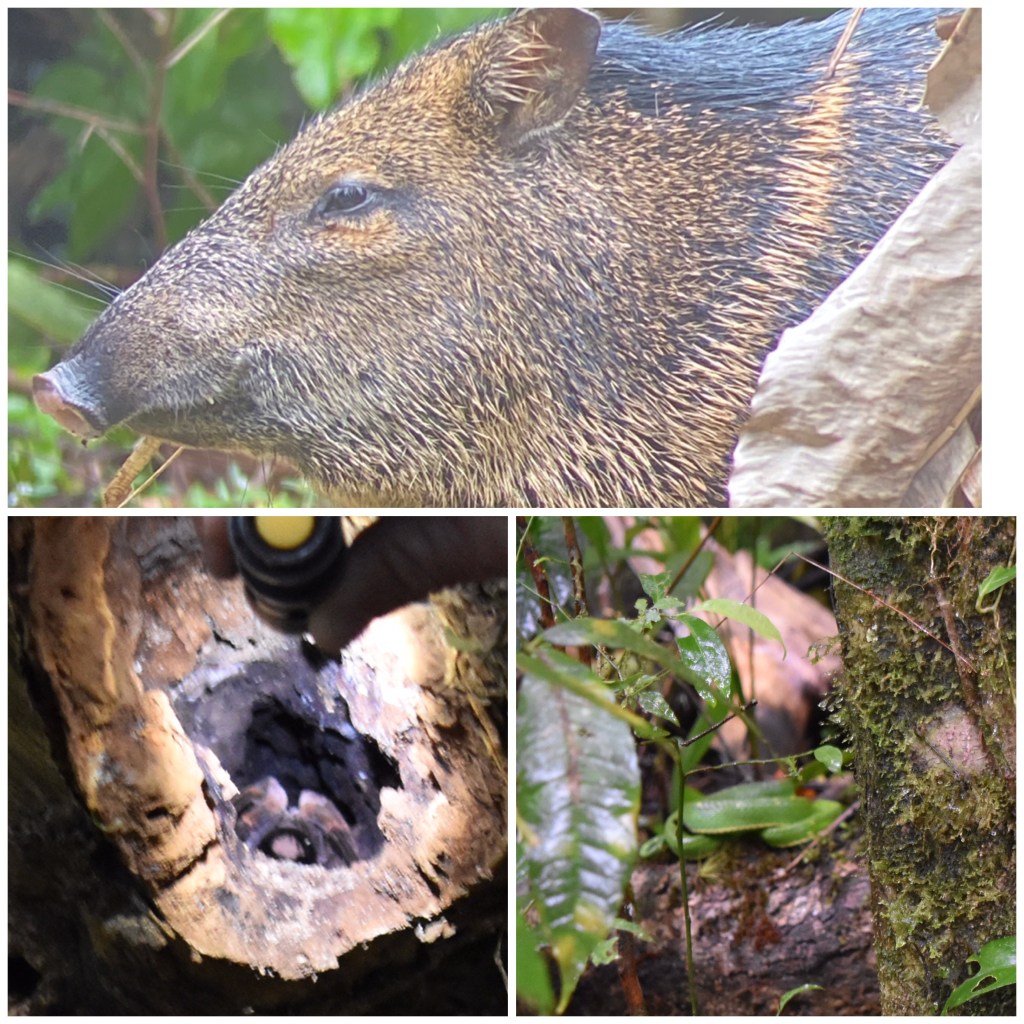
He didn’t just talk about the birds, we also got a lesson in the plants around us and the evolution of eco-tourism in Costa Rica. The wild pigs, known as peccaries, are new to Curi Cancha and were originally shy, but have learned that within the park they have nothing to fear — until the pumas choose to return, too. Adrian made us sure we saw the tarantula, and poisonous Green Pit Viper. These guides are all trained, many with college degrees in ecology or environmental studies.

But the great guides don’t just show you the sights, they also give you a glimpse into their community. Of course, we talked about the pandemic and it’s impact on his life, how a frugal lifestyle meant he had money in savings to survive. He had suffered a medical scare two years ago that brought him closer to his family and helped reorder his priorities. But he also shared how the Costa Rican medical system worked for him. He now takes more days off and limits the number of tours per week. And he gave us a clue to one aspect of how the tourist industry works when he told us next time to contact him directly for a better price on the tour. (adrianmendezc@hotmail.com)

As we ended our day the sun came out and we said to Adrian, “see you next year!”

No More Monkey Business

We’re back in Costa Rica for the third time. The first time was six years ago and then again in 2022 when we were first traveling as the pandemic became more manageable. We planned this year’s trip to take us to some new places and revisit our favorite “been there & done that’s.” The repeat visits generated comparisons — Is the traffic worse here? Are the prices higher this year?

Probably making such comparisons is inevitable and probably largely guesswork. But without a doubt the pandemic left it’s mark on Costa Rica.

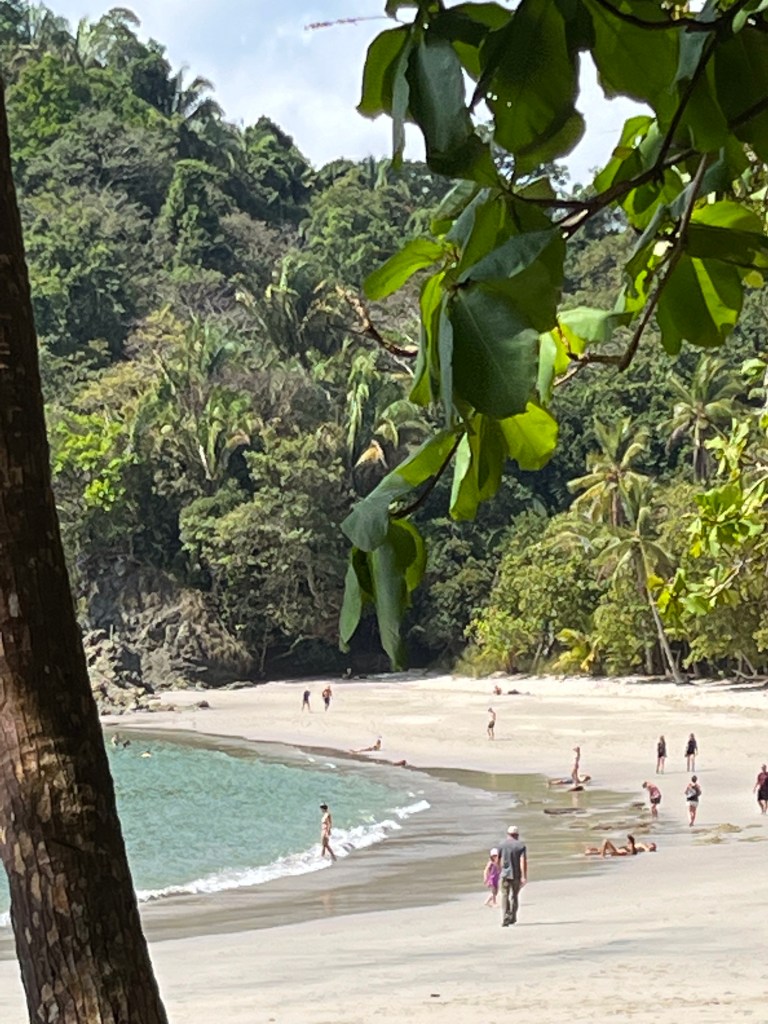
One of Costa Rica’s biggest tourist attractions — Manuel Antonio National Park — is not the biggest park in Costa Rica, but sits reasonably close to the capital with gorgeous beaches. Six years ago, the beaches in the park were packed with families and tourists — and outnumbering the human visitors were the ever vigilant White-faced Monkeys (also known as Capuchin). Notoriously clever thieves, they were constantly on the lookout for bags or purses that might contain food. We were warned never to set our bags down as the monkeys were lightening fast at stealing them — often carrying them up into a tree and disdainfully throwing down all the non-edible items inside. As we walked the paths, we stepped around and over the mama monkeys and their babies. You had to get dozen of yards away from the beach and the picnickers to get a sense of the real park. On our visit this year, we struggled to see even one White-faced Monkey.

Why the change? The pandemic. The park was closed that first year. The park naturalists noticed monkeys began dying from starvation. Many of them had lost the ability to forage for food when there were no tourist backpacks to raid. This triggered a re-examination of park procedures. Now entry is limited and requires a reservation. Visitors are checked at the entry gates to make sure they don’t bring in any food that might attract the monkeys. As a result, the park is less crowded and is cleaner and, most importantly, the monkeys have reverted to their more natural state.

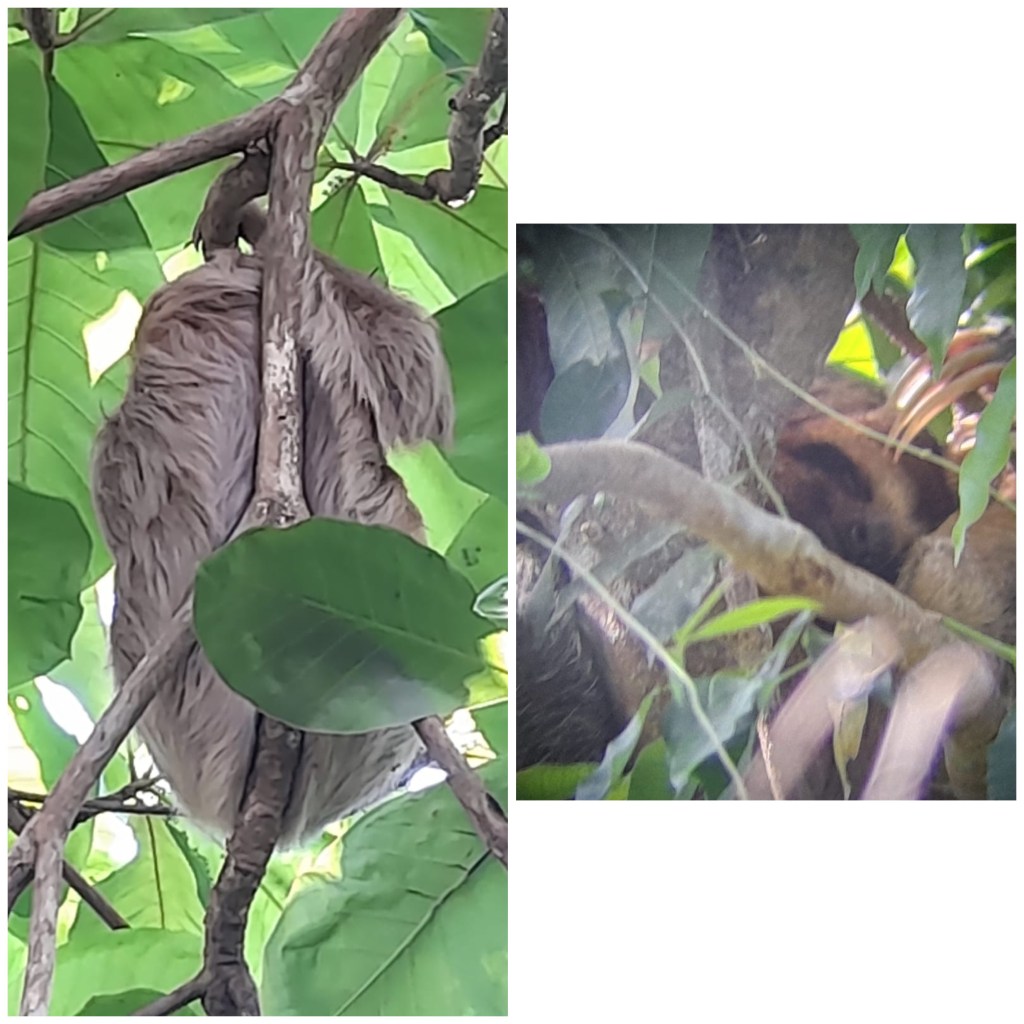
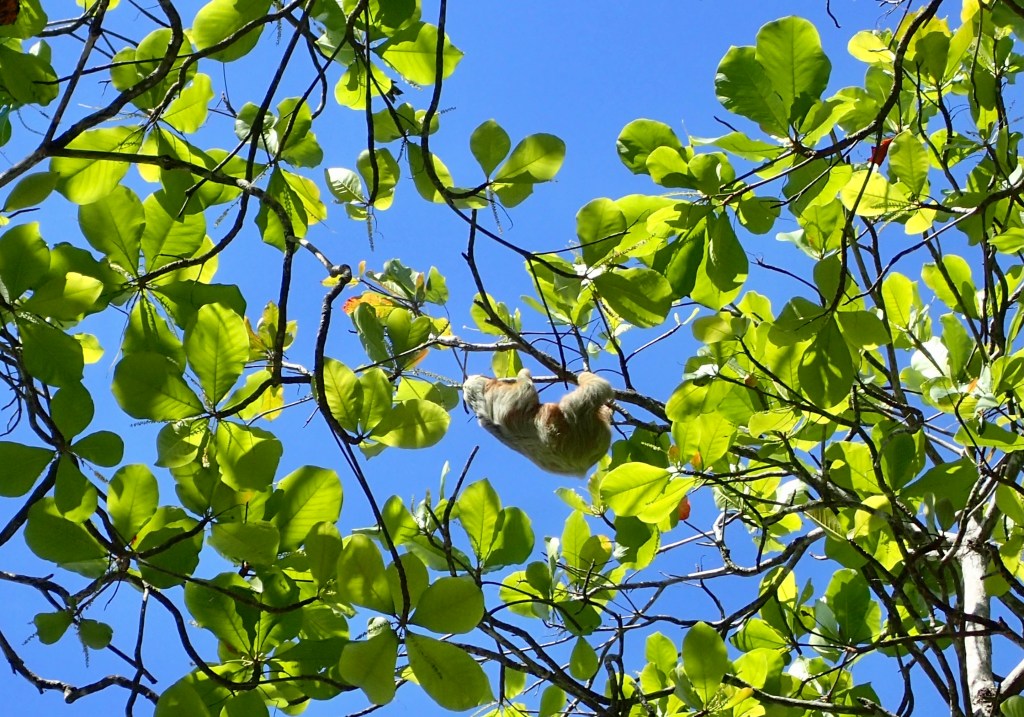
Without the monkeys lurking about, and with the help of our guide, we were able to focus on the other critters of the park. An immature sloth sleeping in a tree with mama watching from not too far away.

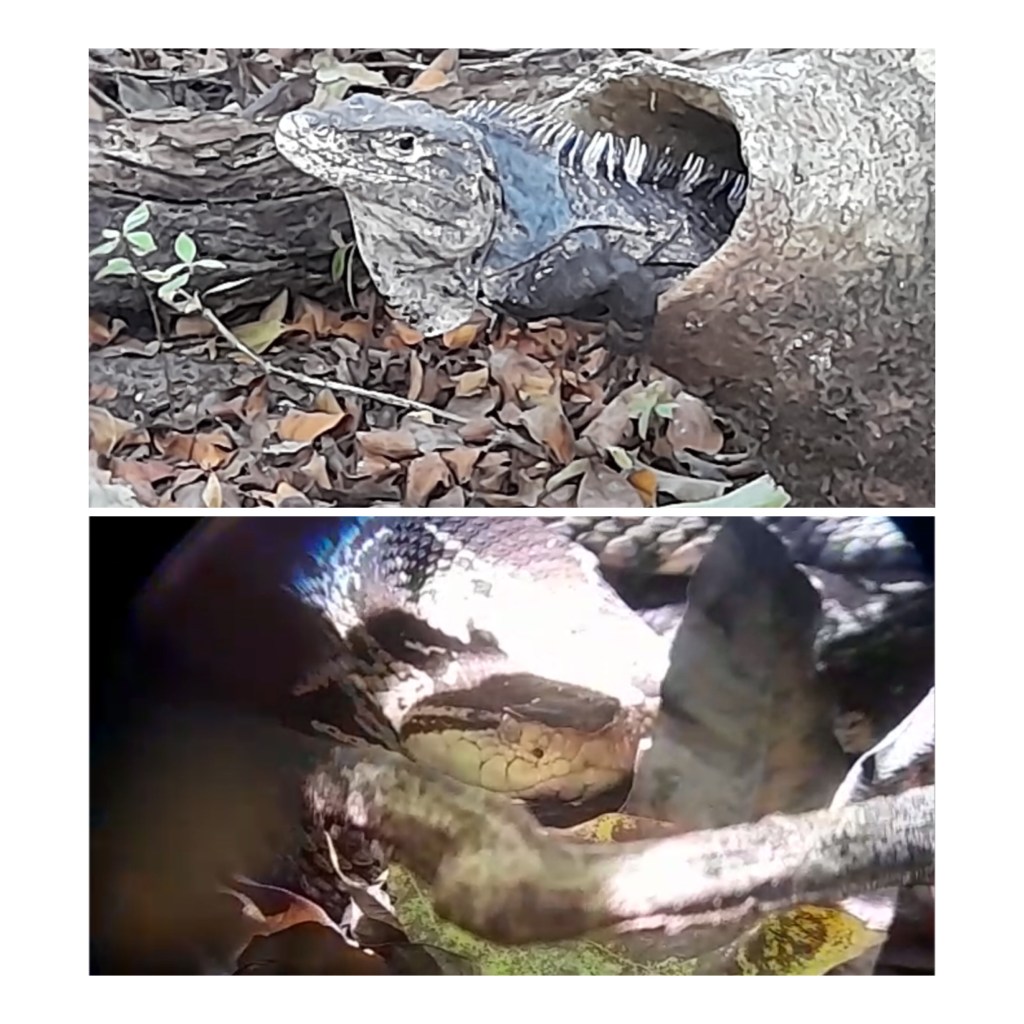
A lizard and a Fer de Lance snake patiently waiting for their meals to wander by.

An agouti mom and her two little ones, playing in the underbrush.

Anyone planning a trip to Manuel Antonio needs to remember the park is closed one day a week for repairs, cleaning and to give nature a chance to rebound — unless, of course, you can pay $36,000 as film production crews (scenes from The Castaway with Tom Hanks were filmed here) and the famous (Steven Spielberg, and Will Smith to name a few) do in order to have the beaches to themselves.

Costa Rica takes its natural beauty seriously. Roughly 28% of the country’s total land is set aside as national parks or nature reserves. School tour groups get in the parks free and we were told by our guide that annual visits to the park are a routine part of the curriculum to build a national sense of pride and consensus to preserve the bio-diversity.

Yes, it is different here now after the pandemic but some of the changes are definitely better for both tourists and the animals. Pura Vida!

Spanish Surprises, Spanish Delights

A month in Spain surprised us and delighted us! Top ten of each!

Surprises

1. Adjust your clock! As a Spaniard told us in the south no one would get up before the sun rises at 8:00. Kids have to be in school at 9:00. Parents go to work by 10:00. Just move your US clock up two or three hours. Breakfast at 9-10am. Lunch at 2-4pm. Dinner after 9pm. In restaurants at 8:30 you’re eating with tourists, at 10:00 with locals.

2. Crossing streets can be hazardous — not because the Spanish are crazy drivers. They seem pretty polite. But not motorized scooters and bicyclists. Proceed with caution. The crosswalks are a few yards away from the corner to give left-turning vehicles a place to go. The cars will usually stop for pedestrians in the crosswalks, but the two wheelers often do not. Be careful!

3. Spain is up close and personal. Tapas bars are crowded. Tables are close together in restaurants. They seem to like it that way! One Spaniard told us it’s as if we must feel the “breath of the people on our cheeks.”

Crowds at popular tapa bars spill out into the street

4. Service can seem abrupt. Not rude. Just very few of the pleasantries that pass for polite banter back home. In restaurants, the waiters fly around. No “how’s your day going” or “how are those first bites tasting.” In one restaurant we were reminded of the old British comedy Fawlty Towers, given the yelling and frantic pace of the wait staff. (Of course, a fine dining experience in Spain is quite different.) We’re talking about the tapas bars, the bistros and more casual restaurants where we hung out.

5. Order what you want. Ordering a 1 euro espresso and 2 euro snack is absolutely OK. One Spaniard told us there are almost no public restrooms in Spain because you just stop, have a quick bite or drink and use the WC. Want to split a dish? Not at all uncommon and, in fact, it is often expected a table would share several dishes. Not very hungry? Order a half portion or even a tapa portion.

6. Franco’s legacy lives on. And it’s unresolved—feelings still run deep. Some still admire the fascist leader, others loathe him. This should not be a surprise to those of us from a country still dealing with the legacy of slavery and segregation. Franco died more than 45 years ago. Today’s right wing politicos trace many of their issues back to what they see as a better time when Franco defined what it meant to be Spanish.

7. The Catalan independence movement is a very strong undercurrent in Barcelona. Yes, we’d read about the desire by many Catalans for an independent Catalonia, with the region split roughly 50/50 in polls. Seeing the pro-independence flags hanging from balconies all over Barcelona, the graffiti in Catalan, and the police presence on the Day of Spain national holiday when pro-Spanish nationalists paraded through the streets of the city in an in your face political march, made it very real, very immediate, very intense.

“We take power” in Catalonian and Catalonian flags

8. Catholicism is more cultural than practiced. Cathedrals and basilicas are everywhere, but often empty. The birth rate is 1.2 children. The south is more Catholic, the north less so. Another legacy of the Spanish Civil War—the Catholic Church was strongly supportive of Franco as his army moved from the south to the north in the war. Many in the north still resent the Church for its complicity in the Franco years.

9. Royal family is definitely not the icons the British royals are. The Spanish king and his family are not very visible, often criticized for corruption and are seen by many as a drain on the economy. As one person reminded us, few people would even recognize a picture of the king, queen or their children. The former king is now living in Dubai in exile and not welcome back. Again some of this attitude may go back to Franco’s death and the hasty re-establishment of the monarchy one day later.

10. The Spanish do not like spicy food—a shock to us.

The delights?

1. Spanish high speed trains! Clean, efficient, comfortable. Taking a five hour train ride was less complicated than any airplane trip we have ever taken anywhere. Easier security. Roomier. Less waiting time. Departure and arrival near the city centers.

2. Tapas and the wine scene. Usually quick, often delicious, and almost always cheap. Spanish omelette (tortilla), potatoes with a paprika sauce (patatas bravas), Russian salad (ensalada Rus), Spanish ham (jamón) or anchovies on toast were staples. But many tapa bars have their own specialties or twists on these standards. Some were simple affairs. Some were gastronomical masterpieces. And wines by the glass—often the house wine was outstanding—house made vermouths, and cavas (the Spanish version of champagne).

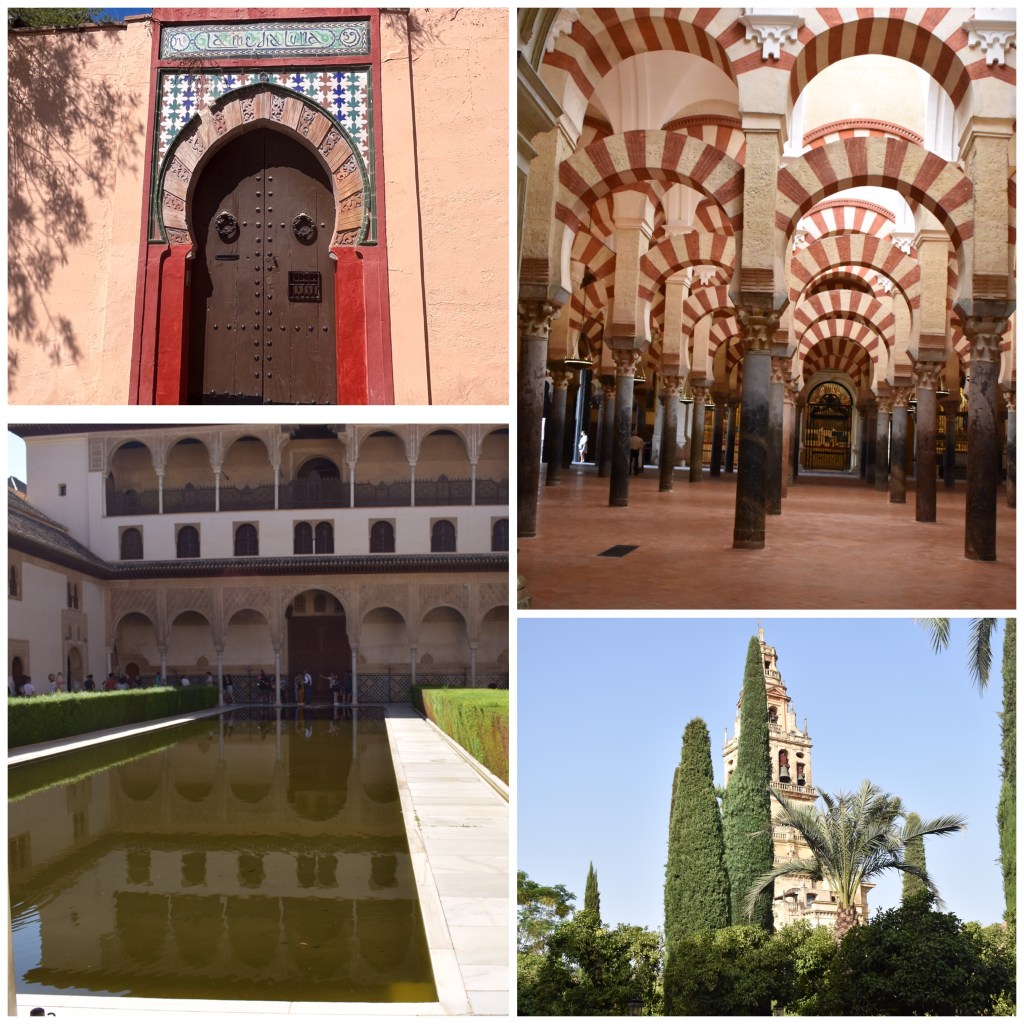
3. Moorish architecture. From the Alhambra in Granada, the Mezquita in Cordoba, the Alcazar in Seville to simple doorways in small villages, the Moorish influence infuses much of the Andulacian region. Complex, intricate designs. Gorgeous tile work. Beautiful water features. Cool garden courtyards.

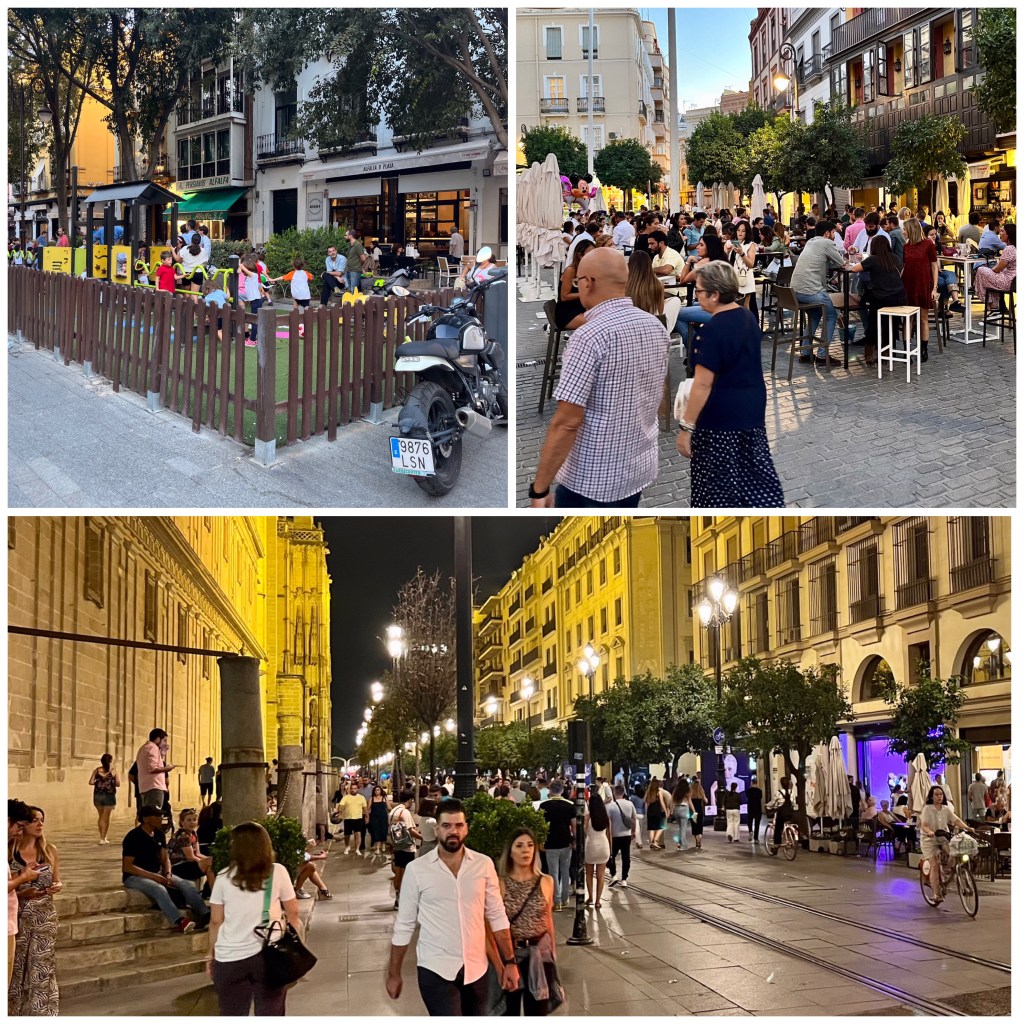
4. Living the streets! The energy, the liveliness. Sunday afternoon extended families gather in outdoor restaurants for long lunches with kids running around the table. Particularly on weekend evenings before dinner, couples, families and groups of friends just saunter down the main streets seeing and being seen. In many squares, playgrounds for the kids and, conveniently, cafes or bars for the parents.

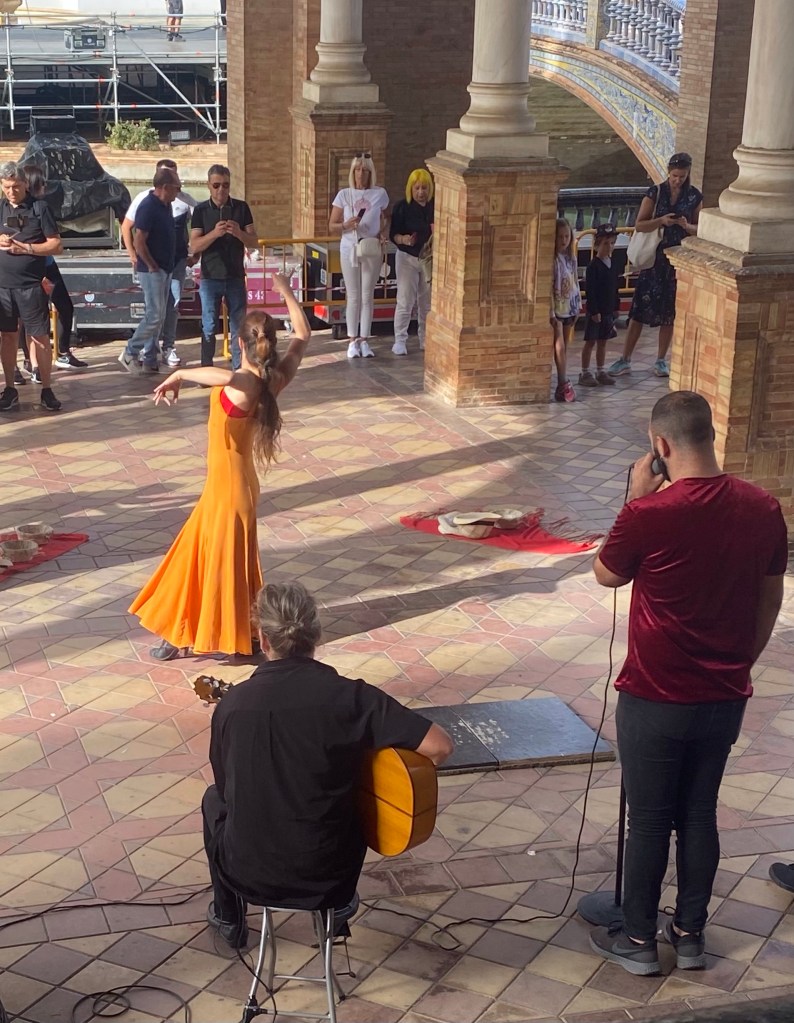
5. Flamenco! Okay we went to see a show mainly because it seemed the thing to do. We weren’t prepared to be so impressed. The guitar mastery. The singing — somewhere between the Moslem call to prayer and Portuguese fado. Then there was the dancing. We learned there are several styles reflecting Gypsy, Moorish and Jewish influences. Don’t miss it if you are in Spain!

Pictures weren’t allowed at our flamenco show but we did see this street performer.

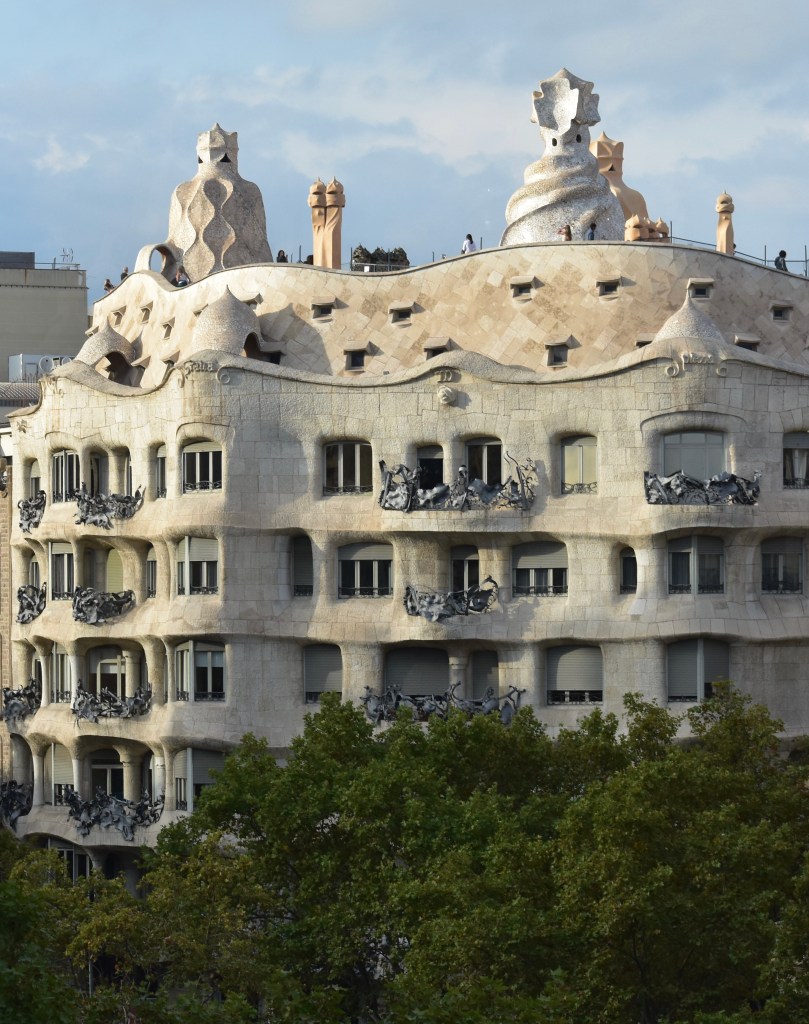
6. The Belle Époque and Art Nouveaux in Barcelona. Blocks and blocks of late nineteenth and early twentieth century homes and apartments. Several of Gaudi’s stand out among the less experimental and fanciful designs. The broad octangular intersections to create the space for horse drawn vehicles to turn around and space for some of the best architecture.

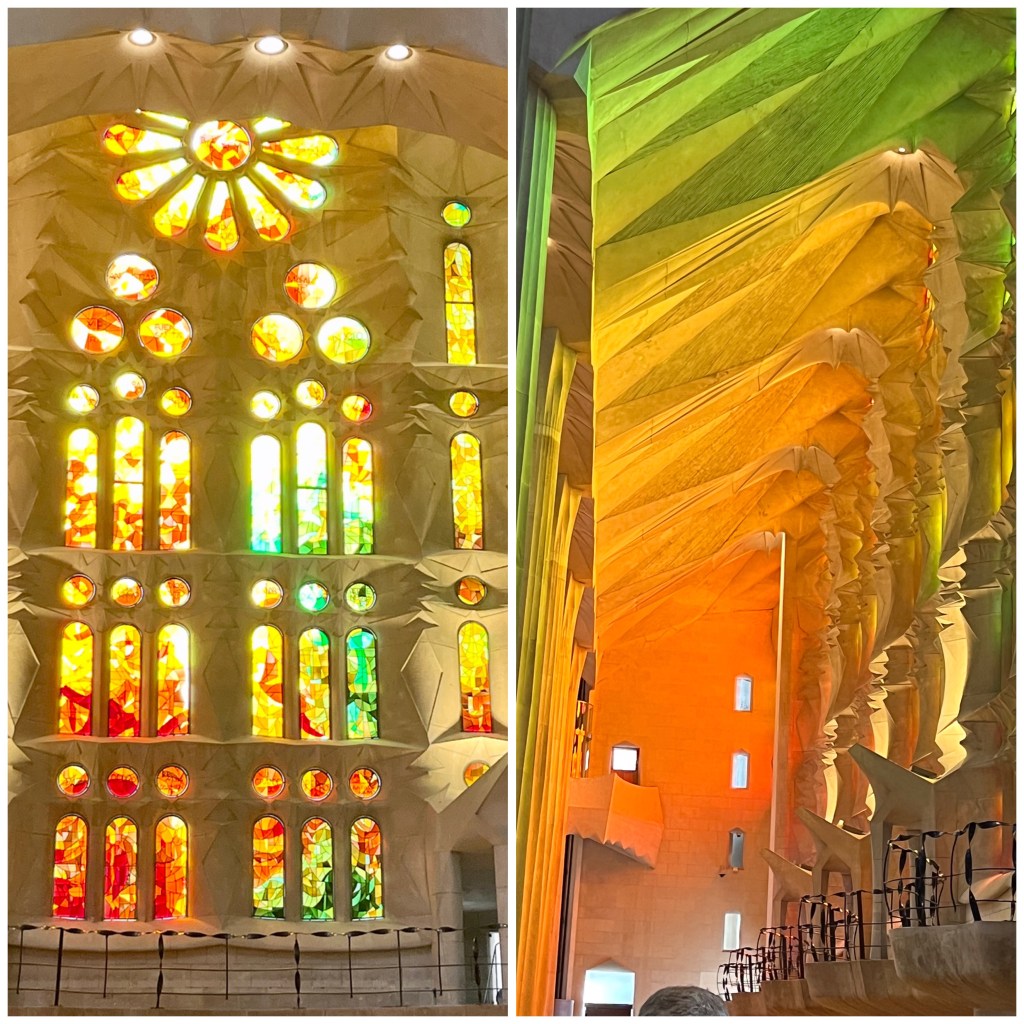
7. The stained glass window of Sagrada Família. While the entire structure is amazing, the afternoon light coming through the west windows stunned us.

The window on the left generates the light on the right. Totally dazzling.

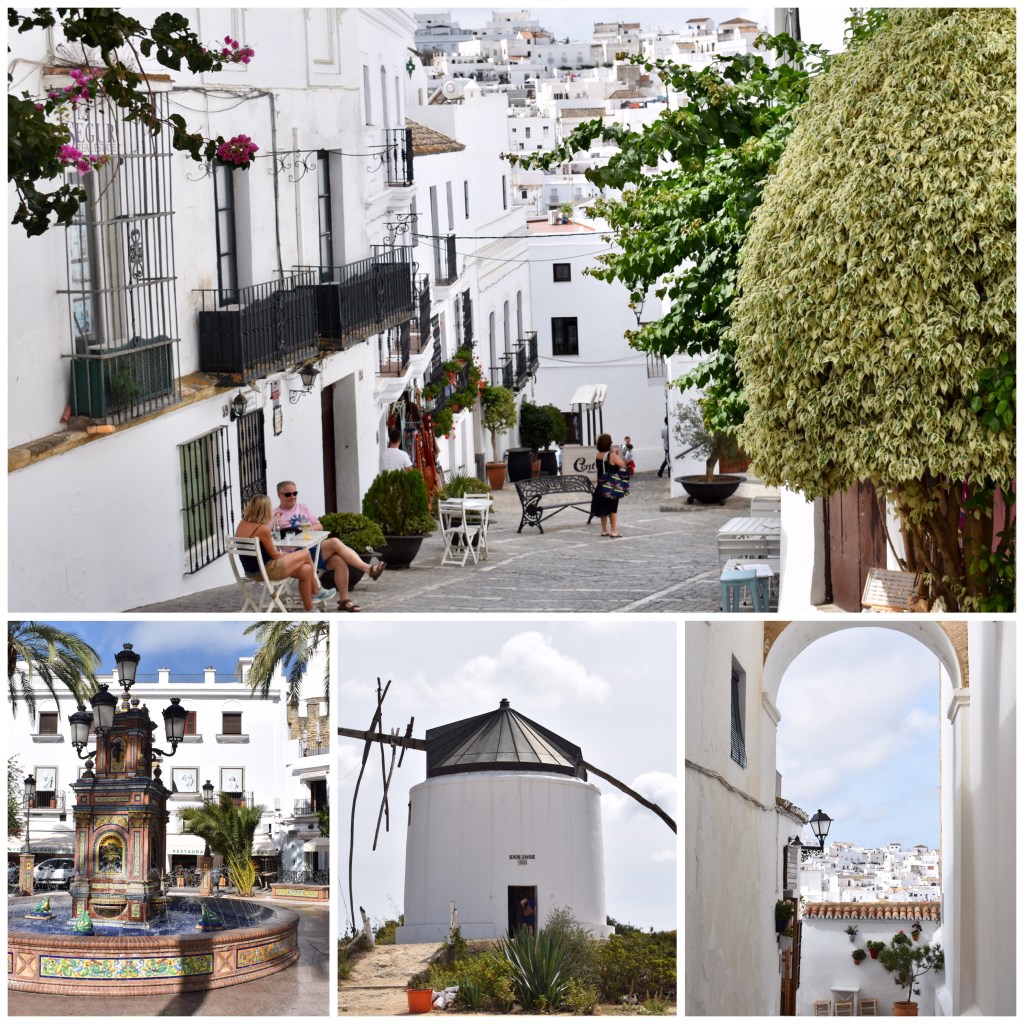
8. The white villages of Andalusia. We loved our “home” in Vejer de La Frontera. All the charm of Italian hilltop villages with the overlay of Moorish style.

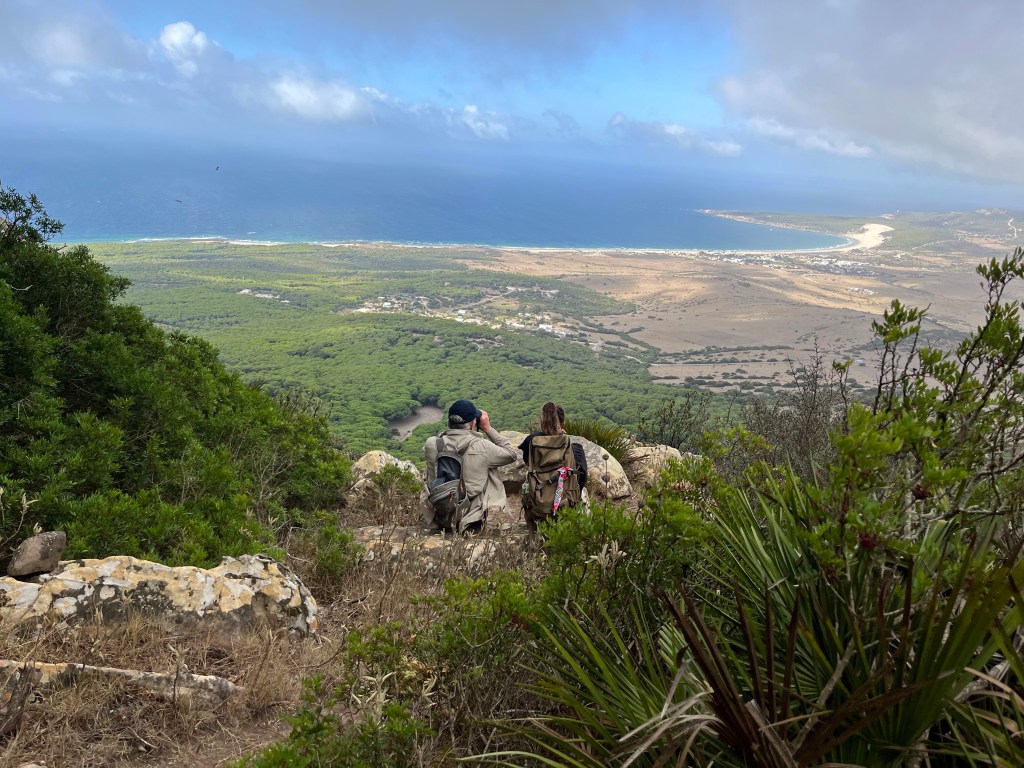
9. Hiking in El Estrecho Natural Park. A steep climb from nearly sea level to cloud forests with views to the sea and Morocco.

10. The cost. Food in restaurants is unbelievably cheap compared to the US and the rest of Europe. Meals for two with drinks rarely cost more than 30 euros. Wine—3 euros, espresso-1 euro, tapas-2-3 euros (or free with a glass of wine). Again, you can spend much more but the quality at most moderate restaurants and tapas bars is so good, why bother. Prices do climb a bit in the heavily touristed Barcelona.

Mountains, Monks and Wine

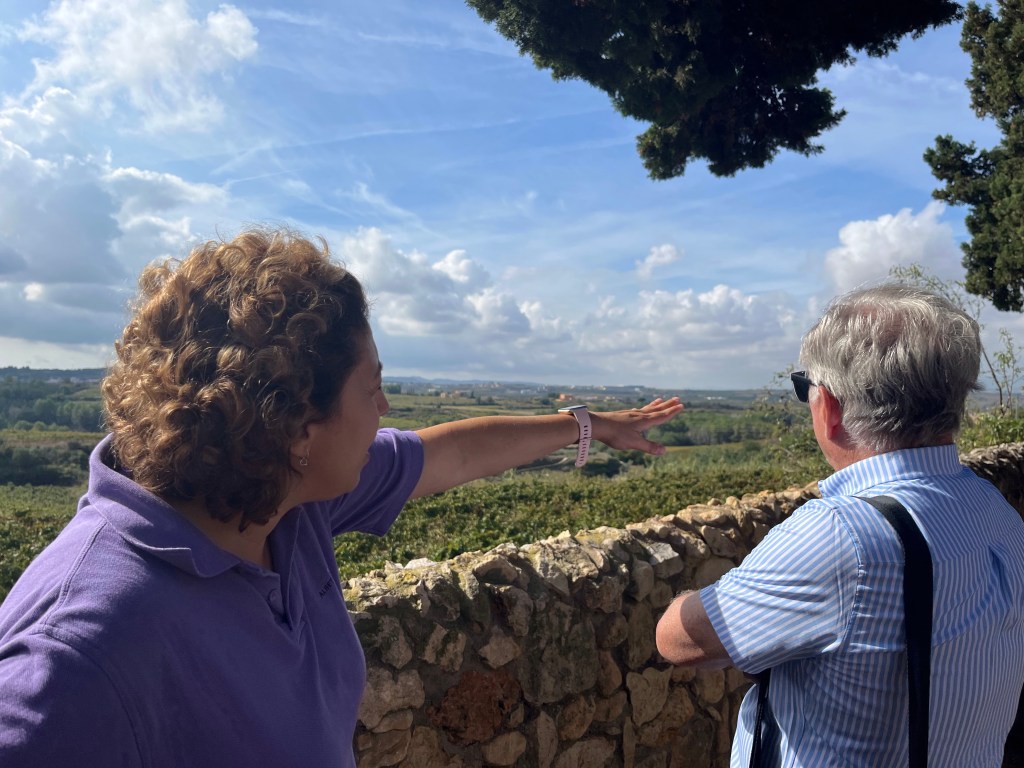
On a day trip out of Barcelona we hired a guide to take us to Monserrat and a wine tour in the Penedes wine region — partly because we wanted to see the monastery, but mostly because we wanted to see the countryside, the mountains and become a bit more familiar with Spanish wines. Once again, we lucked out with a charming, knowledgeable and well-connected guide, Emma.

The drive to the monastery was pretty straight forward, although simply getting out of Barcelona and the steep narrow road up to Monserrat convinced us we would never want to attempt this by ourselves.

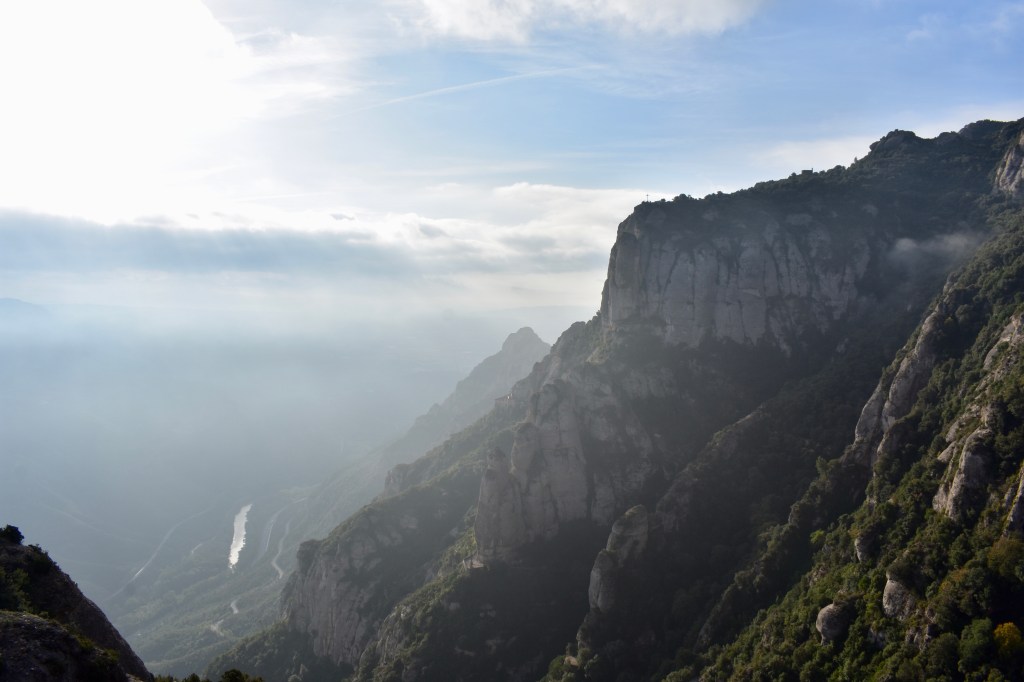
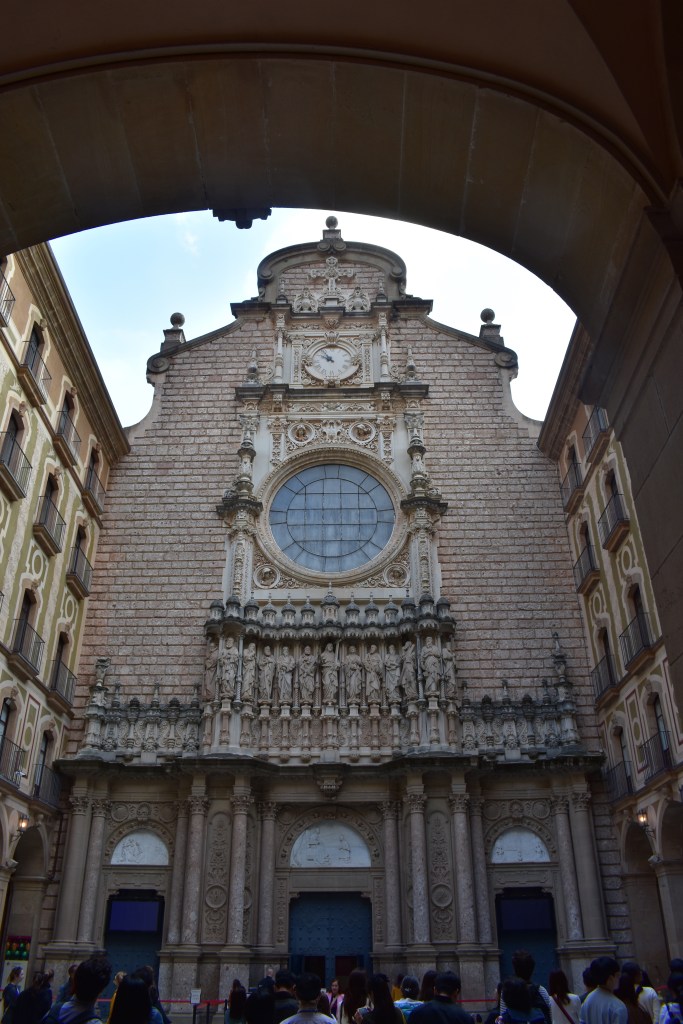
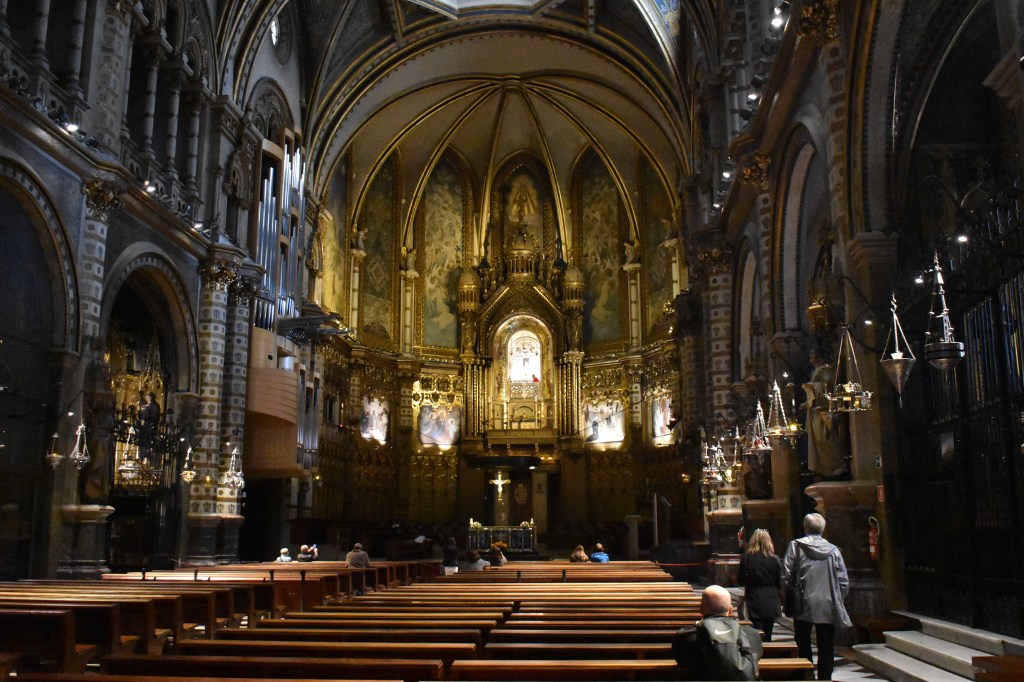
Montserrat is a working monastery and is considered one of the most sacred places in Catalonia. Destroyed by Napoleon’s forces in 1811, the rebuilt monastery doesn’t wow you as much as the views do—but amazing nonetheless. It is also famous for a world renowned boys’ choir—the boys live and study here—and for monks who still sing the haunting Gregorian chants.

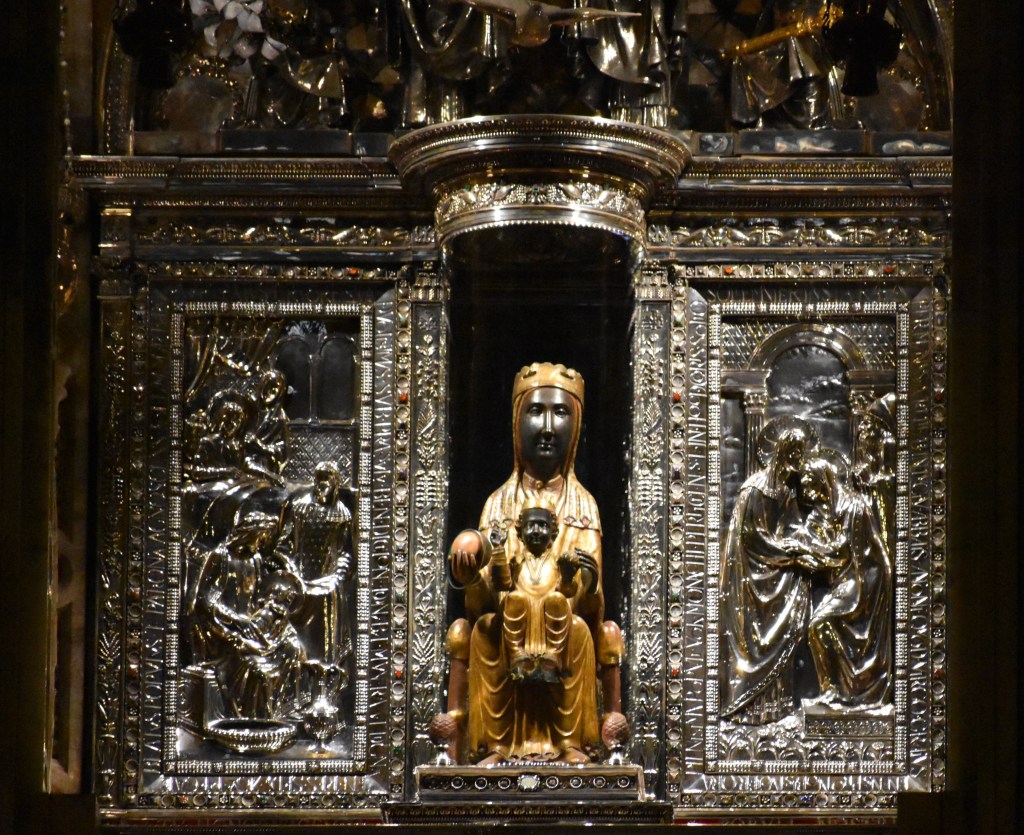
Emma hustled us into the church before mass started when they close the church (if inside, you must remain for the two hour mass). While we aren’t the least bit religious, and after seeing churches in almost every city we visited on this trip we agreed Montserrat was the best—less over the top baroque, fewer tortured Christs, and only one very important Madonna and child. The Black Virgin.

While the Black Virgin is behind glass, for an extra fee you can join the devout and touch her orb.

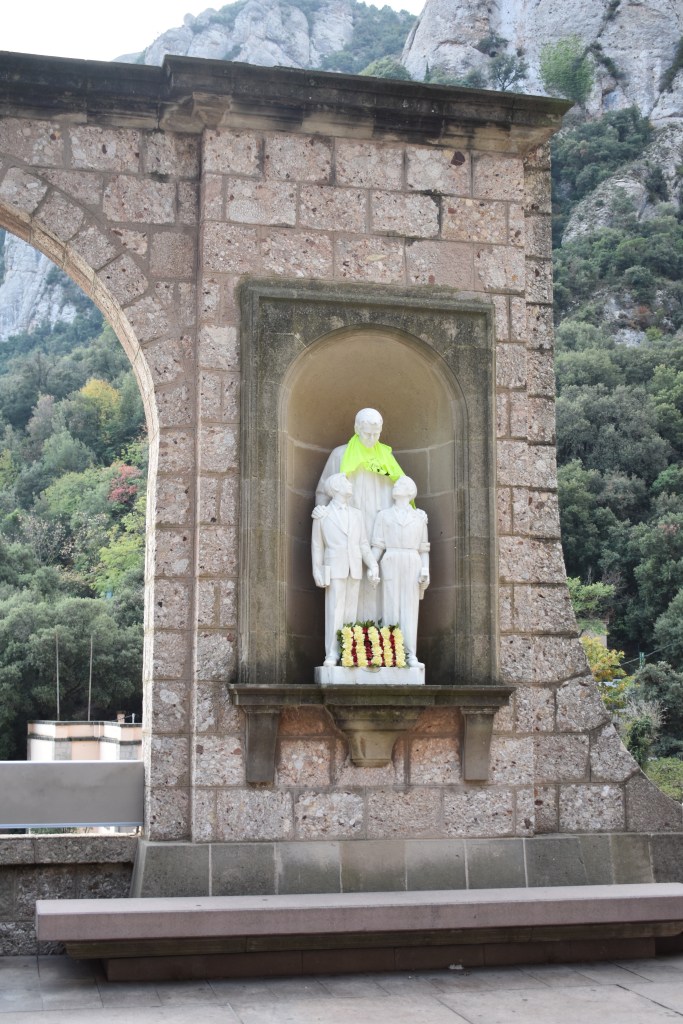
Even here we couldn’t miss the separatists tension in the Catalonia region—a little pro-independence dressing on some statuary which we were told would be promptly cleared away as soon as a monk spotted it.

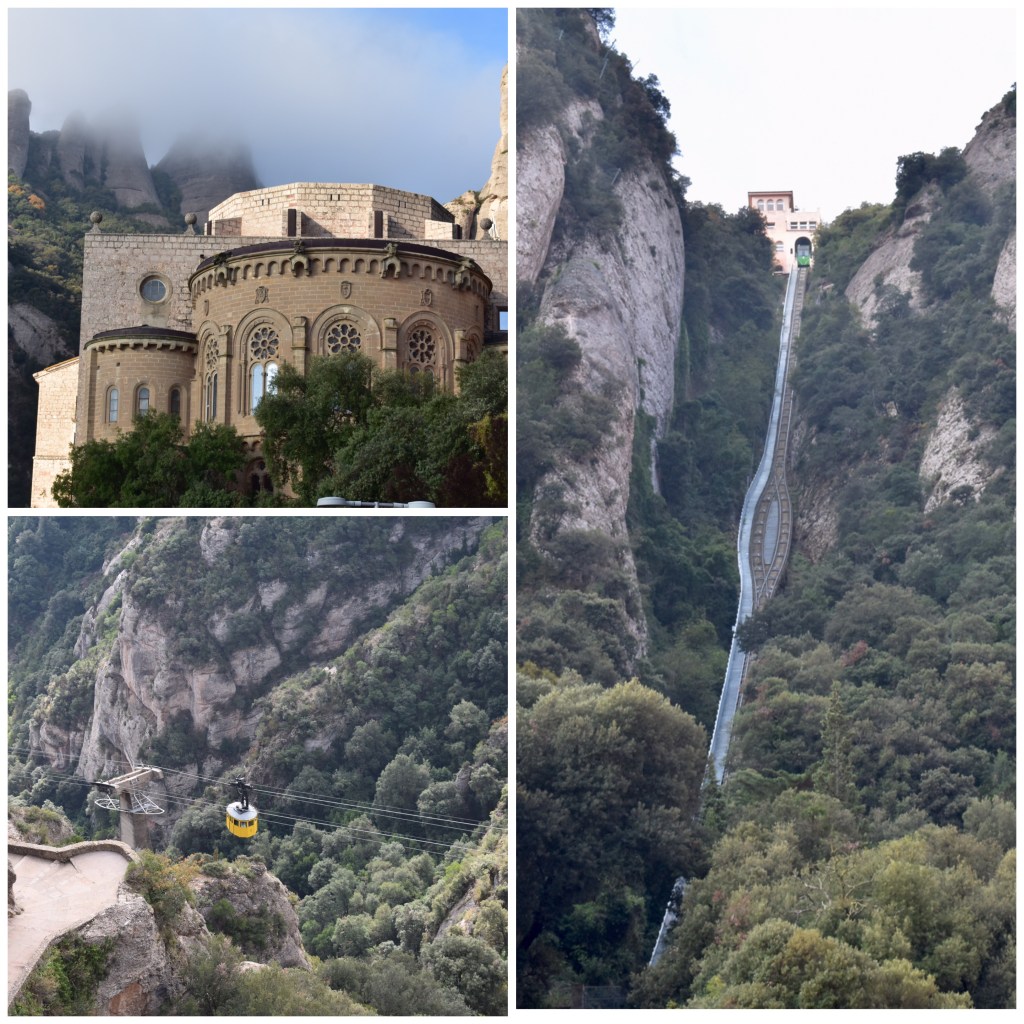
We could have ridden the gondola or taken the funicular to the top, but neither of those appealed to us and certainly wouldn’t to anyone with a fear of heights. The mountain is crisscrossed with hiking trails which had much more appeal if we had more time.

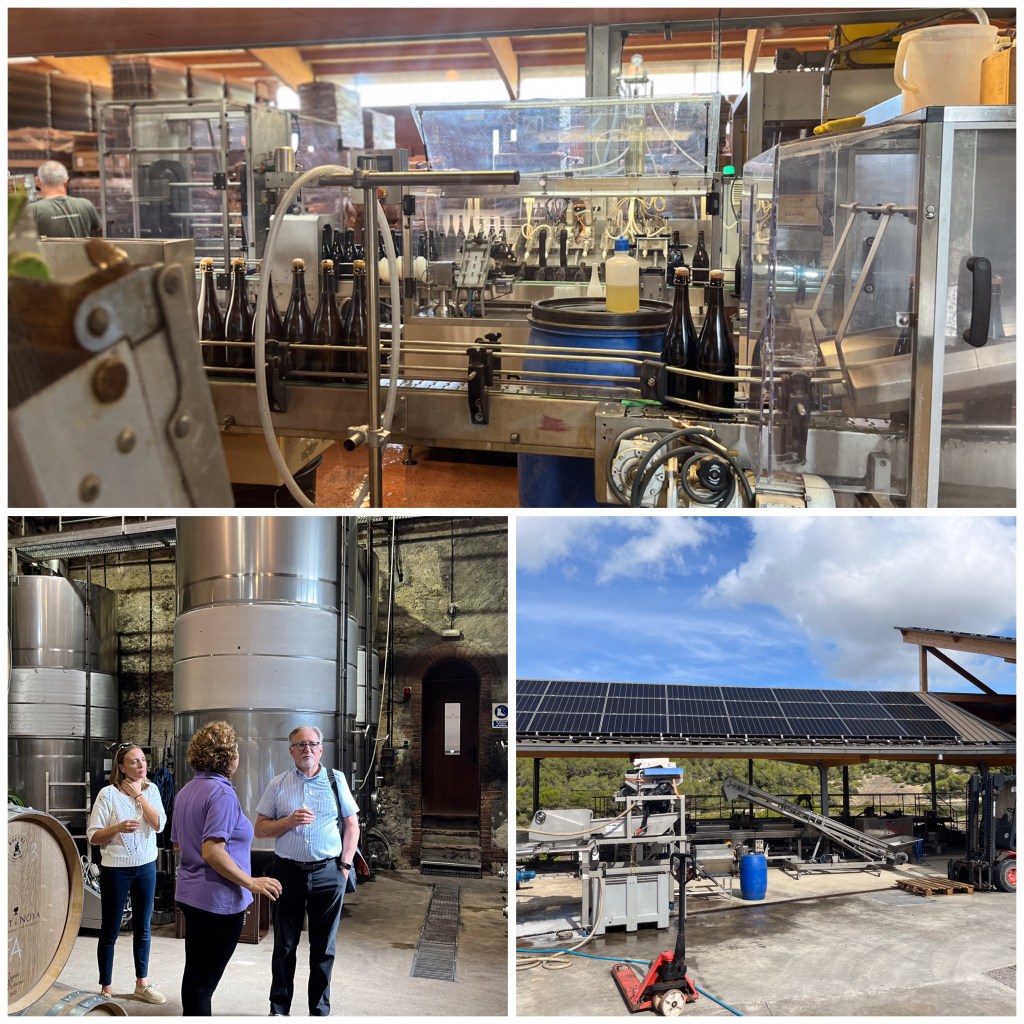
And then it was down the mountain to the Penedes wine appellation and a tour of the Albet i Noya winery. Producing about a million bottles a year, this is a totally organic production — using natural fertilizers, relying on rain for irrigation (although climate change means a drip system is being installed) and refusing to use any anti-fungal agents. If the vines get a fungus, production is simply lower. Given the variety of grapes grown, harvest is staggered so only a small crew is needed beyond the winery staff to pick the grapes by hand. It is also a pioneer in developing new varietals resistance to climate change.

We missed the harvest but did get to walk through the process, mostly powered through solar panels.

Watched the local sparkling wine bottled. Penedes is famous for its sparkling wines, cavas, but this winery doesn’t call it’s wine cava because it withdrew from the Cava Association over concerns there were too few controls on quality. Too many bad wines labeled as cava, they said. Have to say their sparkling wine was the best we had in Spain, maybe the best we have had in a long time, cava or not.

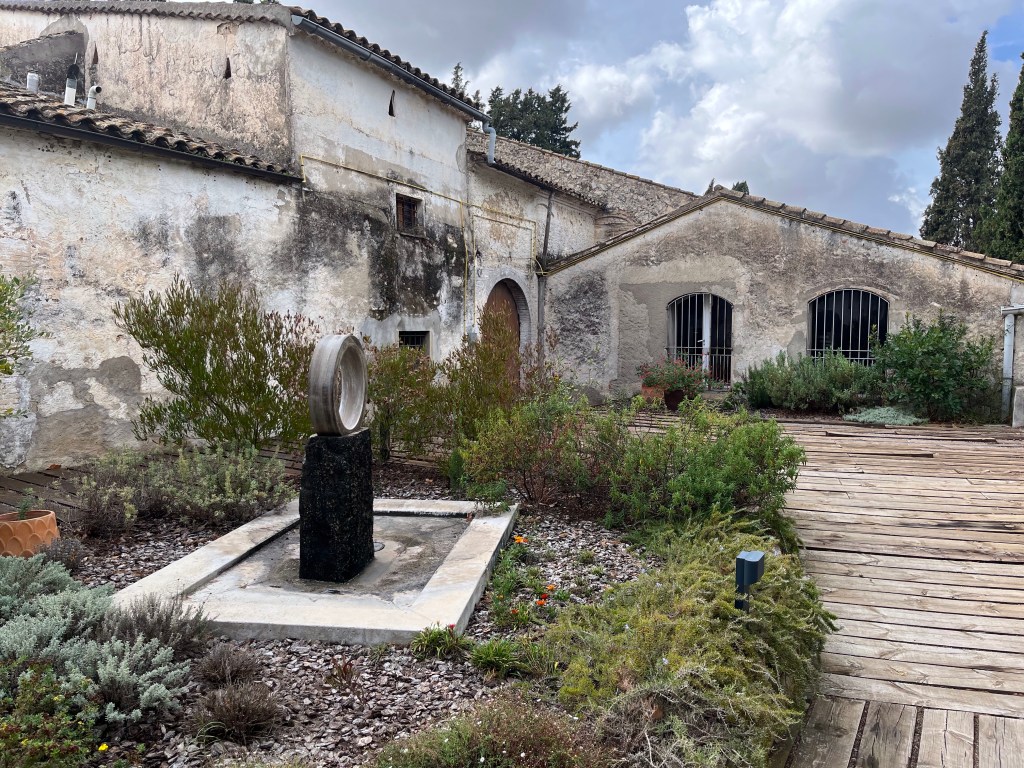
The winery was once a farm and today’s winemaker once worked on the farm before starting his winery.

Lunch began with a wine tasting of a couple white wines and then two reds. Not to get too much into the weeds of wine tasting, we were impressed. And impressed enough to go to the hassle of buying a bottle to take home to our Syrah loving friends.

We were lucky our guide knew this winery, knew the winemaker and his passionate staff! Truly one of the best days in our month long trip to Spain. We wished we had connected with her sooner http://www.donesvi.com to tap into one of her full day wine tours or her tour to her homeland, Andorra.

Barcelona Undercurrents

Barcelona is, without any question, a beautiful city. And an historic city. And that history has left wounds which are apparent today, even if they aren’t always obvious.

It was our last full day of our month long trip to Spain, October 12. Columbus Day or Indigenous People’s Day back home. In Barcelona and Spain it was the Day of Spain, a national holiday. The street in front of our hotel was closed, we were told, for a parade. (One more instance of a gap in translation — not a parade but a march). Of course we altered our plans for the day to hang around and watch the action.

A block from our hotel barricades were set up and police stood by as city workers scrubbed away graffiti on the sidewalk. Not sure what it was all about.

In Catalunya Square, the main square of Barcelona, a number of tents had been set up and music blared. The early crowd was obviously having a good time.

But we had heard that this was not a day the pro-independence Catalans celebrated. They would be staying home. A few years ago fights had broken out between factions — the pro-Spanish unity groups versus the pro-Catalonian independence groups. And there has been a controversial referendum on Catalan independence a few years ago. We don’t know the whole story for sure, but Franco’s legacy of represssing the Catalan language and speech still hurts here. One young man told us about his Catalan grandmother being exiled to France during the Franco years and Catalans being arrested for simply speaking their native language.

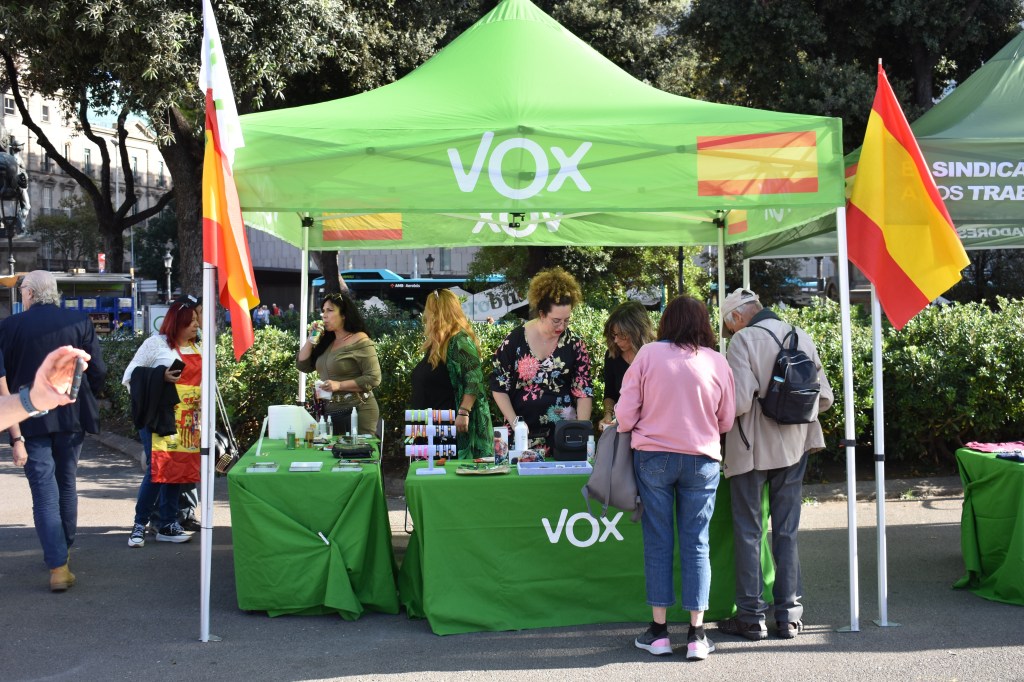
The ultra right-wing party of Spain. For more info on Vox https://www.reuters.com/article/uk-spain-election-vox-factbox-idUKKBN1XK0LQ
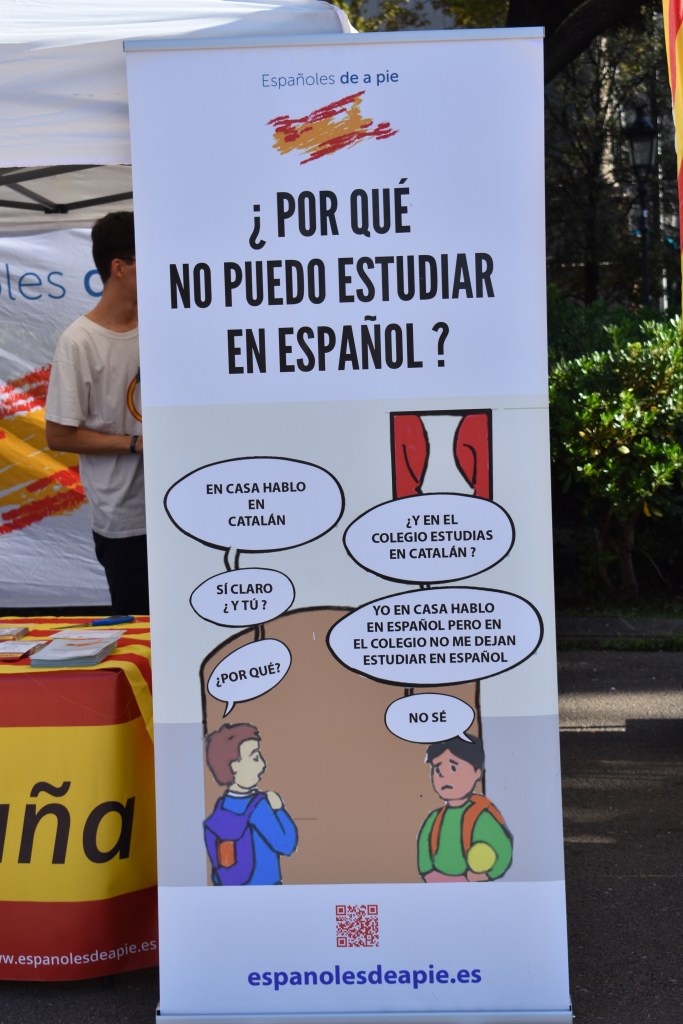
The gist of the banner, “I speak Spanish at home. Why not at college?” Apparently in an effort to preserve the Catalan language a certain percentage of college classes must be taught in the regional language. Not a surprise that this has become a political issue.
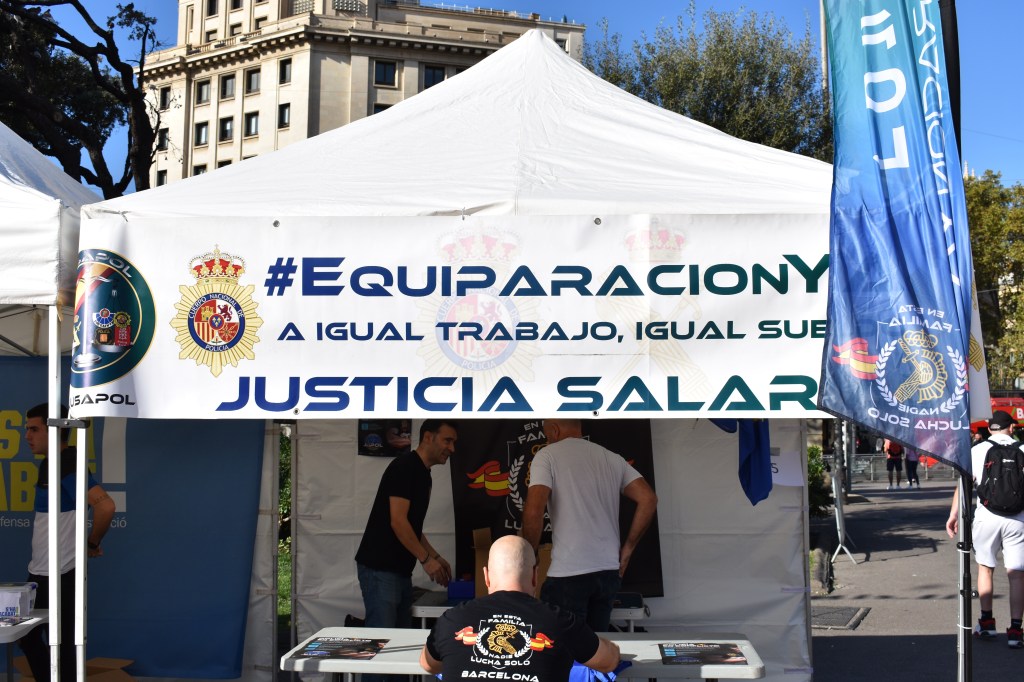
“Equal work, equal pay” with a reference to the lower wages paid in the south of Spain.

Emotions were clearly high. Complaints about Catalonia not paying enough in taxes. Signs in green — the color of the Vox right wing party — declaring no steps backwards.

Aspects of the march and rally felt like a MAGA event, but we don’t really know, except many participants carried both green Vox signs and Spanish flags. Apparently, the vote for the Catalan region to separate from Spain reflected a nearly fifty-fifty split. The issue may or may not split strictly along cultural lines.

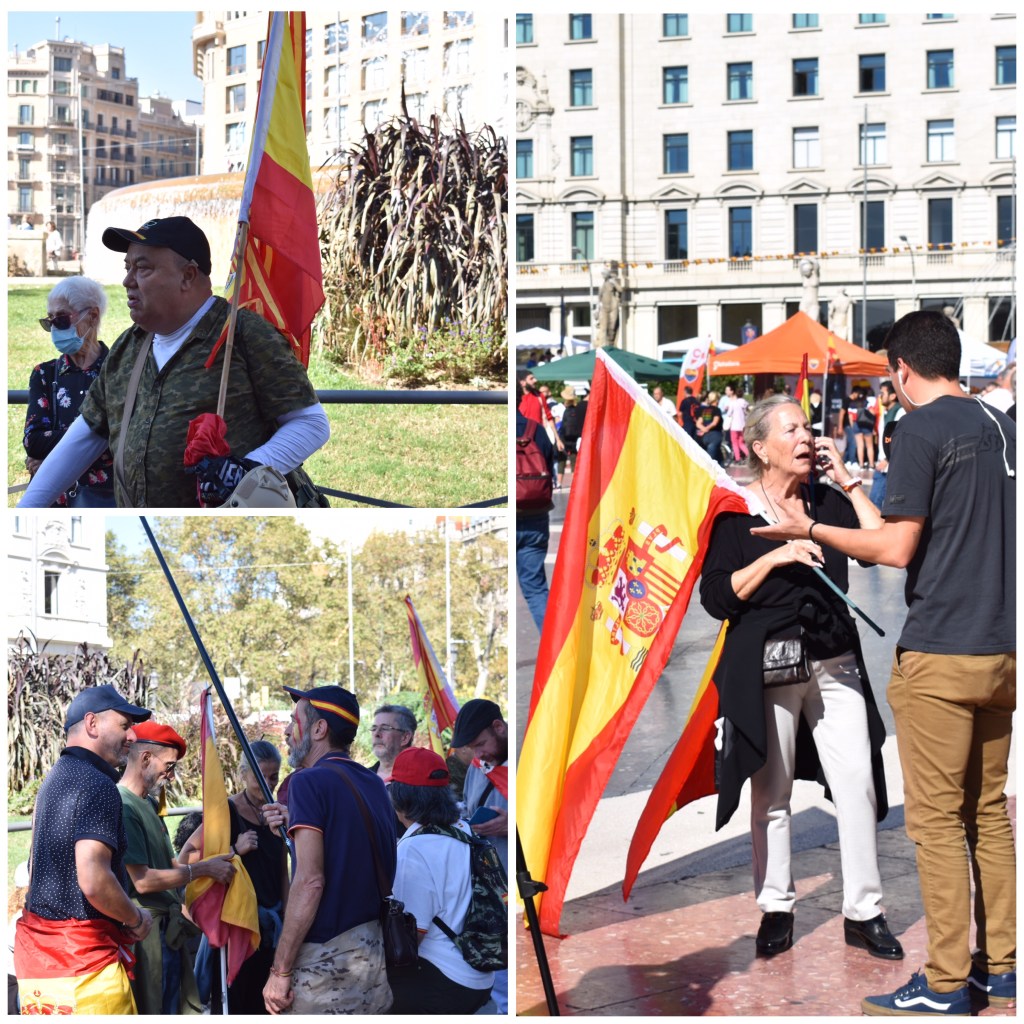
Couple of the guys all dressed up and a very animated woman being interviewed by the media

And it does remind us that behind the historical sights, the charming cafes and beautiful buildings in almost any tourist destination, there is lies a complex set of not necessarily resolved issues.

As we walked the neighborhoods in the five days we were Barcelona, we kept noticing flags hanging from the windows—flags that supported the creation of an independent Catalonia. Despite the flashy pro Spain events of today, we know that a strong undercurrent for independence still exists.

Somehow we do have a knack for finding political demonstrations. And we do find them fascinating, often more so than the tourist sights. What does that say about us?

Seville Part 2; wrapping it up

We spent nine days in Seville — longer than your typical American vacation would allow most to do. But we’re retired. We have the time. And we like settling into a place for a while. Seville was a good option for us.

We did the major sights with guides the first two days we were here. After that we just explored the neighborhoods, took a day trip to Cordoba and another to the Doñana National Park.

First Cordoba. We were wowed by the Mezquita. The contrast between the Moorish elements and the 16th century church was stark. The openness and space of the mosque. The iron gates and small chapels of the church. Not knowing much about either religious tradition, we weren’t sure what to make of the differences, but certainly felt the Moorish design was more comfortable and less intimidating.

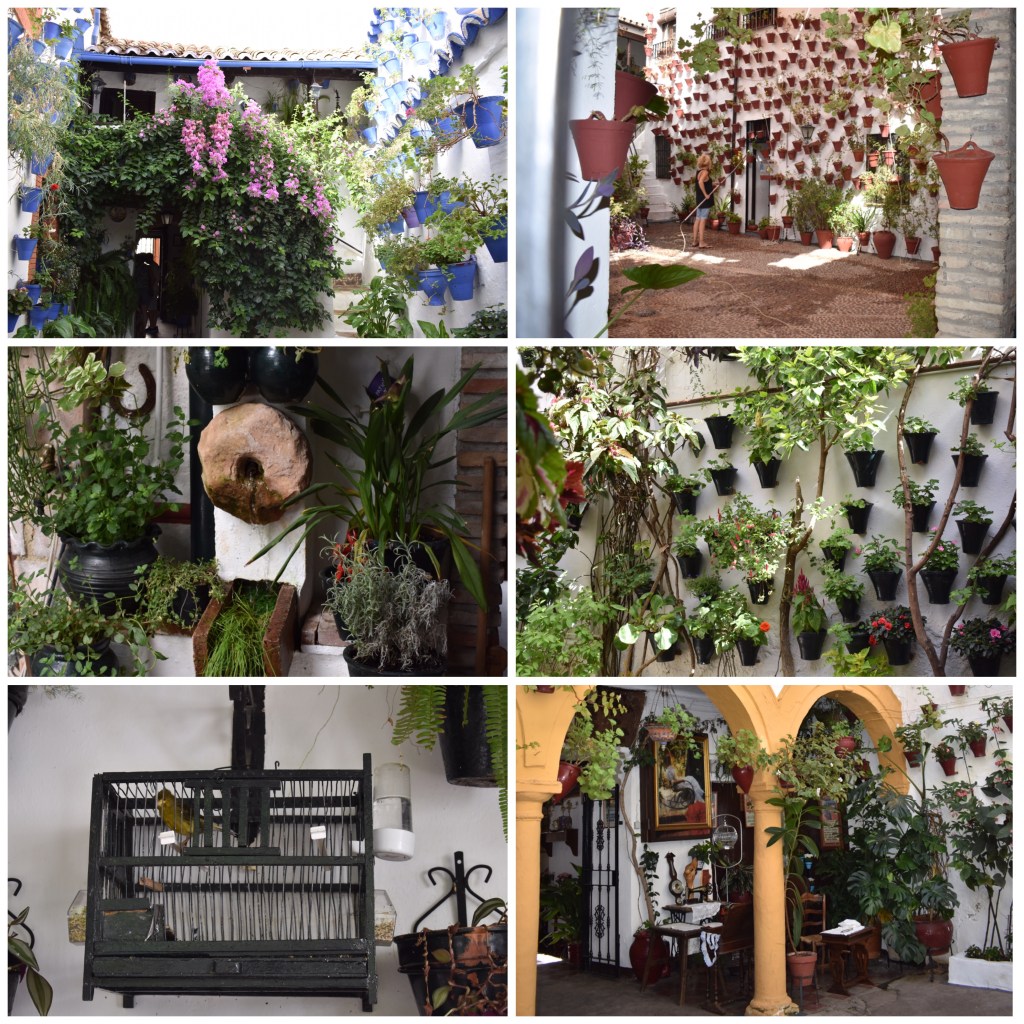
A not-to-be-missed sight for us was the patio garden tour. Every May Cordoba holds a contest to determine the best patio. Some patios are private and others are shared by several homes. A group of the perpetual winners in the annual contest have put aside their competitive spirit and come together to create a walking tour — for a small fee. Each garden had similar components — lots of plants in pots hanging on the walls of the patio, a bird or two chirping away in a cage and water. The patios are small oasis’s for escaping the heat (even in early October it was 90°). Bougainvillea. New Guinea impatients. Azaleas. Impressive.

We also visited the small synagogue, built in 1314, and used for over a hundred years until the Jews were expelled from Spain. And this is one of just two or three synagogues remaining in Spain. Before the Inquisition, Spain had a flourishing Jewish community. We visited on Yom Kippur and came away reminded of how fragile tolerance can be.

The trip to Doñana National Park was like a trip to an entirely different world. The town on the edge of the park, El Rocio, is a white washed but largely modern town for the horsey crowd. We were told by our guide that all of the new townhouse style homes come with stables! And that at the height of the season the sleepy town swells to thousands. Hardly a person in sight and just a couple horses the day we were there.

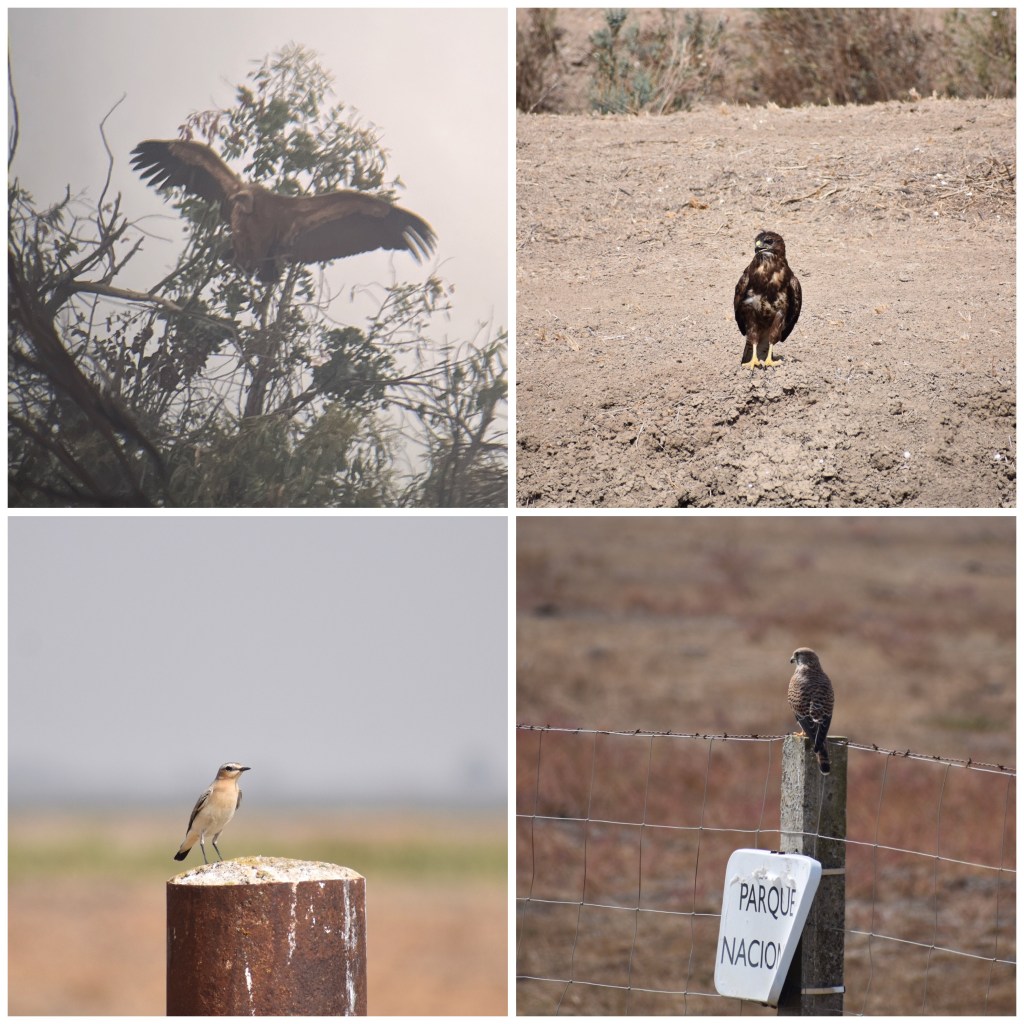
We spent the day in a four wheeled drive Jeep, driving over what looked to be dried river beds, although our guide said not so. However, much of the area is under water after the winter rains. But the only water we saw was in irrigation canals. There are three main attractions to see in the park. We saw two of them — what our guide called the queen of the park, the Imperial Eagle. We dubbed the Griffon Vulture the crown Prince. The king, the Iberian Lynx, remained elusive. We didn’t complain; we added over a dozen birds to our life list.

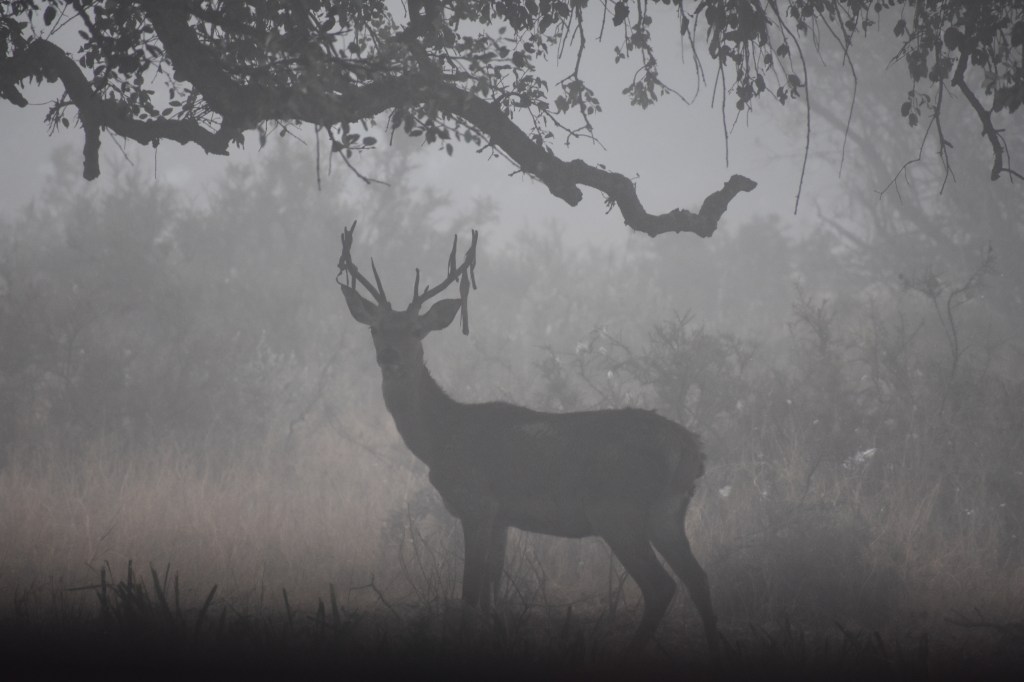
And we saw plenty of the Red Deer, some of the bucks with huge sets of antlers.

Red deer through the morning mist

Back in Seville we wrapped up our visit soaking up the ambiance and checking off a couple more sights.

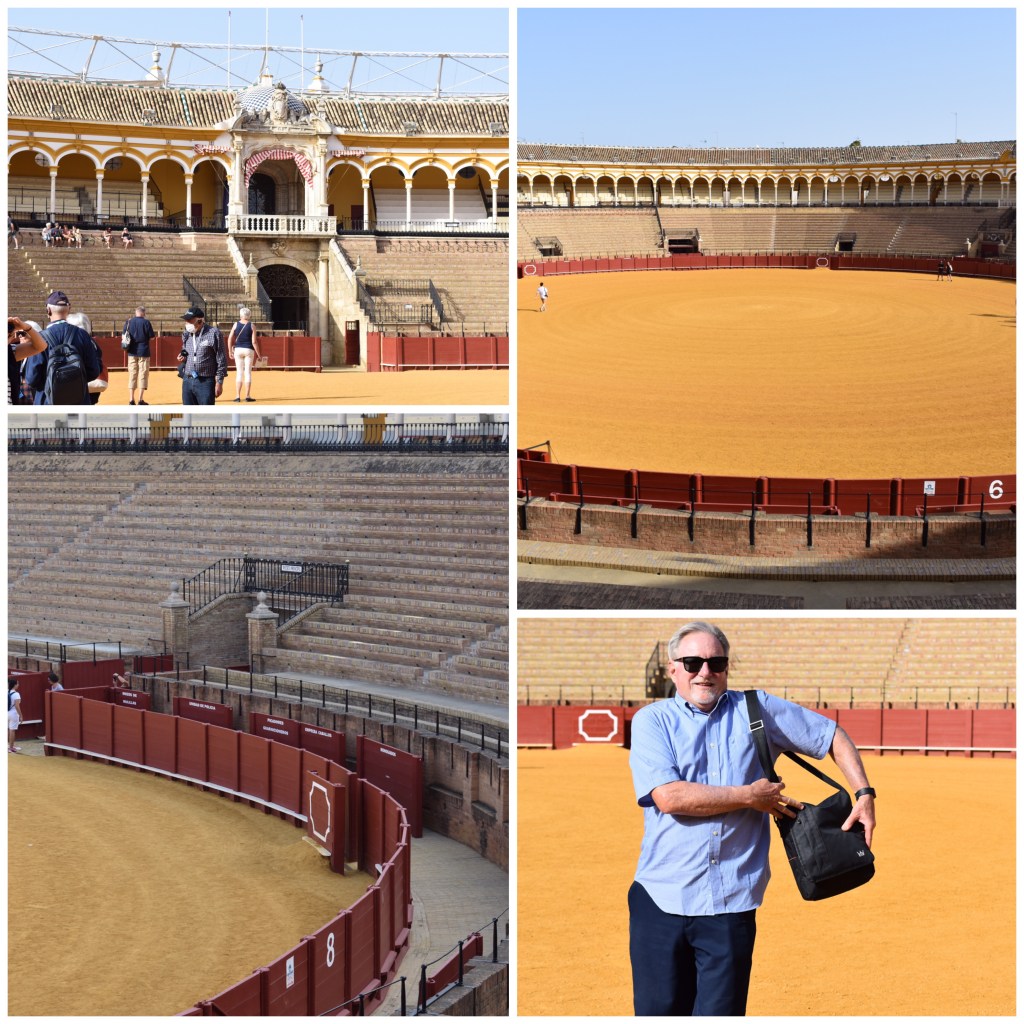
Old pictures of the Seville Bull Arena show the ring hasn’t changed much over the years. It’s hard to imagine today’s audience sitting on the brick benches, but apparently they do. The section for the press seemed too close to the action, but then I thought about the photographers who stand alongside the field in football games and occasionally get hit. Of course, like all the other tourists Peter had to pretend he was a bull fighter.

The Archivo General de Indias (Archives of the Indies) was a gorgeous Renaissance building. We tried to translate the descriptions of the items in class cases with limited success — treaty between Spain and Portugal dividing up the new world, contract between Columbus and Spanish monarchs, reports from the colonies. Interesting even if we were looking at copies of the originals.

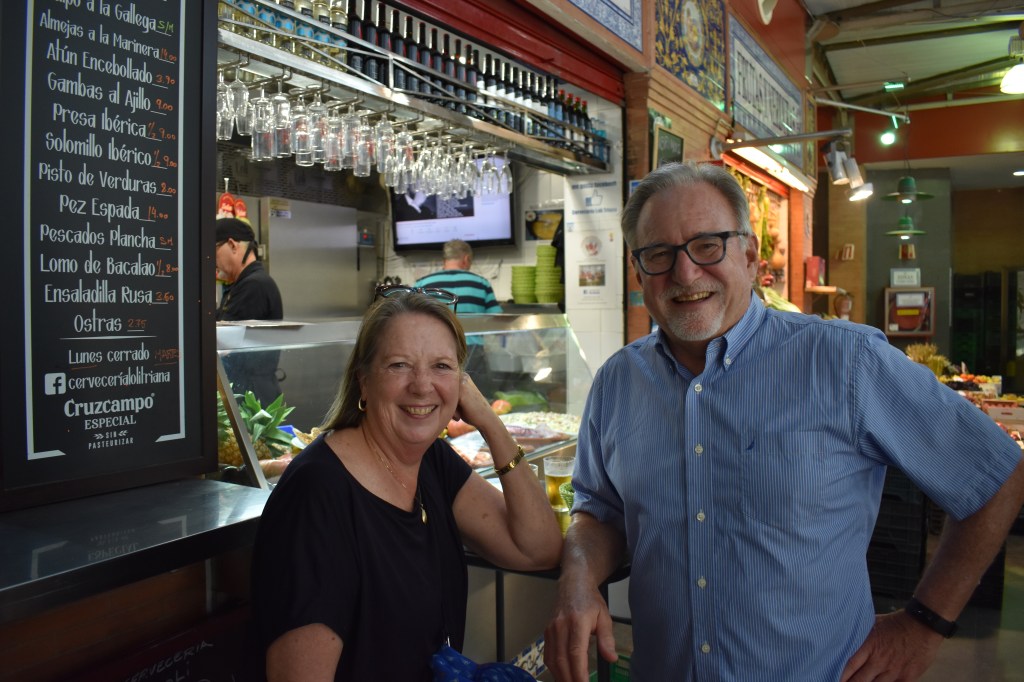
Of course, then there was our pursuit of food. We had toured the Triana Market with our guide on our second day in Seville. An excellent place to buy fish of all sorts, some meat stalls and a lot of small establishments offering tapas. A great place for a snack. We tried to tour the Mercado de Arenal, only to discover it was a victim of the pandemic. Only a few places remain open — a bike rental shop, a small vegetable stand and maybe one or two others. Sad.

We had originally intended to do quite a bit of our own cooking while in Seville. However that didn’t happen. The two of us could eat dinner in a casual tapas bar with a couple glasses of wine and three or four tapas for a quarter the cost for dinner back home. Maybe less. So why cook? Plus, the markets with fresh fruit, vegetables, meats and local delicacies just weren’t around the tempt us. The mini-markets in the old part of the city where we stayed did provide the basics — so-so bread, cheese, juice and such for breakfast. Shopping there we did cook a light dinner of sausage and vegetables on pasta one night after too big a lunch. That was about the extent of our cooking.

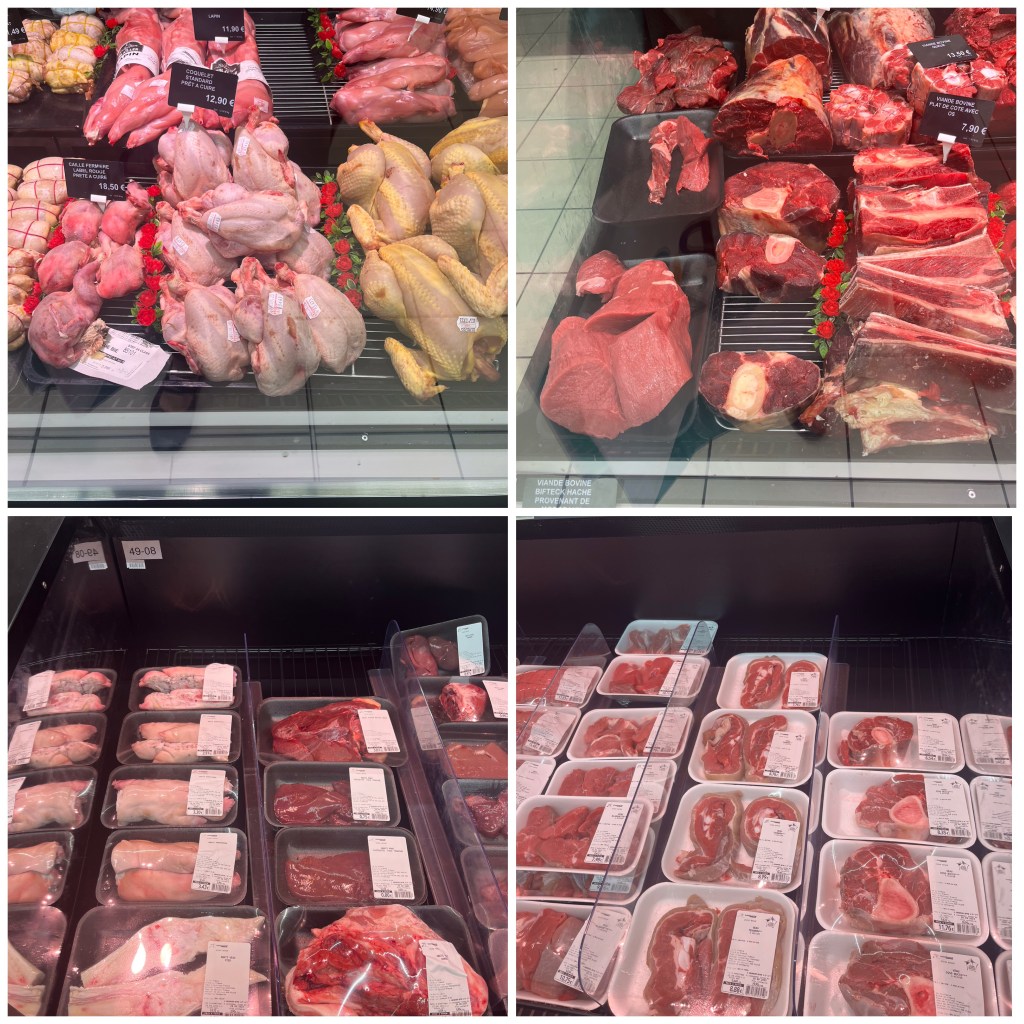
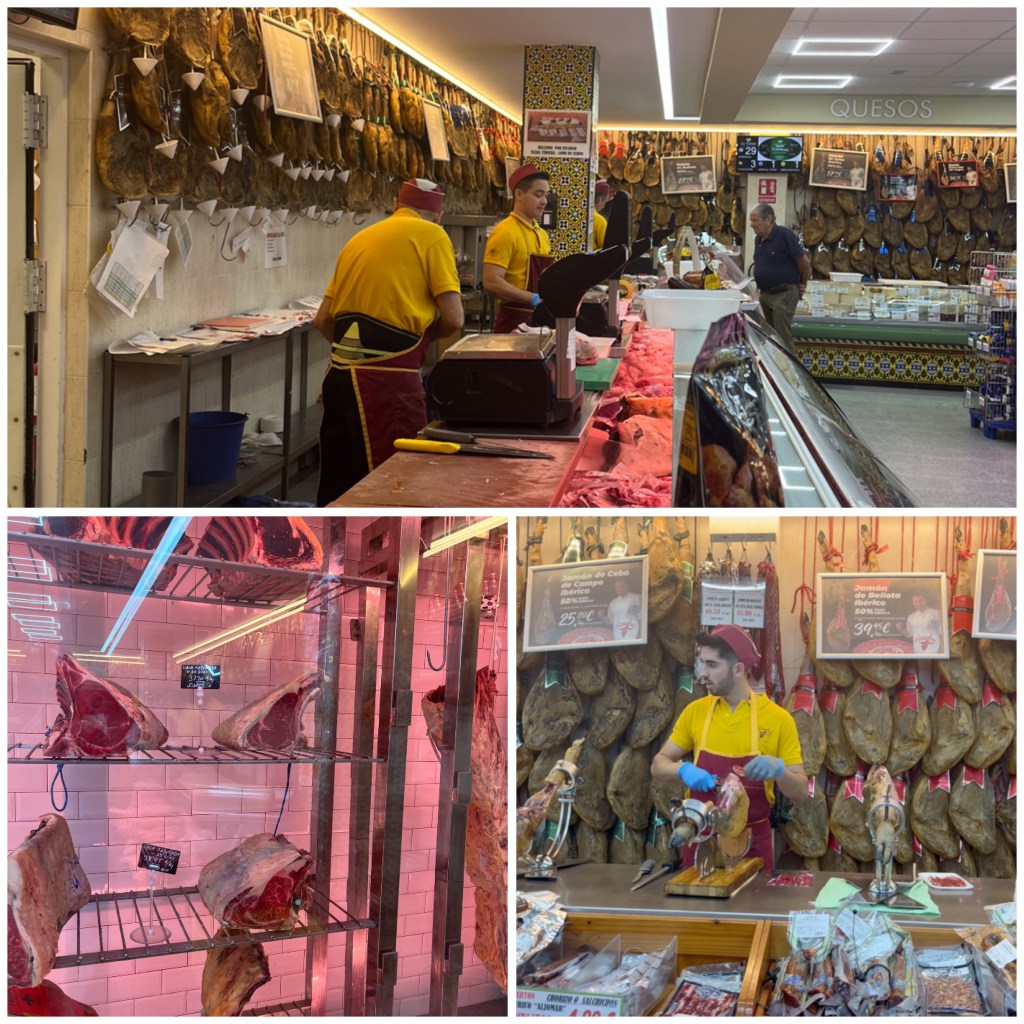
Then on our next to last day when we found a mega-charcuterie store in Triana. A huge number of jamons hanging behind the meat counter. Butcher hacking up whole chickens. A huge selection of different cuts of pork that we don’t see at home. A glass case of aged veal and beef. A case full of Spanish cheeses.

We finally found where locals shop — probably a quarter mile from the nearest tourist attraction. We drooled and quickly went to the Triana Market for lunch.

Seville was our last stop in Andalusia. We have heard that our next destination, Barcelona, is quite different. We shall see. For now, we have been charmed by this corner of Spain.

Think Small

We’ve done an awful lot of traveling over the years. Big cities like Rome, Tokyo, London, Moscow are great. Even the smaller cities or big towns — Avignon, Granada, Prague — are amazing. The cathedrals, the town halls, the castles, the museums! But we’ve come to the realization that our fondest memories often come from the small towns and villages where we’ve been lucky enough to spend some real time — from a week to a full month — Gradil in Portugal, Motovun in Istria, Buoux and San Siffert in France, Potrero in Costa Rica, Kinvarra in Ireland and now Vejer de la Frontera in Spain. Again and again our memories (and our stories) come from those small corners of the world.

Clockwise from top left Kinvarra, St. Siffert, Cevalu, near MonteVerde

These are towns most people have never heard of. Some are big small towns like Vejer and Motovun, but others like Buoux and San Siffert are dots on the map with maybe one restaurant or cafe and virtually nothing else.

While small, we have chosen these locations with care. We look for a place offering multiple day trips and sights within an hour or so drive. We look for villages big enough to have a coffee shop, a restaurant or two and a market. And we look for charm — some historical buildings, often on a hilltop with views and a place a bit off the beaten tourist trail.

What makes these small towns more attractive to us? Being able to return to a home base where you get to know the locals feels almost homey. It gives us, however superficial and temporary, a sense of belonging to speak to the same neighbors each day, drink espresso at the same cafe. It also encourages us to slow down, focus more on being somewhere rather than dashing off to catch all the must see sights in a famous city.

Of course, this comes with a few caveats. For the most part, you need a rental car. Most of these small towns are not easily reached. And you need the luxury of time. If you are in a country for a short stay, you will want to see the major sights before venturing off the beaten path. Fewer locals will speak English. And in most of these towns, good mobility is essential —lots of walking, often on cobblestones with steep hills. No taxis.

That said, we were lucky enough to find Vejer de La Frontera — one of the best examples of a great small home base in southern Spain. From there we could drive in 15-30 minutes to a number of different beaches for walking and swimming. Want to try wind or kite surfing or just plain old-fashioned surfing?

Not exactly our thing, but another option. Gibraltar was 90 minutes away, Cádiz 40 minutes. Roman archeological ruins, the other more famous white villages and Jerez, the Sherry capital, all within easy drives. From our home base we could hike from the village or drive in under an hour to more challenging hikes. Enough to keep us busy for a week.

Then there was the town itself. Just wow! Approaching from the east, the white buildings in the distance just spilled down the very steep hill. Once we arrived in the town, we realize there were two hills – one ancient and one modern, but in both all the buildings were white. Definitely a Pueblo Blanco. The only exceptions were the beige sandstone church in Castle perched high above the old town town itself. And despite all its picturesque qualities, it was a real — complete with laundry hanging from clothes lines.

View of the old town and church from our “home” in Vejer de La Frontera

In the valley between the two, there was a community of white washed buildings two and three stories high built 100 years ago. That’s where we stayed. Our place was one of several sharing a small courtyard. Our neighbor, José, greeted us as we came and went and locked the courtyard gate promptly at 9:00pm. He spoke such a colloquial version of Spanish we could barely understand him, but through pantomime and speaking louder he managed to explain how to manage the gate.

At the street level in both parts of town there were often shops and restaurants and on the upper floors apartments and homes which meant there were a lot of locals. It is a tourist town, but mainly Spanish with a handful of Brits, Germans and French. Amazingly, we never heard an American accent in the week we were there.

From the old town in Verja de La Frontera looking towards new town

The streets are narrow and steep but nevertheless, cars, taxis, scooters, motorcycles come through at terrifying speeds, often plastering pedestrians against the stone houses. In August they run bulls through the same streets. We wondered which was more dangerous – cars or bulls. But we soon found the best pedestrian friendly routes through the town.

And from our foodie perspective, the town was heaven. There were plenty of restaurants, a number of big grocery stores, wine bars, cervecerias, pastry shops, cafes and a food market (a smaller version of the San Miguel market in Madrid) offering tapas from the vendors selling fresh seafood or charcuterie.

Seafood tapas at market

On the advice of two British ex-pats we found several amazing restaurants — El Jardin del Califa a standout for ambiance and food and El Quixote for its food and friendly staff. El Jardin del Califa sprawls on the side of a hill over multiple levels. Inside is a warren of passageways stairs and very narrow low doorways – sort of a reflection of the town. The main dining area is a lovely courtyard patio, the cocktail lounge has a beautiful rooftop terrace with breathtaking views. And the food – Morrocan! Tangines, couscous, dates and olives. El Quixote — wonderful fusion food and no ambiance, but lots of locals. Basically Spanish dishes with some very Asian accents — scallops with a kimchi cream sauce browned with a culinary blowtorch at the table, a stir fry of Iberian pork and vegetables served on Asian noodles. All delicious.

Night view from terrace at El Jardin del Califa

Not all small towns are food havens like Vejer de La Frontera, of course. But most will have some very good regional cuisine or specialties. We still dream about the fois gras in St Siffert, goat cheese in Apt, truffles in Motovun and oysters in Kinvarra.

Yes, we will continue to travel to the great cities and towns for their history, culture, vibrant energy, and gastronomy. But there will always be a place in our travels to think small.