We first saw scarlet macaws seven years ago on the Oso Peninsula in Costa Rica sitting in wild almond trees beside a lagoon. Last year when we were staying near Manuel Antonio Park, we spent a lot of time watching these magnificent tropical birds fly by our balcony.
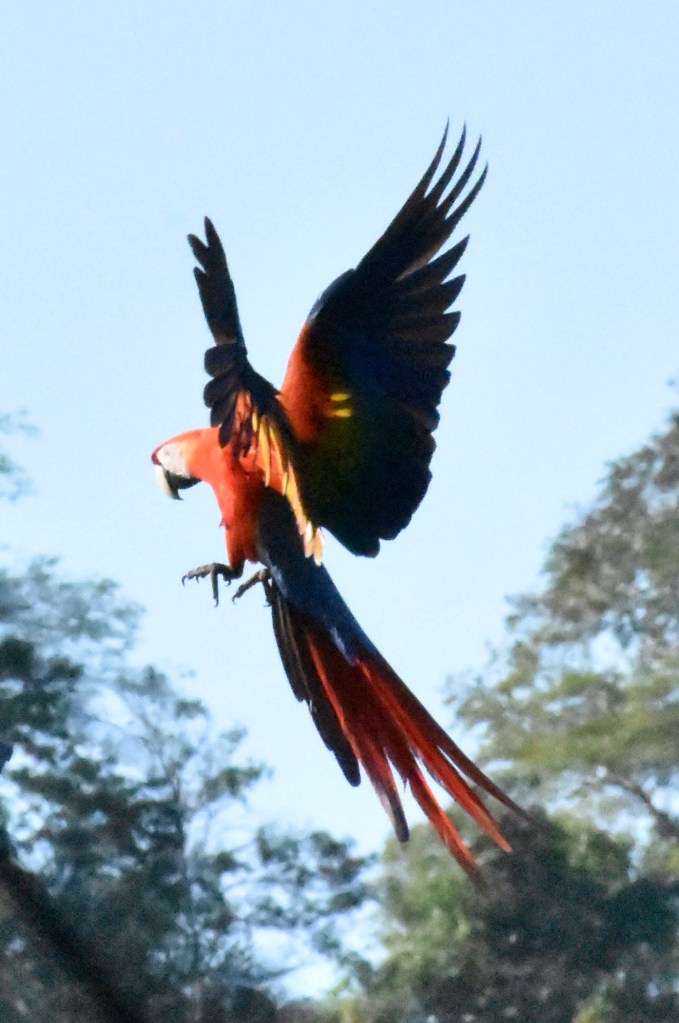
This year a went a bit further north to the Macaw Recovery Network south of Sámara at Islita on the Nicoya Peninsula. And what a show—up close and personal with the birds.
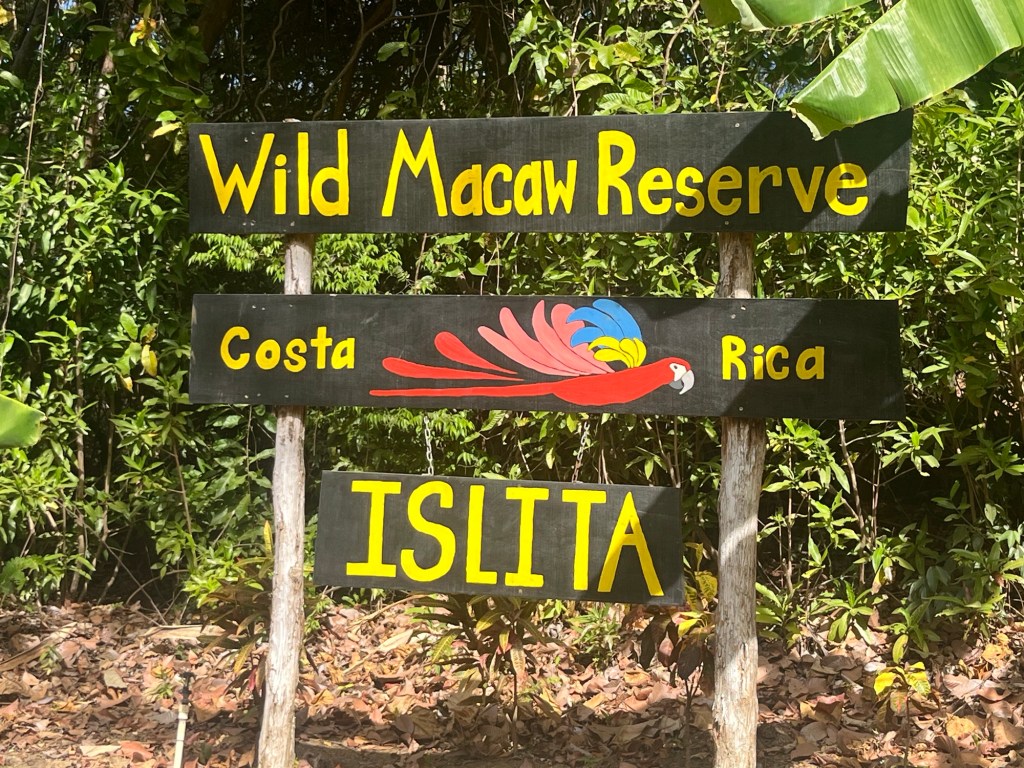
The reserve offers tours but only takes a limited number of people, 12-15, twice a day, early mornings or late afternoons. Reservations are required (but easy to do and pay for online). We opted for the early morning session which meant up in time to see the sunrise and a 45 minute drive to make the 7:30 feeding.
It was a bit of a harrowing drive — much of it a roller coaster of rather heavily traveled dirt roads. Can’t imagine how anyone can find the place without GPS — we had three devises tracking the way using both Google maps and Waze which, for once, agreed with each other. We still took a wrong turn. (Over and over again we were encouraged by locals to use Waze— old Google habits die hard.)
A modest open air structure served as reception area, a gift shop, and auditorium for the video. Several scarlet macaws posed for us around the edges of the building, waiting to be fed. Apparently, after being being trained how to survive in the wild and released, some birds stay near the reserve for a year or two until they are comfortable fending for themselves. After snapping a few pictures, we settled into the back row, more interested in spending time watching the birds than a video. Nonetheless, we were impressed.
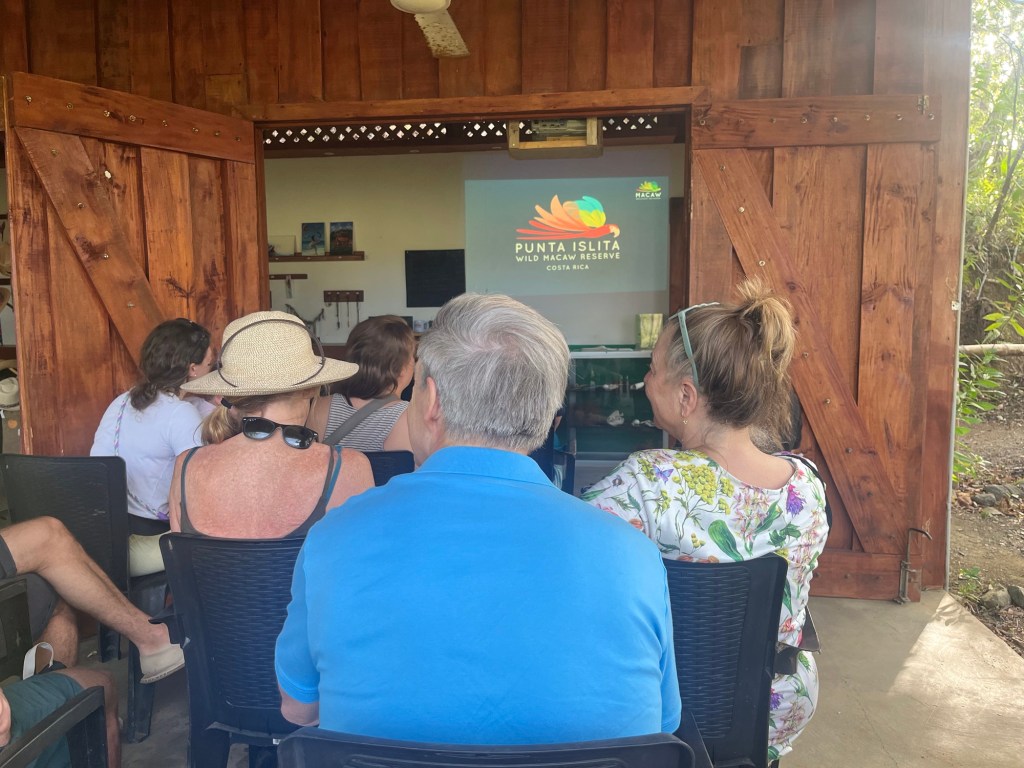
In addition to working to restore the bird populations (macaws were extinct in the Islita region 30 years ago) the Network also works to restore habitat and educate Costa Ricans about conservation.
The Network raises scarlet and the even rarer green macaws to be released to the wild. Currently, they believe only four thousands scarlet macaws exist in Costa Rica and only three hundred green macaws. Even fewer Yellow-napped Parrots which the refuge is just starting to breed. With the results of several years of breeding scarlet macaws, 64 banded birds have been released and had produced offspring “naturally” —bringing the total birds in this area to over 100. Impressive, given that macaws were extinct in the Islita region 30 years ago. This year the Network will release the green macaws in the north eastern part of Costa Rica for the first time.
Not surprising in the animal kingdom, the birds have dominant and submissive members, so two feeding stations are filled — one for the big guys and gals — females as well as males display aggressive behaviors — and a second to give the other birds a chance. Incidentally, the sex of these birds can only be determined by a blood test, we were told.

Sometimes fights break out as the birds feed. But mainly they seemed to move around, slide up and down the pulley lines and take turns feeding.
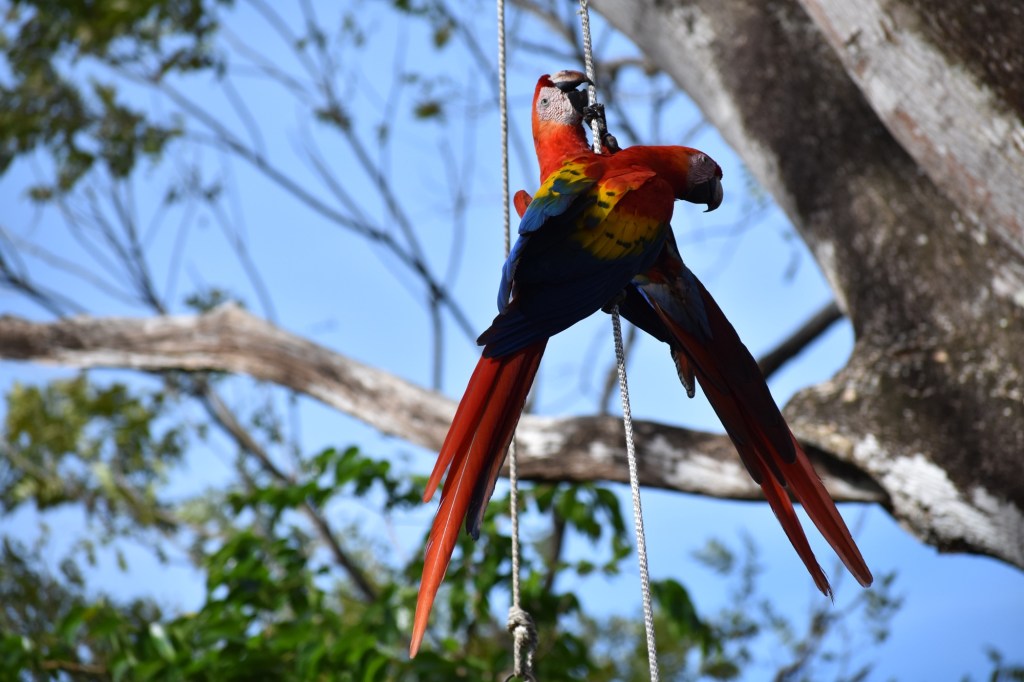
The groups of birdwatchers are limited to minimize the stress on the feeding birds. This is breeding season and while we could hear but not see the pairs, the staff was particularly interested in keeping those birds calm. The breeders are fed as the same time as the wild birds and created quite a cacophony.
The iguanas also come out at feeding time, waiting for bits of fruit and nuts to be dropped on the ground by the birds.

Snakes pose a danger to the breeding program, particularly boa constrictors. The reptiles love to feed on the baby chicks. So traps are set around the grounds to lure boas in with the scent of wood chips used in the breeding nests. We were told the trapped snakes are then released into the wild some distance away. Some in our group were skeptical — or maybe hopeful the snakes met a different fate.
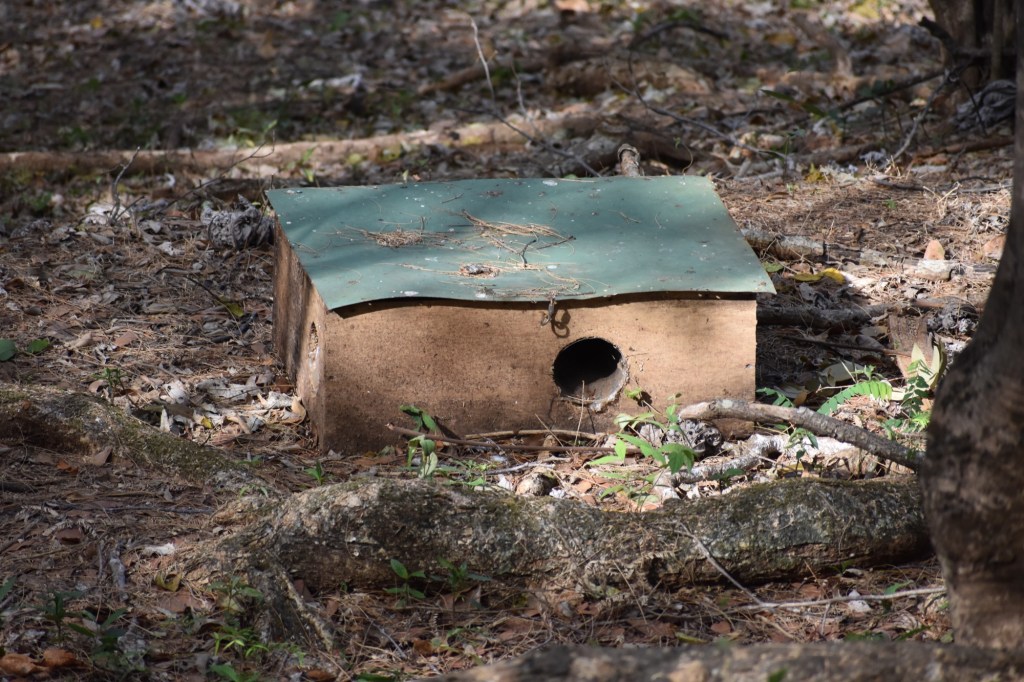
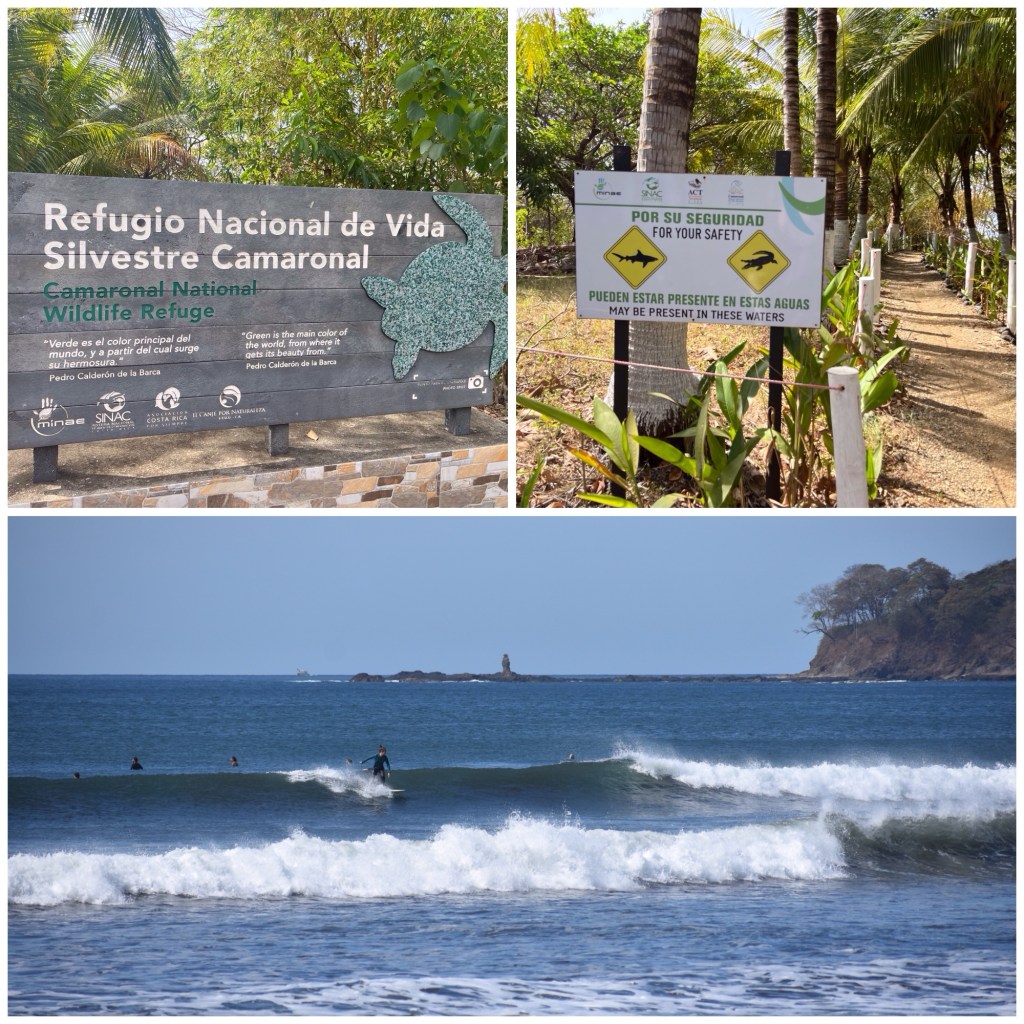
On our way home there were signs along the road indicating where nesting pairs of macaws had taken up residence. A clear indication of the success of the program. We also stopped by another nature reserve adjacent to a beautiful beach— Costa Rica is filled with reserves. While there were plenty of signs warning about crocodiles and sharks, we only saw surfer dudes, discussing the quality of the waves, clearly not worried about the danger.









































 Chasing the Good Life