Guiding Lights

For years we scoffed at hiring a guide when we traveled, figuring we could read the books, or ask around and figure out most stuff about sights on our own. We looked at groups in museums, massed before a work of art and listening to a guide drone on and on about the artist, the symbolism, the technique …. and we winced. Probably we were scarred by many trips to the old Soviet Union and their pedantic guides.

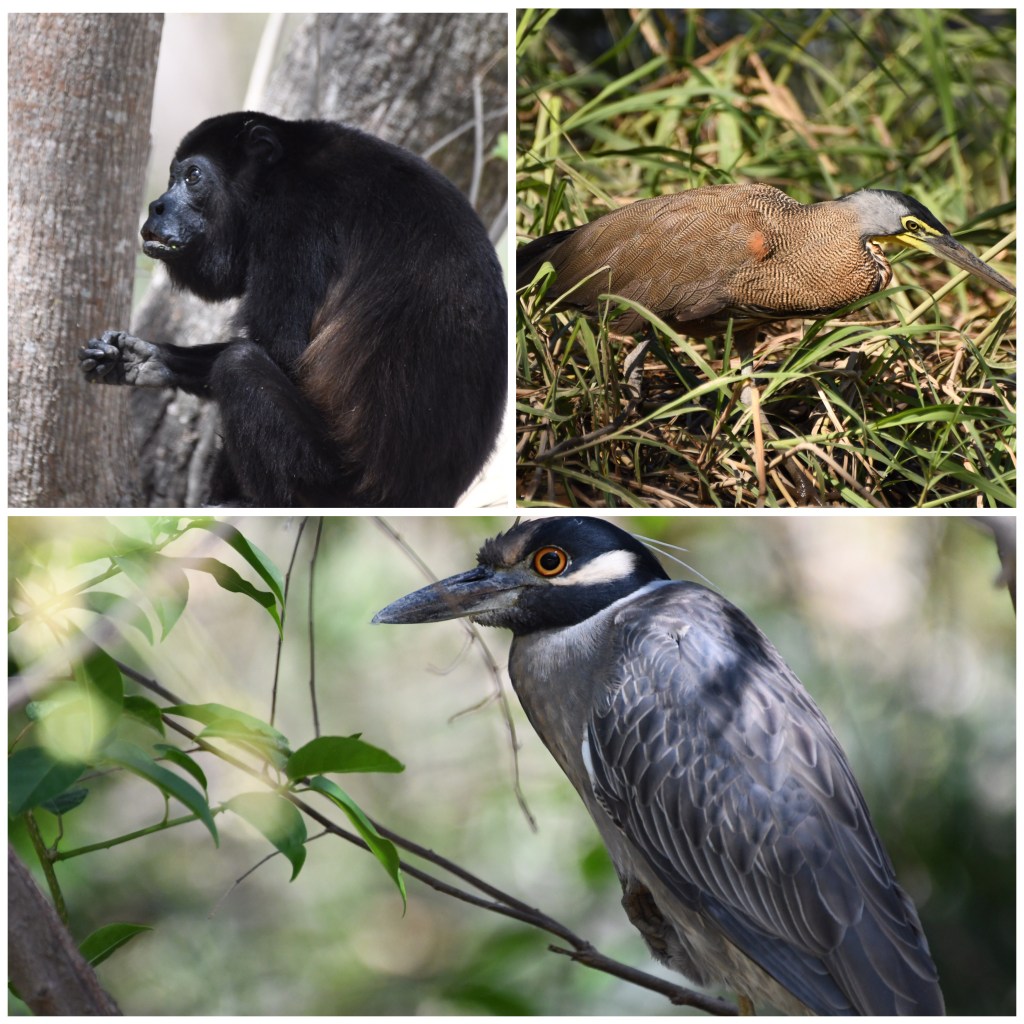
But in recent years, we have learned to hire a guide to get a really good overview of a city, or when we want a deep dive into the details of a site. We learned on our Zimbabwe safari that without the guides we would have missed a lot, even giraffes standing right in front of us among the trees. In Costa Rica, we would never have seen a spider monkey or identified it’s call. In Spain, we might have missed the Griffon vultures—one of the biggest birds on the planet. Yep, a good guide, particularly a private guide or small group guide is usually worth every penny you pay.

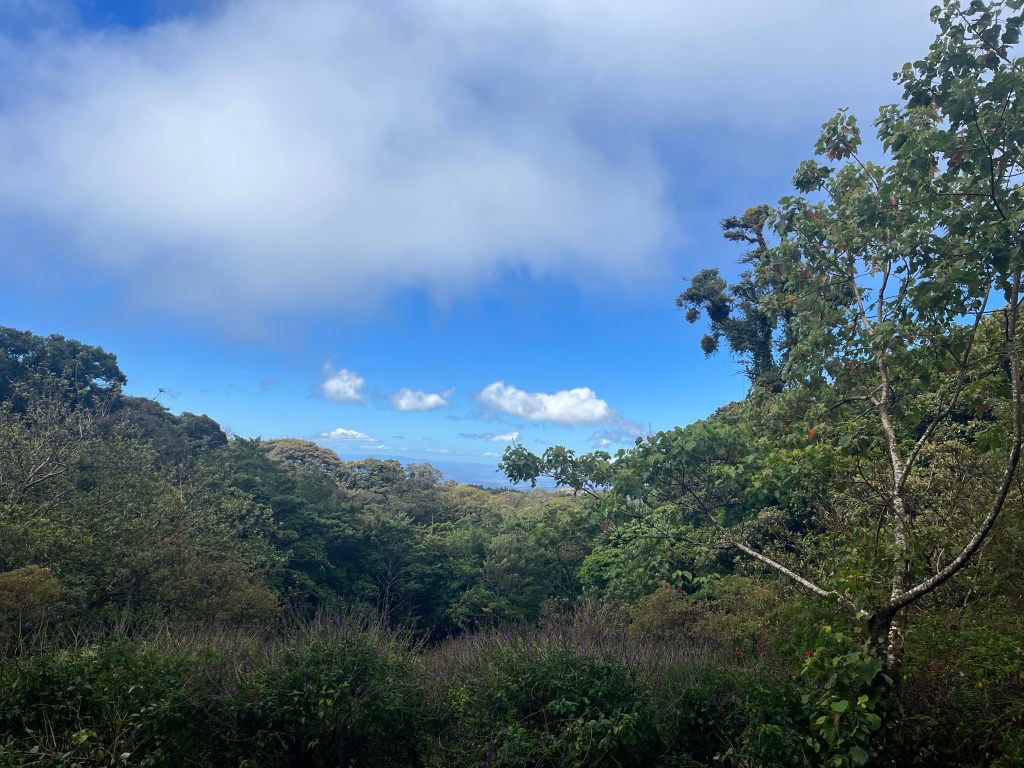
We’re casual bird watchers — we don’t get up at the crack of dawn to visit sewage treatment ponds or horribly remote locations. Our life lists are pretty hit and miss. But we do enjoy stopping on a walk to look at a bird. Our identification skills are pretty lame, so when we’re in a nature lover’s paradise, we hire a guide. Case in point: Monteverde in Costa Rica.

Six years ago we had booked a birding tour through a kiosk at a hostel/backpacker hotel/cafe in St. Elena. The guide turned out to be fabulous. So for our latest trip we hunted him down online (luckily Peter had recorded his name in our journal from our trip six years ago).

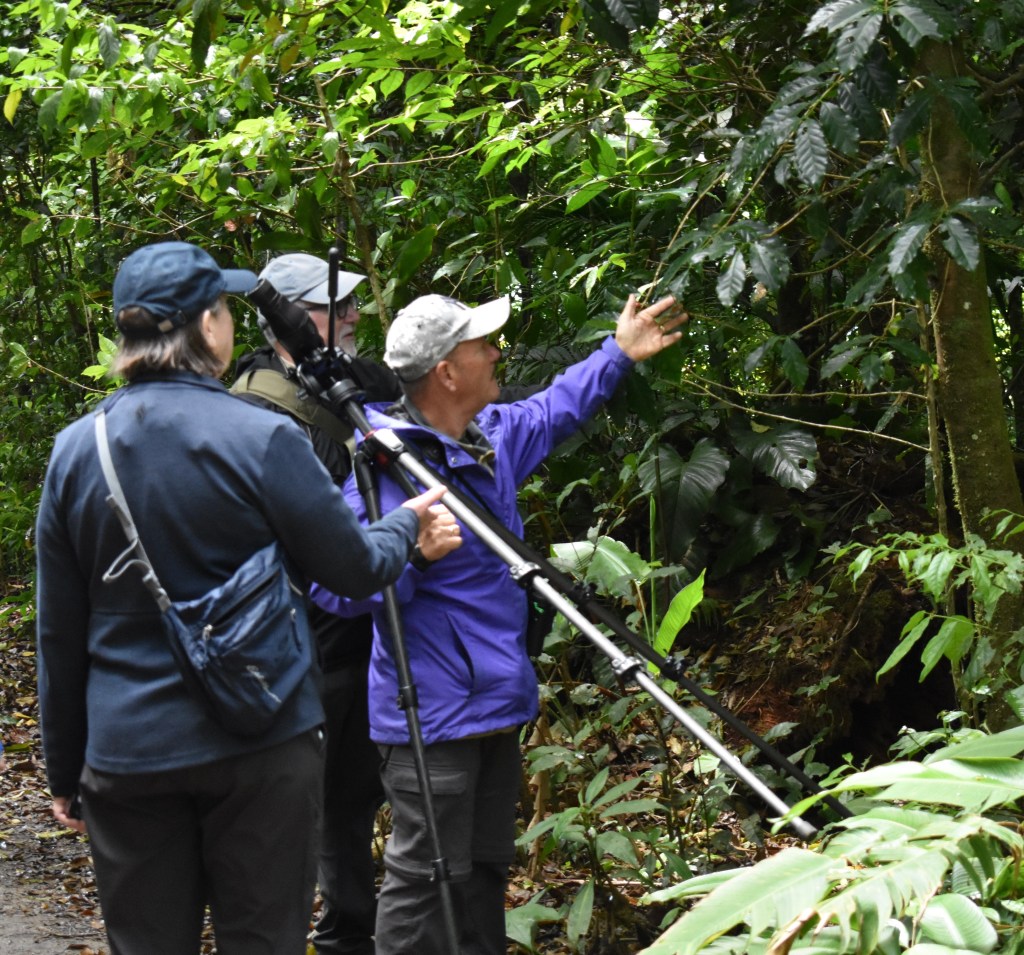
Adrian is exactly what you want in a guide. First and foremost, he is wildly enthusiastic. He leaves you with the impression that he not only loves his job, but he simply enjoys a walk looking for birds. When we spotted a rare one, he was more excited than we were. “Oh! Oh! Oh!” He would say, grabbing his spotting scope and trotting off with us closely following, “This one is special.”

With 30 years of experience, he knew every sound, every nook and cranny in the Curi Cancha Reserve. We were surprised that he wasn’t taking us back to the more famous Monteverde Reserve just down the road where we had been six years ago. But as he explained, Monteverde had become way too crowded and had imposed too many restrictions on visitors and guides. Another advantage of a great guide, we thought, as we toured Curi Cancha, most of the time by ourselves.

First question he asked us before we took off? “Who is keeping the list.” For each bird we saw, he patiently and deliberately repeated the name several times, even spelling it if needed. He did complain that they kept changing the official names of birds which made his job challenging at times. His upbeat demeanor carried us through the less than ideal weather. After all, it’s called the Cloud Forest for a reason.

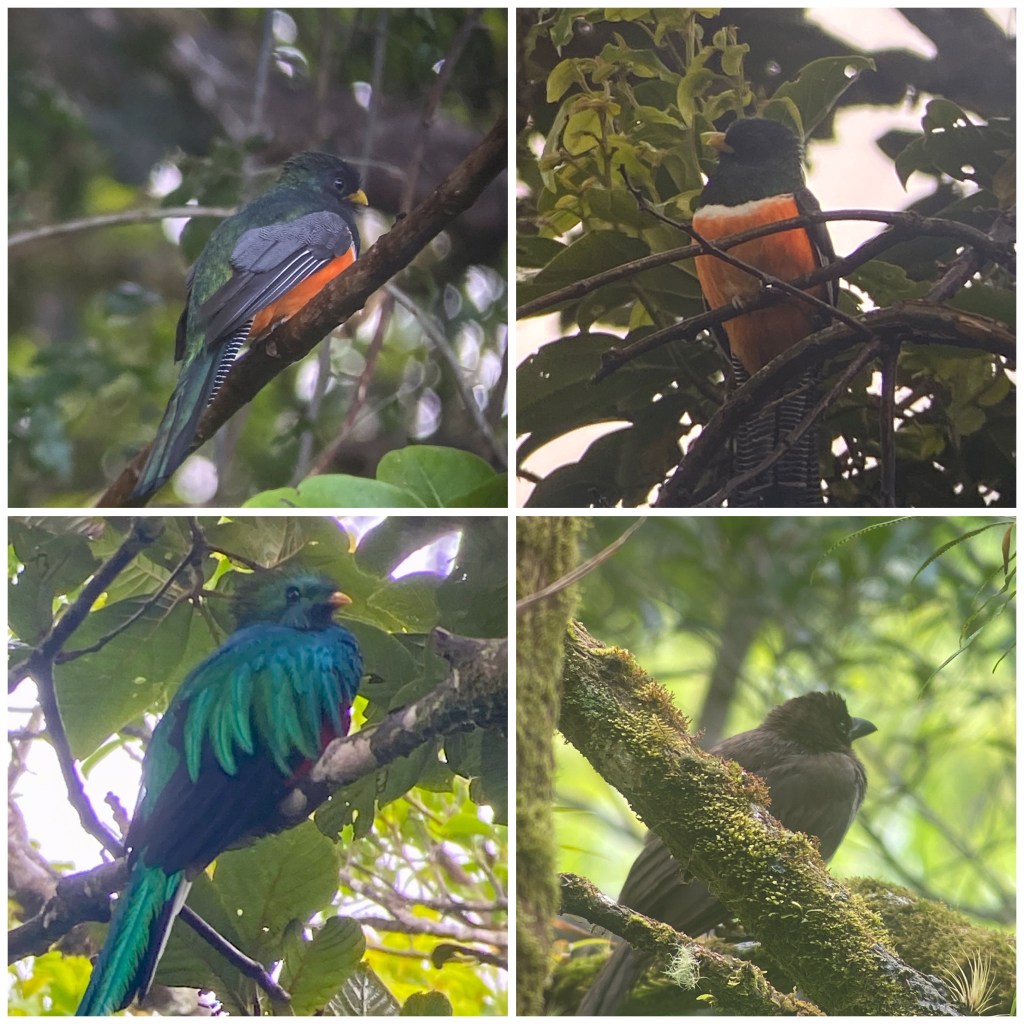
When the other guides zigged, he zagged, leading us into quieter parts of the forest. He knew where the owl generally hung out (it didn’t show for us) and where to find the spectacular resplendent quetzal, the star attraction of the Cloud Forest. But as the other groups gathered in front of the tree where the quetzals pick fruit, he took us back into the woods where it would sit to digest it’s meal. In short, he knew the ropes and had a few tricks up his sleeve! In the end, we saw 48 different species in four hours!

When he spotted a bird, he quickly set up his spotting scope, lined up the bird and stood back so we could take a look. If we wanted, he used the scope and our smartphones to capture dramatic pictures of the birds. When the birds moved too quickly, he used a green laser, pointing just below the bird, careful not to hit it with the light, so we could find it with our binoculars. He also knew which birds would fly away from the light and used the laser very judiciously.

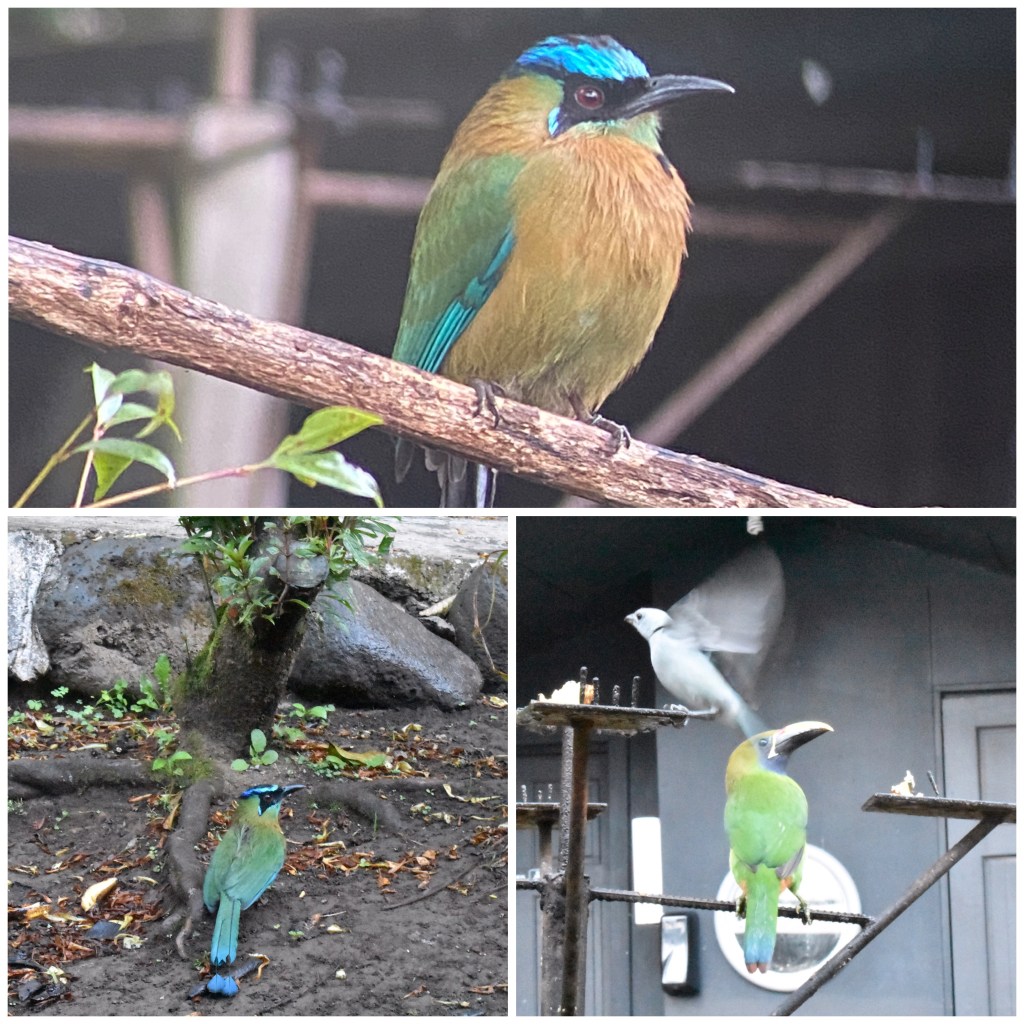
And since we aren’t purists, we didn’t care that some of our bird sightings happened at a cafe with bird feeders. We enjoyed the mid-tour break for coffee almost as much as we enjoyed seeing the birds clustered around the feeders.

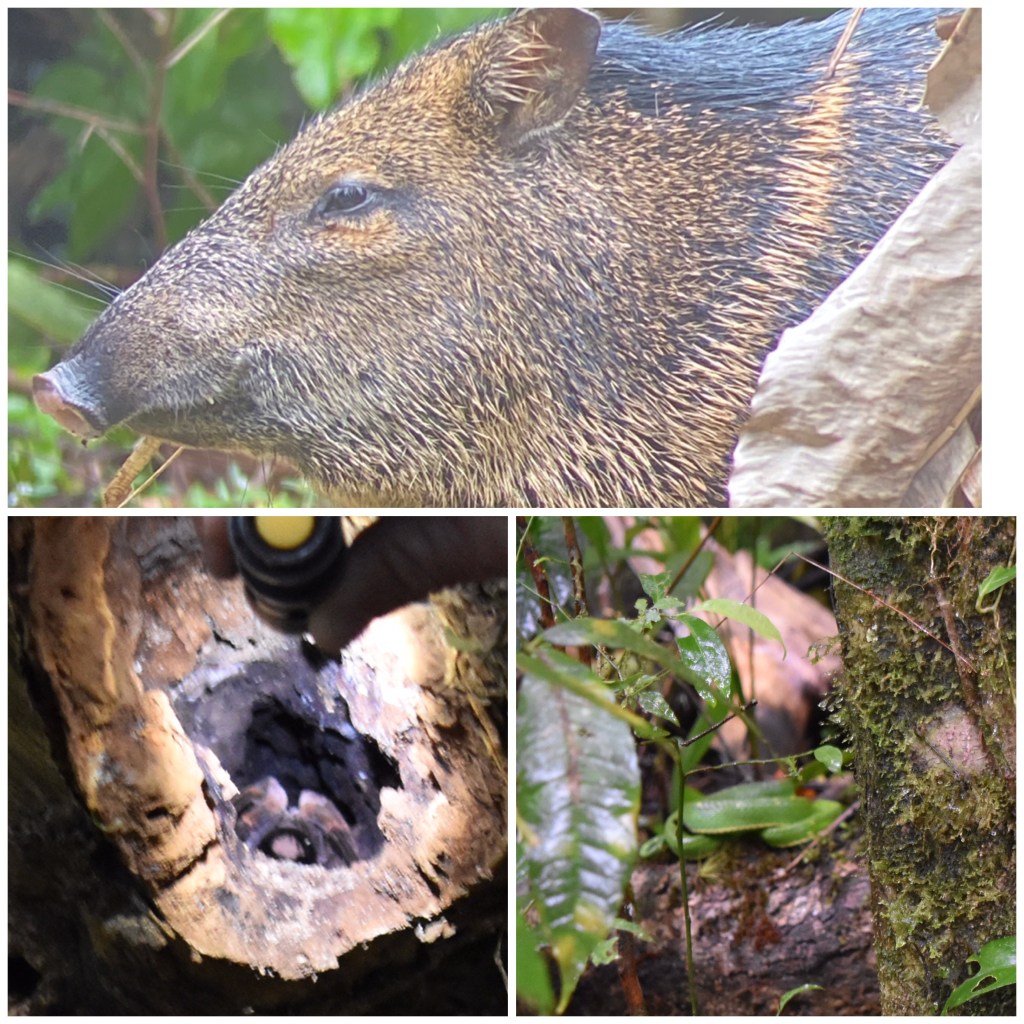
He didn’t just talk about the birds, we also got a lesson in the plants around us and the evolution of eco-tourism in Costa Rica. The wild pigs, known as peccaries, are new to Curi Cancha and were originally shy, but have learned that within the park they have nothing to fear — until the pumas choose to return, too. Adrian made us sure we saw the tarantula, and poisonous Green Pit Viper. These guides are all trained, many with college degrees in ecology or environmental studies.

But the great guides don’t just show you the sights, they also give you a glimpse into their community. Of course, we talked about the pandemic and it’s impact on his life, how a frugal lifestyle meant he had money in savings to survive. He had suffered a medical scare two years ago that brought him closer to his family and helped reorder his priorities. But he also shared how the Costa Rican medical system worked for him. He now takes more days off and limits the number of tours per week. And he gave us a clue to one aspect of how the tourist industry works when he told us next time to contact him directly for a better price on the tour. (adrianmendezc@hotmail.com)

As we ended our day the sun came out and we said to Adrian, “see you next year!”

No More Monkey Business

We’re back in Costa Rica for the third time. The first time was six years ago and then again in 2022 when we were first traveling as the pandemic became more manageable. We planned this year’s trip to take us to some new places and revisit our favorite “been there & done that’s.” The repeat visits generated comparisons — Is the traffic worse here? Are the prices higher this year?

Probably making such comparisons is inevitable and probably largely guesswork. But without a doubt the pandemic left it’s mark on Costa Rica.

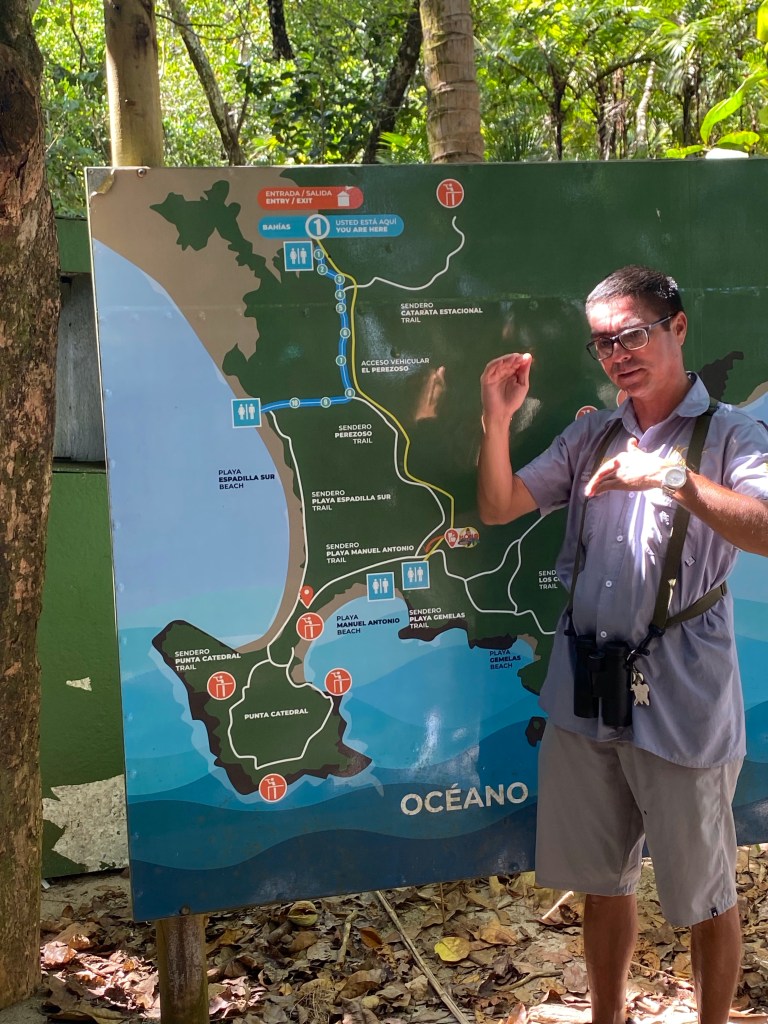
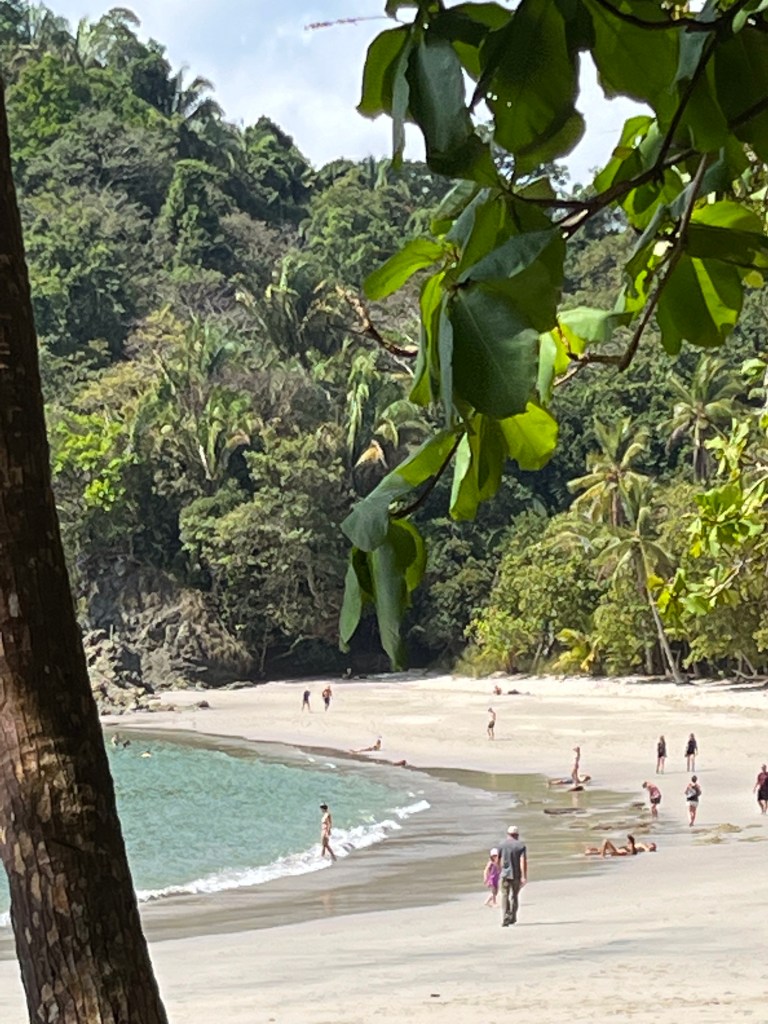
One of Costa Rica’s biggest tourist attractions — Manuel Antonio National Park — is not the biggest park in Costa Rica, but sits reasonably close to the capital with gorgeous beaches. Six years ago, the beaches in the park were packed with families and tourists — and outnumbering the human visitors were the ever vigilant White-faced Monkeys (also known as Capuchin). Notoriously clever thieves, they were constantly on the lookout for bags or purses that might contain food. We were warned never to set our bags down as the monkeys were lightening fast at stealing them — often carrying them up into a tree and disdainfully throwing down all the non-edible items inside. As we walked the paths, we stepped around and over the mama monkeys and their babies. You had to get dozen of yards away from the beach and the picnickers to get a sense of the real park. On our visit this year, we struggled to see even one White-faced Monkey.

Why the change? The pandemic. The park was closed that first year. The park naturalists noticed monkeys began dying from starvation. Many of them had lost the ability to forage for food when there were no tourist backpacks to raid. This triggered a re-examination of park procedures. Now entry is limited and requires a reservation. Visitors are checked at the entry gates to make sure they don’t bring in any food that might attract the monkeys. As a result, the park is less crowded and is cleaner and, most importantly, the monkeys have reverted to their more natural state.

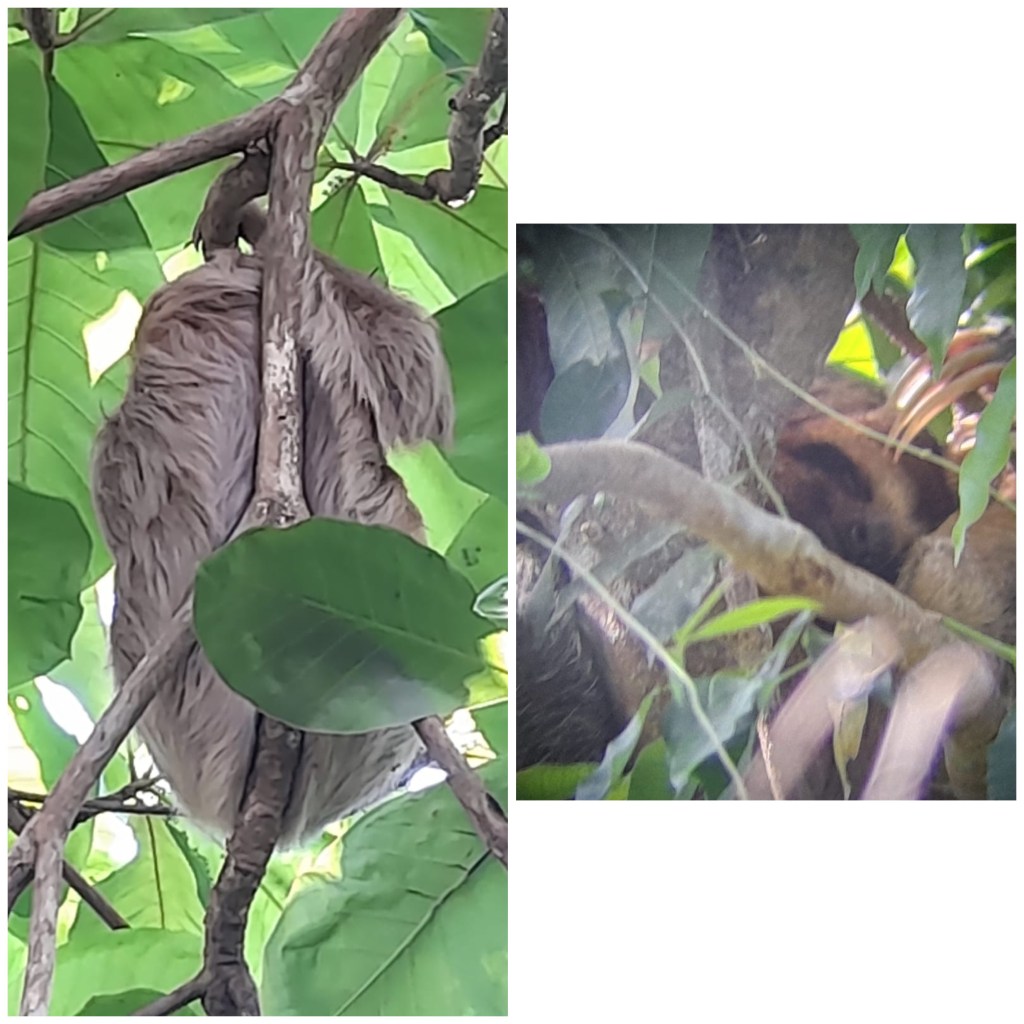
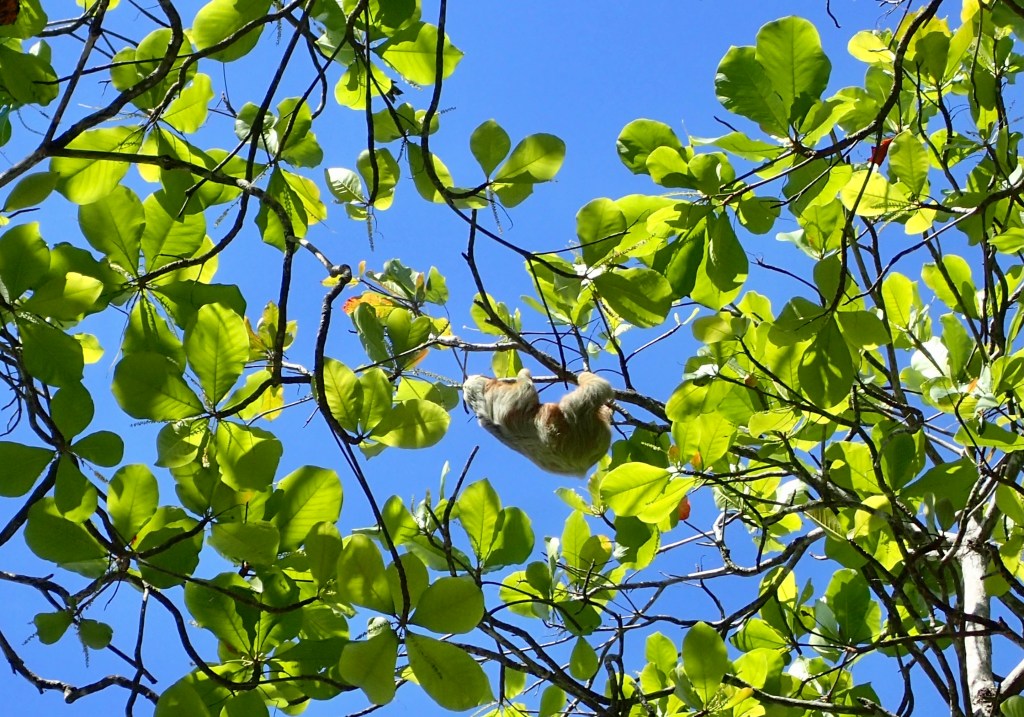
Without the monkeys lurking about, and with the help of our guide, we were able to focus on the other critters of the park. An immature sloth sleeping in a tree with mama watching from not too far away.

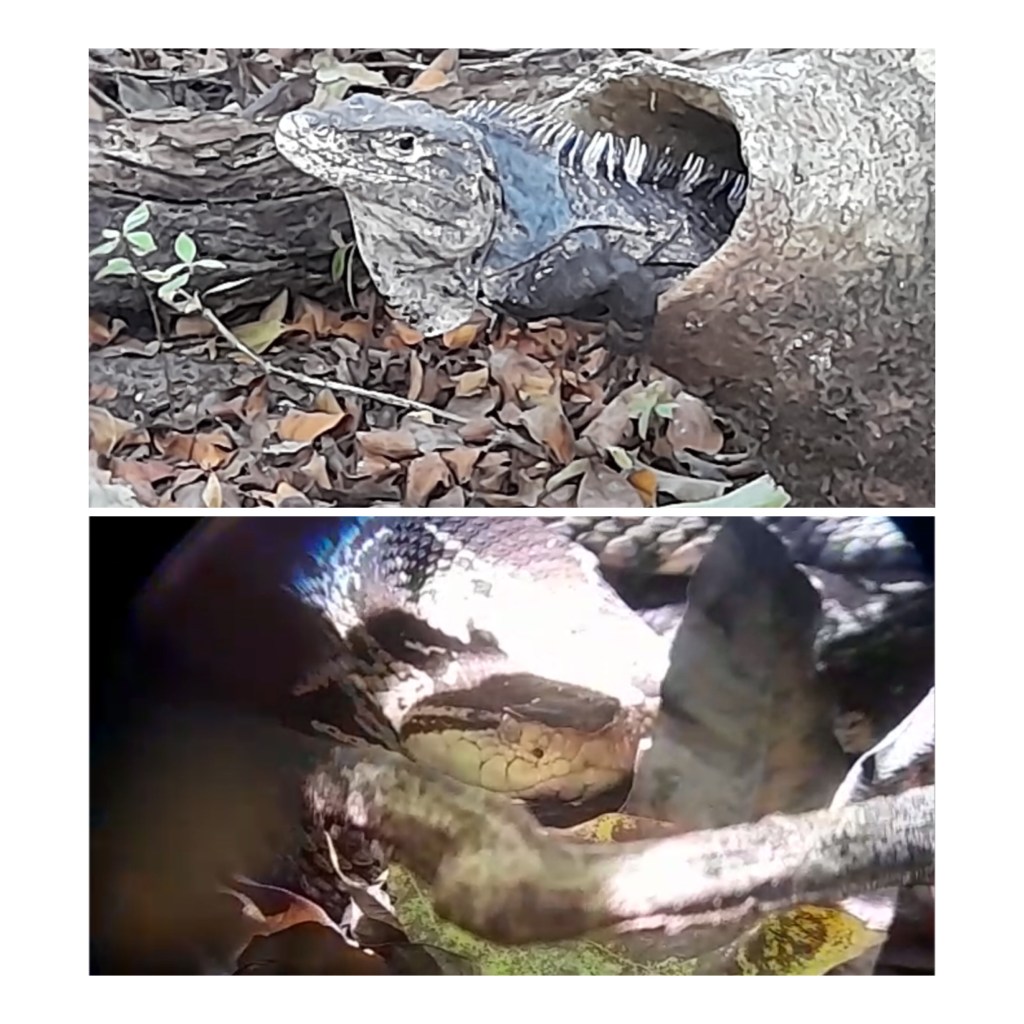
A lizard and a Fer de Lance snake patiently waiting for their meals to wander by.

An agouti mom and her two little ones, playing in the underbrush.

Anyone planning a trip to Manuel Antonio needs to remember the park is closed one day a week for repairs, cleaning and to give nature a chance to rebound — unless, of course, you can pay $36,000 as film production crews (scenes from The Castaway with Tom Hanks were filmed here) and the famous (Steven Spielberg, and Will Smith to name a few) do in order to have the beaches to themselves.

Costa Rica takes its natural beauty seriously. Roughly 28% of the country’s total land is set aside as national parks or nature reserves. School tour groups get in the parks free and we were told by our guide that annual visits to the park are a routine part of the curriculum to build a national sense of pride and consensus to preserve the bio-diversity.

Yes, it is different here now after the pandemic but some of the changes are definitely better for both tourists and the animals. Pura Vida!

Spanish Surprises, Spanish Delights

A month in Spain surprised us and delighted us! Top ten of each!

Surprises

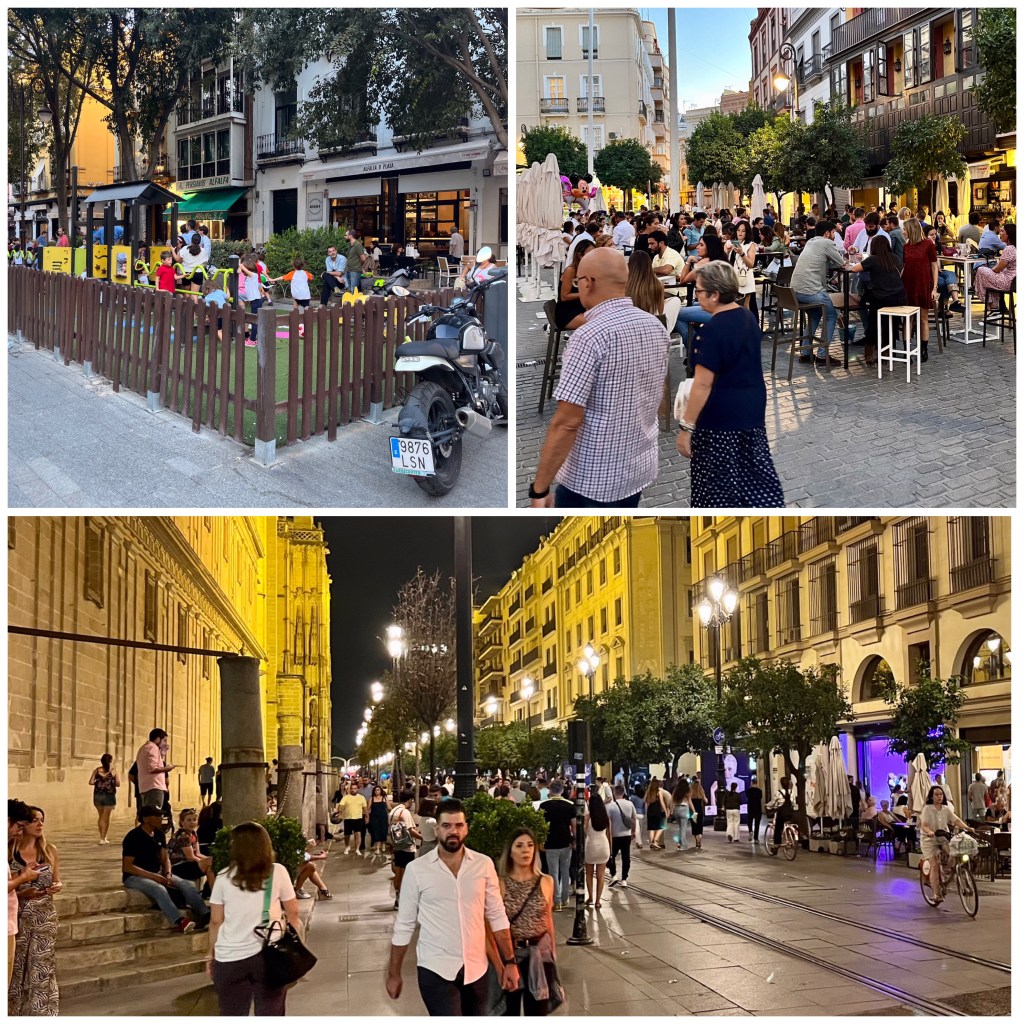
1. Adjust your clock! As a Spaniard told us in the south no one would get up before the sun rises at 8:00. Kids have to be in school at 9:00. Parents go to work by 10:00. Just move your US clock up two or three hours. Breakfast at 9-10am. Lunch at 2-4pm. Dinner after 9pm. In restaurants at 8:30 you’re eating with tourists, at 10:00 with locals.

2. Crossing streets can be hazardous — not because the Spanish are crazy drivers. They seem pretty polite. But not motorized scooters and bicyclists. Proceed with caution. The crosswalks are a few yards away from the corner to give left-turning vehicles a place to go. The cars will usually stop for pedestrians in the crosswalks, but the two wheelers often do not. Be careful!

3. Spain is up close and personal. Tapas bars are crowded. Tables are close together in restaurants. They seem to like it that way! One Spaniard told us it’s as if we must feel the “breath of the people on our cheeks.”

Crowds at popular tapa bars spill out into the street

4. Service can seem abrupt. Not rude. Just very few of the pleasantries that pass for polite banter back home. In restaurants, the waiters fly around. No “how’s your day going” or “how are those first bites tasting.” In one restaurant we were reminded of the old British comedy Fawlty Towers, given the yelling and frantic pace of the wait staff. (Of course, a fine dining experience in Spain is quite different.) We’re talking about the tapas bars, the bistros and more casual restaurants where we hung out.

5. Order what you want. Ordering a 1 euro espresso and 2 euro snack is absolutely OK. One Spaniard told us there are almost no public restrooms in Spain because you just stop, have a quick bite or drink and use the WC. Want to split a dish? Not at all uncommon and, in fact, it is often expected a table would share several dishes. Not very hungry? Order a half portion or even a tapa portion.

6. Franco’s legacy lives on. And it’s unresolved—feelings still run deep. Some still admire the fascist leader, others loathe him. This should not be a surprise to those of us from a country still dealing with the legacy of slavery and segregation. Franco died more than 45 years ago. Today’s right wing politicos trace many of their issues back to what they see as a better time when Franco defined what it meant to be Spanish.

7. The Catalan independence movement is a very strong undercurrent in Barcelona. Yes, we’d read about the desire by many Catalans for an independent Catalonia, with the region split roughly 50/50 in polls. Seeing the pro-independence flags hanging from balconies all over Barcelona, the graffiti in Catalan, and the police presence on the Day of Spain national holiday when pro-Spanish nationalists paraded through the streets of the city in an in your face political march, made it very real, very immediate, very intense.

“We take power” in Catalonian and Catalonian flags

8. Catholicism is more cultural than practiced. Cathedrals and basilicas are everywhere, but often empty. The birth rate is 1.2 children. The south is more Catholic, the north less so. Another legacy of the Spanish Civil War—the Catholic Church was strongly supportive of Franco as his army moved from the south to the north in the war. Many in the north still resent the Church for its complicity in the Franco years.

9. Royal family is definitely not the icons the British royals are. The Spanish king and his family are not very visible, often criticized for corruption and are seen by many as a drain on the economy. As one person reminded us, few people would even recognize a picture of the king, queen or their children. The former king is now living in Dubai in exile and not welcome back. Again some of this attitude may go back to Franco’s death and the hasty re-establishment of the monarchy one day later.

10. The Spanish do not like spicy food—a shock to us.

The delights?

1. Spanish high speed trains! Clean, efficient, comfortable. Taking a five hour train ride was less complicated than any airplane trip we have ever taken anywhere. Easier security. Roomier. Less waiting time. Departure and arrival near the city centers.

2. Tapas and the wine scene. Usually quick, often delicious, and almost always cheap. Spanish omelette (tortilla), potatoes with a paprika sauce (patatas bravas), Russian salad (ensalada Rus), Spanish ham (jamón) or anchovies on toast were staples. But many tapa bars have their own specialties or twists on these standards. Some were simple affairs. Some were gastronomical masterpieces. And wines by the glass—often the house wine was outstanding—house made vermouths, and cavas (the Spanish version of champagne).

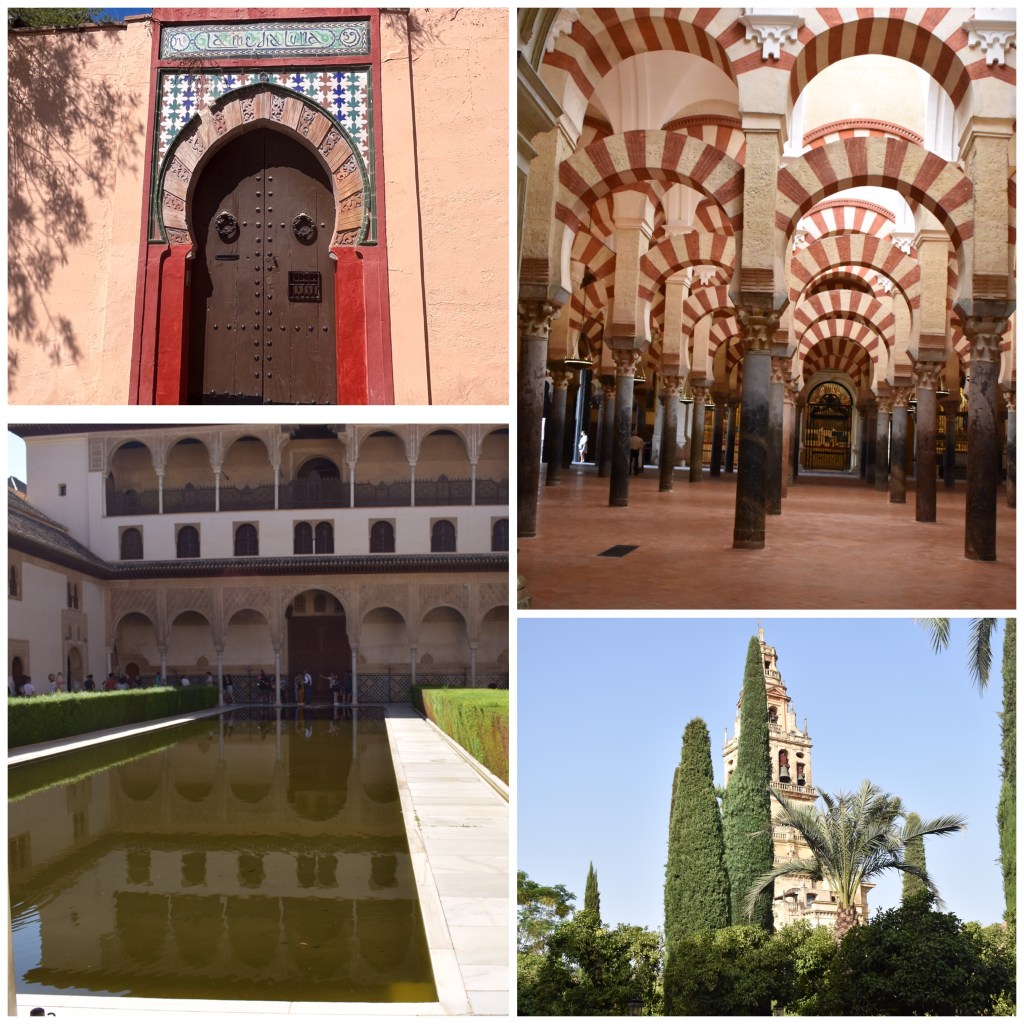
3. Moorish architecture. From the Alhambra in Granada, the Mezquita in Cordoba, the Alcazar in Seville to simple doorways in small villages, the Moorish influence infuses much of the Andulacian region. Complex, intricate designs. Gorgeous tile work. Beautiful water features. Cool garden courtyards.

4. Living the streets! The energy, the liveliness. Sunday afternoon extended families gather in outdoor restaurants for long lunches with kids running around the table. Particularly on weekend evenings before dinner, couples, families and groups of friends just saunter down the main streets seeing and being seen. In many squares, playgrounds for the kids and, conveniently, cafes or bars for the parents.

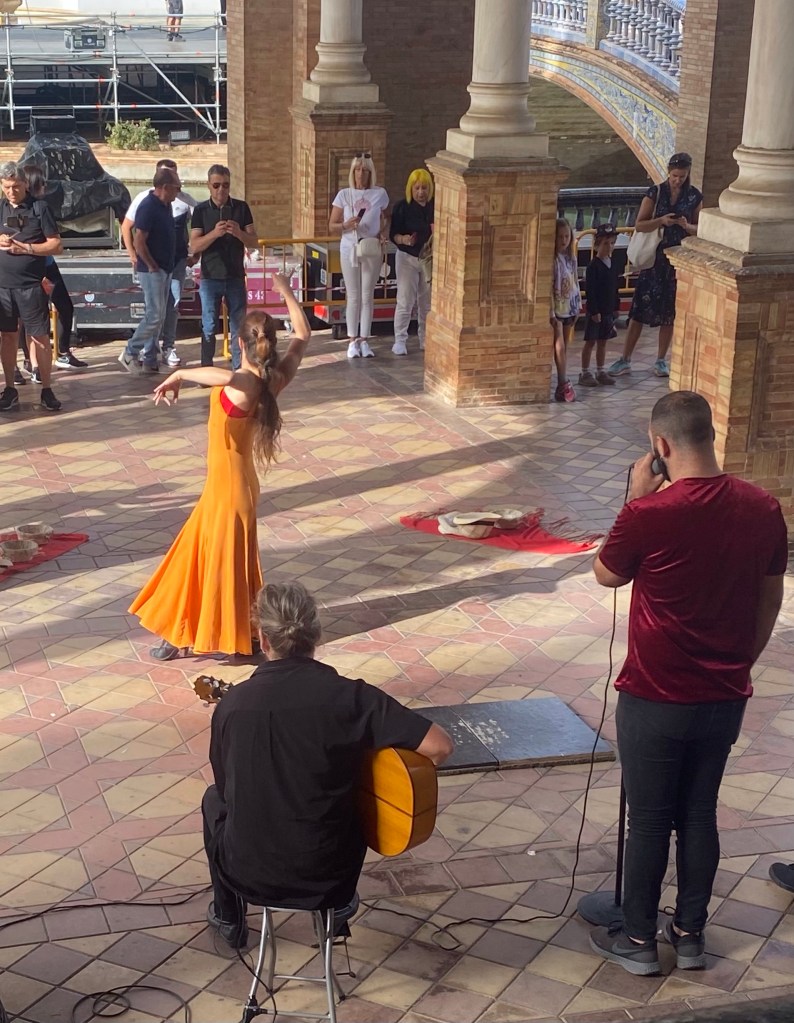
5. Flamenco! Okay we went to see a show mainly because it seemed the thing to do. We weren’t prepared to be so impressed. The guitar mastery. The singing — somewhere between the Moslem call to prayer and Portuguese fado. Then there was the dancing. We learned there are several styles reflecting Gypsy, Moorish and Jewish influences. Don’t miss it if you are in Spain!

Pictures weren’t allowed at our flamenco show but we did see this street performer.

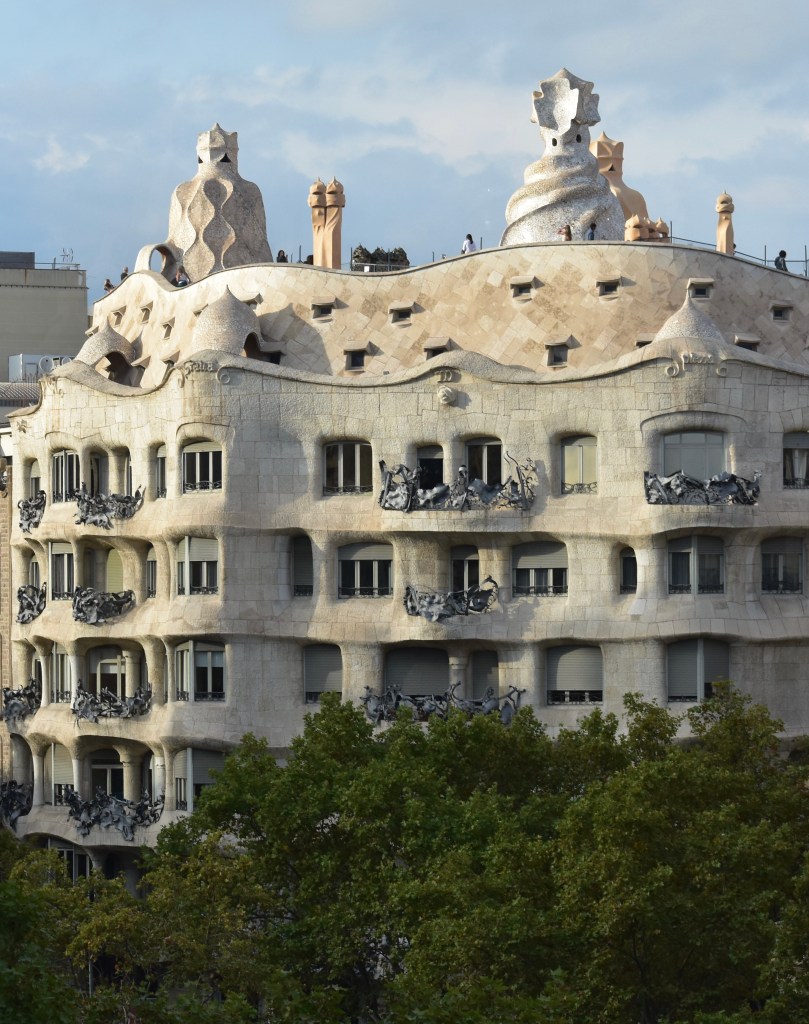
6. The Belle Époque and Art Nouveaux in Barcelona. Blocks and blocks of late nineteenth and early twentieth century homes and apartments. Several of Gaudi’s stand out among the less experimental and fanciful designs. The broad octangular intersections to create the space for horse drawn vehicles to turn around and space for some of the best architecture.

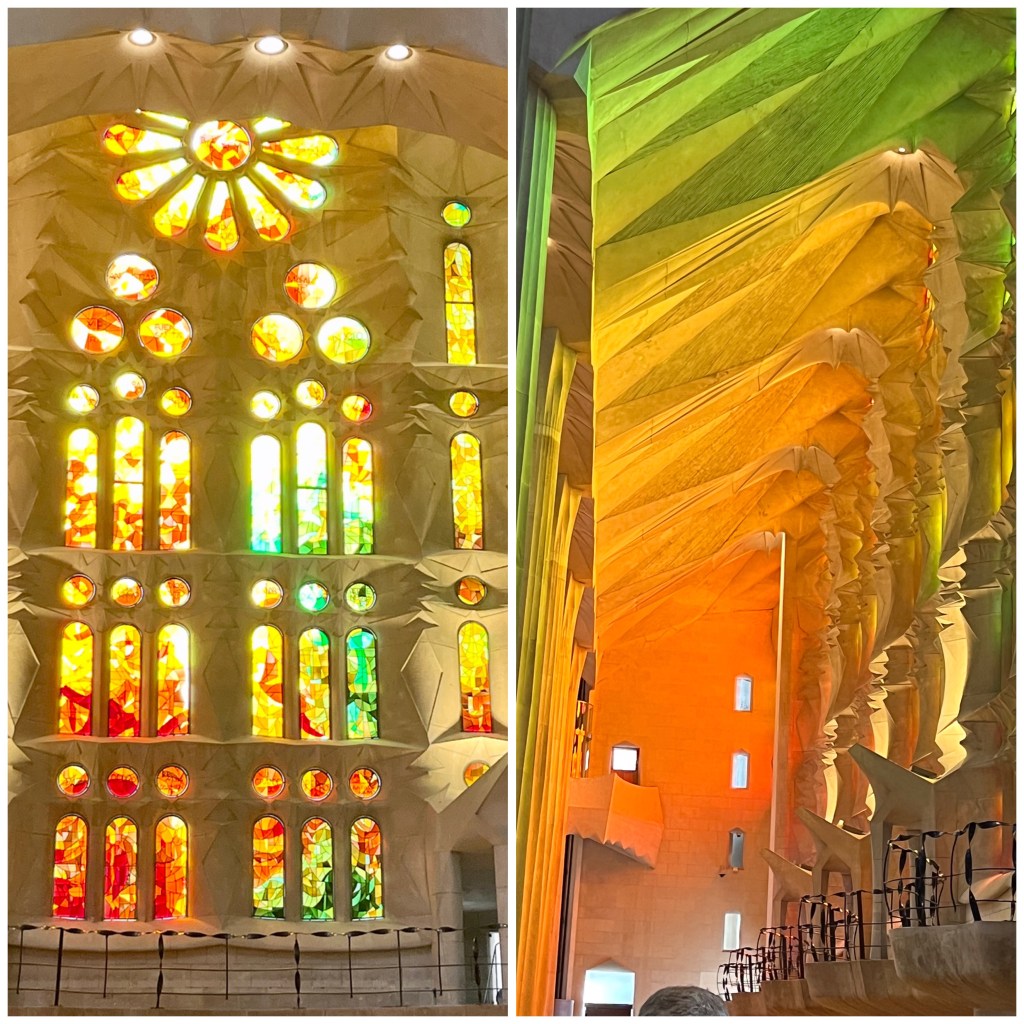
7. The stained glass window of Sagrada Família. While the entire structure is amazing, the afternoon light coming through the west windows stunned us.

The window on the left generates the light on the right. Totally dazzling.

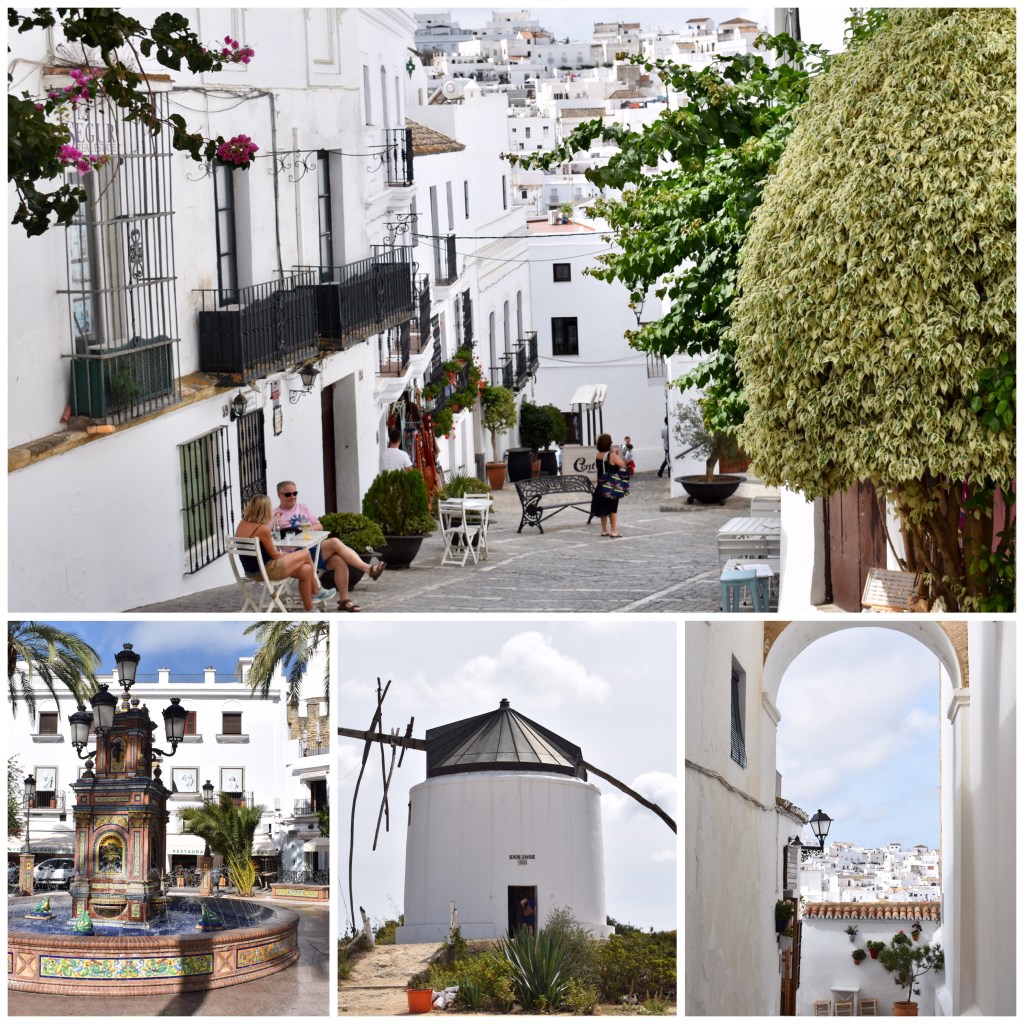
8. The white villages of Andalusia. We loved our “home” in Vejer de La Frontera. All the charm of Italian hilltop villages with the overlay of Moorish style.

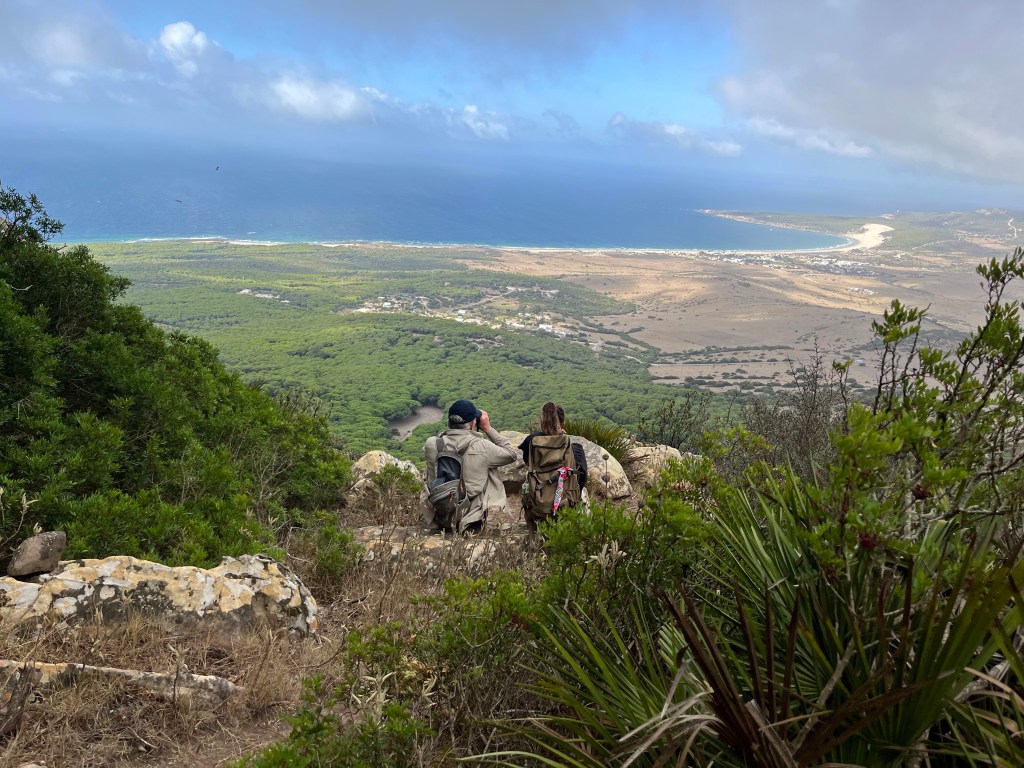
9. Hiking in El Estrecho Natural Park. A steep climb from nearly sea level to cloud forests with views to the sea and Morocco.

10. The cost. Food in restaurants is unbelievably cheap compared to the US and the rest of Europe. Meals for two with drinks rarely cost more than 30 euros. Wine—3 euros, espresso-1 euro, tapas-2-3 euros (or free with a glass of wine). Again, you can spend much more but the quality at most moderate restaurants and tapas bars is so good, why bother. Prices do climb a bit in the heavily touristed Barcelona.