Why Here??

This was the question we got from the young grocery clerk practicing his English in Ontinyent, Spain. Nobody comes here, was his implication. Another clerk had asked us the same thing in the same tone. And it was actually a very, very good question!

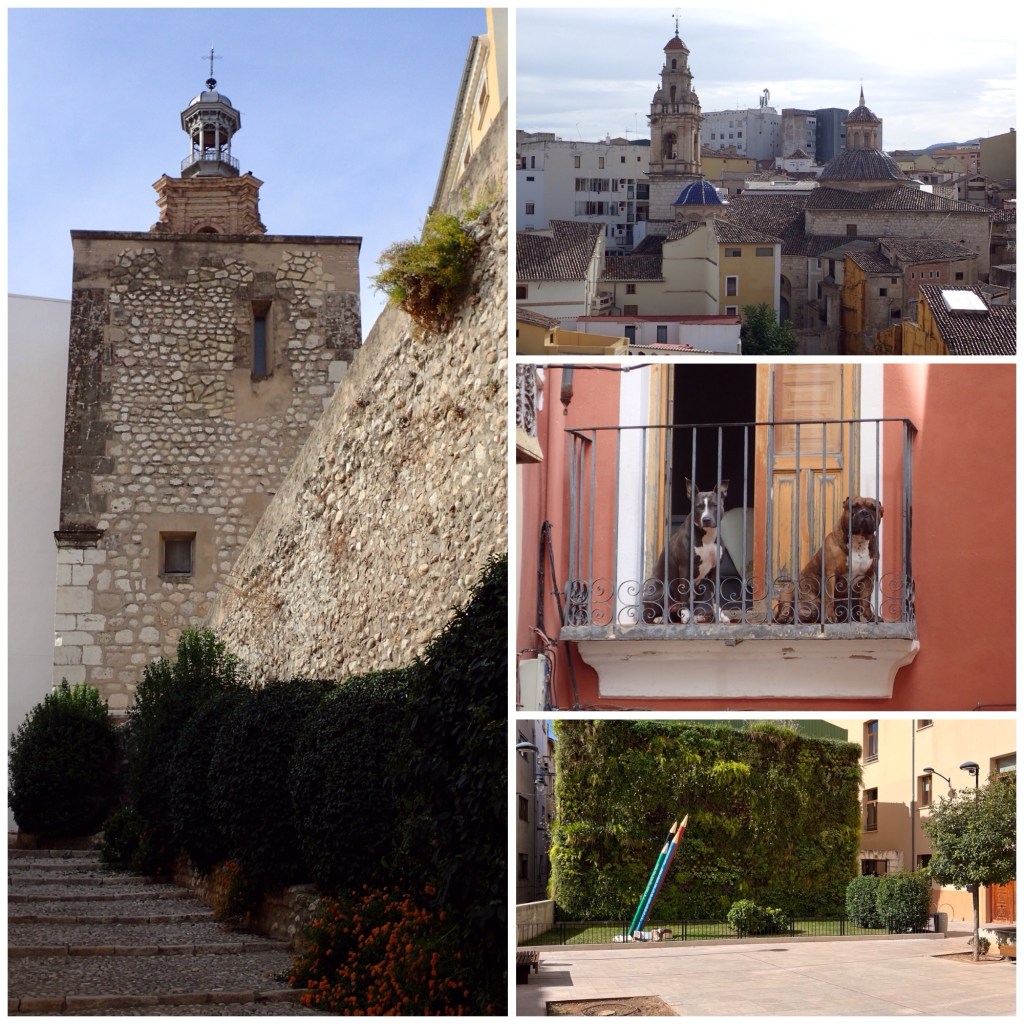
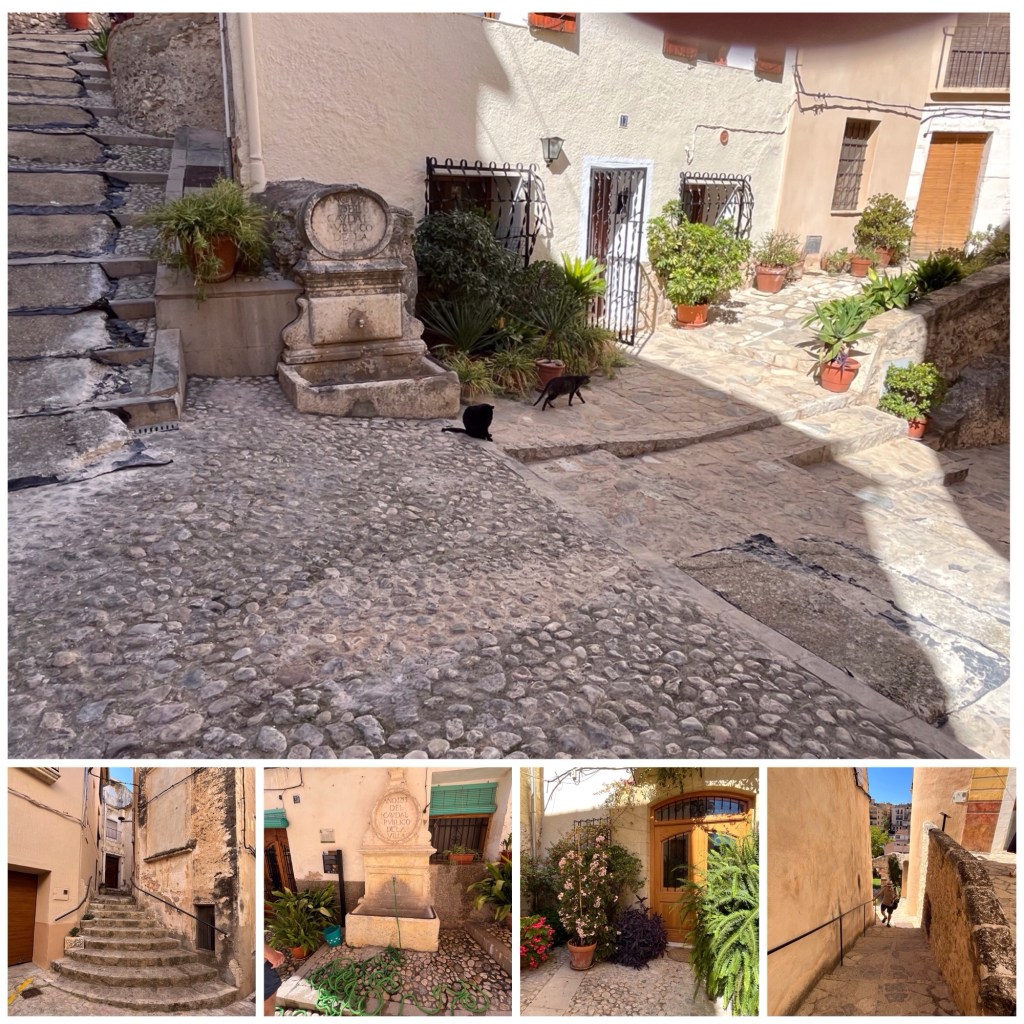
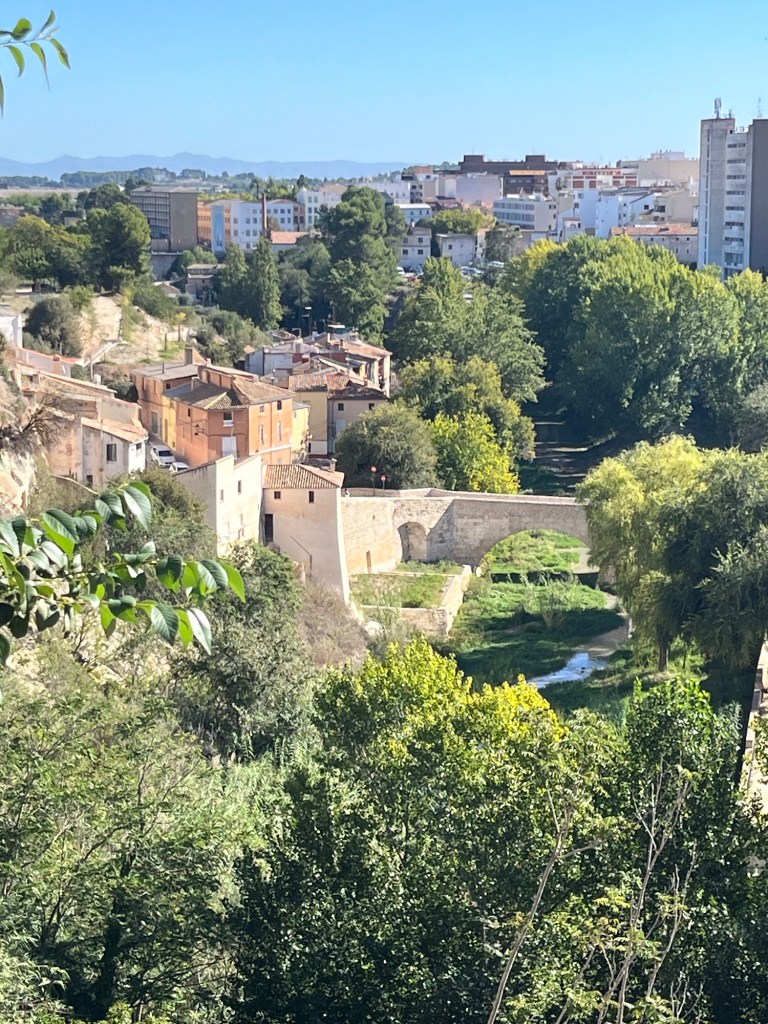
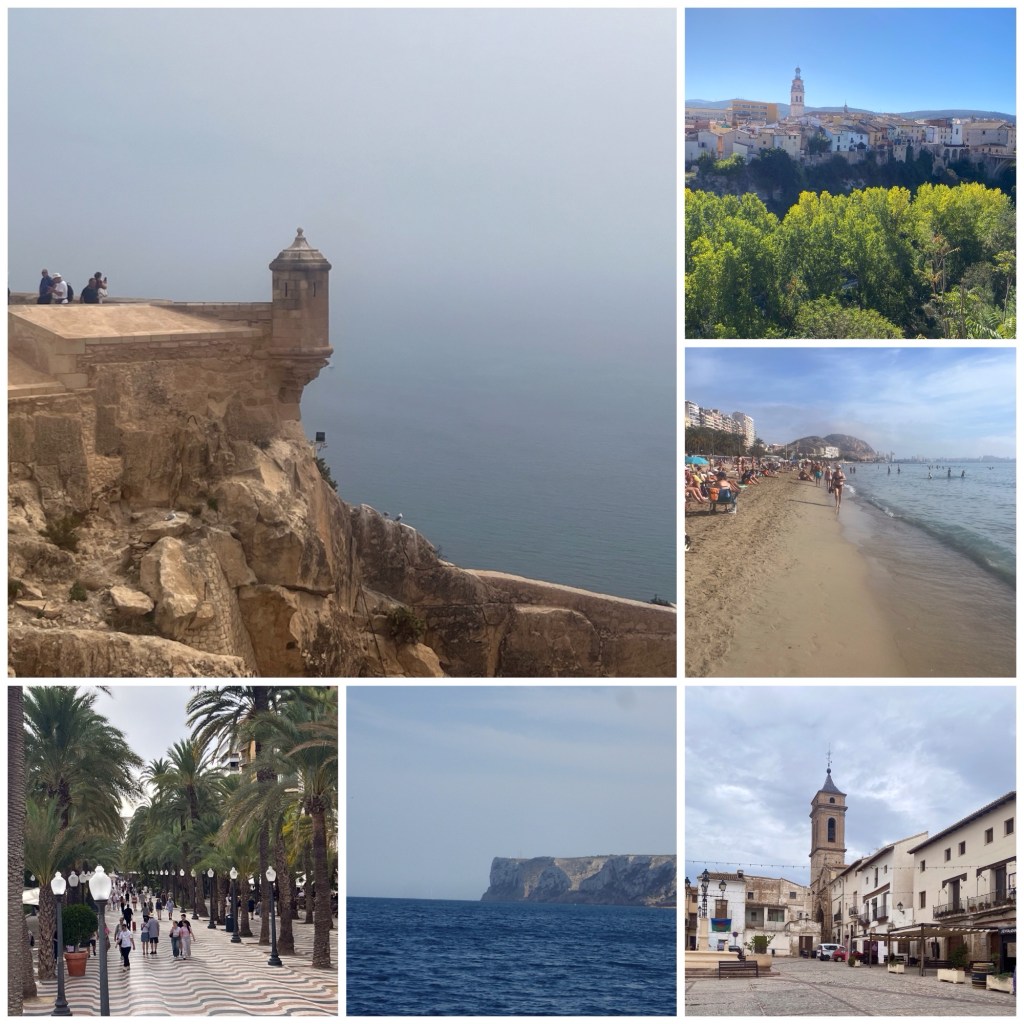
Ontinyent (in Valencian) or Onteniente (in Spanish) is a rural county seat in the Valencia province of no real historical or touristic interest. Population: 35,000. Yes, like all towns and villages in this area it has a past dating back to Moorish times and even before. It has a sort of cute medieval old town surrounded by Franco era apartments. Its only real tourist claims to fame are a series of clear pools on the Clarino River called the Pou Clar. People swim there in the summer, but the parking lot near the pools is closed in the high season and you need to hike about a mile and half to get there. The pools are surrounded by terraced hills of olive and orange trees. You might think picturesque but light industry, agricultural supply and farm equipment shops and rural housing projects kind of ruin the pastoral views.

So back to the question, why are we spending two weeks here?

In part, it was exactly because we wanted to be off the beaten path, away from the heavily touristed towns and cities, but close enough to make day excursions to those sites. And it turns out Ontinyent is a perfect location for exactly that. Valencia—one hour. Alicante—one hour. The seaside resorts of the Costa Blanca—one hour. The historic towns of Denia, Gandia — 40 minutes. The Albufera lagoon and El Palmar (the home of paella)—one hour. The quaint hill town of Bocairent—15 minutes. And one of the best, the castle hill town of Xativa—twenty minutes. National parks and hikes nearby. Kayaking on the Mediterranean. More than enough to keep us busy for two weeks.

Of course, a rental car is an absolute necessity. And driving in a foreign country can be stressful. But the good news is that the roads and freeways here are amazing—well maintained, excellent signage, and not very crowded. Spanish drivers are on the whole some of the most courteous we’ve encountered. With a good GPS system, we never got lost—even in the town and city centers.

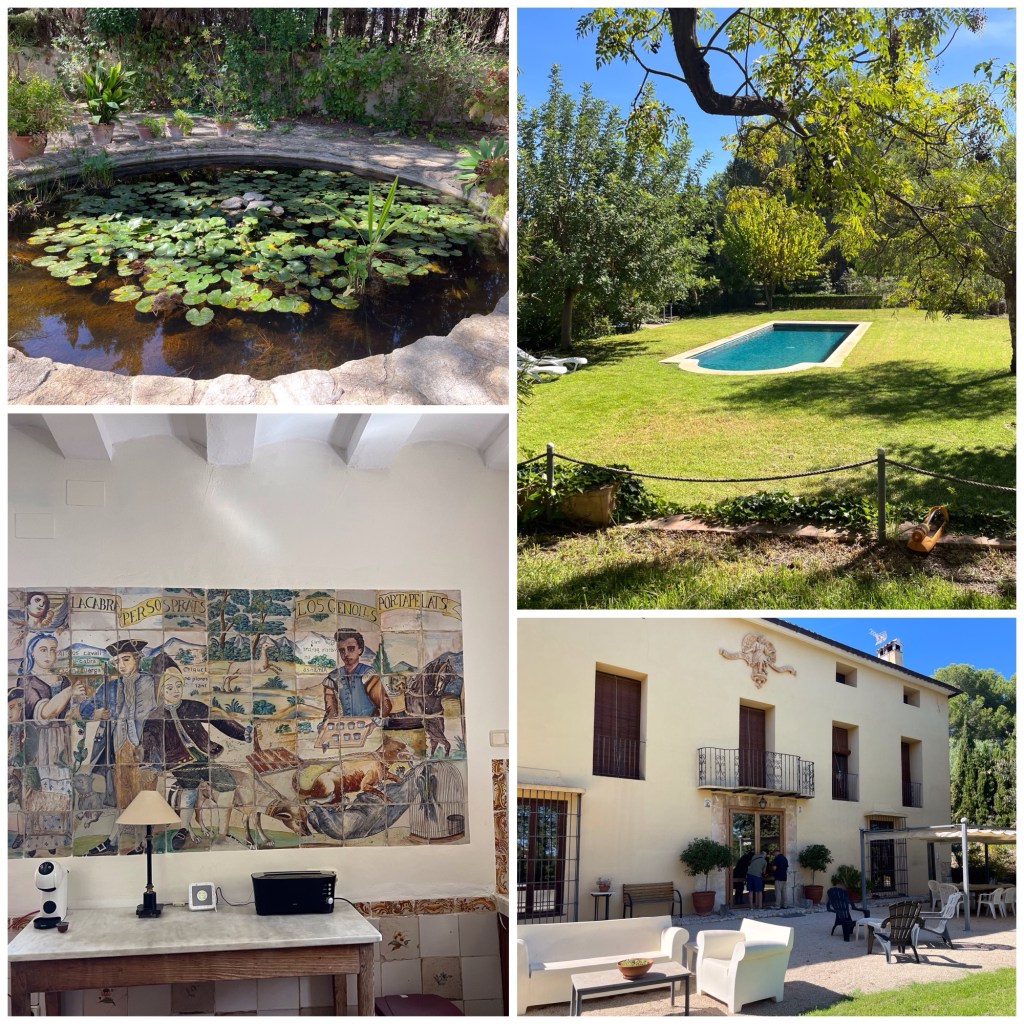
One other huge draw—our manor house. It really was a big, big factor. We rented the house (an AirBnB) for two weeks just outside Ontinyent. La Baronia de Dalt. It is a grand old manor house with large, lovely grounds and a swimming pool. Five bedrooms, three en-suite. 5 bathrooms. AC. Large dining room, big kitchen and two large outside patios for al fresco meals. Lots of art work and beautiful tiles. And all at price you’d be lucky to pay at a Holiday Inn Express in the US. We were two couples, but the house could have easily had four couples or one very, very large family.

Still with all the charms the manor house had, the real attraction was the surrounding sites. A bit of the history of the Romans. Then Visigoths. Obvious remains of the Moors, and Christians in the Middle Ages. Often in the same site.

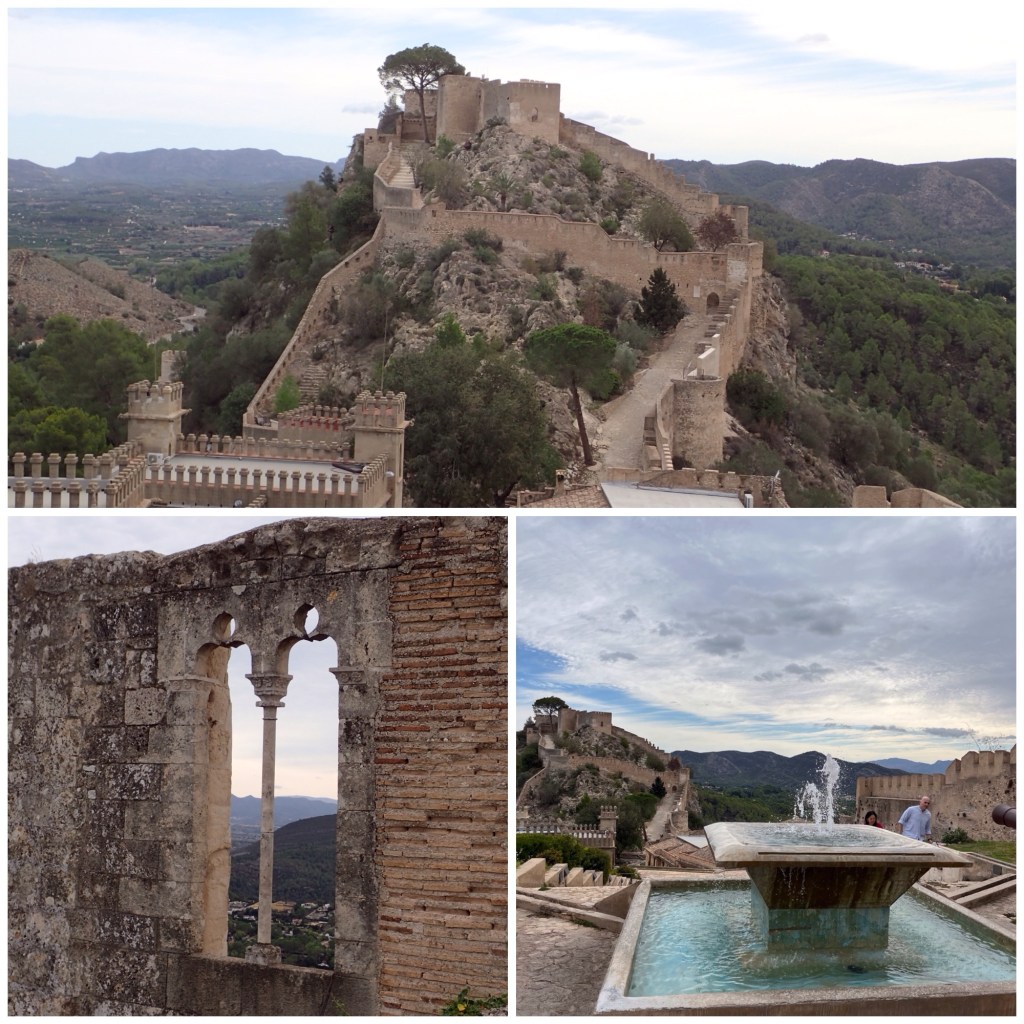
Our favorite place nearby is Xativa, a short drive away. The huge castle complex high above the town dominates. Thankfully, you can drive to the top although locals seem to use the 30 minute hike up to the top as an exercise routine. It is a defensive marvel. Steep cliffs on all sides. The Romans saw its value. Hannibal used it in his war against the Romans. The Moors expanded it. The Christians continued to use it until modern weapons in the early 1700’s and several earthquakes made it obsolete.

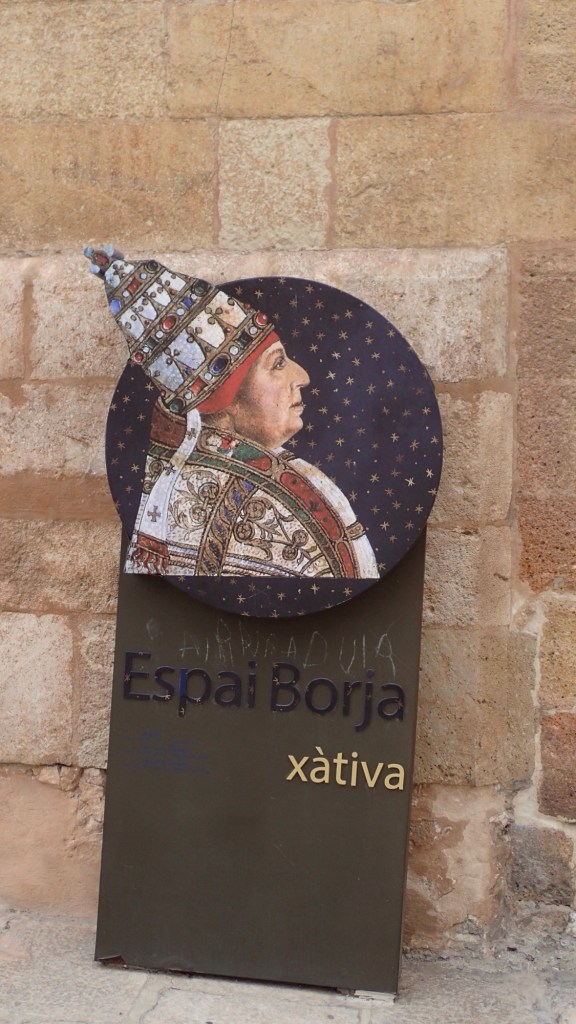
The medieval town far below is famous for one family—the Borjas. Two Spanish Popes were born here. Calixtus III and Alexander VI (father of Lucretzia and Cesare)—both with less than stellar reputations. Were they really that bad or were they simply victims of an anti-Spanish Italian propaganda campaign? Anyway, this is a pro Borja town.

The old town is delightful to wander around. On Tuesdays and Fridays there is a huge outdoor market that takes over several plazas and streets.

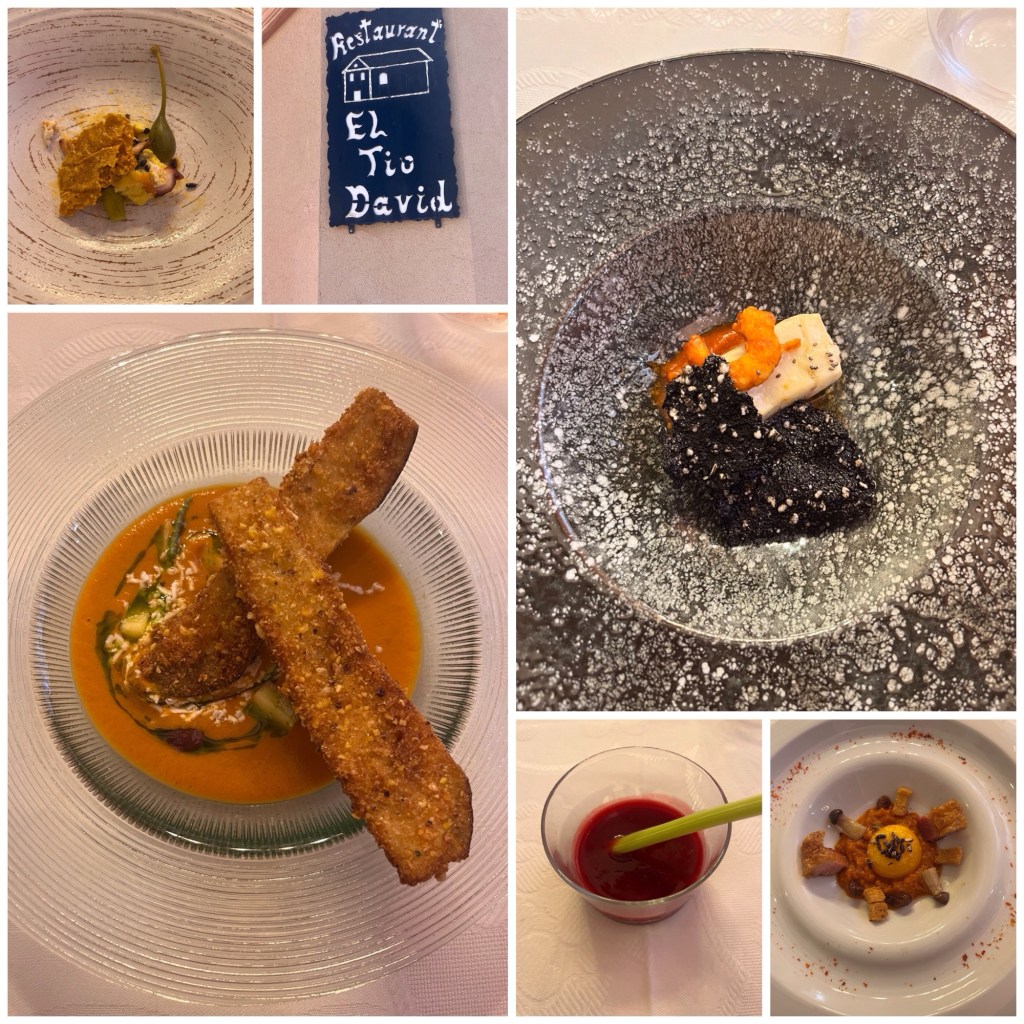
And there are plenty of top-notch restaurants hidden away in these little towns — we were surprised at the number of Michelin stars within a half an hour or so, including one where we had probably the best meal of the trip.

The area is also known for its excellent wines—not as famous as Rioja or Penedes—but very good and at prices that astounded us. A glass of excellent red at restaurant was often less than bottled water. The local grape, bobal, produces a fine red wine comparable to a Cotes du Rhône.

So “Why here??” Great sightseeing, beaches, hiking, wonderful food, good wine, fewer crowds, great accommodations, and, by the way, perfect weather in October. We think the answer is pretty clear.

Paella: Is the Original Best?

We’ve had bacalao (reconstituted salted cod) in Lisbon, cassoulet in Carcassonne, haggis in Scotland, ratatouille in Provence, buckwheat crepes in Brittany, khachapuri in Tbilisi, sushi in Tokyo, bouillabaisse in Marseilles, sauerkraut soup in Slovenia, and many other local dishes in the their place of origin. Being foodies, we assume that locals know best and the place where the dish originated will make the best version. And in most cases, it’s true.

But sometimes, the authentic version disappoints. Not because of the quality of the food or preparation, but because our pre-conceived notions are wildly wrong. For us, the bouillabaisse in Marseilles, in one of the top bouillabaisse restaurants, Chez Fon Fon, was a case in point. We expected a San Francisco style cioppino (our ignorance) and got a strong, fishy, gray-brown broth as a first course and then the fish that was stewed in the broth for a second course, followed by the potatoes that had cooked with the fish. All served with a trio of mayonnaise based sauces on the side. The fish had been caught that morning and was presented to us before cooking to allow us to confirm its freshness. End result to our palates? Overly fishy, not particularly attractive in appearance. Glad we experienced the meal, but not our cup of tea.

So, in Spain, just outside of Valencia, on a huge freshwater lagoon, the L’Albufera, surrounded by rice paddies, is a small town—El Palmar. It is reputedly the birthplace of paella—the ubiquitous rice dish that can be found in food carts, public markets, restaurants and bars all over Europe. It is probably the only Spanish dish that most Americans can name. And yet just like barbecue purists might scoff at a Texas BBQ product in Anchorage, a restaurant we walked into in Madrid had big sign in English “This is Madrid! We do NOT have paella.” We’ve had so many bad versions of the dish (one in Barcelona allegedly at one of the top paella restaurants) we were worried about what we might get. We had also heard that paella in Spain is often mass produced, frozen, sent off to restaurants to be reheated. There are so many bastardized variants—we wouldn’t be surprised to find a pineapple and ham Hawaiiana version.

We made the foodie pilgrimage to El Palmar anyway. We had to know.

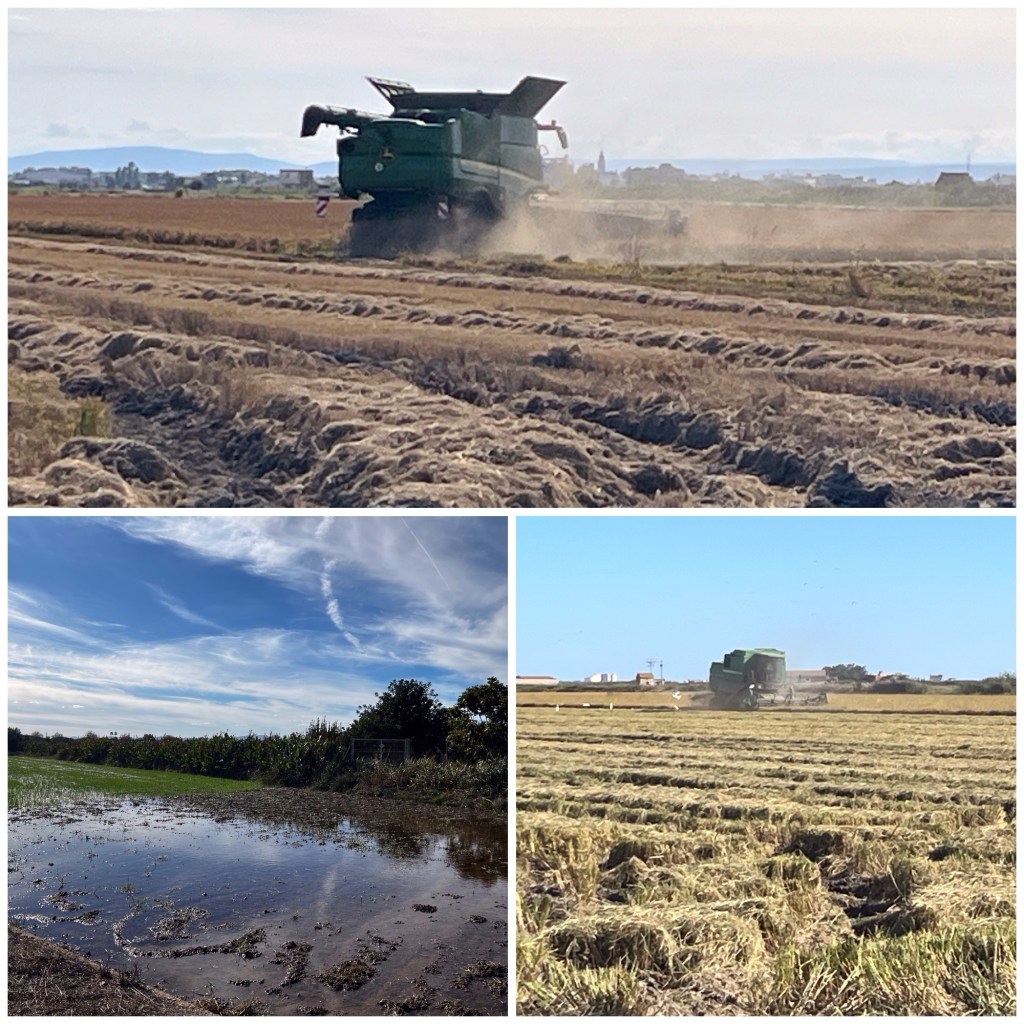
Driving in from the south, once we got off the A-7 freeway, and as we got close to El Palmar, rice paddies and irrigation canals everywhere. Promising.

El Palmar itself is not much—dusty, a bit run down, one long main street along a canal that empties into the L’Albufera, a few quaint old fishermans’ huts (A-frames with thatched roofs restored to add some small character to the town), and dozens of paella restaurants. And signs everywhere announcing Paseos de Barca—boat rides on the lagoon.

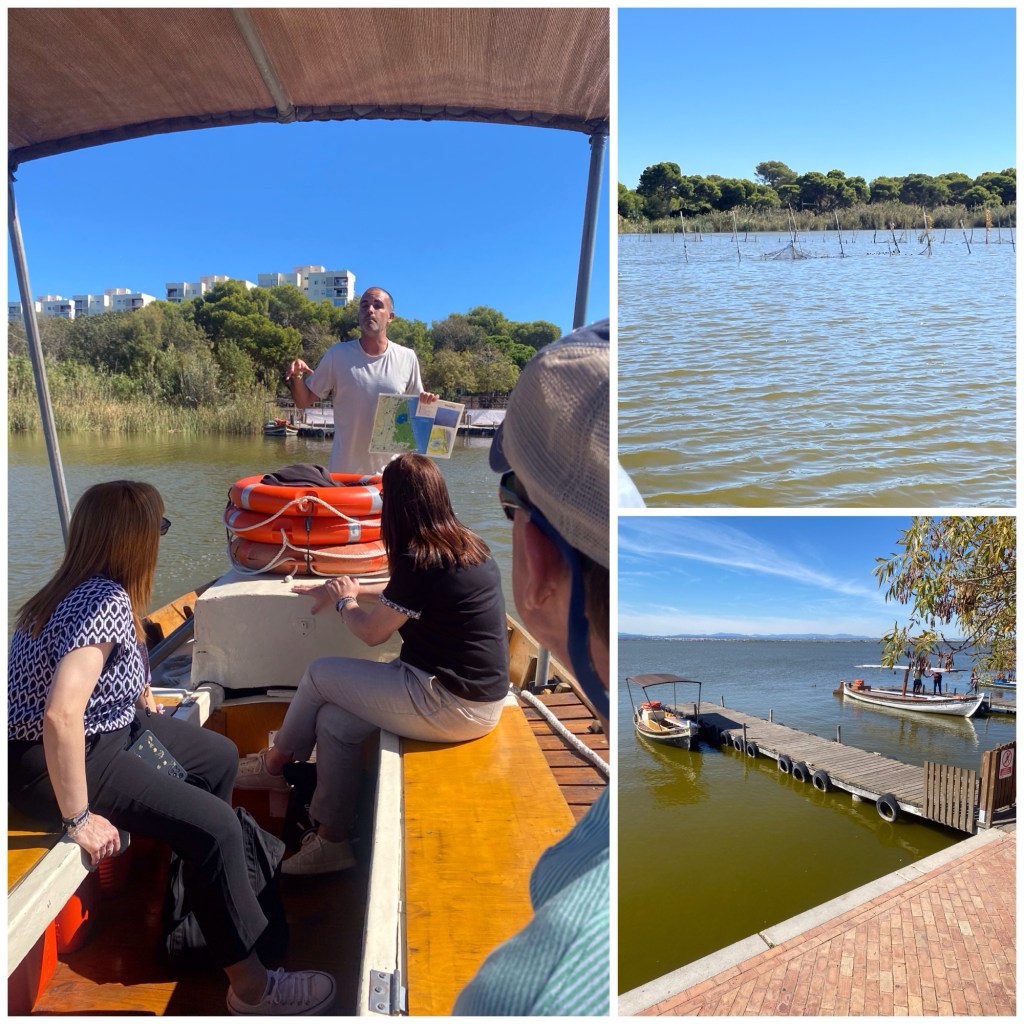
Yes, we did take a boat ride on the lagoon. We stumbled onto a small boat—there were 8 passengers and it was delightful. 5 euros a person. A steal.

Lots of good information written in multiple languages. Our boatman also spoke English and told us the lagoon is now polluted even though fisherman still work the nets, it’s a meter deep, that it is flushed from time to time into the ocean. We wandered through narrow channel and chased the mallards and moorhens out of our way.

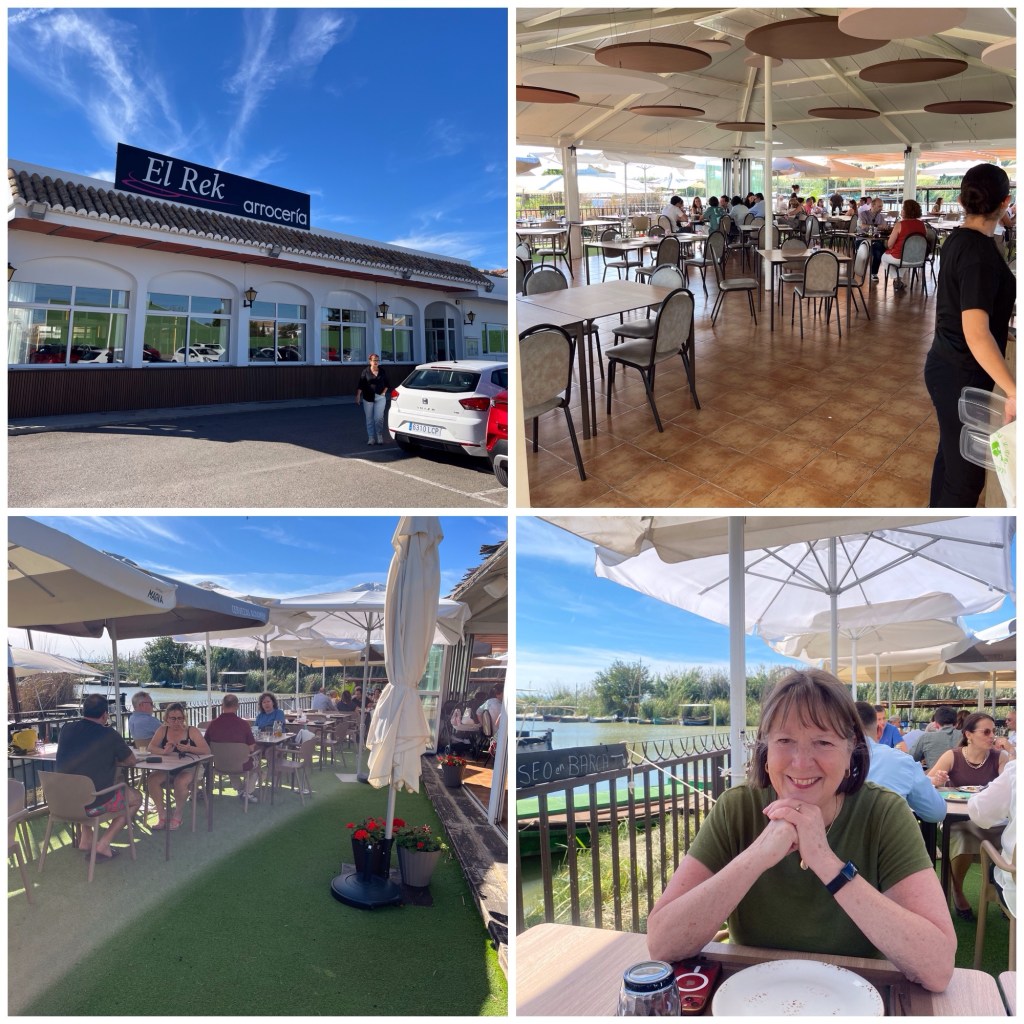
Then it was time. With some trepidation we led our friends to a restaurant with a good reputation and good reviews, El Rek. https://www.arroceriaelrek.com/ The sight of a bus load of tourists coming out of the huge restaurant as we went in was not encouraging. Uh-oh, tourist trap? Well, at least they were Spanish tourists.

Once in the restaurant we were encouraged to see several long tables of locals, dressed for a celebration, enjoying their meal. Very promising.

The waiter asked us as we walked in “Did we order the paella in advance.” “No.” I said. “No worries.” he said. When we looked at the menu, it said, in Spanish, “If not ordered in advance, the paella will take an hour.” Very, very promising.

When we looked at the menu (on our phones from a QR code like many restaurants we have been in here), the first paella listed was the traditional Valencia paella—rabbit and chicken. Yes, there were variants, including a version with local snails (not escargot) several seafood versions. The smallest size was for two people.

We ordered a bottle of white wine and the house green salad to sustain us as we waited the one hour for our traditional chicken and rabbit paella and the seafood in shells version. Maybe 45 minutes later the long-anticipated paellas were placed in front of us.

Paella is really all about the rice. The mark of a good paella, we have been told, is the crispy, deeply brown edges. And it is generally eaten communally, with a spoon from the cooking pan — in fact, paella means pan in Spanish — and we saw locals scraping every last morsel of rice from the pan. We opted for serving spoons and separate plates. American style, perhaps?

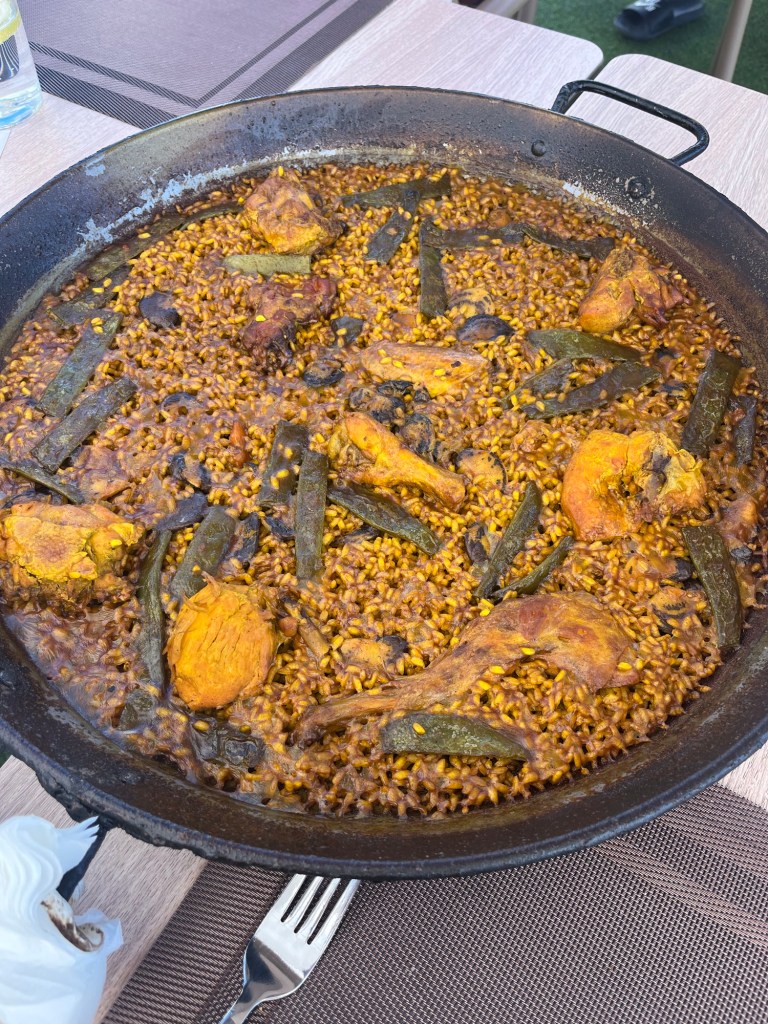
The chicken and rabbit version came with a few mature fava and romano beans. Less meat and fewer vegetables than what I have been served at home. Rice was cooked through, but not the least bit mushy, obviously enhanced by a very rich stock. No sweet red peppers, or chunks of ham, pork or decorative peas. But tasty. Very tasty.

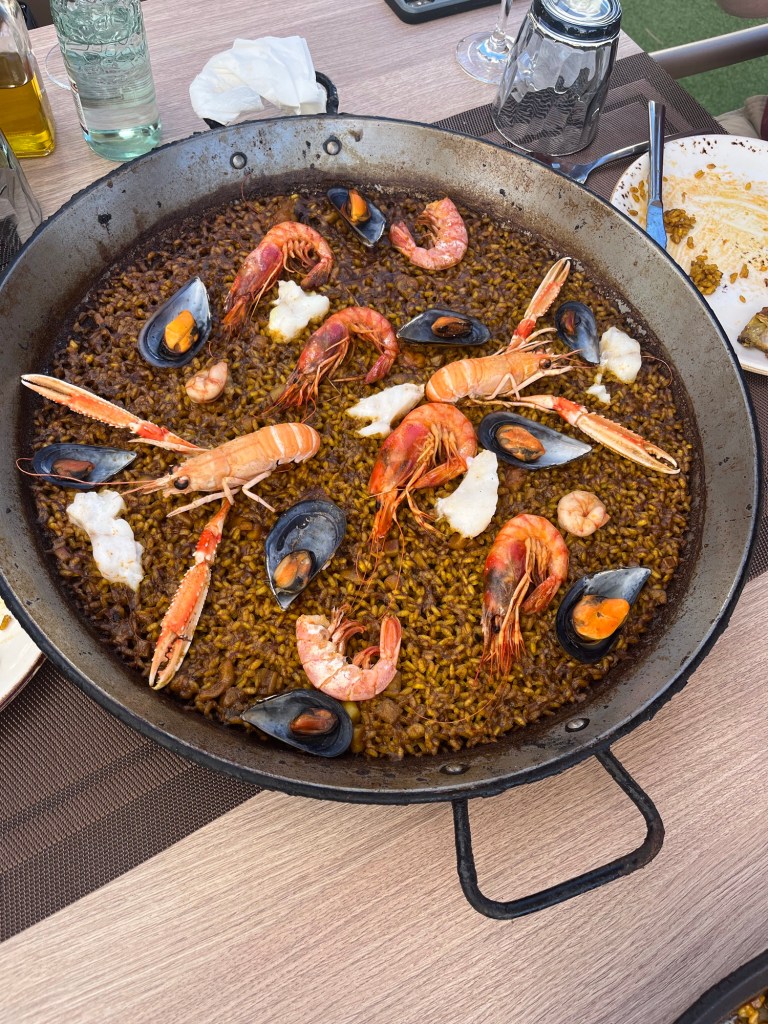
The fish version fell into the same category as our first sample of authentic bouillabaisse. If you like canned sardines and anchovies, you might like it. A bit fishy for us. The shellfish was a bit overdone and underwhelming. However, we have to acknowledge, coming from the Pacific Northwest, catching our own crab, salmon, and shrimp, we’re spoiled when it comes to seafood.

Still, we ate every bit. We concluded that traditional version is really the way to go.

And did the paella, prepared and served in the traditional way with the traditional ingredients using the locally grown rice in the town that originated the dish, live up to its reputation? The answer is a resounding “Si!”

Valencia: More than Oranges

We had allotted three days in Valencia itself. We were staying for two weeks an hour outside the city so we thought it would be plenty of time to get acquainted with the town. Mistake! Clearly not enough time. We never made it to the Jardin du Turia, the 9 mile long river park, the Ciudad de las Artes y las Ciencias with its space age designed buildings, the port and its beaches. Instead we ate, drank and laughed our way through the city with expat friends who now live in Valencia.

It all started with Peter’s former colleague who just two weeks ago moved to Valencia with her husband, her mother and three dogs. We reached out and set up a rendezvous with her for our first full day in the city. Next thing we knew, she had arranged an “American luncheon” with four other formerly Seattle based expats. We arrived at restaurant to a warm welcome — hugs all around — and quickly after exchanging names, establishing we had friends in common back home and had visited the same restaurants and neighborhoods in Seattle, the laughter and stories started. And we certainly took advantage of their knowledge of the city. One couple had been here for over two years and knew the city well. Where do we go to buy kitchen knives? (Our travel kitchen knives had been confiscated by the train security people on our trip from Madrid.)  Where can we get good coffee? (Spain offers lots of great food and wine, but the coffee is spotty — particularly for coffee obsessed Seattlelites.) What should we be sure to see? We learned the morning discount at the local gym went from 9am to 3pm! Noon is Seattle translates to 3pm in Spain. We asked for advice on a good food/city tour. One of our new friends, David, a very knowledgeable amateur historian, offered to show us around the next day instead. Bingo! We were delighted by his generosity.

We met at 9:00am the next morning at a favorite local coffee shop with breakfast foods. Decent cappuccinos as promised.

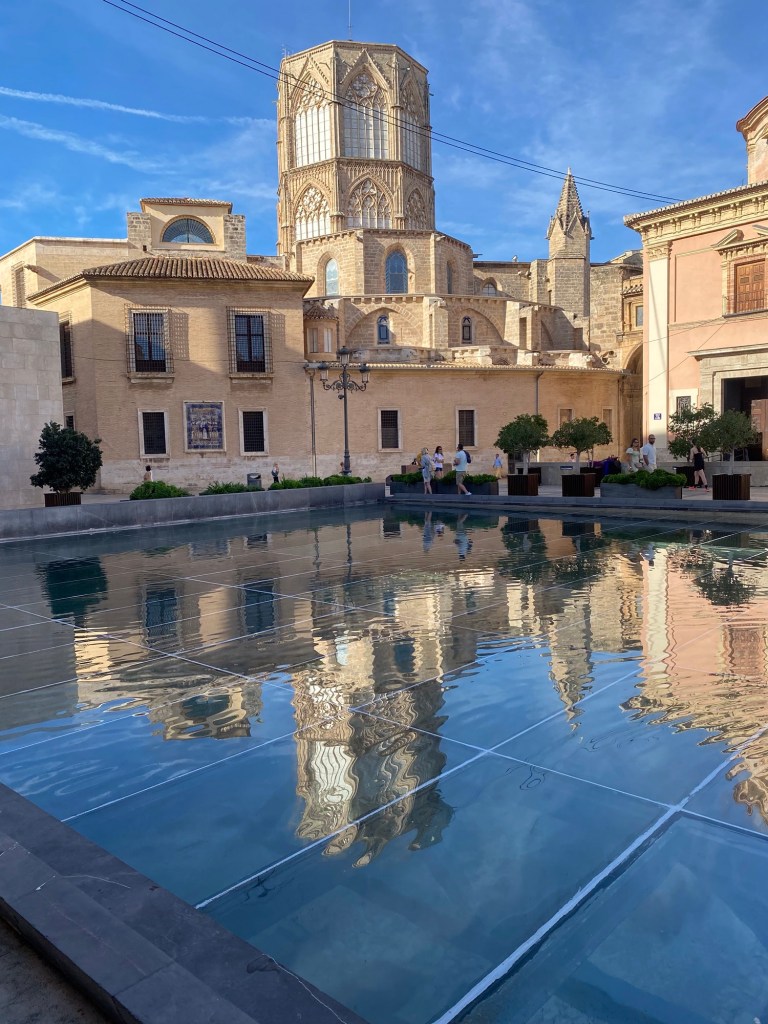
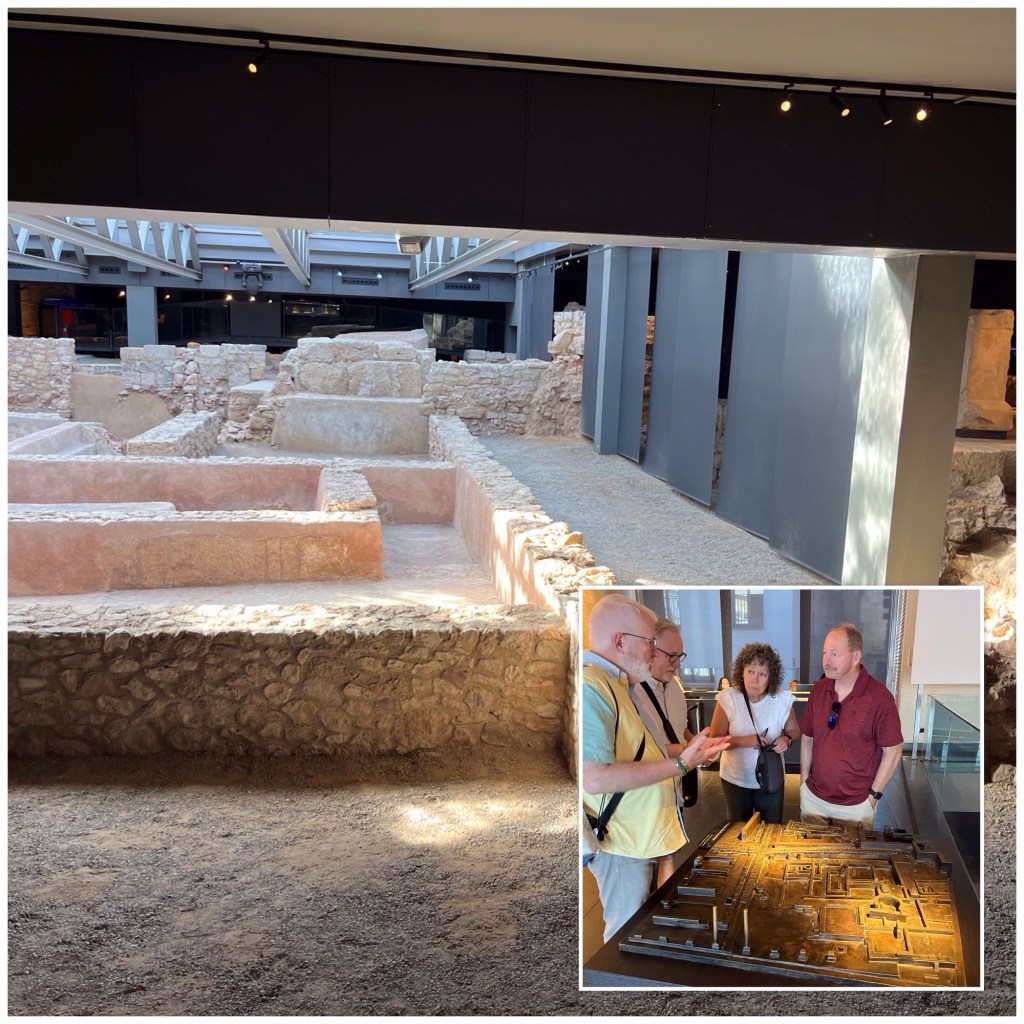
David approached Valencia’s historic core from a chronological perspective — from Roman times to modern day so we started at L’Almoina.  This square was dead center of Roman Valencia where the two main Roman roads intersected


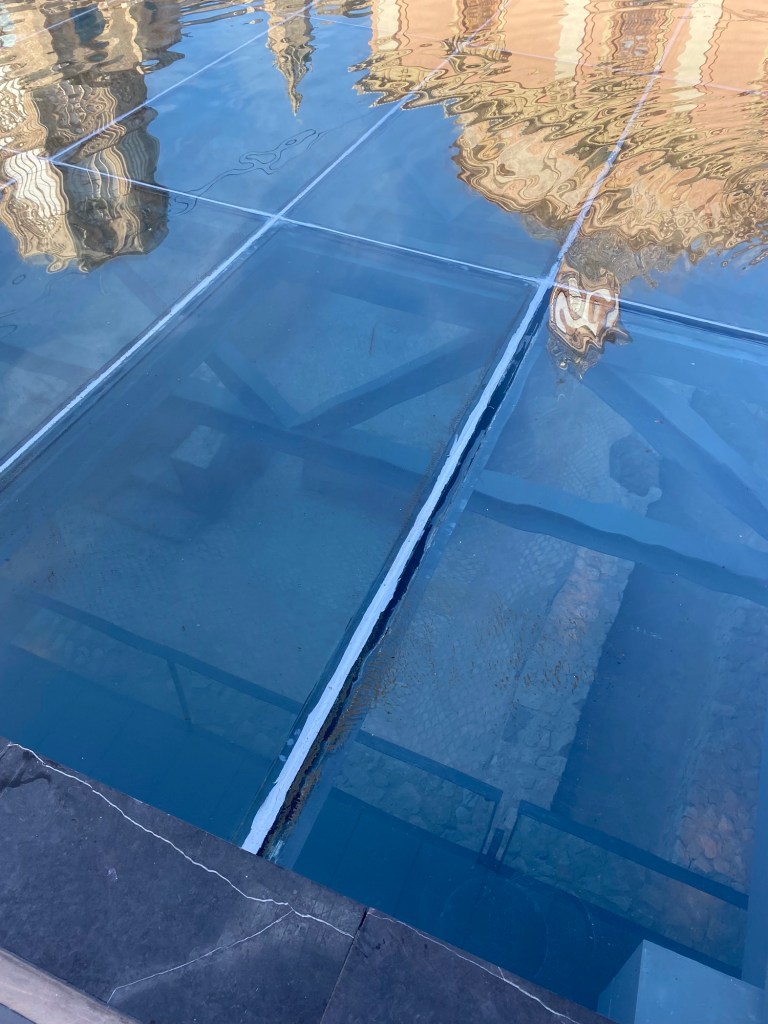
Beneath a square  through a reflecting pool you can just make out the Roman, Visigothic and Islamic ruins. 

The Roman ruins through the reflecting pool.

Once down the stairs inside the museum, you can see the remains of the baths, forum and city life on what was once an island in the Rio Turia.  Fascinating glimpse into the city’s ancient past and a reminder of how extensive the Roman world was.

Roman ruins and a scale model of what has been excavated

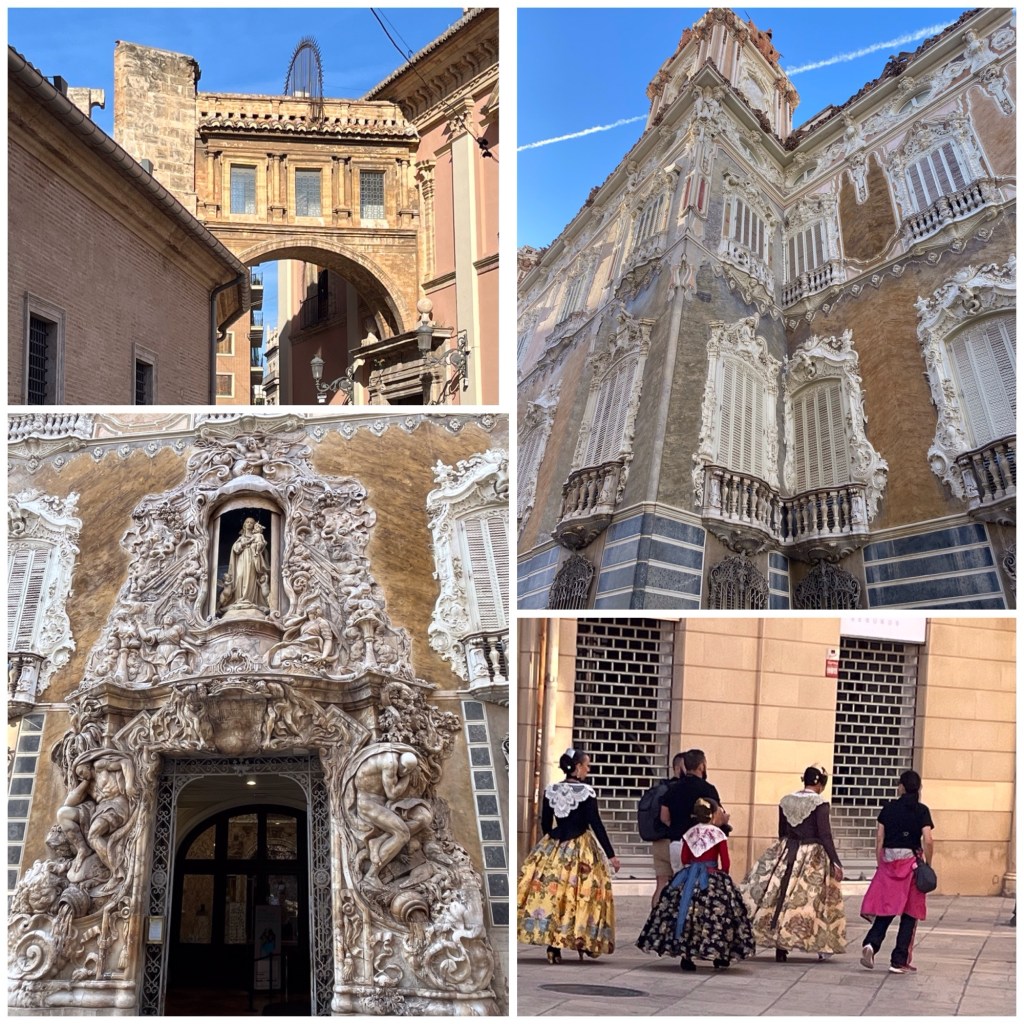
From there we hit to top medieval  tourist sites –  at the Palace  of the Marquis of Aguas we laughed at the over-the- top baroque decorations, including a statue of the Samari on the top of building, the grand Cathedral with the “real” Holy Grail, Plaza de La Virgen and so much more.

Baroque Rococo palace the scenes around the historic center of Valencia

The biggest oh’s and ah’s were probably reserved for the Silk Market, a UNESCO World Heritage site.  Beautiful twisting columns, originally painted to look like palms beneath a blue sky (you get mere glimpses of the colors today) and the second floor of the Consulado Del Mar where the merchants’ court sat beneath a fifteenth century carved ceiling moved into the structure after it was constructed. And the gargoyles!

Silk Market

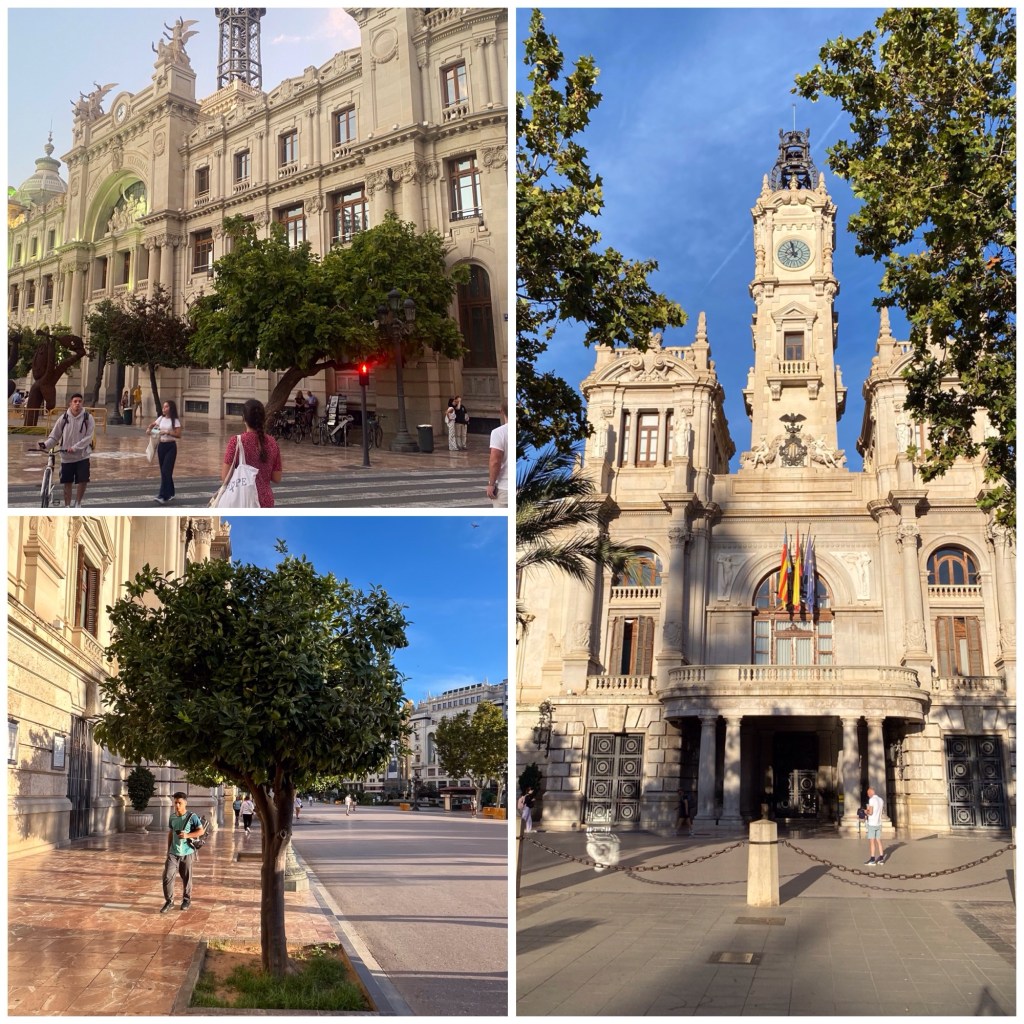
We ended our tour back where most start, between the city hall and the post office and telegraph building.

Post and Telegraph build, city hall and an ubiquitous sour orange tree planted through out the city

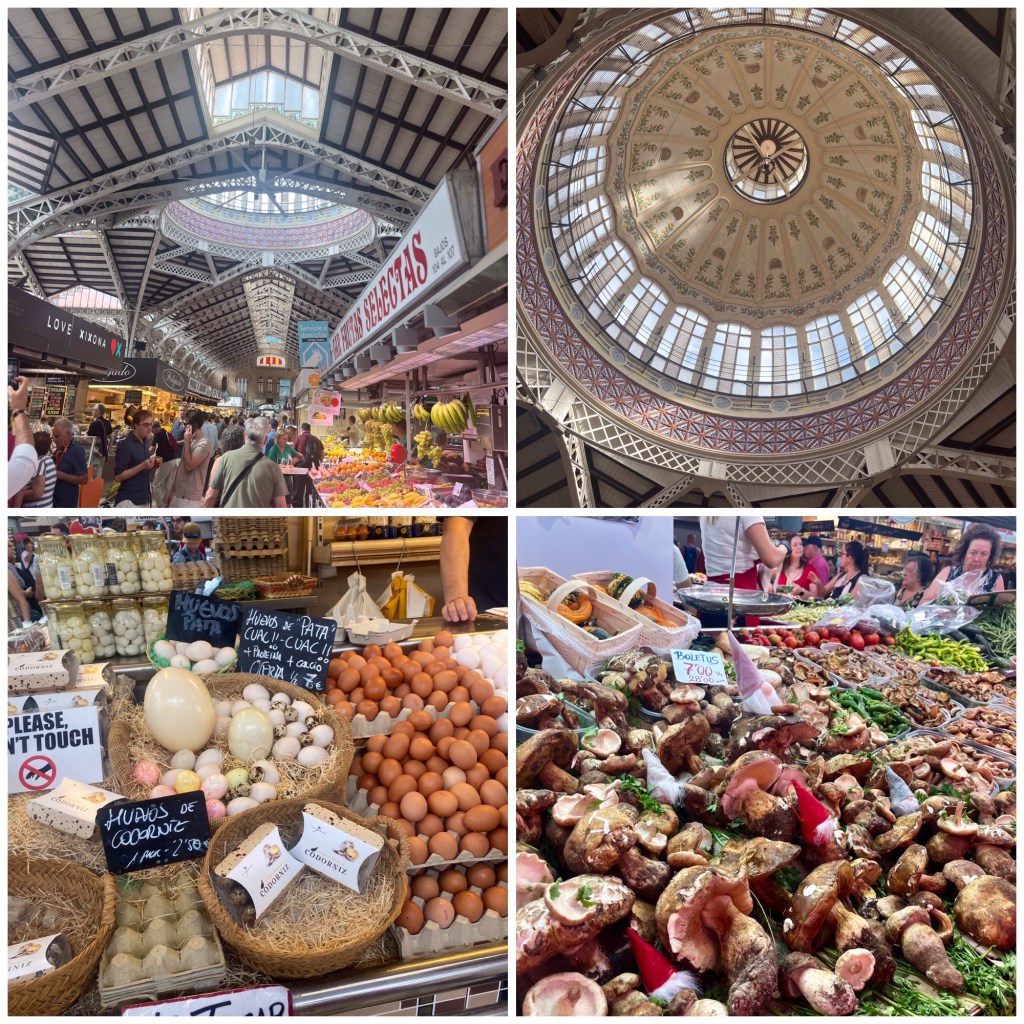
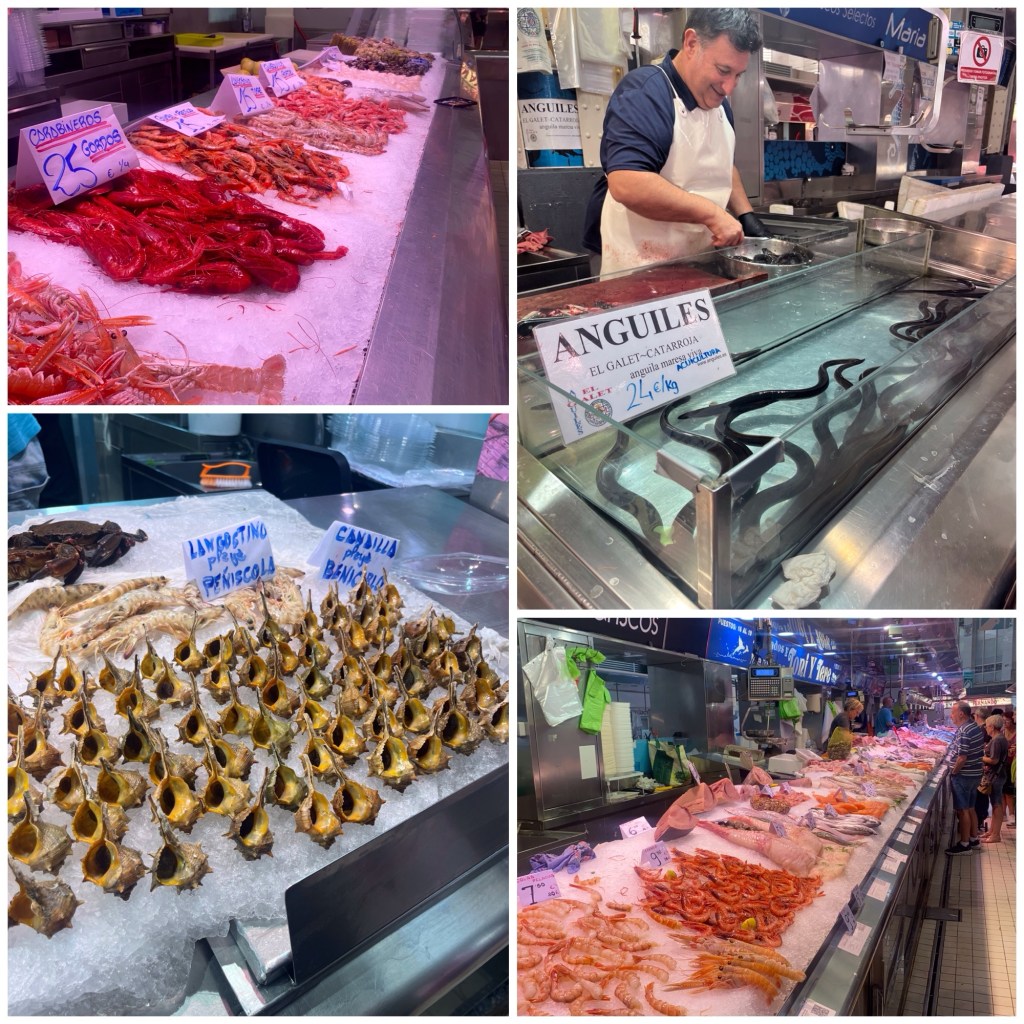
We skipped the Central Market — a not to be missed site — as we had seen it the day before.  The largest covered market in Europe—over a 1,000 stalls. Foodies that we are, it was almost our first stop in Valencia and worth every crowded moment we spent among the tourists and the locals doing their shopping. 

Central Market

And while we mainly purchased cheeses and cured meats for snacking, the vegetables, fruits and fish made us wish we had time to cook a couple of dinners.

And in true Valencian style, we ended city tour with a three hour lunch with our friends.  More good food, more good wine and more good laughs as we sat and enjoyed the company of these old and new friends.  Quite an introduction to the city!    

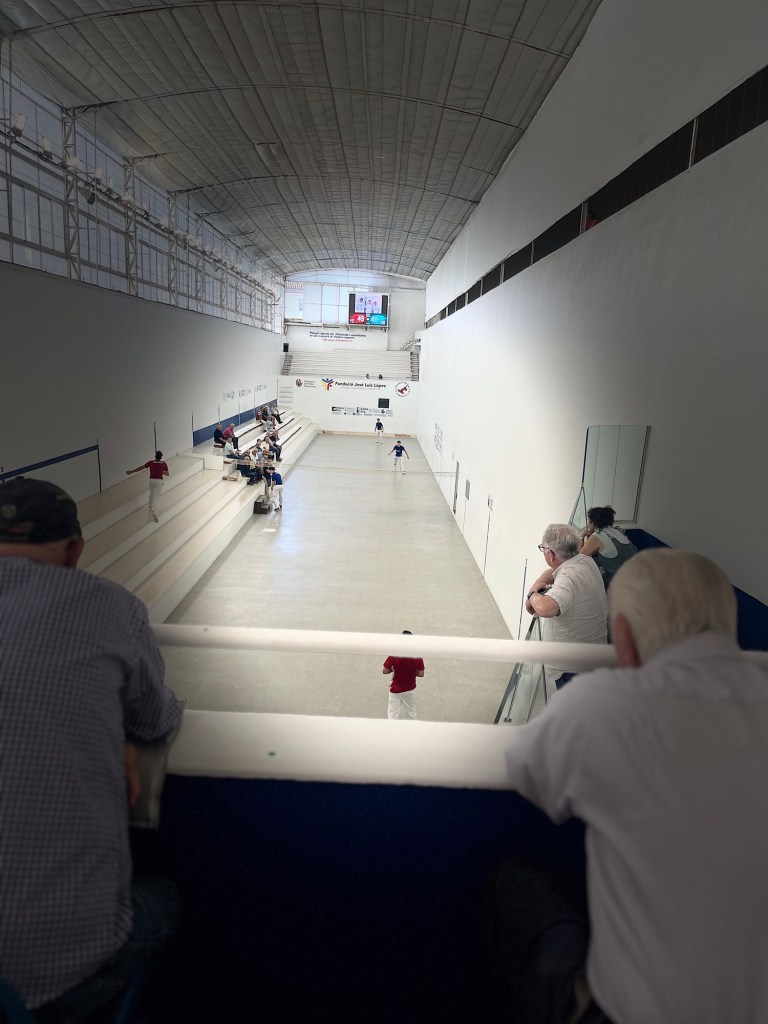
We managed to squeeze in a few other special moments in Valencia. Just happened our temporary home was right next door to a restaurant recommended by our host and we discovered attached to the restaurant was a Pelayo court—a game that is a cross between tennis and handball. We bought tickets for an amateur match. The mother of one of the players explained the game to us — the scoring was like tennis, but the rules were wildly different. Every surface of the court was playable, including any spectator who got in the way of the ball, as long as the ball fell back onto the floor of the court. Wild!

 Historically, the game had been played in the streets of Valencia and still retained a bit of the rough and tumble feel of a street game. With mom beside us, we cheered on her son to victory.

Our three short days were not enough to fully enjoy Valencia! We are beginning to understand why our new and old friends have chosen to make this place their new home. We will be back for a much longer stay.


London Lemonade

Well,  it finally happened. 

Westminster

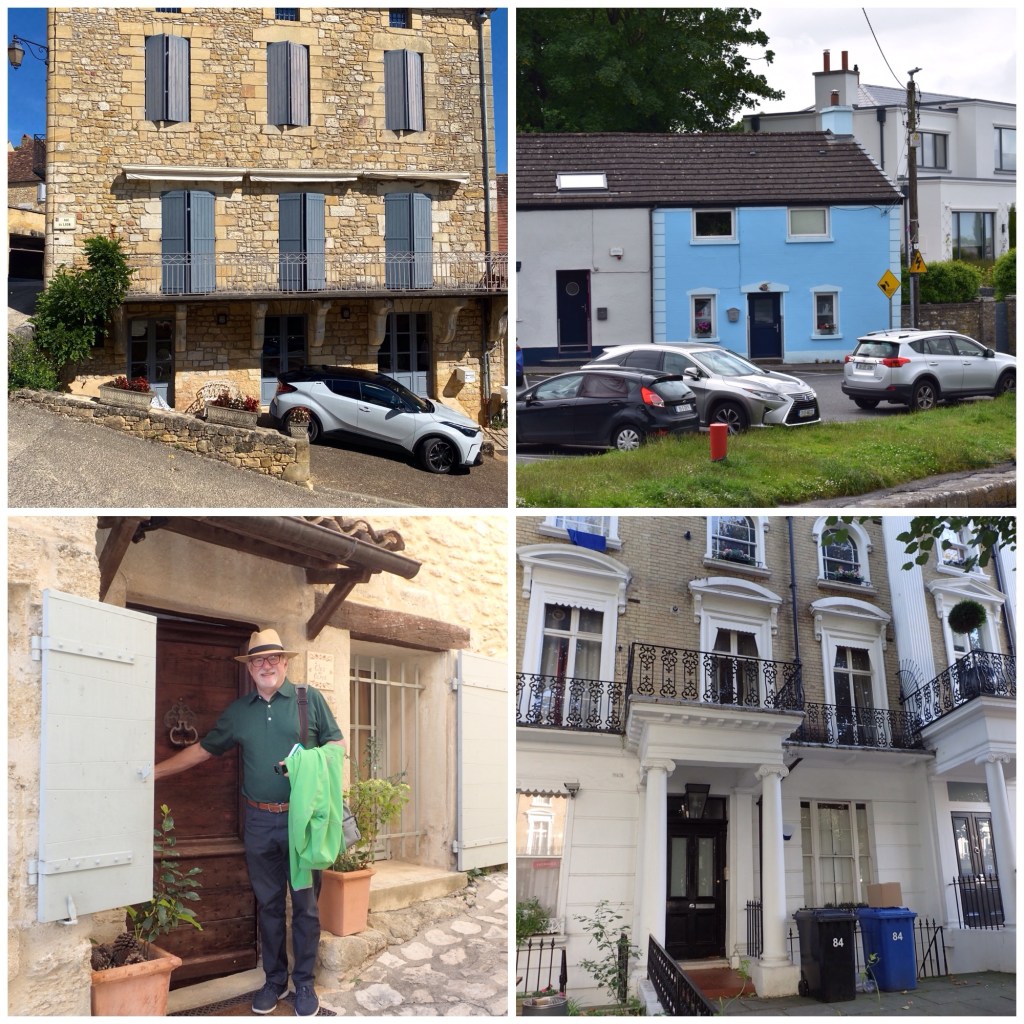
We’ve used AirBnB’s for years with amazingly good experiences.  Some truly fabulous accommodations—a gorgeous 19th century house in the Dordogne, a spectacular modern villa in Istria, a stunning apartment overlooking the Opera House square in Palermo, a fisherman’s cottage on an Irish bay. And dozens more great stays.  And never more than a minor problem checking in—and even that was very rare. 

Some of our “homes” over the years — St. Cyprien, France; Kinvarra, Ireland, Uzés, France, and London, UK

This time was different.  

We flew to London from Seattle, traveling with another couple.  Three nights in London in transit to a month in Spain near Valencia. After going through customs and immigration at Heathrow, our travel companion checked her e-mail only to find out that the AirBnB she had booked for the four of us had been cancelled. The notification was sent to her while we were in the air. Panic, disbelief, anger, grudging acceptance, action. The five steps of travel grief. 

We had arranged a driver, Kevin, to pick us up at Heathrow and take us to a luggage drop (surprisingly—at a dry cleaners) near our now non-available apartment.  We had a very early arrival so we needed someplace to store the luggage until the 3:00pm check-in time.  The issue was where now to tell Kevin to go.  Fortunately, it’s a long drive into London so we had some time. We told him to go to the original drop off address until we found a new temporary home.  Kevin was a charming, upbeat fellow.  A talker. “No worries, mate!  London’s a big town— you’ll find something.”  

Three cellphones were in now in full operation.  Our friend was on the line to AirBnB customer service to find out what the hell had happened. (Note to self—always have that number for future rentals).  After several calls back and forth she discovered the property had been sold.  The lack of notification from the owner violated AirBnb policies. Small comfort to us.  Ironically, we had read an article several months ago describing this exact issue with short term rentals. As property values sky rocket in cities like London, the owners can make more money selling than continuing to do short term rentals. 

Now we had to find something fast. Really fast. Two of us were furiously checking other options.  Lots of discussion and passing of phones among the four of us.  Too small!  Too far from the center!  Too expensive!  Ugly!  But then, even before we hit central London, Eureka!  We found a new place, and booked it.  It was in Westminster near St. Vincent Square—15 mins walk from Westminster Abbey and the Houses of Parliament. Fit all the criteria we had laid out.

“Home” Sweet “Home” second try

A second quick search  found a new luggage storage place close to our new home—a small postal services store. (Seems these luggage storage places are either in dry cleaners or private postal service shops.  Wonder why?) And Kevin delivered us there safe and sound.  AirBnB customer service transferred the payment to our new booking and provided a small discount for the inconvenience.  Actually, they were very helpful.  Done!

Thoroughout the drive into London, our cabbie had been reassuring and upbeat. London cabbies are a special breed.  The test to become a driver is actually a series of tests, mainly oral, that replicate the kind of nice or obnoxious, demanding person who might be a passenger.  The process takes at least 18 months, more commonly 2-5 years depending on the amount of time the person can devote to study.  As one cabbie told us, it may be easier to get a law degree. Most cabbies we have encountered are well versed on London history, know how to get to the most obscure addresses and are simply charming. 

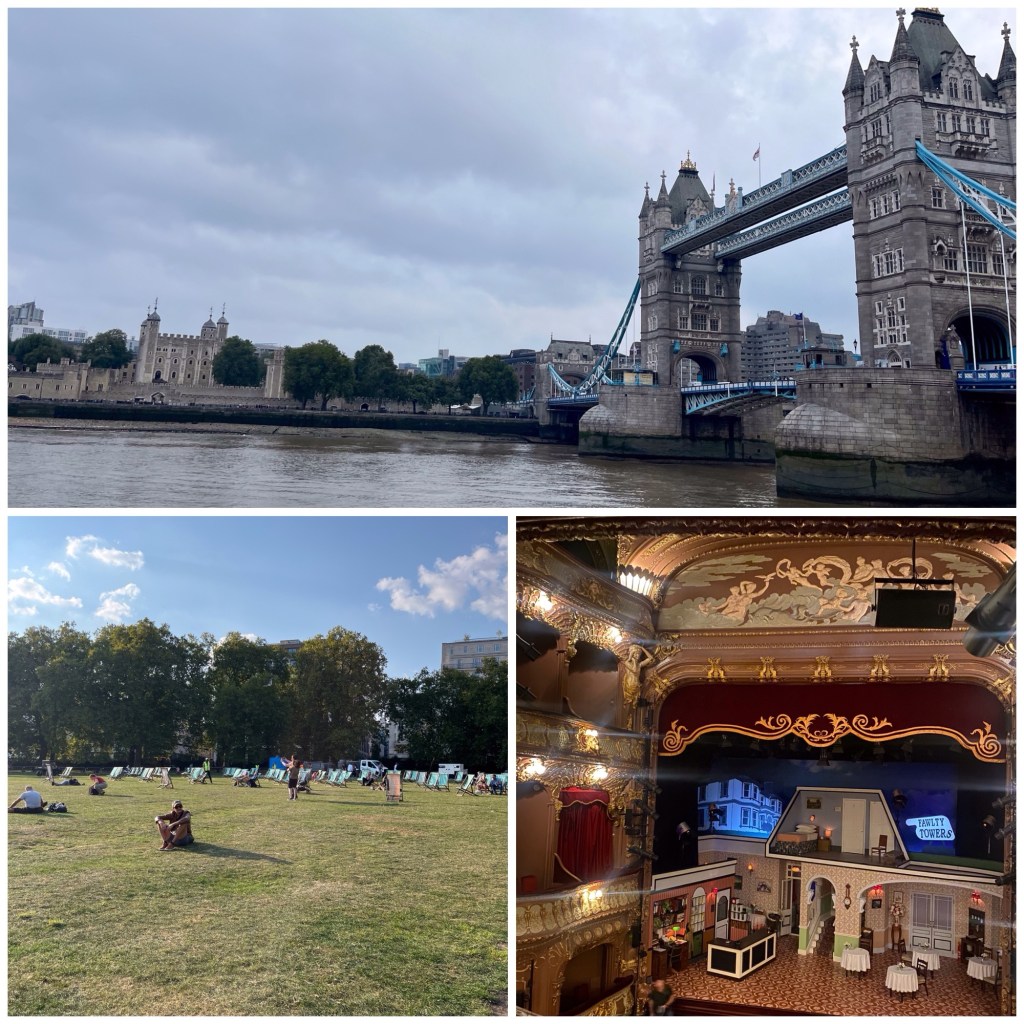
Once quickly settled into our new home, we had three lovely days in central London. We took in the evening prayer service at Westminster Abbey (free and offered at 5:00pm in place of Evensong some days) to the lucky hundred or so who show up first) saw a West End play (recreation of the old Brit TV comedy, Fawlty Towers – delightful) strolled the south Thames river walk past Westminster through China town and the Green Park.

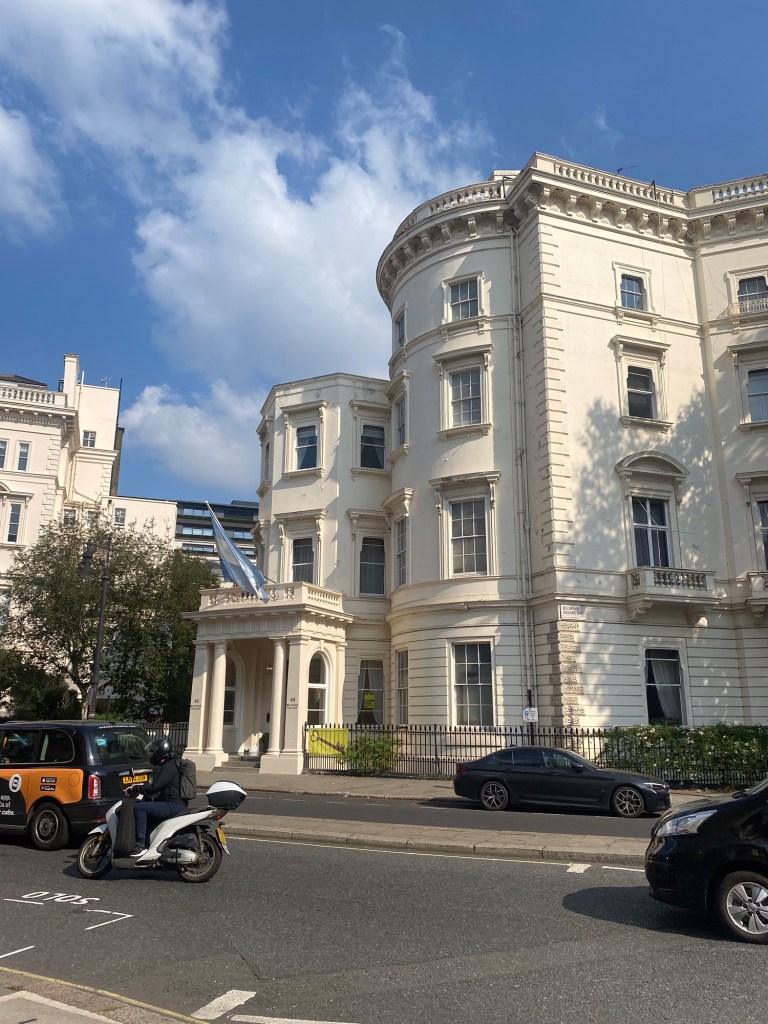
And we managed to catch a bit of a special London event we had heard about — rarely open sites of historical or architectural interest, (Open House Festival)  and toured two Belgrave Square historic mansions (one was the Argentine Ambassador’s residence). And managed to find some excellent pub meals. 

The housing crisis was a distant memory.

As the old cliche goes, “Handed lemons, make lemonade.”

For the Birds

Our third trip to the Cloud Forest in Costa Rica was probably our best. Maybe because we were ready for a break from the unseasonably hot weather on the Pacific Coast. Maybe because the roads were familiar, and now much improved from earlier trips. Maybe it was simply because the area is so gorgeous.

The Cloud Forest is special even for nature-rich Costa Rica. The wind from the warm Caribbean side blows the clouds up and over the continental divide, keeping the jungle below cool and wet. The clouds just hang on the mountain tops.

There was a 30 degree temperature difference between the Cloud Forest and the lowlands a few miles away when we were there this year. 98F vs 68F. We heard that climate change and the rising sea temperatures are changing this pattern a bit, meaning less rain fall in the mountains and more on the costal plains. It is worrisome—so much flora and fauna are dependent on the very specific micro climates of the Cloud Forest.

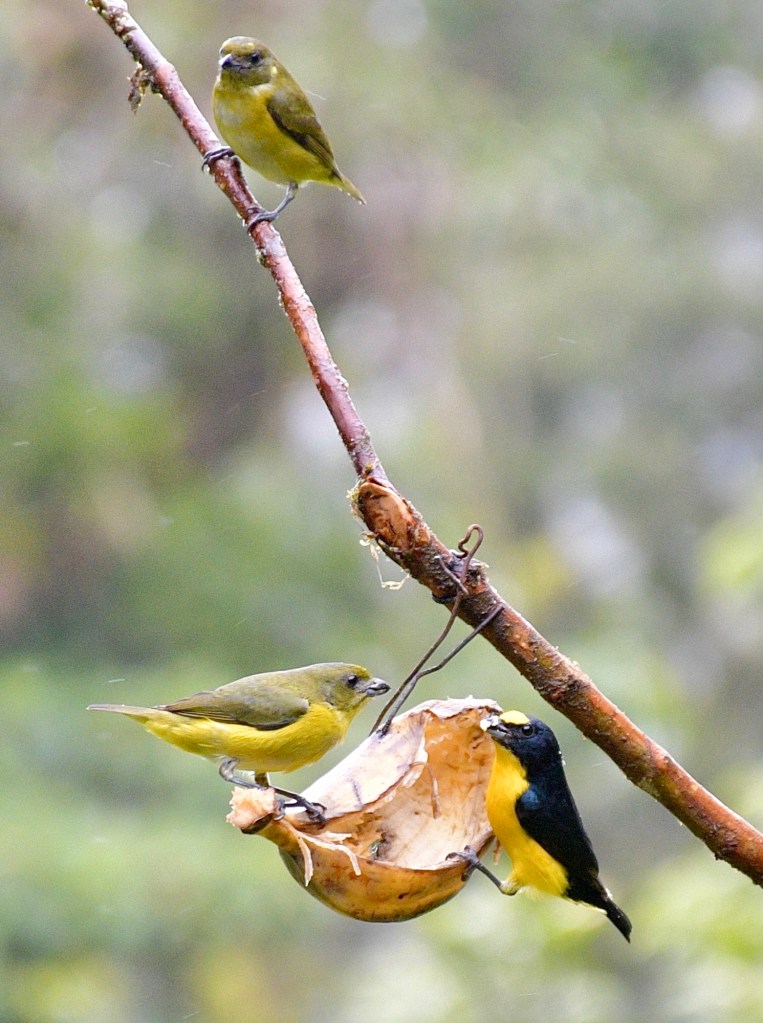
The big draw in the Cloud Forest are birds! Birders from all over the world flock here (pardon the awful pun). Situated between North and South America, Costa Rica is known for its incredible biodiversity and the amazing number of different birds reflects that richness. 918 at last count.

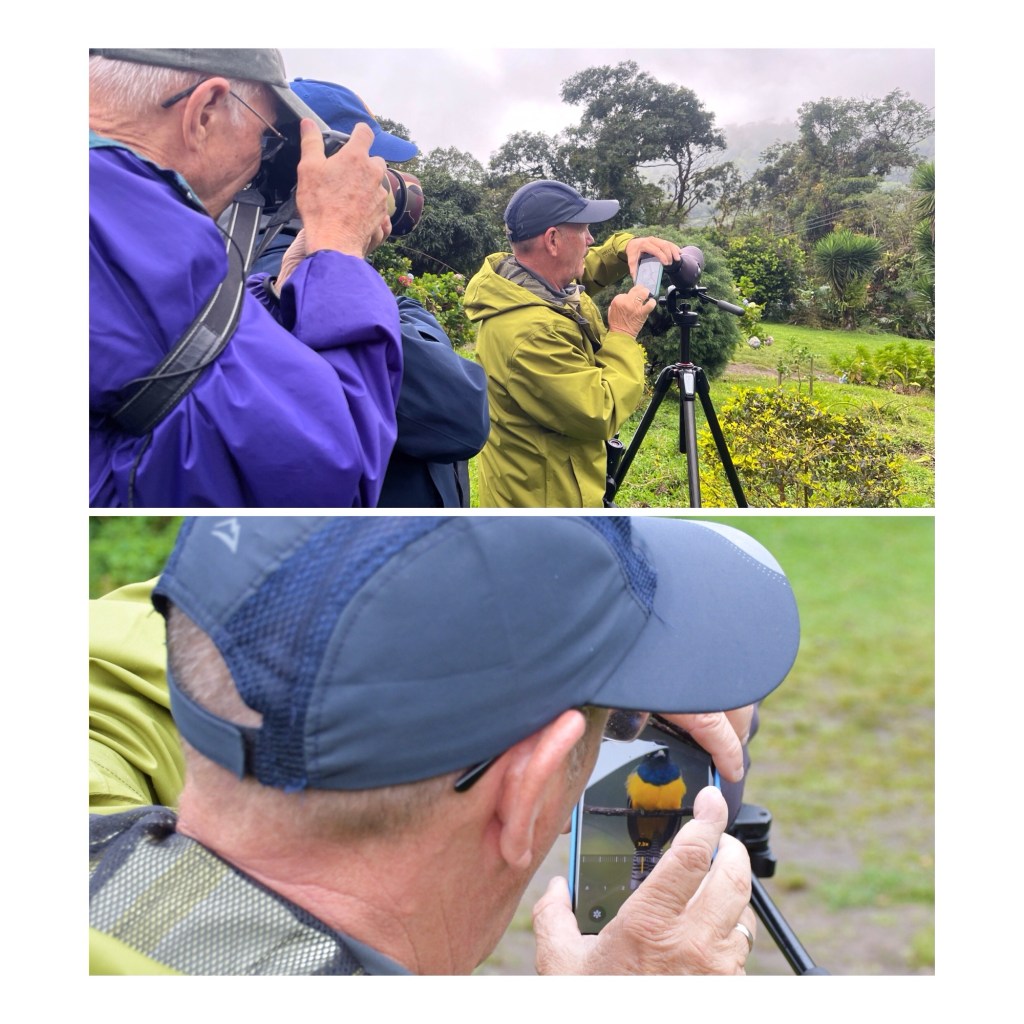
A disclaimer—we aren’t really serious birders. A passionate birder friend gradually sucked us in years ago when we traveled together. At first, we saw birding as an excuse to take a walk in the woods, green belts, or seashores. Then we began keeping track of the birds we saw. Technology, of course, made it easier with finger tip accessibility to information on birds and help identifying them. We were hooked. Now where ever we travel, we try to take a walk and look for birds. But in a place like Costa Rica’s Cloud Forest, you don’t need a book or a life list. Just grab a pair of binoculars and enjoy.

Seven years ago we birded in the Monteverde National Reserve, the most famous of the many Cloud Forest sites. We hired Adrian Menendez, an outstanding local guide. We haven’t been back to that park since, but have reconnected with Adrian. He’s led us up remote mountain roads, through other regional reserves and into private parks.

Over two mornings with Adrian this year, we saw nearly a hundred different species!

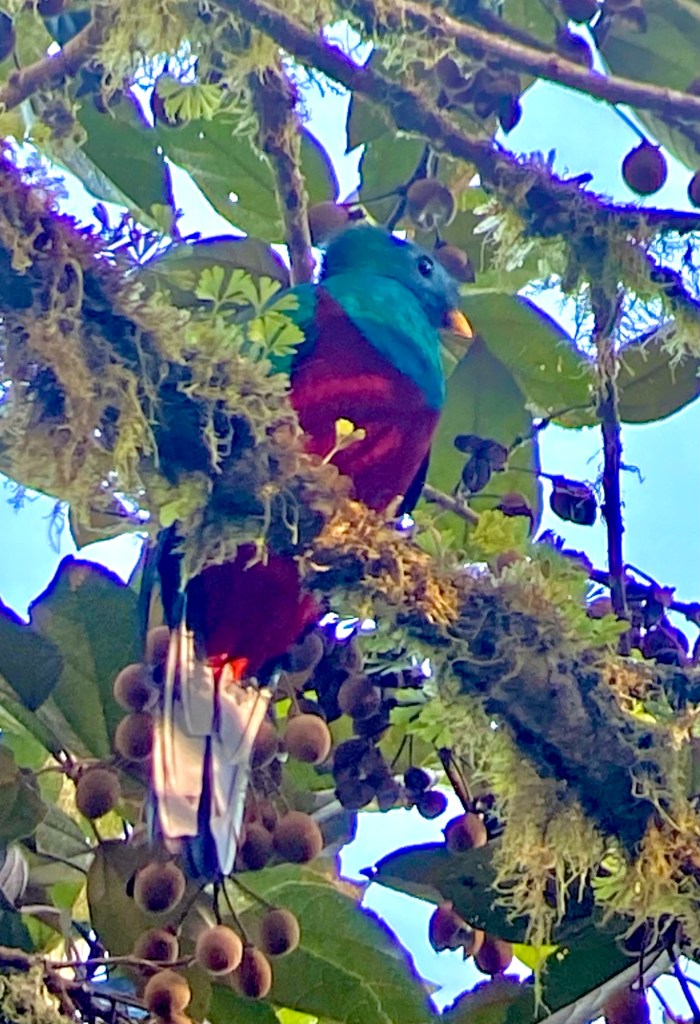
Of course, we would see very few birds without him. Not only does he know the sounds of birds and can locate them primarily by sounds, he also knows where the different species hang out. These mountains have been his birding territory for 31 years. He knows where an owl hangs out, or under what bush you’ll find the shyest of birds or where the wild avocado trees are found that the Resplendent Quetzal likes to eat.

On our first day, we drove just barely over the continental divide and walked along a mountain road not far from the Santa Elena Reserve. And there was a Resplendant Queztal just waiting for us. And the Red-faced Spinetail with its precarious hanging nest. And 39 other species!

Red-faced Spinetail and its nest

From there we went into the Reserva Bosque Nuboso, where many of the paths were paved to allow handicapped access. And benches are provided for seniors. It was later in the day so fewer birds were active. At the highest point we were 5608 feet above sea level, roughly the same elevation as Paradise on Mount Rainier. No wonder there was a bit of huffing and puffing!

Sitting on top of the world with Arenal Volcano behind the clouds

The highlight of the day came when an Ornate Hawk Eagle flew over head followed by the American Swallowtail Kite, on its migration north. From a platform tower we could see several of Costa Rica’s volcanoes, including Arenal which last erupted in 2010 (because of the threat of another potential eruption, all cars are required to back into parking spots to expedite an emergency exit — not a comforting thought)

We woke up the second day to fierce winds and rain. Not a good day for birding. Adrian, however, had a plan. We drove about 20 minutes south of Santa Elena and a bit lower on the western slopes of the mountains to Finca Ecológica San Luis, a private reserve run by Adrian’s cousins. Some birding purists might scoff at the feeding stations around the reserve that lures the wild birds in. We didn’t care. We appreciated sitting in rustic shelters, dry, and up close and personal with our avian friends.

Some of the birds we had seen before — White-fronted Parrot, Chachalaca, Montezuma Orependola, Baltimore Oriole.

But most of the birds we were seeing for the first time — Lessen’s Motmot, Broadwinged Hawk. Gartered Trogon, and the big draw of the area—the unusual looking Three-wattled Bellbird with a song that sounded either like a brass gong or an ET alien that could be heard a half a mile away.

The Cloud Forest is truly one of the world’s magical places whether you’re there for the birds or simply for a walk in the woods. And that’s why we keep coming back.

[Full disclosure: we have to share photo credits for this post with Malcolm and Adrian.]

Parroting

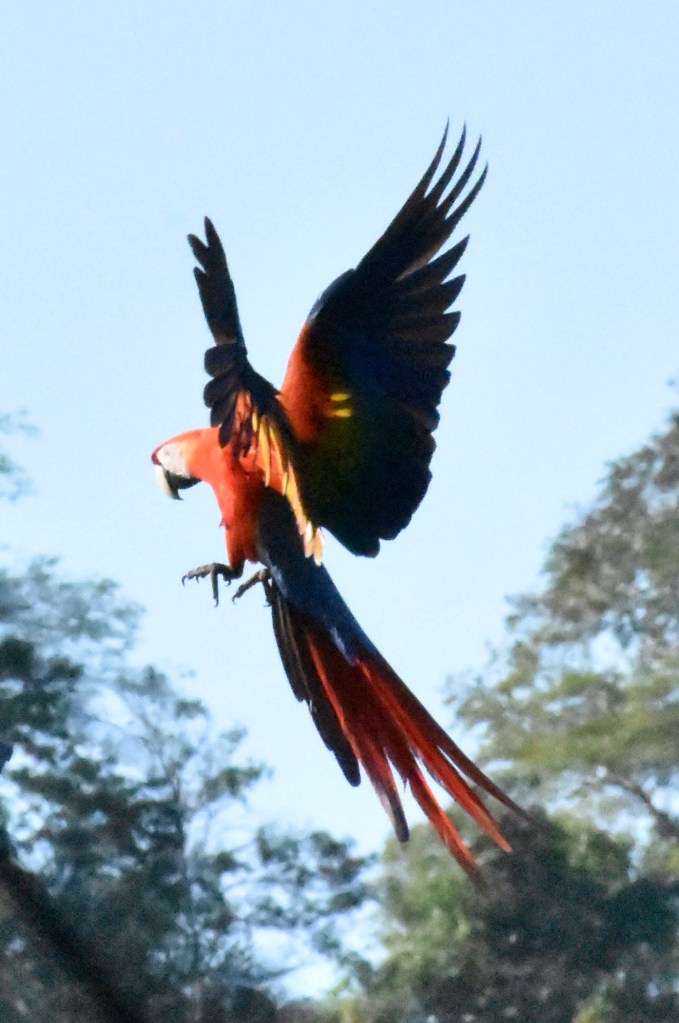
We first saw scarlet macaws seven years ago on the Oso Peninsula in Costa Rica sitting in wild almond trees beside a lagoon. Last year when we were staying near Manuel Antonio Park, we spent a lot of time watching these magnificent tropical birds fly by our balcony.

Scarlet Macaw near Quepos, Costa Rica

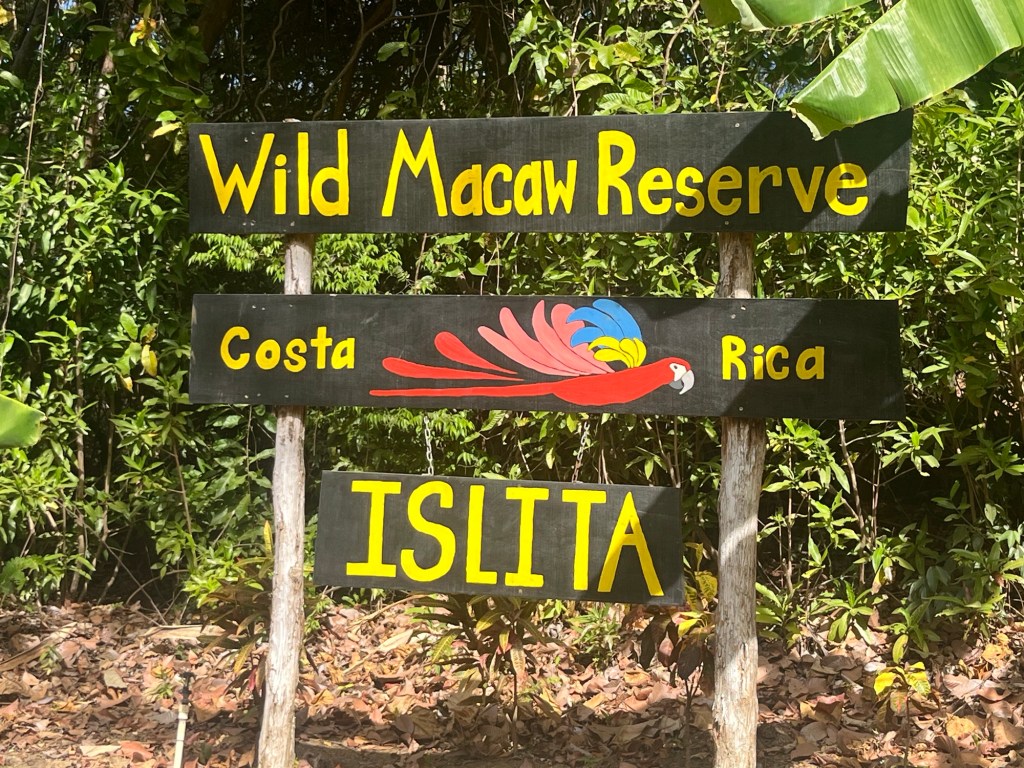
This year a went a bit further north to the Macaw Recovery Network south of Sámara at Islita on the Nicoya Peninsula. And what a show—up close and personal with the birds.

The reserve offers tours but only takes a limited number of people, 12-15, twice a day, early mornings or late afternoons. Reservations are required (but easy to do and pay for online). We opted for the early morning session which meant up in time to see the sunrise and a 45 minute drive to make the 7:30 feeding.

It was a bit of a harrowing drive — much of it a roller coaster of rather heavily traveled dirt roads. Can’t imagine how anyone can find the place without GPS — we had three devises tracking the way using both Google maps and Waze which, for once, agreed with each other. We still took a wrong turn. (Over and over again we were encouraged by locals to use Waze— old Google habits die hard.)

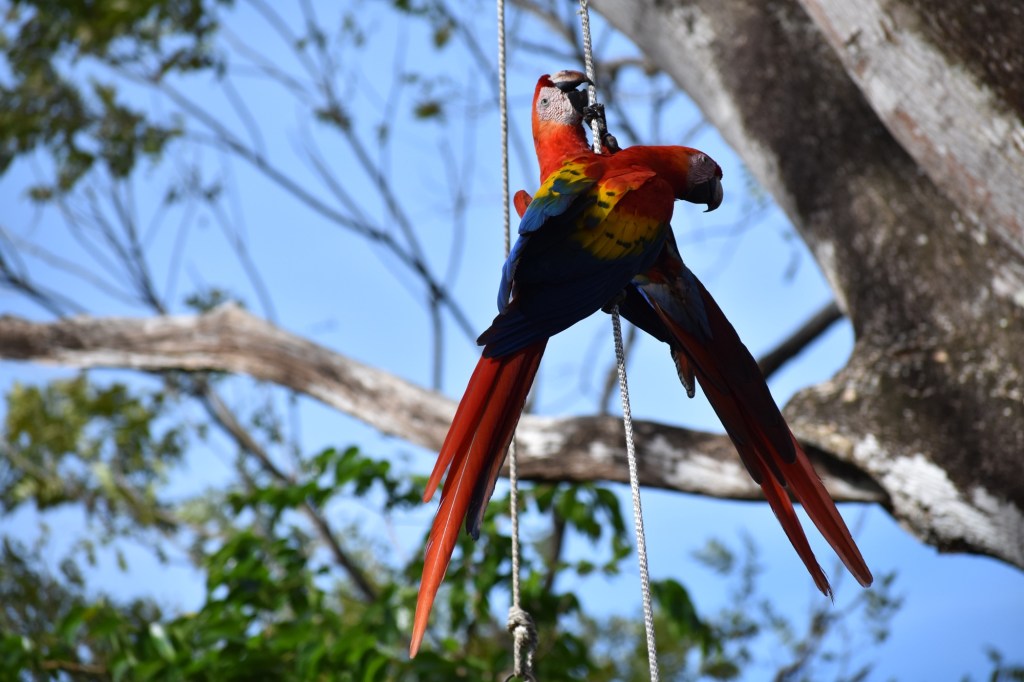
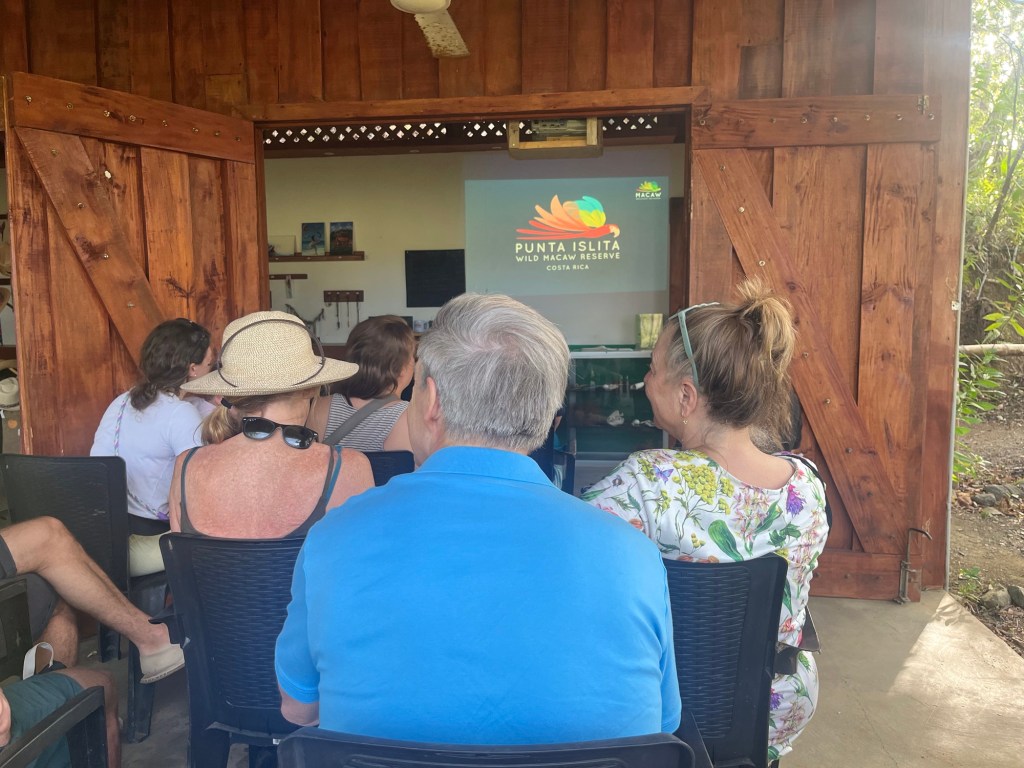
A modest open air structure served as reception area, a gift shop, and auditorium for the video. Several scarlet macaws posed for us around the edges of the building, waiting to be fed. Apparently, after being being trained how to survive in the wild and released, some birds stay near the reserve for a year or two until they are comfortable fending for themselves. After snapping a few pictures, we settled into the back row, more interested in spending time watching the birds than a video. Nonetheless, we were impressed.

In addition to working to restore the bird populations (macaws were extinct in the Islita region 30 years ago) the Network also works to restore habitat and educate Costa Ricans about conservation.

The Network raises scarlet and the even rarer green macaws to be released to the wild. Currently, they believe only four thousands scarlet macaws exist in Costa Rica and only three hundred green macaws. Even fewer Yellow-napped Parrots which the refuge is just starting to breed. With the results of several years of breeding scarlet macaws, 64 banded birds have been released and had produced offspring “naturally” —bringing the total birds in this area to over 100. Impressive, given that macaws were extinct in the Islita region 30 years ago. This year the Network will release the green macaws in the north eastern part of Costa Rica for the first time.

Not surprising in the animal kingdom, the birds have dominant and submissive members, so two feeding stations are filled — one for the big guys and gals — females as well as males display aggressive behaviors — and a second to give the other birds a chance. Incidentally, the sex of these birds can only be determined by a blood test, we were told.

Sometimes fights break out as the birds feed. But mainly they seemed to move around, slide up and down the pulley lines and take turns feeding.

The groups of birdwatchers are limited to minimize the stress on the feeding birds. This is breeding season and while we could hear but not see the pairs, the staff was particularly interested in keeping those birds calm. The breeders are fed as the same time as the wild birds and created quite a cacophony.

The iguanas also come out at feeding time, waiting for bits of fruit and nuts to be dropped on the ground by the birds.

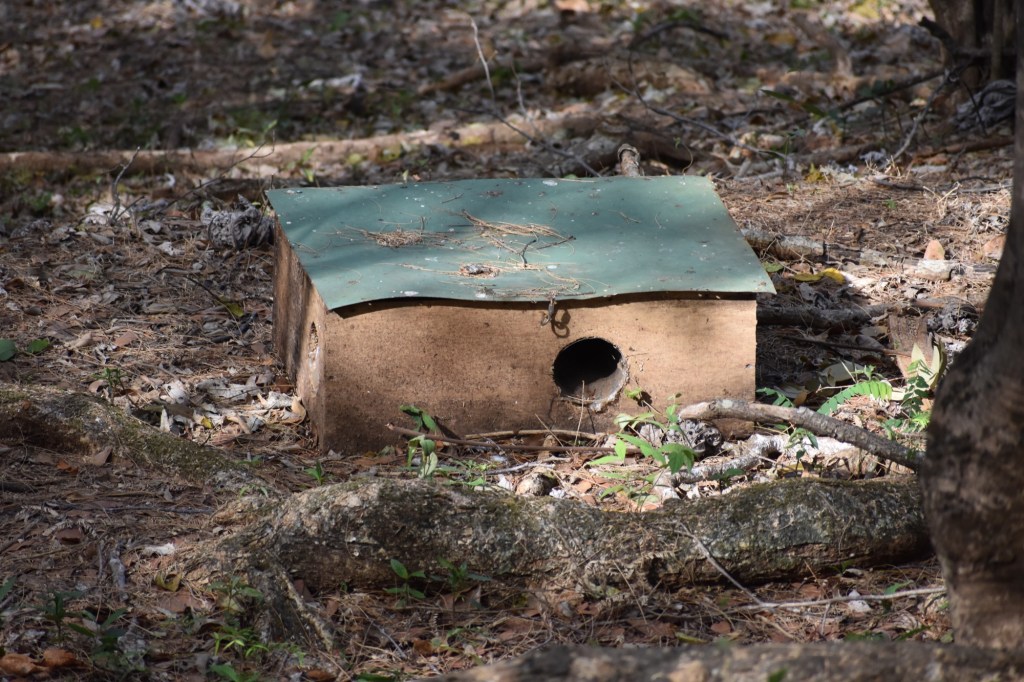
Snakes pose a danger to the breeding program, particularly boa constrictors. The reptiles love to feed on the baby chicks. So traps are set around the grounds to lure boas in with the scent of wood chips used in the breeding nests. We were told the trapped snakes are then released into the wild some distance away. Some in our group were skeptical — or maybe hopeful the snakes met a different fate.

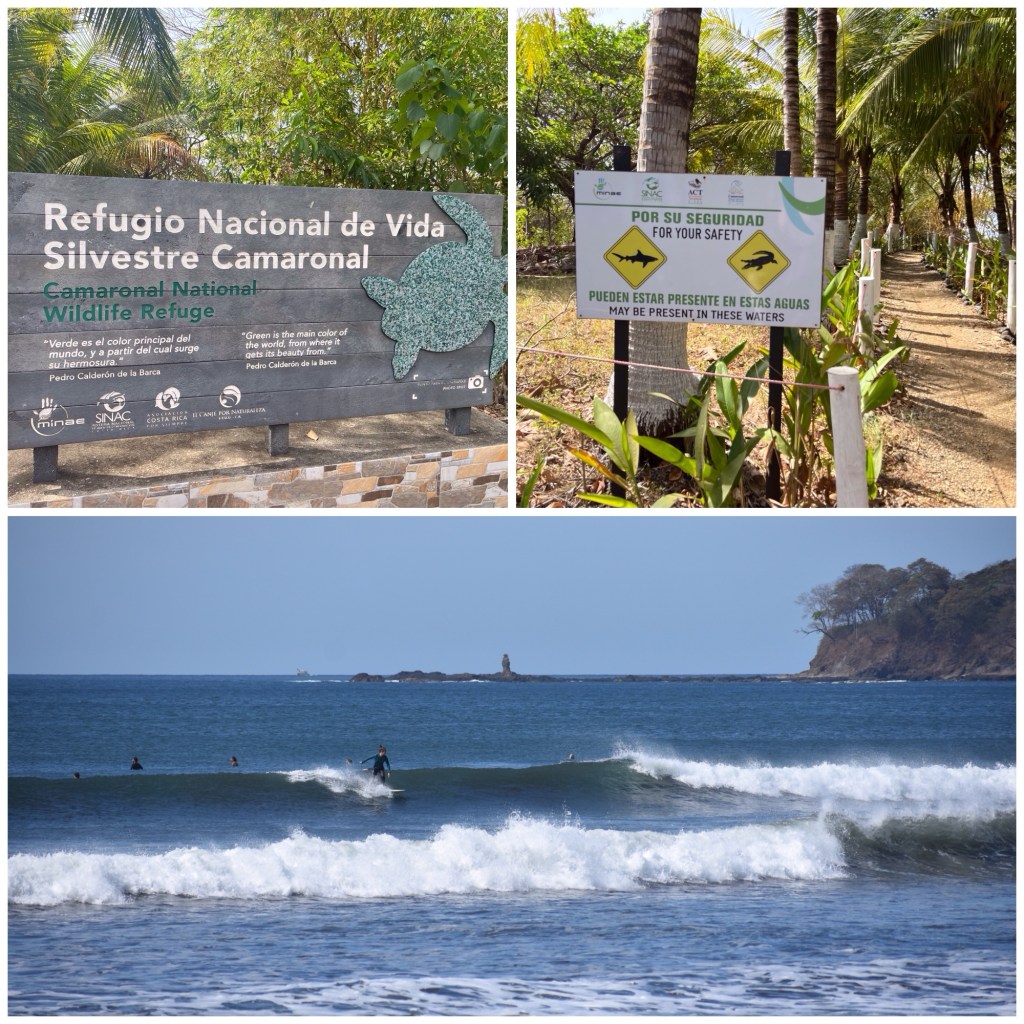
On our way home there were signs along the road indicating where nesting pairs of macaws had taken up residence. A clear indication of the success of the program. We also stopped by another nature reserve adjacent to a beautiful beach— Costa Rica is filled with reserves. While there were plenty of signs warning about crocodiles and sharks, we only saw surfer dudes, discussing the quality of the waves, clearly not worried about the danger.

A soda is not a soft drink…in Costa Rica

Sometimes we’re a little slow. Well, maybe a lot slow.

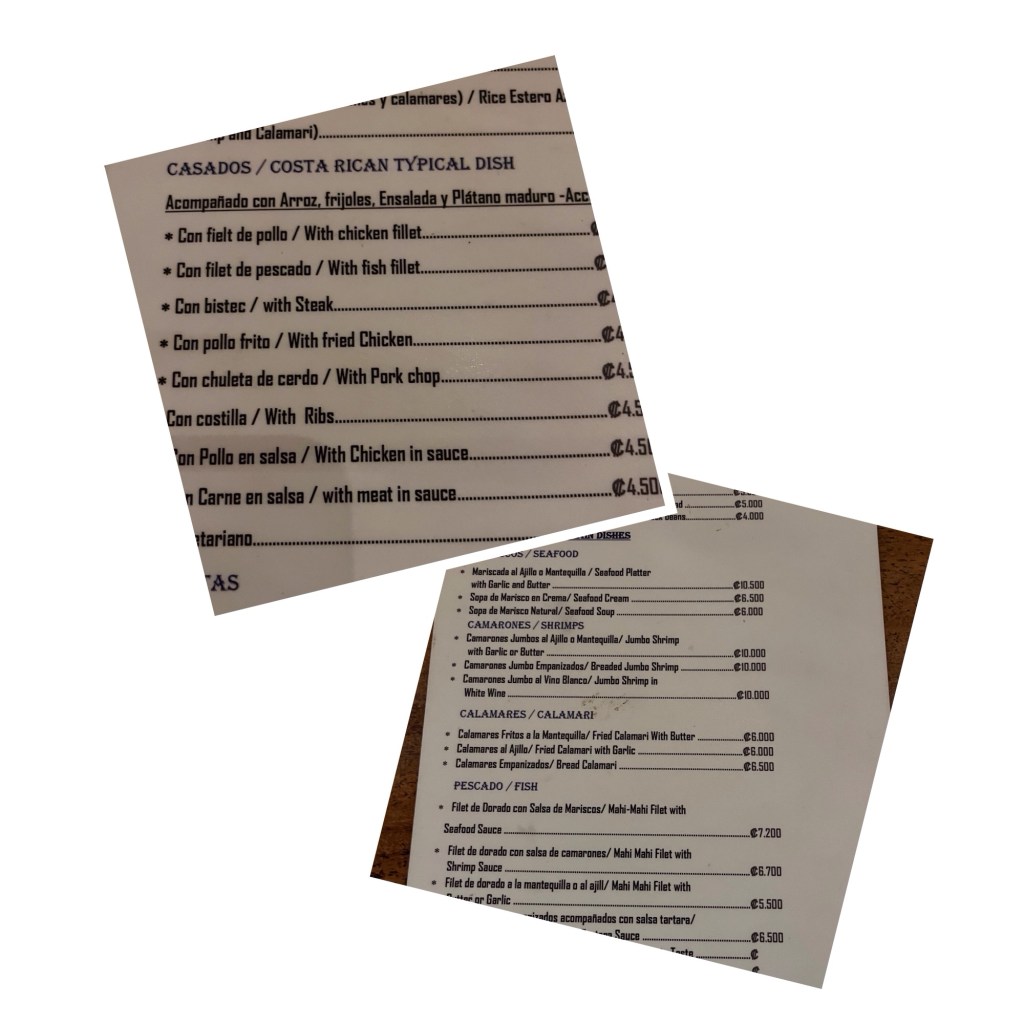
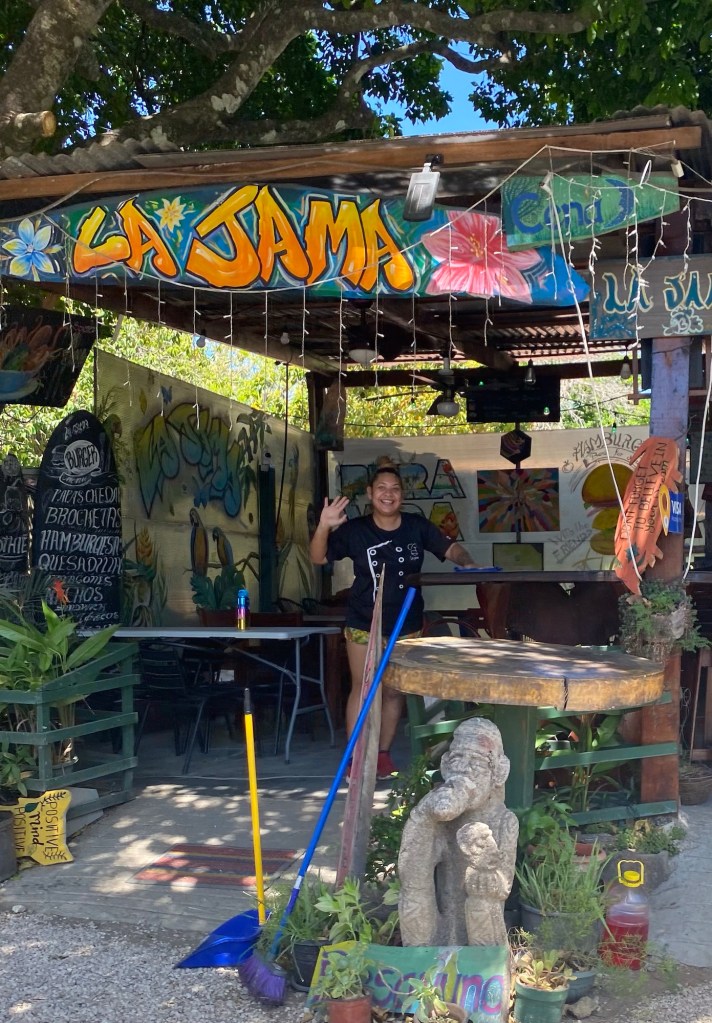
The first time we were in Costa Rica seven years ago we kept driving by modest roadside establishments with signs advertising “soda” this or “soda” that. Of course, we thought they were selling local soft drinks to thirsty Ticos and tourists. Only, when by chance, we actually stopped to get a cold soda, did we realize that a “soda” was actually a restaurant—more specifically, a small family run restaurant with a limited local menu. And we soon found out these “sodas” were often gems of local cuisine serving great food at ridiculously cheap prices. Yes, the menu is limited. Yes, the ambience is sometimes is missing (but not always—we’ve eaten in sodas on the beach with sand under foot and up in the mountains with stunning views of volcanos). But you are likely eating with locals, maybe being served by someone whose grandma is cooking in the back.

And the food! Almost always fresh local ingredients, always prepared to order. The limited menus in most sodas usually features Costa Rica’s star menu item—the casado plate (which translates as “the husband’s plate” or “married plate”). Rice, beans, plantains, salad, maybe some fresh fruit and a choice of protein—fish, pork, or chicken. The protein can be grilled, stewed, or braised. Big portions meant to serve the very hungry.

The typical price is between 2000 CRC and 4000 CRC or $4 to $8. And most sodas take US dollars in addition to Costa Rican colones, and many accept credit cards. A few only take cash. Other local dishes include arroz con pollo, (rice and chicken, sometimes in a tomato sauce), gallo pinto (rice and beans), ceviche. Almost all serve the local beer (Imperial), sodas (Fanta orange soda is ubiquitous), and fruit juices. Whether is a result of widespread tourism or simply the influence of North American culture on the locals, hamburgers and margaritas are often on the menu as well.

You will almost always be eating outside on a covered patio with a kitchen tucked in a small space in the back. No air conditioning here. Most will be filled with locals. Often there are small children playing near by, and an occasional dog or two strolling through the soda. Once, up in the mountains, as we ate, the waitress called a dozen or so children playing in the field next to the soda to serve them their lunch on paper plates which they promptly ran off with to eat under a nearby tree, dodging the local cattle as they went.

The owners of one soda, in a very, very remote area up in the mountains when we were staying on a small coffee plantation across the dirt road, would wait until we drove by their home on the long driveway, then run down from their home to the soda to open up just for us. We were clearly their only business for the night. Mom would cook and her young daughter would happily sit at the next table, coloring. The food was absolutely amazing—and as you can imagine, cooked to order. Best pollo y arroz ever! We ate there three times and, despite the language barrier, began to feel like part of the family.

You’ll never have to worry about finding sodas in Costa Rica—they are everywhere. Really, everywhere. Big towns, small villages, remote rural areas, industrial zones. In the more upscale resort communities such as Playa Flamingo or Samara on the Pacific coast, they are often located just outside the town centers on the roads that lead into to town or in the nearby little Tico villages.

Recently we were in Samara on the Nicoya Peninsula in a beautiful AirBnB in the hills above the town. Our wonderful hosts recommended a number of local restaurants. They were all lovely beachfront establishments with spectacular sunset views, music, and tropical cocktails. But the food was very ordinary and at US prices $20-40 for an entrée. The clientele was almost exclusively gringos—not surprising for a tourist town. And, yes, of course, we are in fact gringo tourists. So we fit right in.

The next night we were off in search of a soda….pura vida!

Taking the Waters

We’re not strangers to Costa Rica, nor are we experts — not at all. We’ve traveled here for a month or so four times in recent years. We’ve found areas that draw us back year after year (around Potrero, in Guanacaste and Monteverde). And we visited areas that we enjoyed — just not enough to return to year after year when there is so much more to be seen. For such a small country, Costa Rica has so much variety.

This trip we decided to spend a few days in La Fortuna on the base of the volcano, Arenal. We had passed through the area five years and been intrigued.

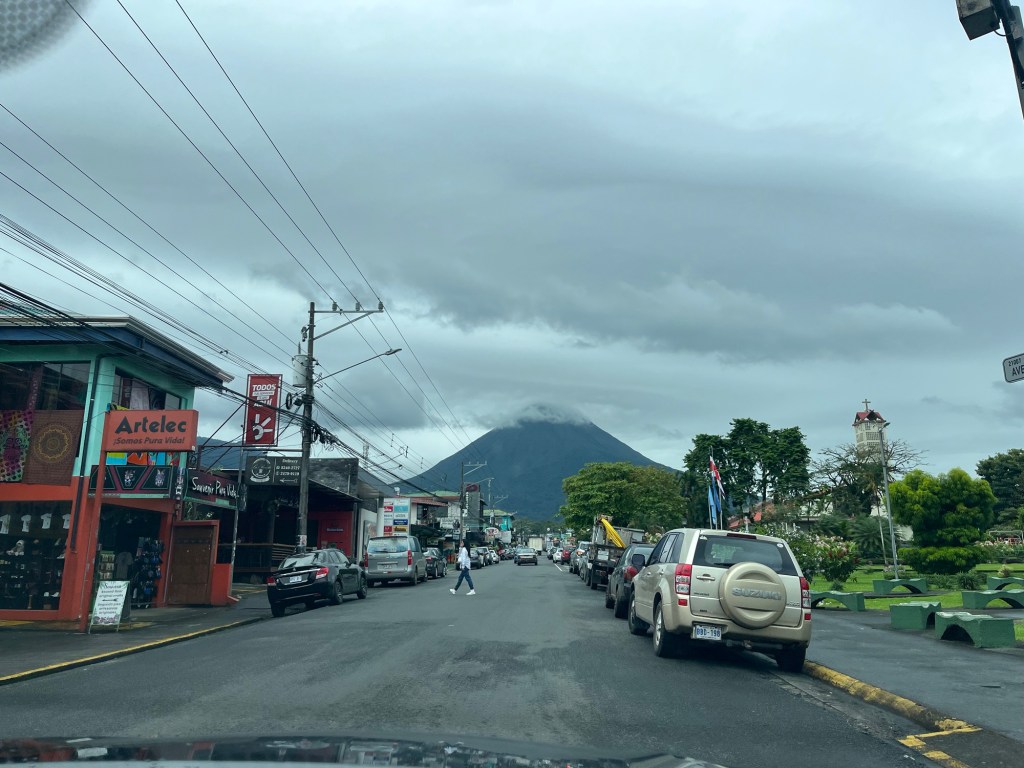
La Fortuna is the most heavily touristed areas of Costa Rica, according to the guide books. The main attraction is Arenal, the volcano. Before 1968 the town was just another agricultural crossroads and then the volcano erupted, putting on a show until 2010 for the tourists who soon arrived. The town isn’t much to look at today, except almost everywhere you look, you see the big cone.

And where there are volcanoes, there are often hot springs. Today, along with the main attraction, hiking, zip-lining, horse back riding and various water sports lure tourists. No zip lines or horses for us — we were there for the hot springs spas. The roads in and out of La Fortuna are filled with everything from modest to ultra-swanky to middle of the pack spas like the one we found — Los Lagos.

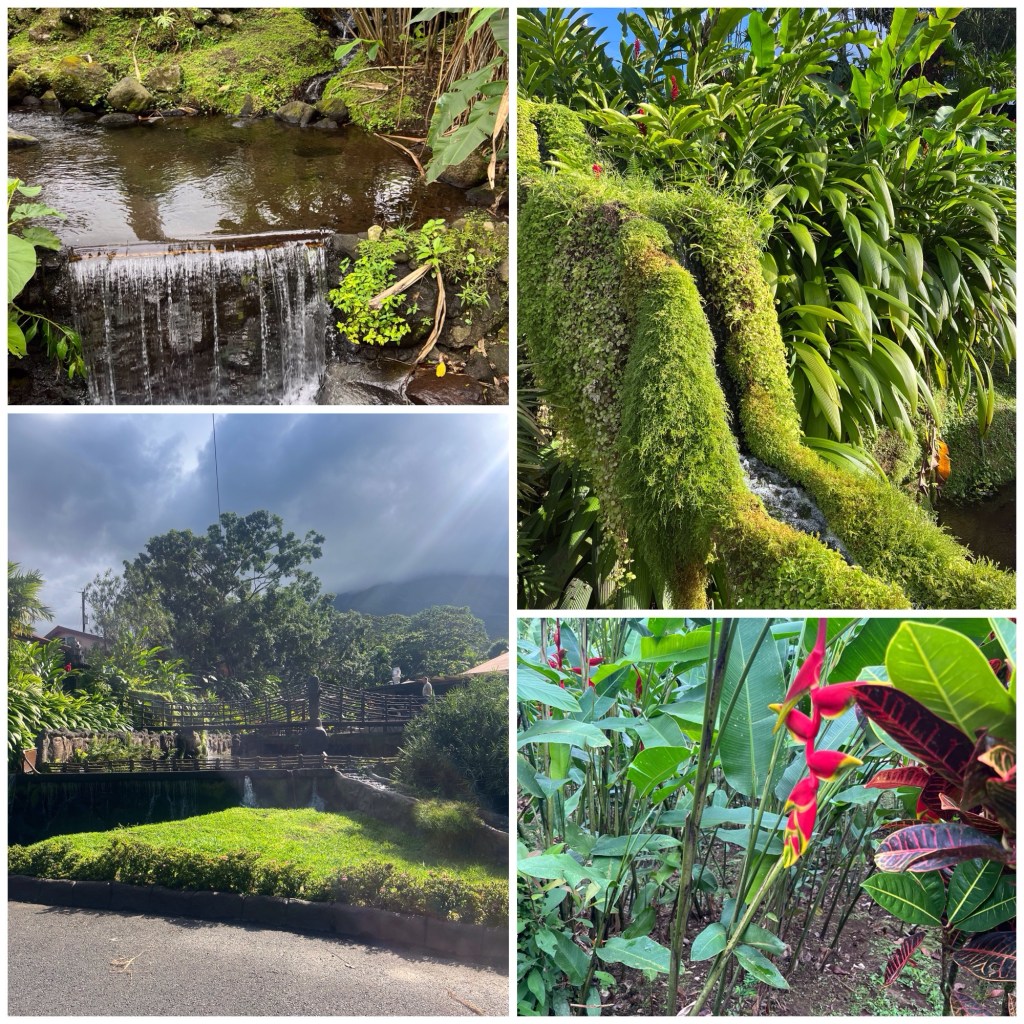
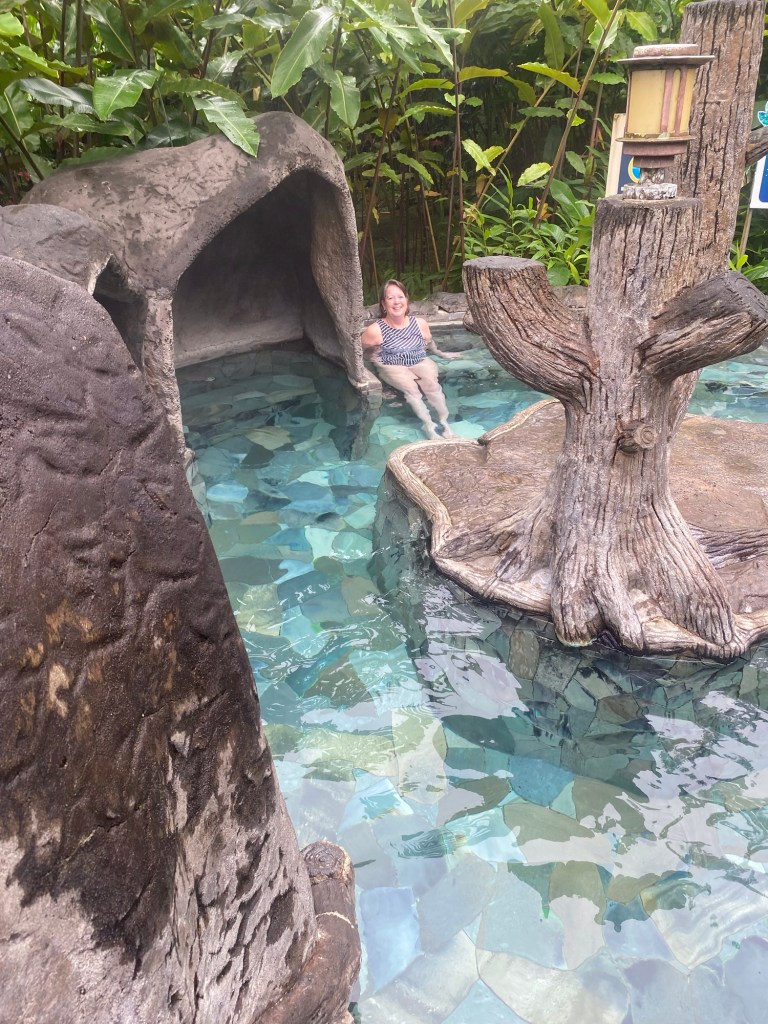
Our initial impression of Los Lagos Hot Springs Spa and Resort was simply “wow.” An impressive entry, lush vegetation, streams crisscrossing the grounds and cascading small waterfalls. A restaurant, a swim up bar adjacent to the largest of the hot springs pools, a spa and a series of walking paths through a “jungle.” The resort also has lockers and changing rooms for day visitors. The hotel rooms are a little dated—you have real keys to open the doors—and are need some upgrading. But still very nice.

Our primary focus was the hot springs. While a little cheesy with their faux rock appearance, the pools did not disappoint. Varied in temperature from a cool mid-70’s to almost too hot for us—100+. Each hot springs pool had a sign indicating water depth and temperature.

Some pools were built for two. Most were bigger. A few had jacuzzi jets and reclining couches built in.

We started at the top and wandered from pool to pool down the hill until we, like Goldilocks, found the pool that was just right for us. Most of the time, we had the pools almost to ourselves. Our fellow soakers were largely locals; gringos seemed outnumbered.

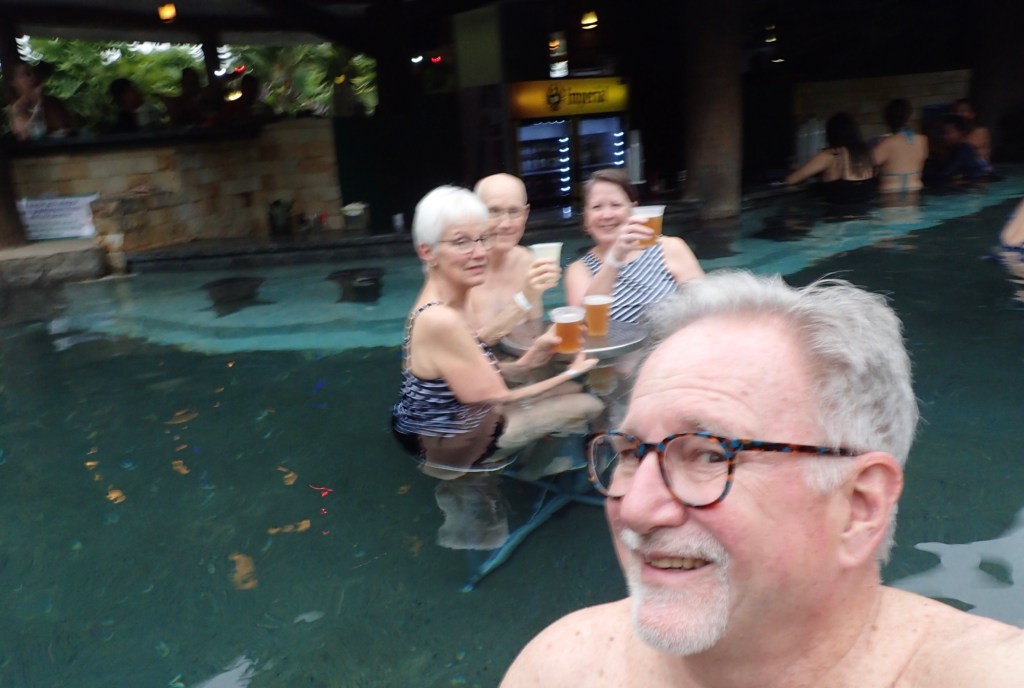
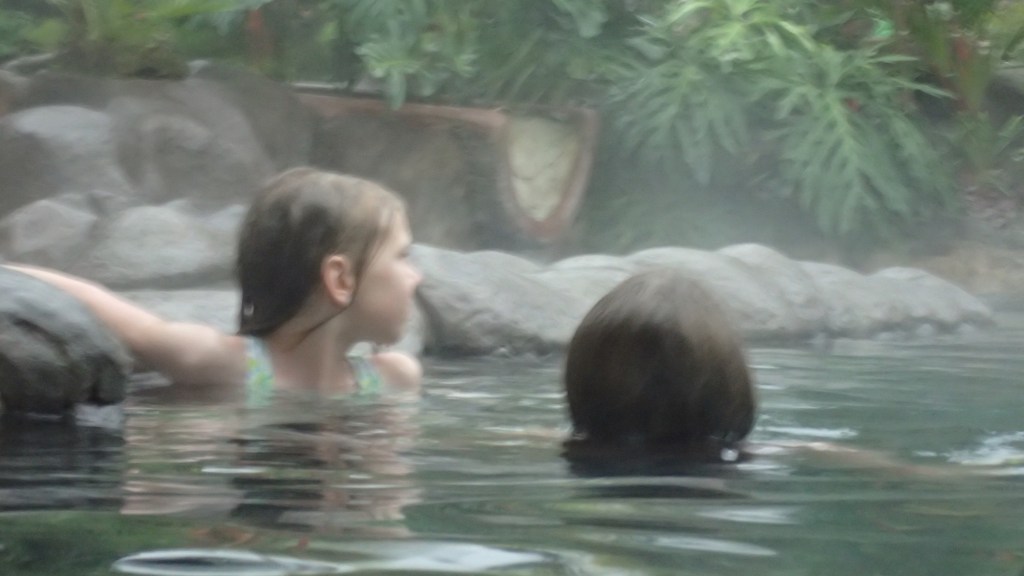
Of course, we had to try the swim up bar. Yes, tacky, but still great fun. Sitting on the submerged stools was harder than it looked, but highly entertaining. And in this family friendly pool, the water was cool enough for the kids to enjoy.

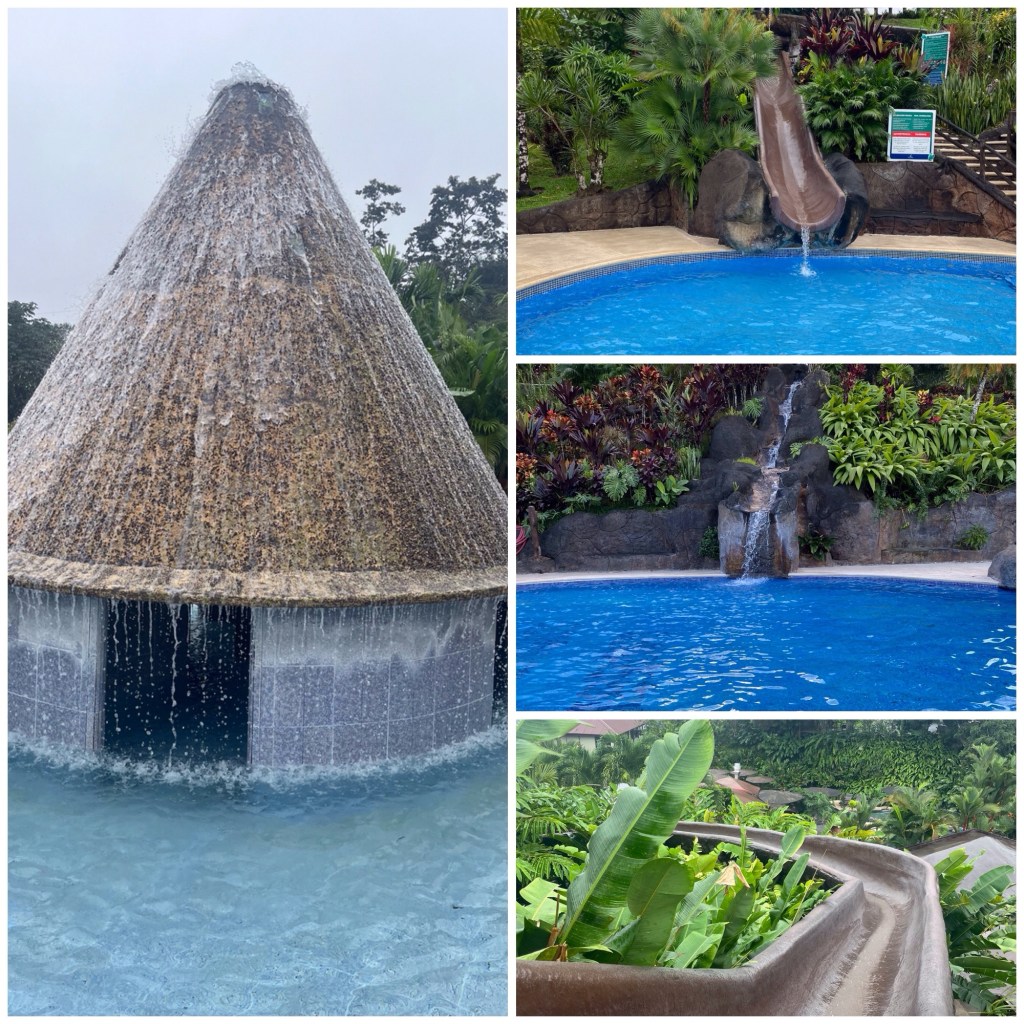
The resort also had a couple regular swimming pools (fed from natural spring water, the resort info said) with water slides for the kids and a wading pool for the littlest with a fountain shaped like a volcano.

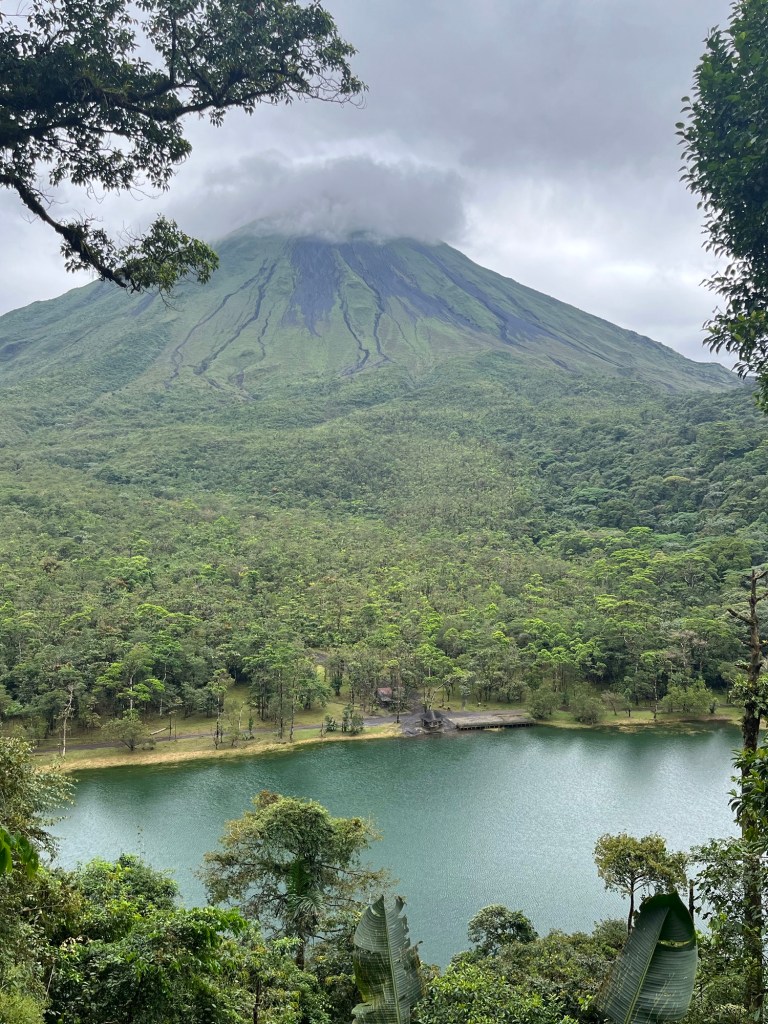
We drove to the upper reaches of the resort to the lookout point and we almost saw the top of Arenal. Apparently, you can be here weeks, even months, and never see the top of Arenal.

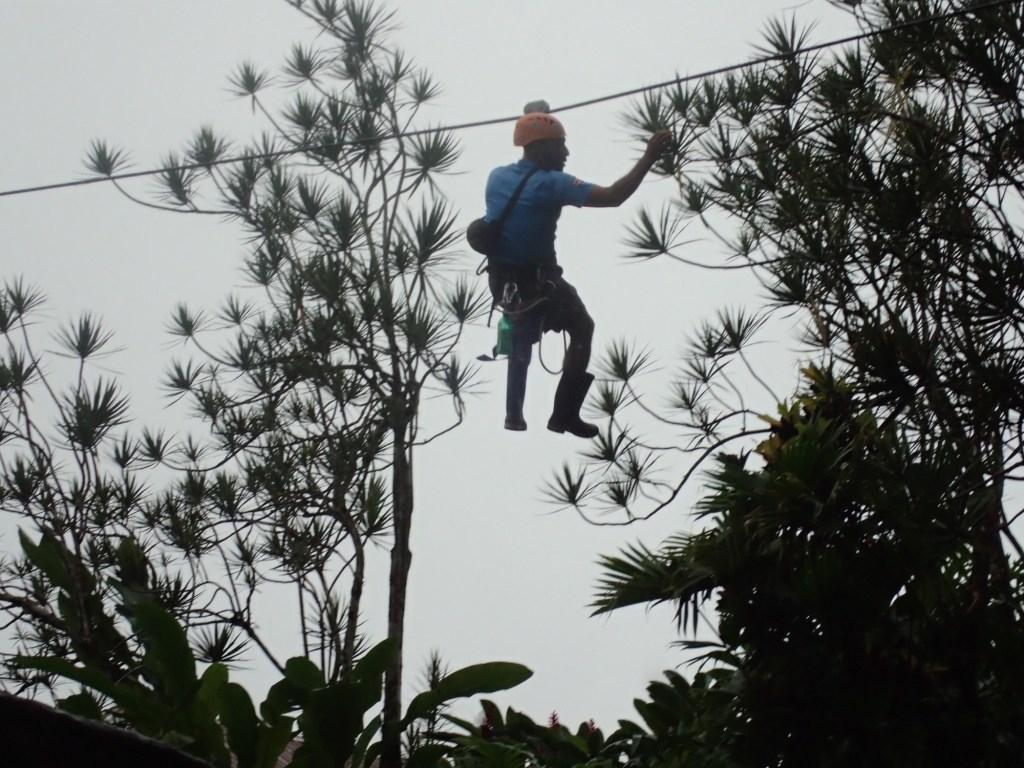
From that high view point there are a series of zip lines, and we saw folks harnessed in for the ride, and watched them end their trip zipping along above the swimup bar far below.

We certainly enjoyed our indulgent dips into the hot springs. With more time, we might have found the energy to explore more of what the area has to offer. Next time. But then, those hot springs are awfully tempting.

Brittany Reality Check

Sometimes you just get it wrong.

We had an image of Brittany, France, as a wild, rural region, sparsely populated, with a rocky coastline filled with quaint stone fishing villages. Hilly, maybe covered with heather or wind blown pines. Something like the Ireland’s wild Atlantic way or the coast of Maine. But with dairy cows everywhere, happily producing the world famous Breton butter and cream. After all it is “finisterre”—the end of the world.

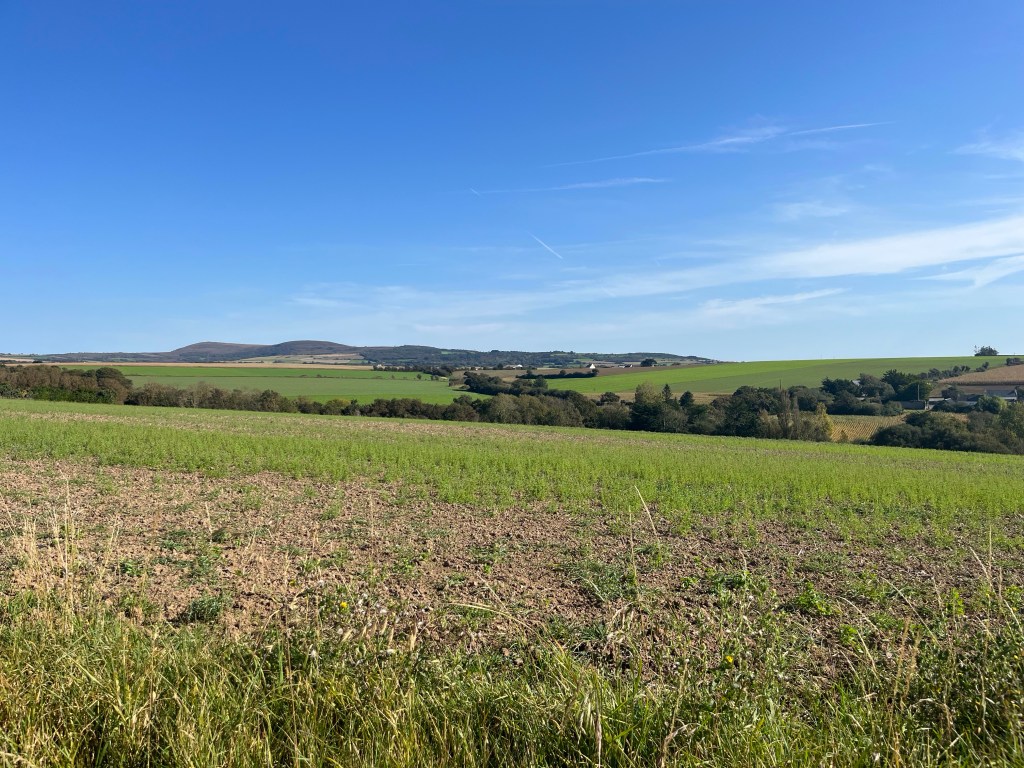
What we found was nothing like that…still beautiful, still fascinating, but something entirely different (as the Monty Python crew used to say). The south coast is mostly flat, maybe a few rolling hills, and dotted with beautiful white sand beaches in between low rocky outcroppings. Southern England, maybe, not western Ireland.

Many beach towns with their white washed houses had sprung up to take advantage of the mild climate, luring hordes of Parisians wanting sun, sand, and water. Instead of pines and heather, we saw palm trees, clearly planted to help enhance the beach aesthetic.

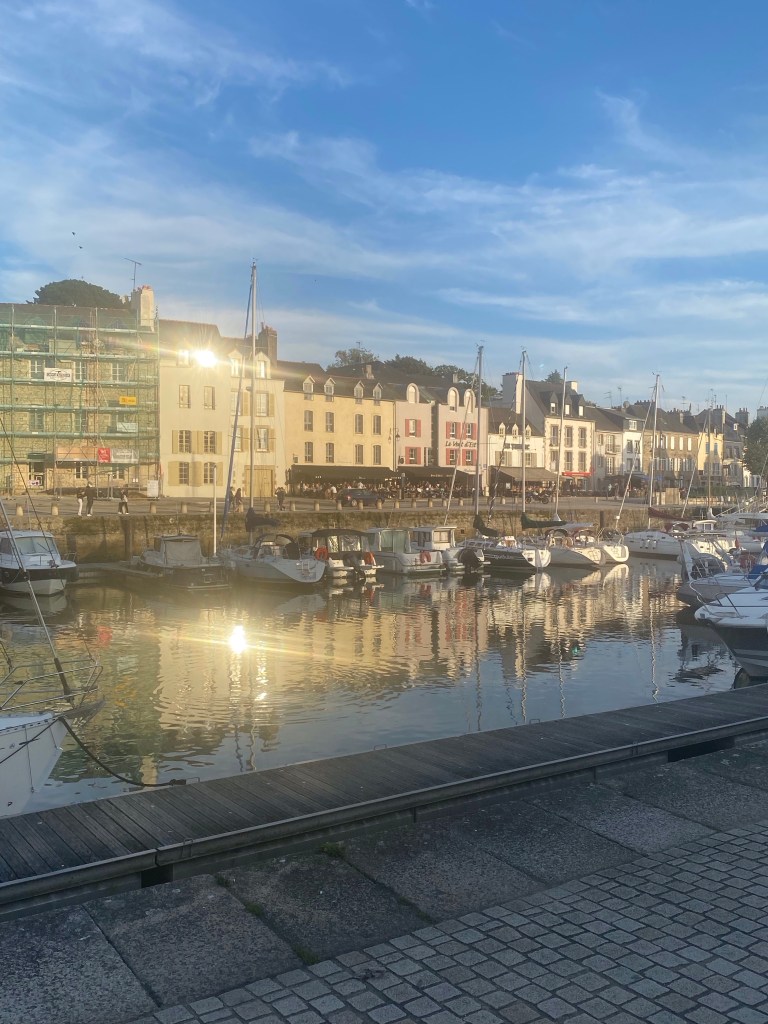
Vannes beside the harbor

And lots of yachts and sailboats.

Vannes harbor

And in the middle of October, when we were there, people were still swimming. We were tempted! A definite surf vibe with a French accent and slightly Victorian look.

We were also surprised at how densely populated the south coast is. Suburban developments everywhere, done in a Breton style but clearly modern. Retirement communities? We weren’t sure, but judging from the age of locals, highly likely.

Quiberon, with a parking lot for summer tourists almost as big as this beach

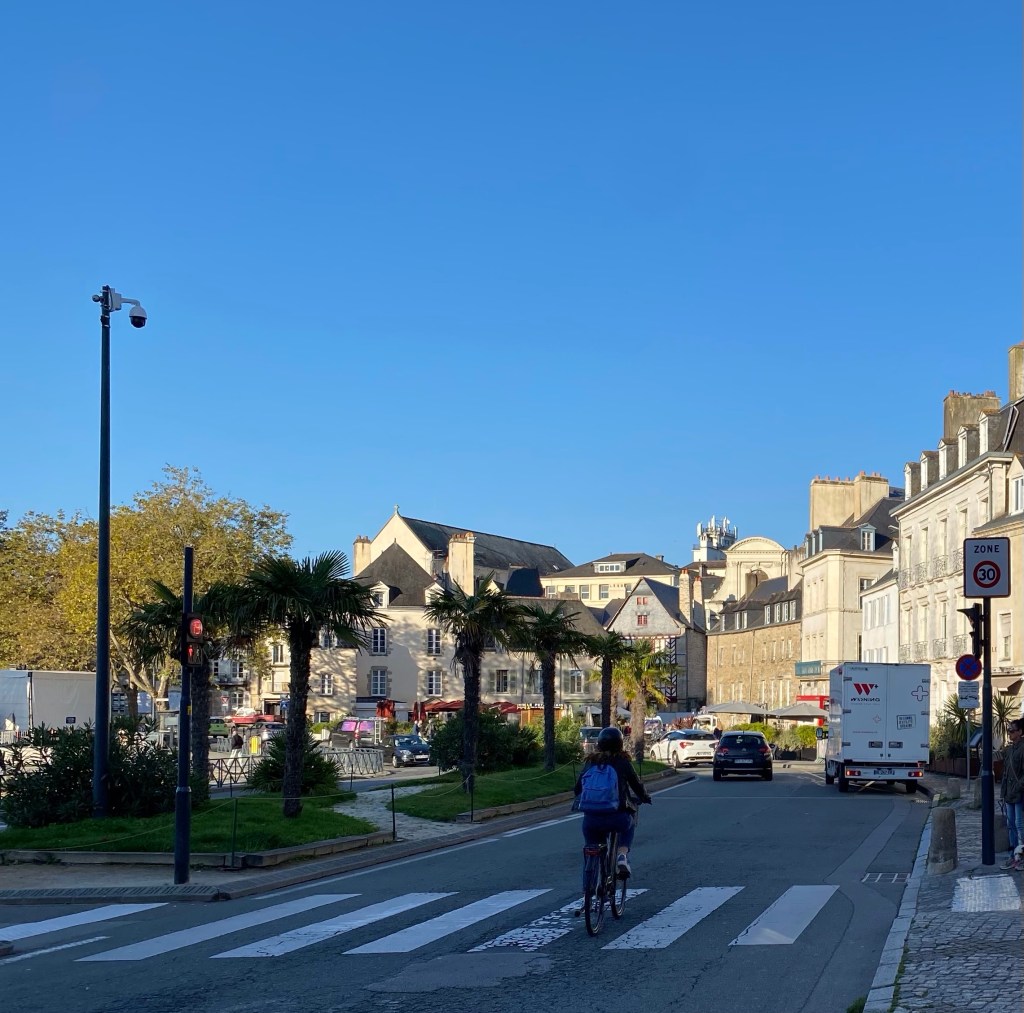
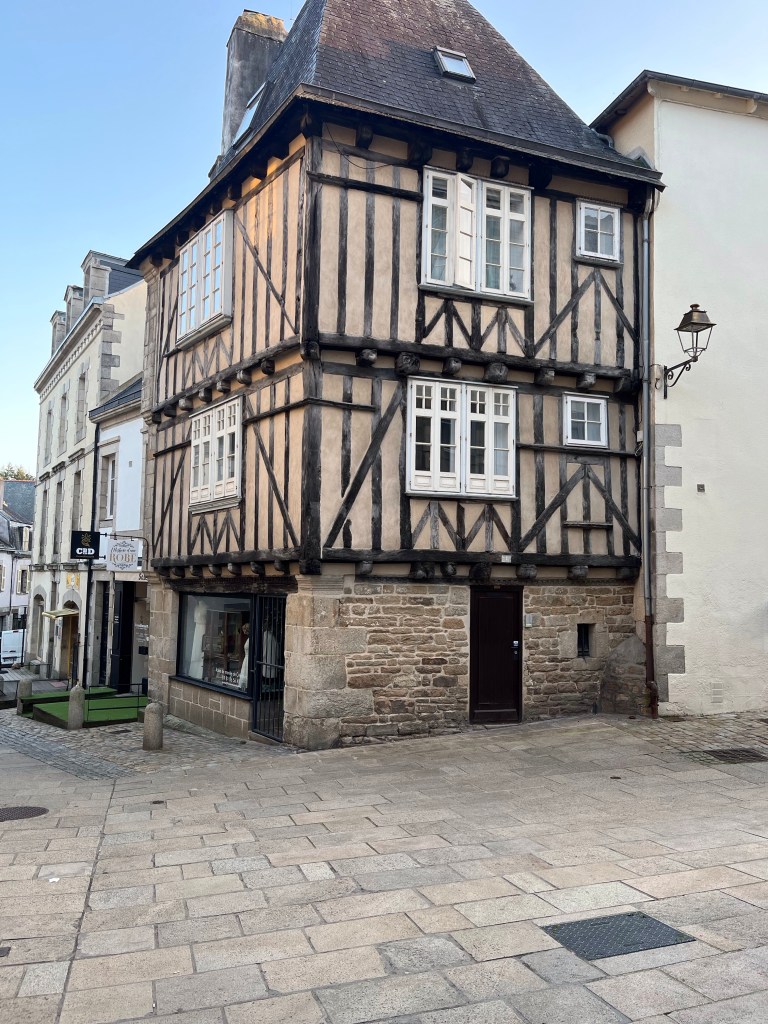
Many towns like Vannes, Quimper, and St. Malo all had beautiful historic centers filled with half timbered buildings, cobblestone streets, and gorgeous churches and cathedrals—which we did expect.

But it turns most had to be rebuilt stone by stone after the massive bombings following the Allied invasion of France in 1944. That explained why you often saw a modern monstrosity next to a beautiful medieval building. The coastal cities and towns of Brittany, like Normandy, were heavily fortified by the Germans and fighting here was ferocious. Some cities like L’Orient and Brest never really recovered. L’Orient, for example, was subject of repeated attacks because of the giant German submarine base located there. The base was so well built it survived all efforts to destroy it, and later became a French naval installation. There is an excellent museum and you can tour a decommissioned French submarine.

The northern coast looks more like our misguided expectations—a little more rural, more rolling hills, and rockier. Small rock islands dotted the bays. But still far from the wild Brittany of our imagination.

Near Pointe du Grouin

What we did find were some real gems. St. Malo with its massive walls behind which lies a gorgeous old city—even if it was painstakingly rebuilt over 35 years after the war. It has a great maritime past with connections to explorers like Jacques Cartier (who sailed up the St. Lawrence river and founded Montreal, Canada), and privateers and pirates like Robert Roscouf.

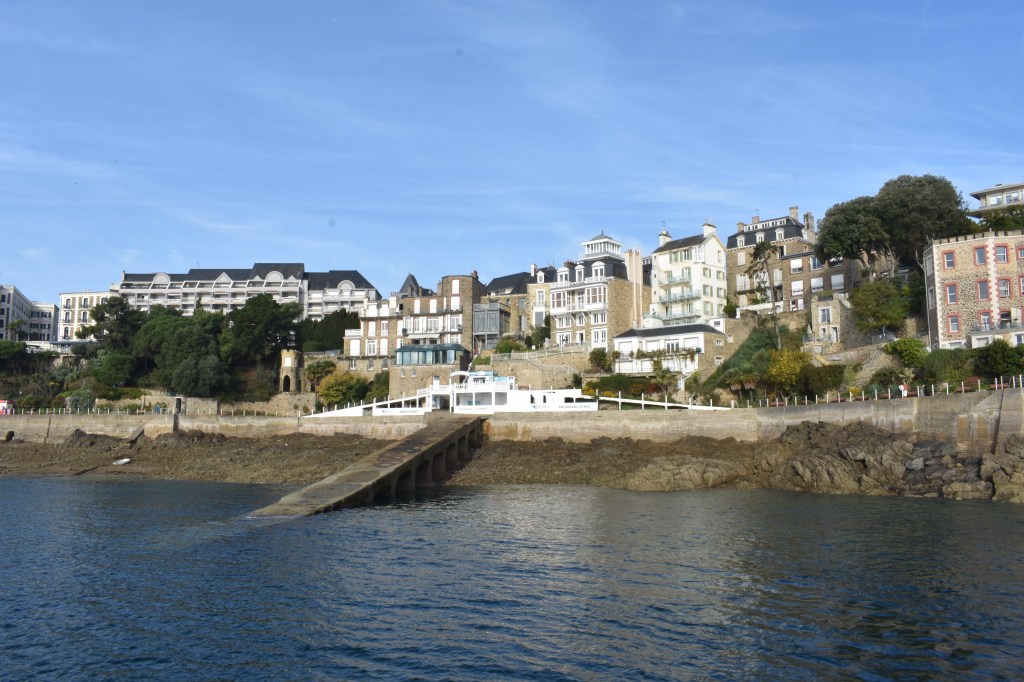
Town of Dinard, a short ferry ride from St. Malo

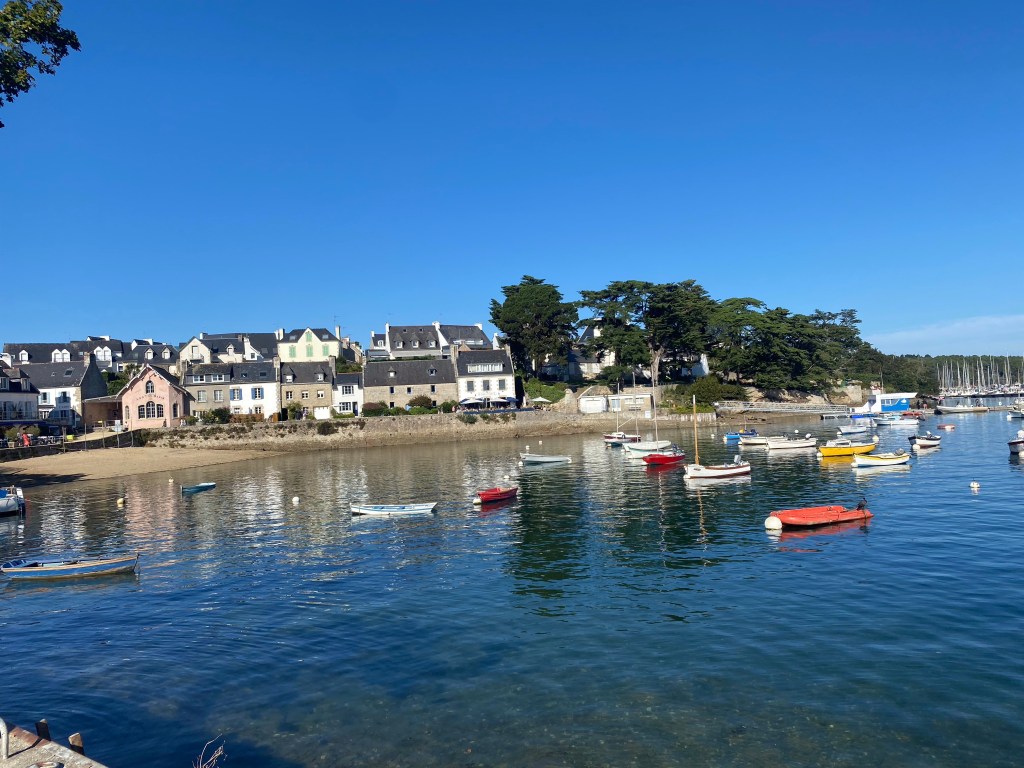
Vannes had lovely medieval center with a narrow picturesque boat harbor on a river inlet. There were the little gems like St. Marine, a tiny seaside village, where we had lunch with a cousin of a friend, and Locranan, a picture perfect stone village in the heart of Brittany outside Quimper.

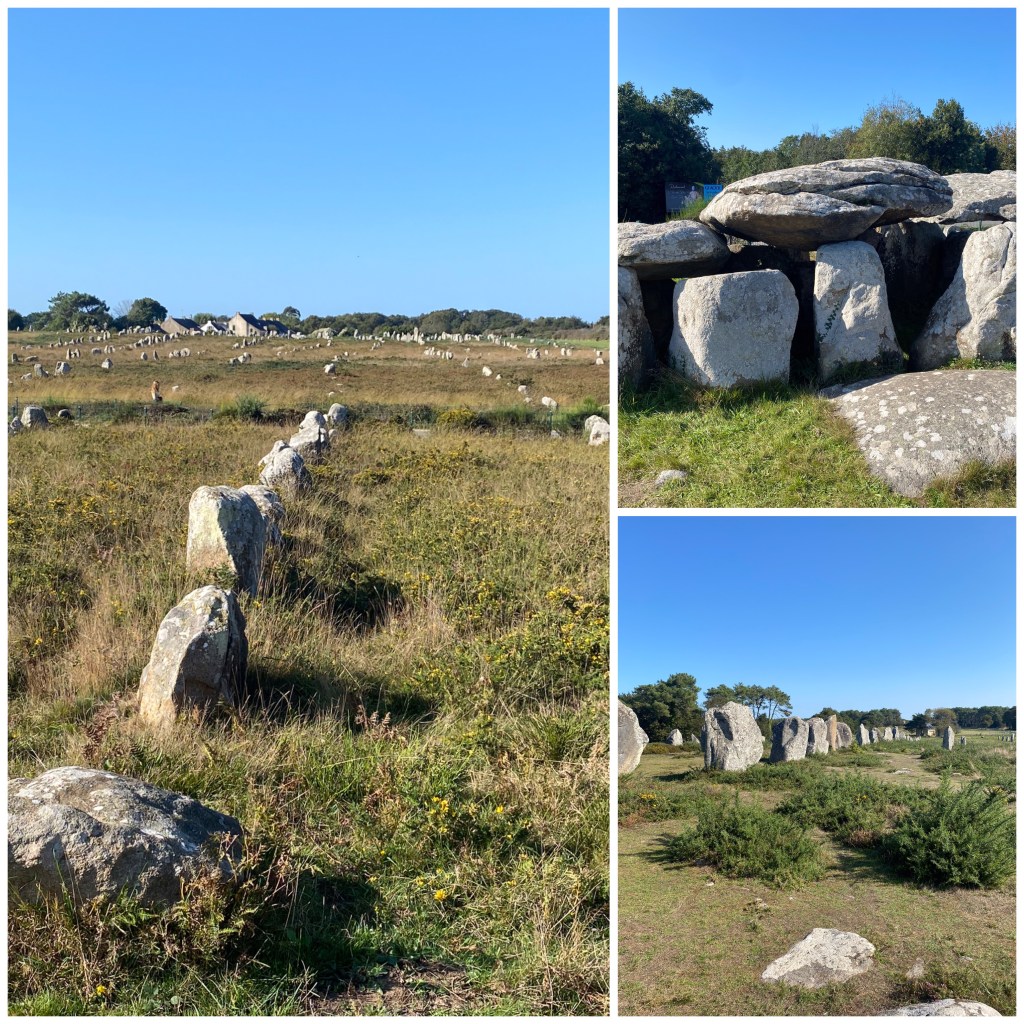
And then there were prehistoric stones at Carnac. The scale and size of of the “alignments”, as they’re called, dwarfs anything we had ever seen, including Stonehenge. Literally thousands of monoliths in long rows, stretching for several kilometers. Of course, no one really knows their purpose or really much about them, except it was a massive building project even by today’s standards. We had read about the stones so it wasn’t really unexpected, but the sheer scope was.
.

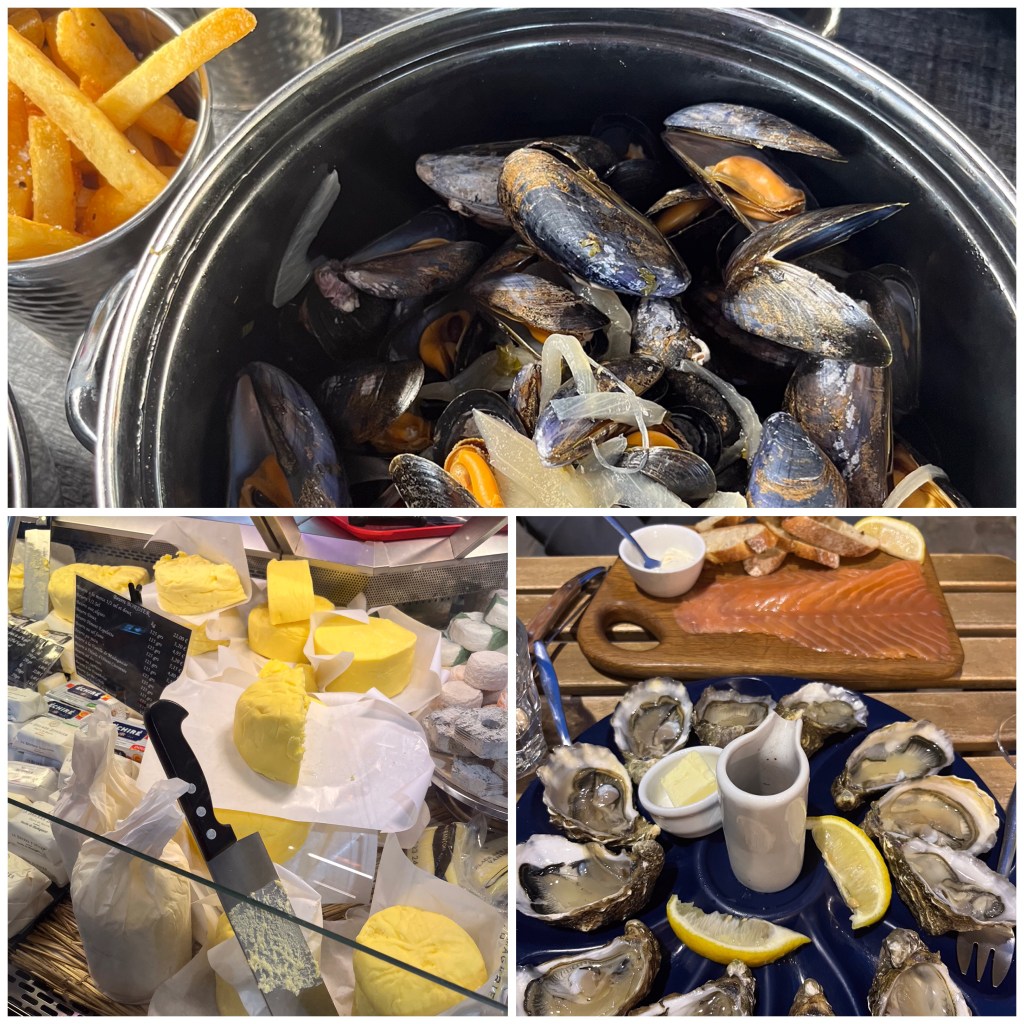
Not everything surprised us—we did get some things right. The food, particularly the seafood and dairy products—cream, butter, cheese—lived up to our every expectations. Creperies on every corner. Wonderful specialty shops. And the people were every bit as open and friendly as we thought they’d be, and the Breton culture was strong and clearly a focus of local pride.

We found Brittany a wonderful corner of France even if our expectations met a different reality. Sometimes a surprise is a good thing.

Au Revoir – leaving France again

When we left Spain, almost exactly a year ago, we wrote a blog about what surprised us in Spain and what delighted us. As we were wrapping up this year’s trip to France over the last few days, we our conversation veered into the same direction. Not shocking that there were fewer surprises — we’ve been to France several times before. Nonetheless, certain things stand out in our minds.

A good guide makes all the difference in the world. We’ve written before about the value of a guide. Our trip to Mont St Michel, our tour guide reinforced that opinion. Anne-Isabelle [anne,isabelle.gendrot@gmail.com] greeted as just as the tour buses started to roll from the huge parking lot three kilometers from the actual village (you definitely want to get to Mont St Michel early).

Without her guidance, we might have not have been able to look past the Disney-esque appearance of the village, beyond the trinket shops and flashy restaurants, to actually appreciate the history, the architecture and the beauty of the place.

A passageway in the Abbey

She set the record straight, separating myth from fact. Her energy and enthusiasm helped us up the all the steps (and there’s a lot of them). And as a good guide does, she shared with us much more than what we could have read in a good guidebook — a couple sharp rebukes to the Norman flag flying alone over the monument when the Bretons helped pay for the restoration, the local legends that were largely fantasies, and to the Nazi’s use of Mont St. Michele as their vacation playground during the occupation.

This trip reminded us to forget the silly notion of French rudeness. Everywhere we went, locals went out of their way to be helpful. We needed the help of almost every clerk in the post office to mail a package home and everyone smiled as we fumbled our way through the process. Or when we were assigned to nonexistent train seats and needed the help of strangers to figure it all out. In a pizza joint, the owner/baker almost joined us at the table, stopping by to chat in a mixture of French and English any time he had a minute or two. And the staff in the restaurants, those snooty French waiters? Amazingly patient with us and often stretched their English to explain the menus. Perhaps Paris and crowded cities are different. In the Dordogne and Brittany friendliness ruled.

It is easy from a distance to forget France is a multicultural country. Up close it becomes self-evident. The Basque, Occitane, Breton, Corsican, and other cultures are alive and well, particularly in the far corners of France. France is a former colonial power, the people on the streets visually represent that history. It is also a country of immigrants. Our tour guide in Nantes was a native of Peru who has lived and worked in France for ten years.

In Brittany particularly, but maybe elsewhere, too, there is a sense of place and belonging that is deeply rooted in the local culture and a source of pride. An acquaintance who has lived in Brittany for 30 years, laughed when we suggested she was almost a native. Oh no, she was still a newcomer. Our guide Anne-Isabelle described how happy she was to discover that as a resident of St. Malo for years, she uncovered the fact her grandmother was born there — which made her a Malouin, a real citizen of St. Malo.

Regional differences matter. That’s a big reason why we head back to France. From food, to architecture, to the countryside, it’s hard to get bored when Brittany is so different from the Dordogne which is so different from Provence, which is different again from the Loire Valley. Vive la difference!

Part of the fun of returning to a place you have been before is the new discoveries. We knew soccer (or football as it is called here) was a big sport, but we were amazed to discover how many French fans were following the Rugby World Cup. Rugby? Really? In France? Most towns where ever we were had store windows celebrating the local team. Grocery stores had displays right next to the wine. Tourist shops sold memoribilia. And the flags and banners were everywhere. When we stopped in Bordeaux, one of the many sites for the regional matches, our first restaurant was packed with Australian fans and a few Welsh, too. Who knew?

And that’s why we travel.