Change is good, right? Progress is important, right? New is better, right?
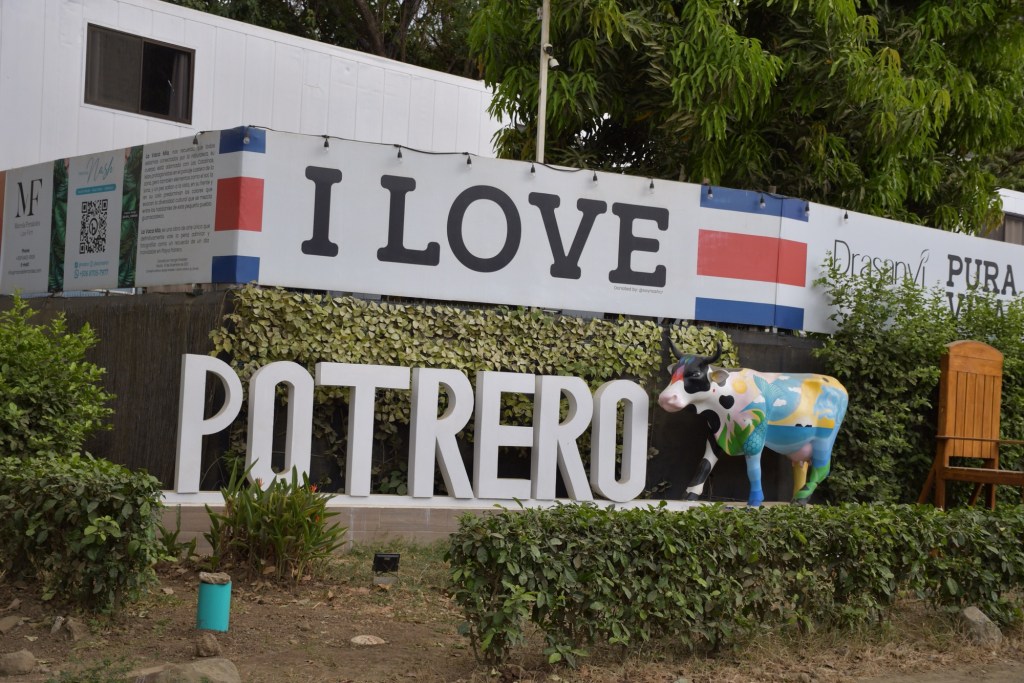
Coming back to our favorite corner of Costa Rica, Potrero and Playa Flamingo on the Nicoya Peninsula for the fifth time in eight years, we’re not so sure. Maybe.
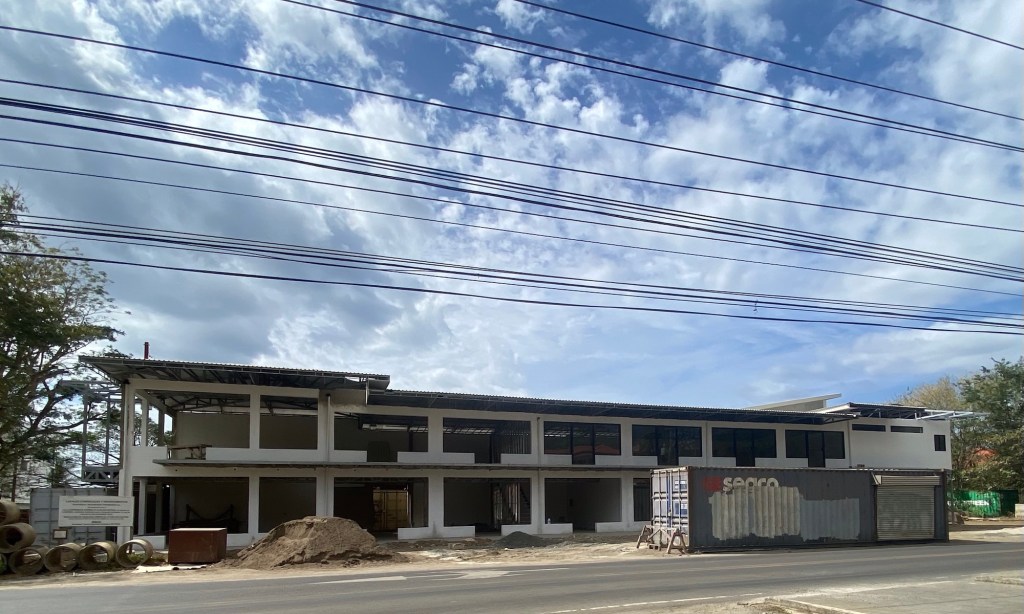
Gone are the two little funky stands where we bought our wonderful fresh fruits and vegetables. One is being replaced by a modern office complex. The other is permanently closed.
Our favorite little fruit stand used to be here.
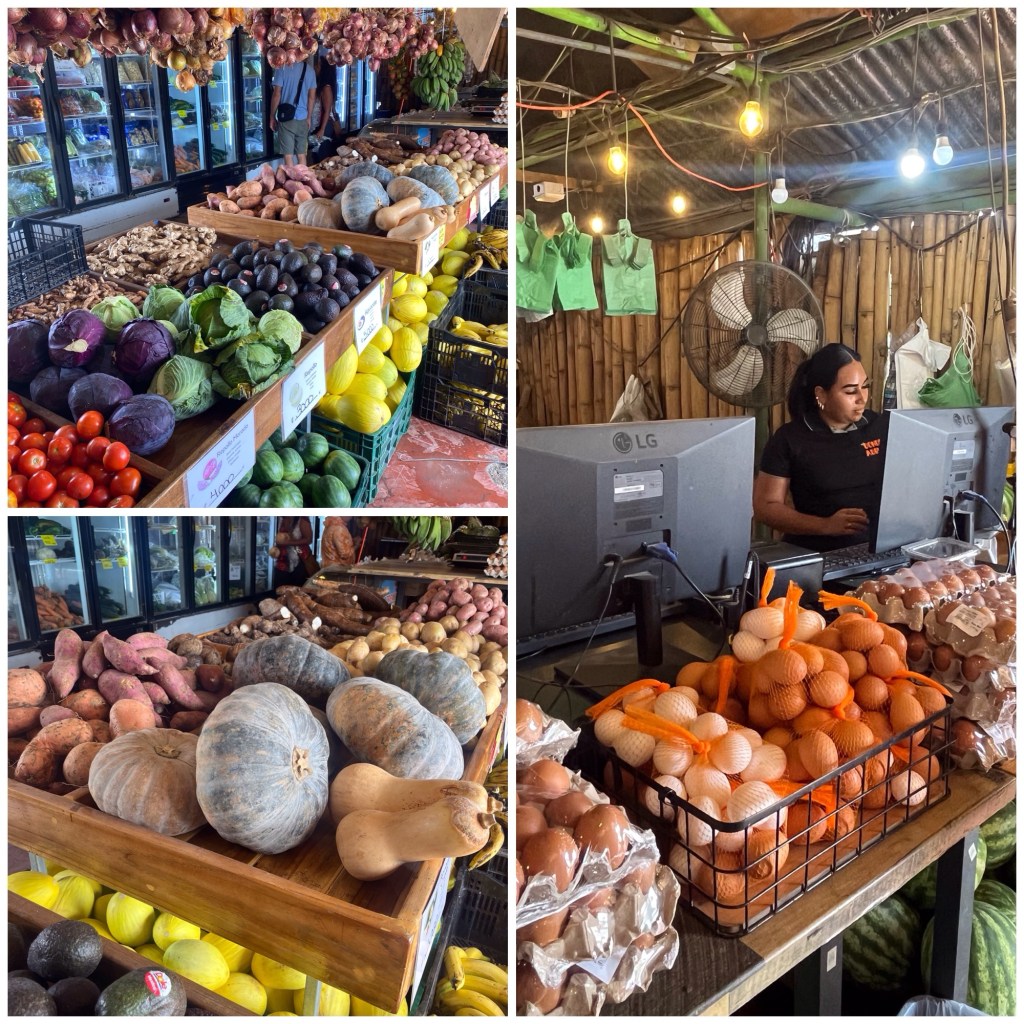
Now we have to drive 20 minutes south to the closest produce stand.
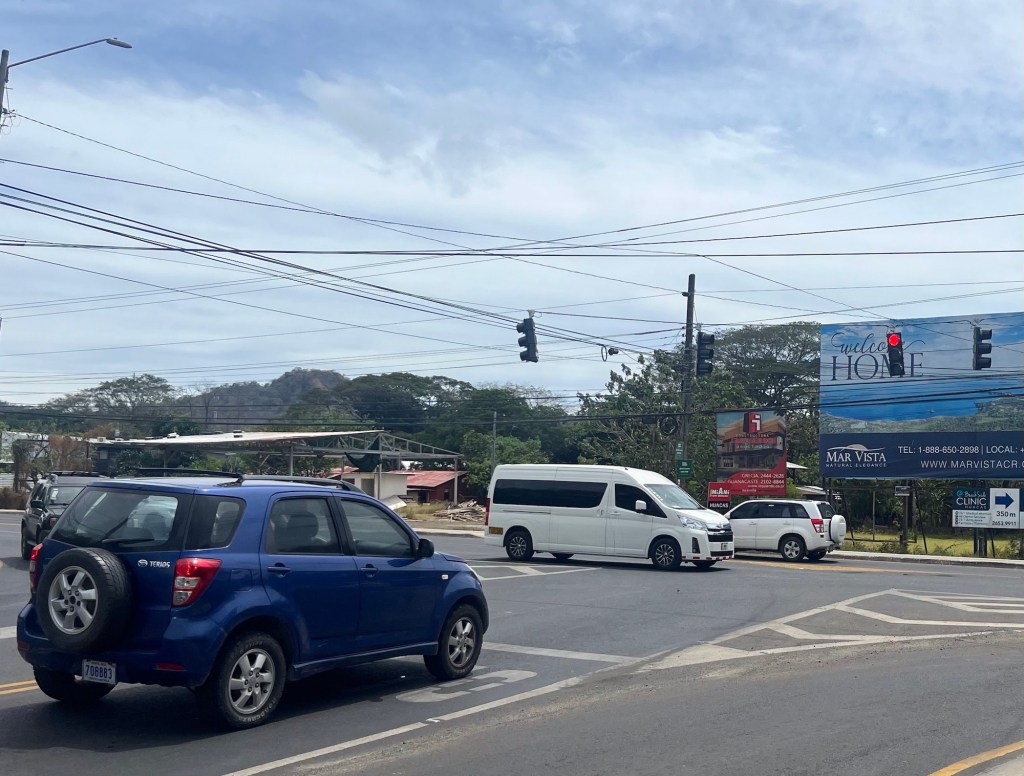
Why did the local fruit stands close? Why did several of the smaller soda restaurants we liked disappear? Probably the land was too valuable for mom and pop businesses. New homes, office complexes, storage units, medical facilities, and a huge new gas station have sprung up in the last year. We even have the first ever stop light in the region in nearby Huacas! And God knows, with the increase in traffic that was one change that was really needed.
The very upscale Playa Flamingo Marina is finally open with an elegant collection of shops and restaurants, and, yes, a helicopter pad that seems quite busy ferrying in guests.
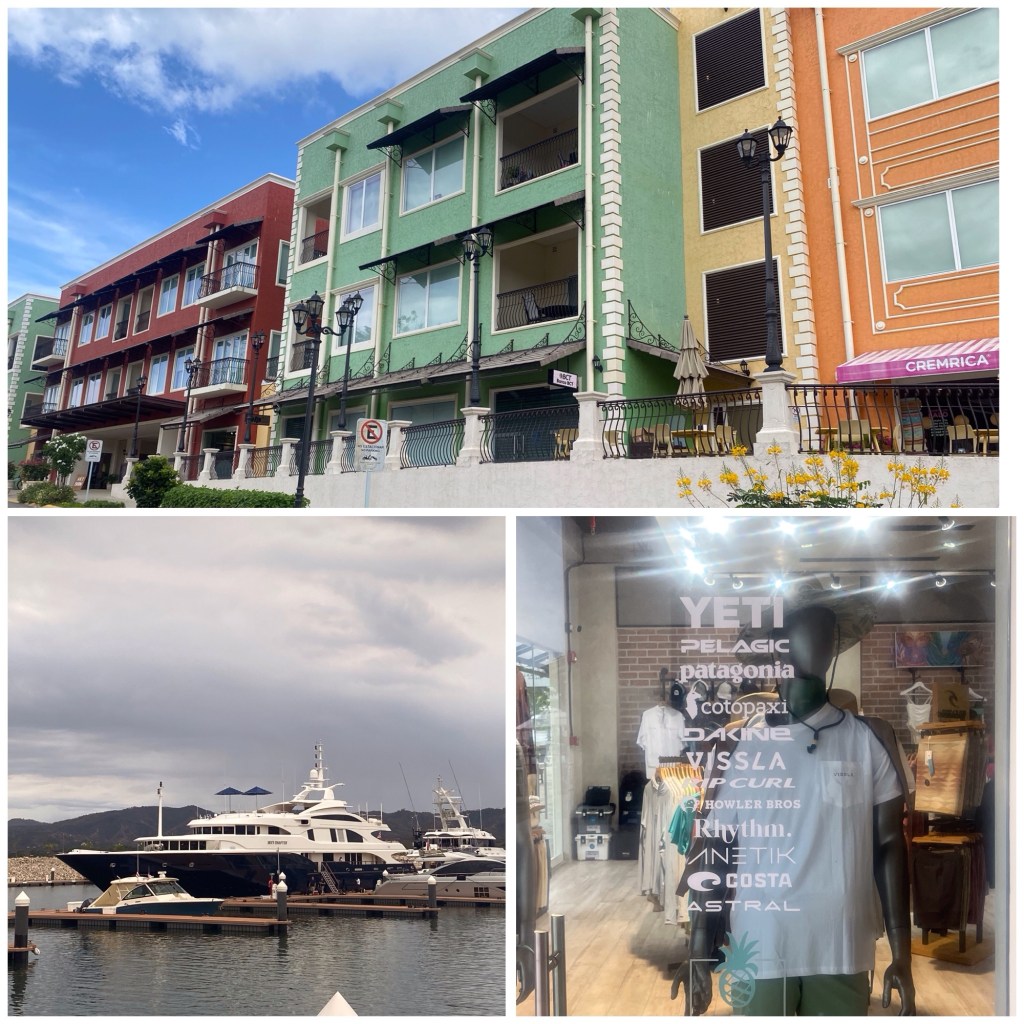
When we first came eight years ago, the bay was filled with humble pangas and a few fishing charters—all moored on buoys. Now there are a few mega yachts and dozens of smaller yachts in the new marina. The super mega yachts are too big for the marina and have to drop anchor in the bay and send their tenders in. We have seen a few of those lately, including Starbuck’s Howard Schultz’s 254 ft yacht Pi. But no worries, there are plans in the near future to provide super mega yacht moorage, double the size of the marina’s commercial space and add a 200 “key” hotel (not 200 rooms because apparently the each unit will have several rooms).
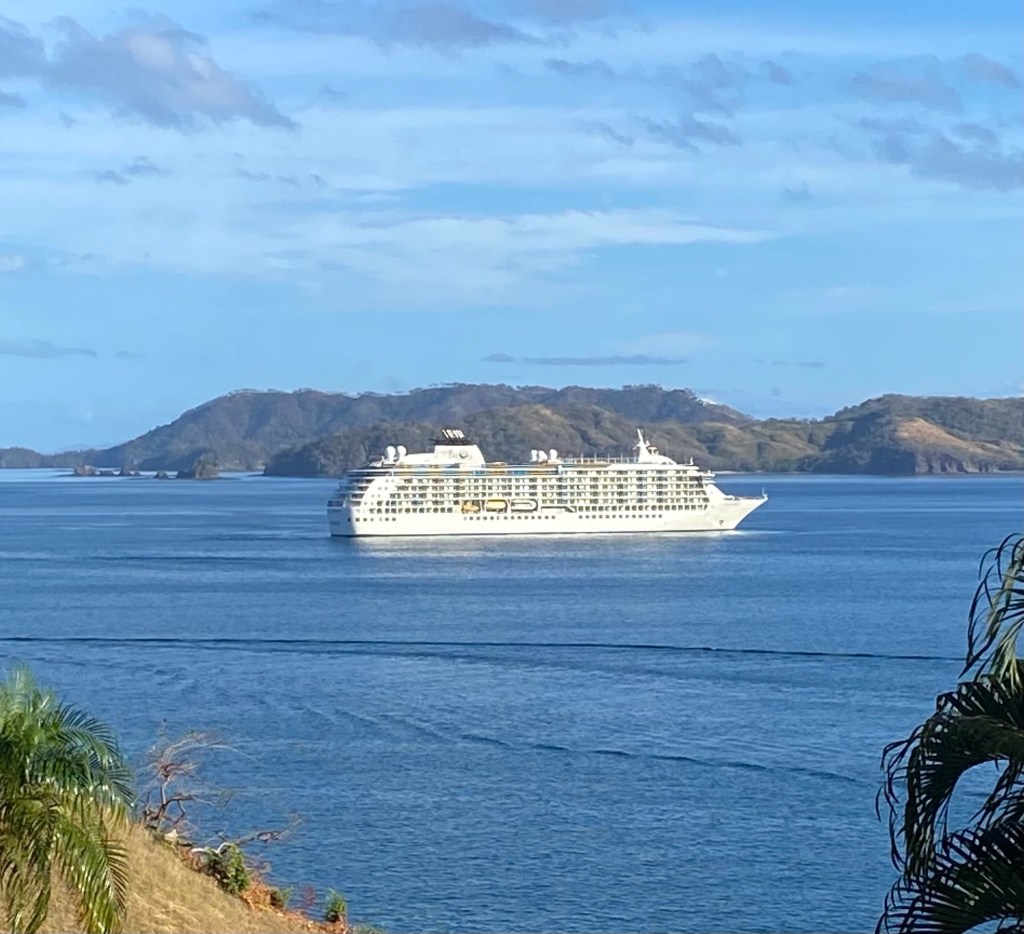
Just today the first ever cruise ship, The World, pulled into Potrero Bay—it’s a luxury residential ship where “condos” start 2.3 million. But no where to dock…yet.
And with the all the new development, prices have risen accordingly. A casado plate (the typical Costa Rican meal of rice, beans, some protein, plantains and a salad) in a local soda, a small family run restaurant, was $4-$6 dollars a few years ago is now typically $8-10. A regular restaurant meal with a drink was $10-15 is now $20-25. Yes, still a bargain compared to our hometown Seattle prices—but not the incredible deal it used to be. And should you go to a “tourist” restaurant you will be paying nearly Seattle prices.
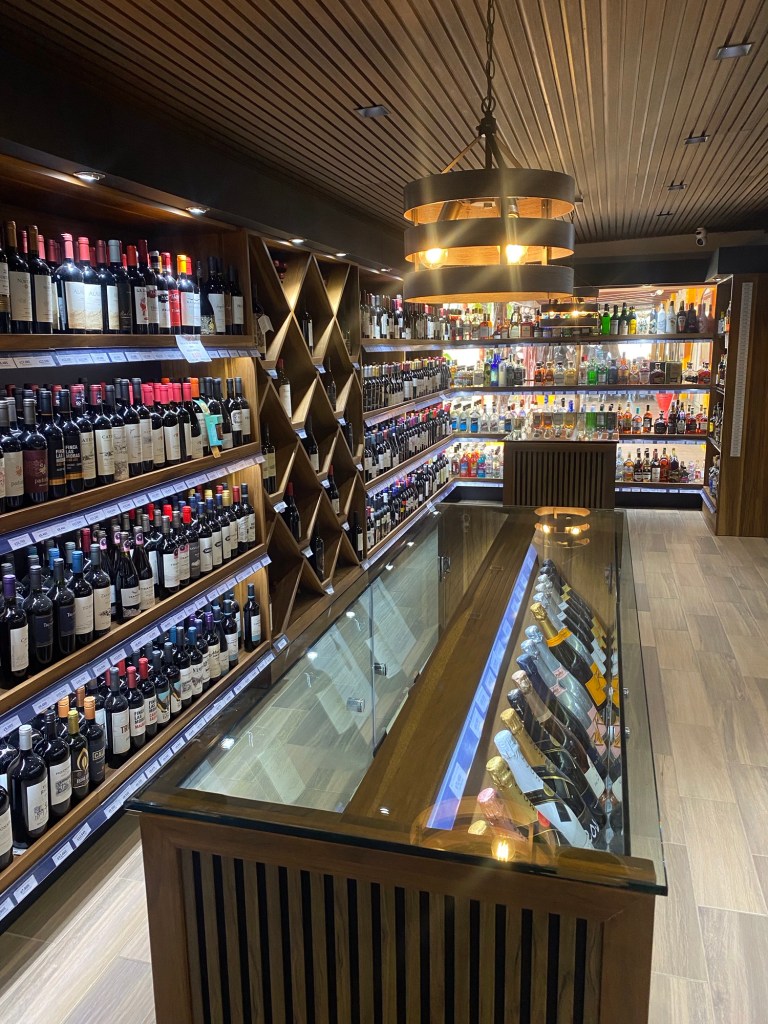
Our local grocery, the Massai Market always catered to the gringo crowd, but we also saw a fair number of Ticos as well. Now gringos dominate. The market has been upscaled and has a new, large refrigerated wine and spirits room—the selection would rival most U.S. stores. Single malt whiskies, pricey bourbons, expensive grand cru wine, champagnes. All at US prices.
There is also another brand new grocery store — this one away from most of the new development and closer to the Tico area of town. It’s clientele is mainly locals so the changes aren’t just for the gringo crowd.
Maybe the good news is that despite all that is changed, much has remained as it always was. The beaches are still uncrowded, particularly for our morning walks. We watch the sunset from the beach surrounded by locals—nary a gringo in sight.
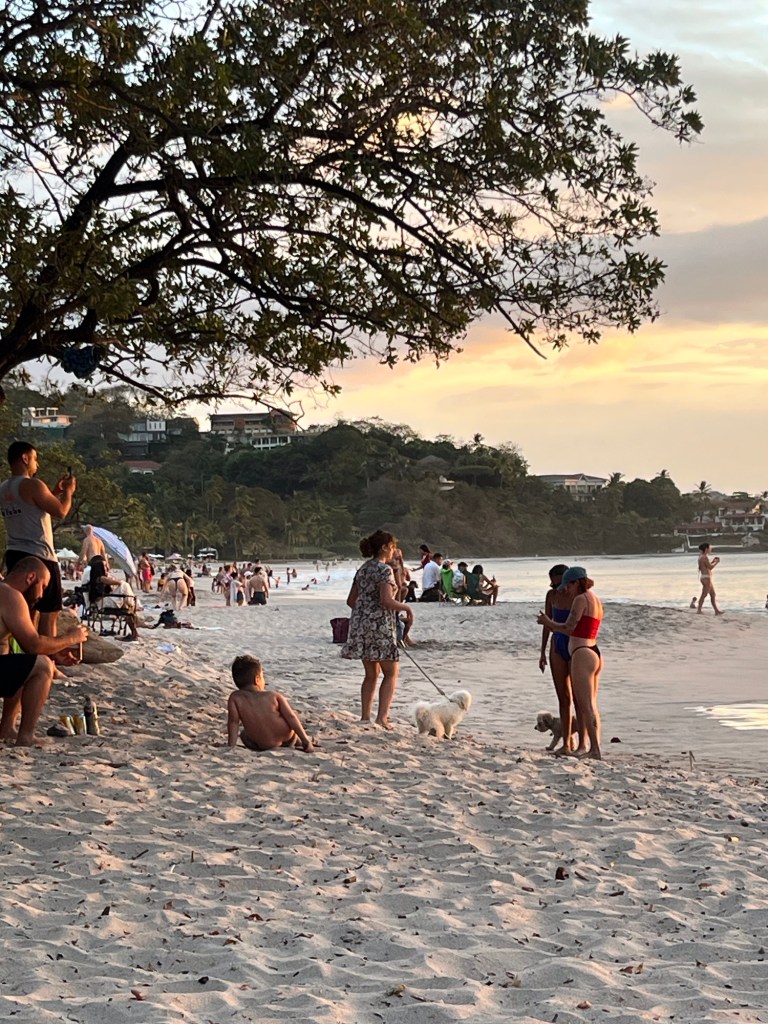
The Ticos are still warm, friendly people, the food is great, and the natural beauty of the area still awes.
We also know that while we maybe missing the quaintness of mom and pop fruit stands, sodas, and a bay filled with pangas bobbing on mooring buoys, the Ticos here see more jobs, better pay, better infrastructure, better housing. The biggest source of foreign income in Costa Rica is tourism. Since we’ve been coming here we’ve seen a dramatic improvement the roads, cell coverage and internet. All huge pluses for the locals.
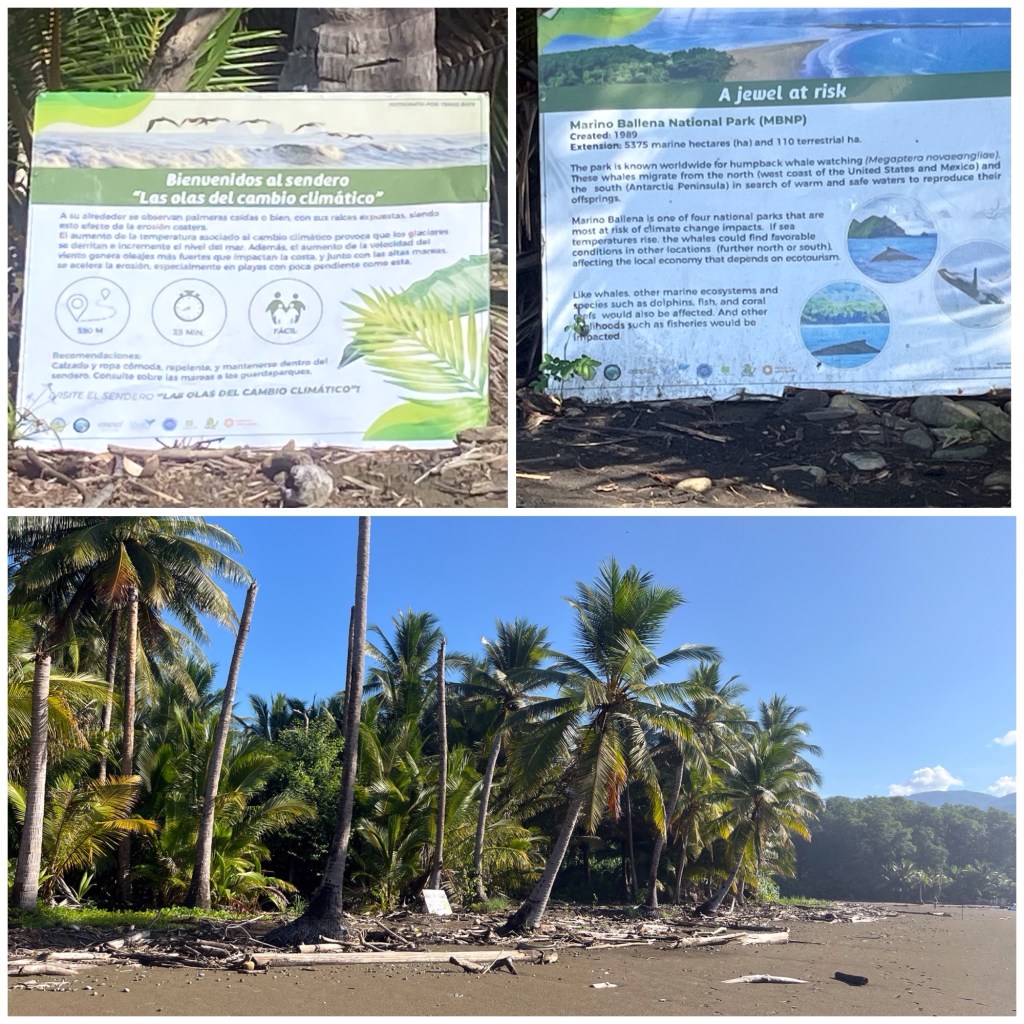
One change that is not welcome by the locals and the tourists alike is climate change. On our way up to Potrero and Playa Flamingo, we stopped in Uvita at the Ballena Marine Park. Along the beach there were signs in Spanish and English warning that rising seas were threatening pristine coastal areas and swaths of coconuts trees that lined the shore showed the damage.
In Potrero last November, it rained for 21 straight days, causing massive flooding and cutting off whole communities for weeks. Tourism came to grinding halt—causing a number of businesses to fold. The climatic forces that created the Cloud Forest are out of balance, potentially leading to loss of this precious ecosystem. Our guide in Santa Elena this year told us “summer” came just two days before we got here. And every year we come, Potrero seems to be a degree or two hotter. The beaches here show the signs of high tides and storms eating into the headlands.
Will we come back to Playa Flamingo and Potrero? Probably. Our thinking now is that we will continue to make forays into different parts of Costa Rica next year, looking for a bit of what captivated us on our first trip here and has lured us back again and again.

 Chasing the Good Life